
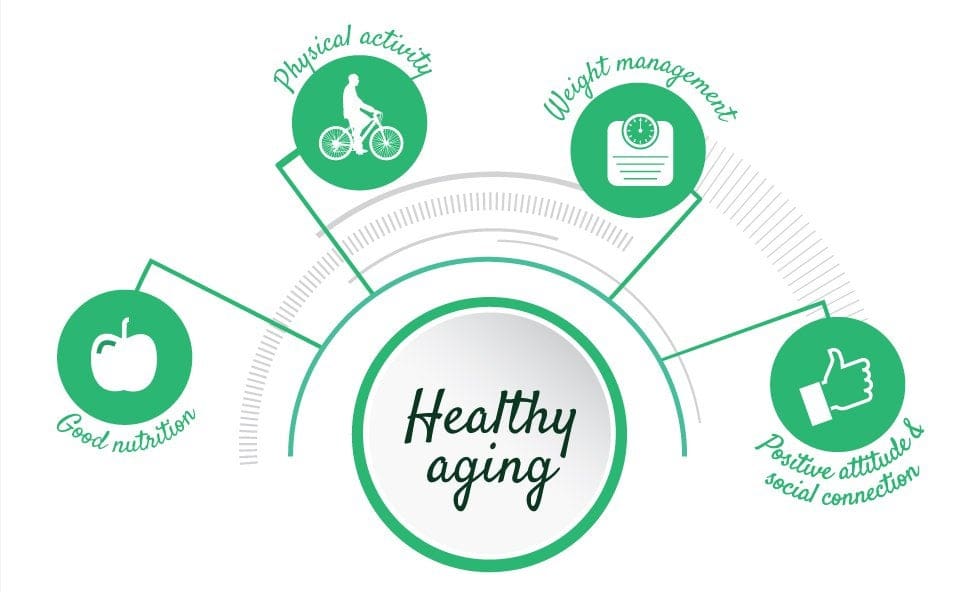
As you age, it becomes increasingly important to pay attention to the health of your joints and muscles. The wear and tear that naturally occurs over time can lead to discomfort, stiffness, and decreased mobility. However, by adopting a proactive approach and implementing certain lifestyle changes, you can maintain the vitality of your joints and muscles well into your golden years. In this article, we will explore some simple yet effective ways to keep your joints and muscles healthy, enabling you to enjoy an active and pain-free lifestyle as you age.
Regular exercise
Regular exercise is essential for maintaining healthy joints and muscles as you age. Not only does exercise keep your body strong and flexible, but it also helps to improve your overall fitness and quality of life. Engaging in physical activity on a regular basis offers a multitude of benefits that can positively impact your joint and muscle health.
Benefits of exercise
Exercise provides numerous benefits for joint and muscle health. Firstly, regular physical activity can increase muscle strength and flexibility, leading to improved joint mobility and reduced risk of injury. It also helps to maintain a healthy weight, which is important for reducing stress on your joints. Exercise plays a crucial role in preserving bone density, which is critical for preventing age-related conditions such as osteoporosis.
Furthermore, exercise promotes cardiovascular health, enhancing blood flow and nutrient delivery to your muscles and joints. By engaging in regular aerobic exercise, you can strengthen your heart and improve overall circulation. Exercise has also been shown to reduce inflammation in the body, which is beneficial for the health of your joints and muscles.
Types of exercise
There are various types of exercises that can benefit your joints and muscles. Firstly, aerobic exercises such as walking, swimming, and cycling are excellent for cardiovascular health and overall fitness. These low-impact activities put minimal stress on your joints while providing a sufficient level of exercise.
Strength training exercises, such as weightlifting or using resistance bands, can help build muscle and strengthen the surrounding tissues, providing support to your joints. Flexibility exercises, such as yoga or Pilates, improve your range of motion and increase joint flexibility. Incorporating a combination of these exercises into your routine can provide well-rounded benefits for your joints and muscles.
Exercise recommendations
To maintain healthy joints and muscles, it is recommended to engage in at least 150 minutes of moderate-intensity aerobic exercise each week. This can be divided into 30 minutes of exercise on most days of the week. Additionally, including strength training exercises at least two days a week can help increase muscle strength and provide added joint support.
It is important to consult with a healthcare professional before starting any new exercise regimen, especially if you have any pre-existing conditions or concerns about your joint and muscle health. They can provide personalized recommendations based on your specific needs and abilities.
Exercise precautions
While exercise is beneficial for joint and muscle health, it is important to take certain precautions to prevent injury. Always start your exercise routine with a warm-up session, which can include stretches or gentle movements to prepare your body for the workout. This helps to improve flexibility and prevent muscle strains.
Listen to your body and avoid pushing yourself too hard, especially if you experience pain or discomfort during exercise. Gradually increase the intensity and duration of your workouts over time, allowing your body to adapt. It is crucial to wear appropriate footwear and clothing to provide support and prevent injuries.
If you are unsure about how to perform certain exercises or use exercise equipment correctly, consider working with a certified personal trainer or physical therapist. They can guide you and ensure that you are using proper form to prevent unnecessary strain on your joints and muscles.
Proper nutrition
Proper nutrition plays a vital role in maintaining healthy joints and muscles as you age. A well-balanced diet that provides essential nutrients is crucial for supporting the structure and function of your body. By fueling your body with the right foods, you can support healthy joint and muscle health and prevent age-related conditions.
Importance of nutrition
Nutrition is essential for your overall health, including the health of your joints and muscles. The nutrients you consume through your diet have a direct impact on the health and function of these structures. Adequate nutrition supplies the building blocks necessary for the maintenance and repair of joint tissues, muscles, and bones.
Additionally, certain nutrients have specific roles in joint and muscle health. For example, omega-3 fatty acids found in fish and flaxseeds have anti-inflammatory properties that can help reduce joint pain and stiffness. Antioxidants, such as vitamins C and E, found in fruits and vegetables, help protect the cells in your joints and muscles from free radicals and oxidative stress.
Key nutrients for joint and muscle health
There are several key nutrients that are important for maintaining healthy joints and muscles. Omega-3 fatty acids, as mentioned earlier, are beneficial for reducing inflammation. These can be obtained from fatty fish like salmon, mackerel, and sardines, as well as from plant sources like flaxseeds and walnuts.
Calcium and vitamin D are crucial for maintaining strong bones, which support your joints and muscles. Dairy products, fortified plant-based milk, leafy green vegetables, and sunlight exposure are good sources of these nutrients. Protein is another essential nutrient for muscle health, and it can be found in lean meats, poultry, fish, beans, and tofu.
Including foods rich in antioxidants, such as berries, citrus fruits, and dark leafy greens, can help protect your joints and muscles from damage caused by free radicals. It is also important to consume an adequate amount of fiber through whole grains, fruits, and vegetables to support overall gut health, as inflammation in the gut can negatively impact joint health.
Foods to include in the diet
To support healthy joints and muscles, it is advisable to include a variety of nutrient-rich foods in your diet. Focus on consuming a balanced mix of lean proteins, whole grains, fruits, vegetables, and healthy fats. Incorporate foods with anti-inflammatory properties, such as fatty fish, nuts, seeds, olive oil, and turmeric.
Leafy green vegetables, like spinach and kale, are rich in calcium and other vitamins and minerals that support bone health. Citrus fruits, strawberries, and bell peppers are excellent sources of vitamin C, which plays a key role in collagen synthesis and joint health. Including yogurt or fortified plant-based alternatives can provide a good amount of calcium and vitamin D.
It is essential to maintain a well-hydrated body for joint and muscle health, so be sure to drink plenty of water throughout the day. Limiting the consumption of processed foods, sugary beverages, and excessive amounts of sodium can also help maintain overall health and support proper joint and muscle function.
Weight management
Maintaining a healthy weight is crucial for promoting joint and muscle health as you age. Excess weight places additional stress on your joints, leading to increased wear and tear and a higher risk of developing conditions such as osteoarthritis. By managing your weight effectively, you can reduce the strain on your joints and enhance your overall well-being.
Impact of excess weight
Carrying excess weight can have a significant impact on your joint and muscle health. The additional weight puts added stress on your joints, especially the weight-bearing ones such as your knees, hips, and spine. Over time, this can lead to accelerated joint degeneration and an increased risk of developing osteoarthritis.
Excess weight can also contribute to muscle imbalances and weakness. The added strain makes it more challenging for muscles to support your joints adequately, leading to instability and an increased risk of injuries. Furthermore, carrying excess weight can hinder your mobility and lead to a sedentary lifestyle, which further exacerbates joint and muscle problems.
Healthy weight range
Maintaining a healthy weight range is essential for supporting healthy joints and muscles. The ideal weight for an individual depends on factors such as their height, body composition, and overall health. It is best to consult with a healthcare professional to determine your healthy weight range and develop a personalized plan for weight management.
Generally, body mass index (BMI) is used to assess weight categories. A BMI between 18.5 and 24.9 is considered within the healthy range. However, BMI may not be as accurate for individuals who have a higher muscle mass or specific body types. Therefore, it is important to focus not only on weight but also on body composition and overall health.
Tips for weight management
To manage your weight effectively, it is important to adopt healthy habits. Regular exercise plays a crucial role in weight management, as it helps to burn calories and build lean muscle mass. Engaging in a combination of aerobic exercises, strength training, and flexibility exercises can help you achieve optimal weight management and support your joint and muscle health.
In addition to exercise, it is important to eat a balanced and nutritious diet. Focus on consuming whole, unprocessed foods that are rich in nutrients and low in added sugars and unhealthy fats. Portion control is also essential, as it helps to regulate calorie intake.
Maintaining a consistent sleep schedule, managing stress levels, and staying hydrated are additional factors that can contribute to effective weight management. It is crucial to adopt healthy habits that you can sustain in the long term, rather than engaging in restrictive diets or quick-fix solutions.
Adequate hydration
Staying adequately hydrated is vital for the health of your joints and muscles. Water is essential for maintaining proper joint lubrication, regulating body temperature, and delivering essential nutrients to your muscles. By ensuring you are properly hydrated, you can support optimal joint and muscle function and prevent dehydration-related complications.
Benefits of hydration
Hydration provides numerous benefits for your joints and muscles. Firstly, water acts as a lubricant for your joints, reducing friction and allowing for smooth movement. This helps to prevent discomfort, stiffness, and pain. Proper hydration also aids in the cushioning of joints, protecting them from impact and reducing the risk of injury.
Water is crucial for muscle function as well. It helps to transport nutrients, including electrolytes, to your muscles, which is essential for optimal muscle performance. Additionally, proper hydration supports the removal of waste products, such as lactic acid, from your muscles, reducing the risk of muscle cramps and fatigue.
Recommended daily fluid intake
The recommended daily fluid intake varies depending on individual factors such as age, sex, activity level, and climate. However, a general guideline is to consume at least eight glasses (64 ounces) of water per day. You may require more fluid if you engage in intense physical activity, live in a hot climate, or experience excessive sweating.
It is important to listen to your body’s cues and drink water when you are thirsty. Pay attention to the color of your urine, as pale yellow urine indicates good hydration while dark yellow urine may suggest dehydration. It is advisable to consult with a healthcare professional if you have specific hydration concerns or medical conditions that require adjustments to your fluid intake.
Tips for staying hydrated
To maintain adequate hydration, it is important to incorporate certain habits into your daily routine. Start your day by drinking a glass of water to replenish any fluids lost during sleep. Keep a water bottle with you throughout the day as a reminder to drink and to make it easily accessible.
If you struggle to drink plain water, experiment with infused waters by adding slices of fruits or herbs for flavor. Electrolyte-rich drinks, such as coconut water or sports drinks, can be beneficial during intense workouts or in hot conditions. Limit the consumption of sugary beverages, caffeinated drinks, and alcohol, as they can have a diuretic effect and contribute to dehydration.
Additionally, consuming foods with high water content, such as fruits and vegetables, can contribute to your overall fluid intake. Keep in mind that certain health conditions or medications may require you to monitor your fluid intake more closely, so it is essential to consult with a healthcare professional if you have any concerns.
Posture and body mechanics
Maintaining good posture and practicing proper body mechanics are essential for protecting your joints and muscles from unnecessary strain and injury. By being mindful of your posture and using correct body mechanics, you can prevent musculoskeletal imbalances and reduce the risk of developing chronic pain or conditions such as back pain.
Maintaining good posture
Good posture involves aligning your body in a way that minimizes stress on your joints and muscles. It helps to distribute the load evenly throughout your body, reducing the strain on specific areas. Proper posture also helps to maintain the natural curves of your spine and prevents excessive rounding or arching.
To maintain good posture, start by aligning your ears, shoulders, and hips in a straight line when standing. Avoid slouching or hyperextending your spine. Engaging your core muscles can provide additional support and stability. When sitting, ensure that your feet are flat on the floor, and use a chair with proper lumbar support. It is also advisable to take regular breaks to stretch and change positions if you sit for long periods.
Ergonomics at work and home
Ergonomics refers to the design and arrangement of your work or home environment to maximize efficiency and reduce the risk of injury. By optimizing your workspace ergonomics, you can minimize strain on your joints and muscles and prevent the development of musculoskeletal disorders.
At work, ensure that your desk, chair, and computer are properly set up. Position your computer screen at eye level and maintain a proper distance from it to prevent straining your neck and eyes. Use an ergonomic chair that provides support for your lower back. Sit with your feet flat on the floor or use a footrest if necessary.
At home, pay attention to your body mechanics when engaging in various activities. Use proper lifting techniques by bending your knees and keeping your back straight when lifting heavy objects. When performing household chores, such as vacuuming or gardening, break up the tasks and take regular breaks to avoid overexertion.
Body mechanics for lifting and carrying
Proper body mechanics are essential for lifting and carrying objects to prevent strain and injuries to your joints and muscles. By following correct techniques, you can protect your back, shoulders, and other vulnerable areas from unnecessary stress and maintain the health of your joints and muscles.
When lifting objects, start by assessing the weight and size. If the item is too heavy or awkward to handle alone, ask for assistance. Stand close to the object with your feet shoulder-width apart. Bend your knees and keep your back straight as you lift, using the muscles in your legs to generate power.
Avoid twisting your body while lifting, as this can strain your back and other joints. Instead, pivot your feet and use your entire body to change direction. If you need to carry the object for an extended period, hold it close to your body to minimize strain on your joints and use both hands for balanced support.
Remember to take breaks and alternate sides when carrying heavy or bulky objects. If you frequently engage in activities that involve lifting or carrying, such as in a job or as a caregiver, it is advisable to consult with a healthcare professional or physical therapist for personalized guidance on proper body mechanics.
Flexibility and stretching
Flexibility exercises and regular stretching play a significant role in maintaining healthy joints and muscles. These activities help to improve joint range of motion, enhance muscle flexibility, and prevent muscle imbalances. By incorporating flexibility exercises into your routine, you can support optimal joint and muscle health as you age.
Benefits of flexibility
Flexibility is essential for joint and muscle health as it allows for a full range of motion. By maintaining or improving your flexibility, you can enhance joint mobility and reduce the risk of stiffness and pain. Flexible muscles are less prone to injuries, as they can move freely without being strained or pulled.
Flexibility exercises also help to counterbalance the effects of sedentary lifestyles and prolonged sitting. Stretching regularly can alleviate muscle tension and promote relaxation. Additionally, flexibility exercises contribute to better posture by elongating tight muscles and improving muscle imbalances.
Types of stretching exercises
There are various types of stretching exercises that can improve flexibility and support joint and muscle health. Static stretching involves holding a stretch for a specific period, typically 15-30 seconds, and slowly releasing it. This type of stretching helps to increase muscle length and flexibility gradually.
Dynamic stretching involves moving the joints and muscles through a controlled range of motion, mimicking the movements of the activity or sport you are preparing for. Dynamic stretching is commonly performed at the beginning of a workout to warm up the body and prepare it for more intense activity.
Proprioceptive neuromuscular facilitation (PNF) stretching involves contracting and relaxing muscles while stretching them. This technique utilizes the body’s reflexes to enhance flexibility. PNF stretching is often done with a partner or with the assistance of a trained professional.
Stretching routine and frequency
To maintain flexibility, aim to stretch all major muscle groups at least two to three times a week. It is important to remember that stretching should be done when your muscles are warm. Therefore, it is advisable to perform stretching exercises after a light warm-up or at the end of a workout when your muscles are already warm.
When performing static stretches, hold each stretch for about 15 to 30 seconds without bouncing. Breathe deeply during the stretch and try to relax the muscles you are stretching. If you feel any pain or discomfort, ease off on the stretch or consult with a healthcare professional.
Incorporate a variety of stretching exercises that target different muscle groups, including your neck, shoulders, back, chest, hips, thighs, and calves. A well-rounded stretching routine can improve overall flexibility and support healthy joint and muscle function.
Strength training
Strength training is essential for maintaining healthy joints and muscles as you age. It involves exercises that target specific muscle groups and increase muscle strength and endurance. By incorporating strength training into your fitness routine, you can improve joint stability, prevent muscle loss, and support overall joint and muscle health.
Importance of strength training
Strength training offers numerous benefits for joint and muscle health. Firstly, it helps to increase muscle mass and strength, which is crucial for proper joint function and support. Strong muscles provide stability to your joints and help absorb shock during activities, reducing the risk of injuries.
Engaging in strength training exercises also helps to improve bone density, which is important for preventing conditions like osteoporosis. It can increase the strength of your connective tissues, including tendons and ligaments, enhancing joint stability and reducing the risk of strains or sprains.
Strength training also plays a role in weight management, as it helps to build muscle, which burns more calories at rest than fat. By increasing muscle mass, your body’s metabolism can be boosted, contributing to weight loss or weight maintenance.
Safe and effective exercises
When engaging in strength training, it is important to choose exercises that are safe and effective. Start with compound exercises that target multiple muscle groups, such as squats, lunges, push-ups, and rows. These exercises mimic real-life movements and help improve overall functional strength.
Gradually increase the intensity and resistance of your exercises over time. This can be done by using free weights, resistance bands, or weight machines. It is crucial to use proper form and technique to prevent injuries and get the maximum benefit from each exercise. Consulting with a certified personal trainer can help ensure safe and effective workout routines.
Include exercises that target specific muscle groups, such as bicep curls, tricep extensions, or calf raises, to work on individual areas of strength. It is important to allow ample rest and recovery between strength training sessions to give your muscles time to repair and grow stronger.
Progression and frequency
When starting a strength training program, it is advisable to start with light weights or resistance and gradually increase over time. This progression allows your muscles to adapt and grow stronger without risking injury. Aim for two to three strength training sessions per week, allowing at least 48 hours of rest between sessions targeting the same muscle group.
The number of repetitions and sets for each exercise can vary depending on your fitness level and goals. Generally, performing 8-12 repetitions for 2-3 sets is recommended for improving muscle strength and endurance. As you become more comfortable with the exercises, you can gradually increase the weight or resistance and adjust the repetitions and sets accordingly.
Remember to warm up before each strength training session with some light cardiovascular exercise, such as brisk walking or cycling. Cool down and stretch after your workout to promote muscle recovery and flexibility. It is essential to listen to your body and avoid overexertion or pushing through pain during strength training.
Joint protection
Protecting your joints is crucial for maintaining their health and preventing conditions such as arthritis or joint degeneration. By implementing strategies to avoid repetitive stress, using appropriate protective equipment, and modifying activities to reduce joint strain, you can safeguard your joints and promote long-term joint health.
Avoiding repetitive stress
Repetitive stress injuries occur when the same movement is repeated over and over, placing excessive strain on a specific joint or muscle group. Over time, this can lead to inflammation, pain, and decreased joint function. To prevent repetitive stress injuries, it is important to vary your activities and movements.
If your job or hobby involves repetitive tasks, take regular breaks to break up the repetitive movements. Engaging in activities that require different muscle groups can help distribute the workload and minimize the impact on specific joints. Incorporate stretches and movements that target the muscles and joints involved in your repetitive tasks to help prevent imbalances and maintain flexibility.
Using protective equipment
Protective equipment can play a vital role in safeguarding your joints during certain activities. If you engage in sports or exercises that involve impact or joint stress, consider wearing appropriate gear, such as knee or elbow pads, wrist braces, or ankle supports. These protective measures can help absorb shock and reduce the risk of injuries.
Using ergonomic tools or modifying equipment can also contribute to joint protection. For example, using cushioned grips or handles can minimize strain on your hands and wrists during activities that involve gripping or holding. Using padded floor mats or knee pads can help protect your knees during exercises performed on hard surfaces.
Modifying activities
Modifying activities to reduce joint strain can be beneficial for long-term joint health. If you engage in high-impact activities like running or jumping, consider alternating them with low-impact exercises such as swimming or cycling to reduce the stress on your joints. This allows for recovery and minimizes the risk of overuse injuries.
If you have joint pain or a pre-existing condition that affects joint health, modify activities to reduce joint impact. For example, if you enjoy running but experience knee pain, consider switching to a lower-impact activity like brisk walking or using an elliptical machine. If lifting heavy weights causes joint discomfort, lighten the load and focus on proper form and technique.
It is crucial to listen to your body and avoid pushing through pain or discomfort. Pay attention to any warning signs of joint inflammation or injury, such as swelling, redness, or persistent pain. If you experience chronic joint pain or have concerns about your joint health, consult with a healthcare professional for proper evaluation and guidance.
Avoiding sedentary lifestyle
Leading a sedentary lifestyle can have negative effects on your joint and muscle health. Prolonged periods of inactivity contribute to muscle weakness, joint stiffness, and decreased overall fitness. By incorporating movement into your daily routine, you can counteract the negative effects of a sedentary lifestyle and maintain healthy joints and muscles.
Negative effects of inactivity
Sitting or being inactive for prolonged periods can lead to a range of negative effects on joint and muscle health. Muscles that are not regularly used can weaken, leading to decreased muscle mass and strength. Sedentary behavior also contributes to joint stiffness, which can reduce your range of motion and increase the risk of injuries.
Inactivity is associated with weight gain and an increased risk of developing conditions such as obesity, diabetes, and cardiovascular disease. Excess weight further strains your joints, leading to accelerated wear and tear. Additionally, a sedentary lifestyle can negatively impact mental health and overall well-being.
Incorporating movement throughout the day
To combat the negative effects of a sedentary lifestyle, it is important to incorporate movement throughout your day. Look for opportunities to be active, even during daily tasks. Take short walking breaks, stand up and stretch periodically, or perform simple exercises like squats or lunges while watching TV or during work breaks.
Incorporate physical activity into your routine by engaging in activities you enjoy, such as gardening, dancing, or swimming. Find ways to make exercise a social activity by joining a fitness class or participating in team sports. The more enjoyable the activity, the more likely you are to stick with it and make movement a regular part of your life.
Utilize technology to your advantage by setting reminders or using activity tracking devices to monitor your daily movement. Consider investing in a standing desk or using a stability ball as a chair to promote active sitting and engage your core muscles.
Breaking up prolonged sitting
Breaking up prolonged sitting is essential for maintaining joint and muscle health. Take regular breaks from sitting, even if it is just to stand up, stretch, or walk around for a few minutes. Set reminders every hour or use apps that prompt you to move periodically.
Incorporate active breaks into your daily routine by scheduling short walks or light exercises into your day. Instead of sending emails or making phone calls from your desk, consider standing or walking while doing so. Explore options for active transportation, such as walking or biking instead of driving short distances.
While watching TV or working on a computer, use commercial breaks or intervals to perform quick exercises, such as marching in place, doing squats, or stretching. These short bursts of activity can add up throughout the day and contribute to increased movement and improved joint and muscle health.
Pain management
Managing pain is an important aspect of maintaining joint and muscle health. Chronic pain can significantly impact your quality of life and limit your ability to engage in daily activities. By incorporating various pain management strategies, you can alleviate discomfort, reduce inflammation, and support the health of your joints and muscles.
Over-the-counter pain relievers
Over-the-counter pain relievers can provide temporary relief from joint and muscle pain. Nonsteroidal anti-inflammatory drugs (NSAIDs), such as ibuprofen or naproxen, can help reduce inflammation and relieve pain. Acetaminophen is another common option for managing pain, although it does not have anti-inflammatory properties.
When using over-the-counter pain relievers, it is important to follow the recommended dosage guidelines and consult with a healthcare professional if you have any pre-existing medical conditions or take other medications. Long-term or excessive use of NSAIDs can have side effects, so it is advisable to use them as directed and for short-term relief.
Heat and cold therapy
Heat and cold therapy can be effective for managing joint and muscle pain. Applying heat, such as a warm towel or a heating pad, can help relax muscles and relieve stiffness. Heat can also promote blood flow to the area, delivering nutrients and oxygen to support healing.
Cold therapy, such as ice packs or cold compresses, can help reduce inflammation and numb the area, providing pain relief. Cold therapy is often used immediately after an injury or during acute flare-ups to reduce swelling and alleviate discomfort.
It is important to use heat and cold therapy appropriately and avoid applying extreme temperatures directly to your skin. Follow the instructions provided with heating pads or ice packs and limit each session to 20 minutes at a time. If you have circulatory issues or certain conditions like Raynaud’s disease, it is advisable to consult with a healthcare professional before using heat or cold therapy.
Alternative treatments
In addition to conventional pain management strategies, alternative treatments can be considered for joint and muscle pain relief. These treatments may include acupuncture, massage therapy, chiropractic care, or physical therapy. These approaches can help address underlying issues, provide pain relief, and improve overall joint and muscle function.
Before seeking alternative treatments, it is important to consult with a healthcare professional to ensure their safety and effectiveness for your specific condition. Not all alternative treatments are suitable for everyone, and it is essential to work with a qualified and experienced practitioner.
Incorporating relaxation techniques, such as deep breathing, meditation, or yoga, can also help manage pain by reducing stress and promoting muscle relaxation. It is advisable to explore different methods and find what works best for you in conjunction with any prescribed treatments or recommendations from healthcare professionals.
In conclusion, maintaining healthy joints and muscles as you age requires a holistic approach that includes regular exercise, proper nutrition, weight management, adequate hydration, good posture, flexibility and stretching exercises, strength training, joint protection, avoiding a sedentary lifestyle, and effective pain management strategies. By making these practices a part of your lifestyle, you can support optimal joint and muscle health, enhance your overall well-being, and enjoy an active and fulfilling life as you age.