

Are you curious about antioxidants and their astounding benefits? Well, look no further! This comprehensive guide will provide you with all the information you need to understand what antioxidants are and how they can improve your overall health and well-being. From their role in combating free radicals to their potential anti-aging effects, this article will unlock the secrets of antioxidants and empower you to make informed decisions about incorporating them into your daily routine. So sit back, relax, and prepare to embark on a journey of discovering the incredible world of antioxidants.
What are Antioxidants?
Antioxidants are compounds that play a vital role in our overall health and well-being. They are substances that can prevent or slow damage to our cells caused by free radicals, which are harmful molecules produced in our bodies as a result of natural processes and outside factors like pollution and UV radiation. By neutralizing these free radicals, antioxidants protect our cells from oxidative stress, reducing the risk of chronic diseases and promoting better health.
Types of Antioxidants
There is a wide variety of antioxidants that nature provides us with. Some of the most well-known and abundant antioxidants include Vitamin C, Vitamin E, and beta-carotene. Other types include flavonoids, resveratrol, and coenzyme Q10. Each type of antioxidant has its own unique properties and benefits, making it important to incorporate a diverse range of antioxidants into our diet to maximize their effectiveness.

How do Antioxidants Work?
Antioxidants work by neutralizing free radicals in our body. Free radicals are highly unstable molecules that can cause damage to our cells, proteins, and DNA. When free radicals interact with our cells, they can lead to inflammation and oxidative stress, which can contribute to chronic diseases such as heart disease, cancer, and Alzheimer’s disease.
Antioxidants act as scavengers, donating an electron to the free radicals, which stabilizes them and prevents them from causing damage. They can also regenerate other antioxidants, such as Vitamin E, allowing them to continue their protective role in the body. By reducing the presence of free radicals, antioxidants help to maintain the balance and health of our cells.
Health Benefits of Antioxidants
Protection against Chronic Diseases
One of the major health benefits of antioxidants is their ability to protect against chronic diseases. Oxidative stress caused by free radicals can contribute to the development of conditions such as heart disease, diabetes, and neurodegenerative disorders. By neutralizing free radicals and reducing oxidative stress, antioxidants help to prevent cellular damage and lower the risk of these diseases.
Boosts Immune System
Antioxidants also play a crucial role in supporting a strong immune system. A healthy immune system is essential for fighting off infections and diseases. By reducing inflammation and oxidative stress, antioxidants help to strengthen our immune response and enhance our body’s ability to defend against harmful pathogens.
Reduced Risk of Cancer
Research has shown that antioxidants can help reduce the risk of certain types of cancer. By neutralizing free radicals and preventing DNA damage, antioxidants inhibit the growth of abnormal cells that can lead to the development of cancer. Antioxidant-rich foods and supplements have been associated with a lower risk of breast, colorectal, lung, and prostate cancer.
Improved Heart Health
Antioxidants are beneficial for heart health due to their ability to reduce the oxidation of LDL (bad) cholesterol, which is a major contributor to heart disease. By inhibiting the oxidation of LDL cholesterol, antioxidants prevent the buildup of plaque in the arteries, reducing the risk of heart attacks and strokes.
Slows Aging Process
Another remarkable benefit of antioxidants is their ability to slow down the aging process. Oxidative stress can accelerate aging by causing damage to our cells, proteins, and DNA. Antioxidants help to counteract this damage by neutralizing free radicals, which can help to maintain the youthful appearance of the skin, promote better cognitive function, and preserve overall health and vitality.

Sources of Antioxidants
Incorporating antioxidant-rich foods into our diet is essential for reaping the benefits they offer. Here are some excellent sources of antioxidants:
Fruits and Vegetables
Colorful fruits and vegetables are packed with antioxidants. Berries, in particular, such as blueberries, strawberries, and raspberries, are rich in antioxidants like anthocyanins and vitamin C. Other antioxidant-rich fruits and vegetables include tomatoes, spinach, kale, bell peppers, and broccoli. Aim to include a variety of fruits and vegetables in your daily meals to ensure a diverse range of antioxidants.
Nuts and Seeds
Nuts and seeds are not only tasty but also high in antioxidants. Almonds, walnuts, and pistachios are rich in vitamin E, while chia seeds, flaxseeds, and sunflower seeds are packed with antioxidants like vitamin E and selenium. Snacking on a handful of nuts and seeds or adding them to your salads, oatmeal, or smoothies can provide a healthy dose of antioxidants.
Herbs and Spices
Many herbs and spices are potent sources of antioxidants. Turmeric, ginger, cinnamon, and cloves are known for their high antioxidant content. Adding these aromatic ingredients to your cooking not only enhances the flavor but also boosts the antioxidant power of your meals.
Dark Chocolate
Yes, you read it right! Dark chocolate is not only delicious but also a great source of antioxidants. Dark chocolate with a high cocoa content contains flavonoids, which are powerful antioxidants. Enjoying a small piece of dark chocolate as an occasional treat can provide those health-boosting antioxidants.
Green Tea
Green tea is a popular beverage that is loaded with antioxidants called catechins. These antioxidants have been linked to numerous health benefits, including improved heart health, reduced inflammation, and enhanced brain function. Drinking green tea regularly can be a delightful way to incorporate more antioxidants into your daily routine.
Vitamins as Antioxidants
Certain vitamins possess potent antioxidant properties. Incorporating foods rich in these vitamins can significantly boost your antioxidant intake. Here are some vitamins with notable antioxidant activity:
Vitamin C
One of the most well-known antioxidants, vitamin C, is abundant in citrus fruits like oranges, lemons, and grapefruits. It also occurs in other fruits and vegetables like strawberries, kiwis, bell peppers, and broccoli. Besides its antioxidant benefits, vitamin C is crucial for collagen synthesis, a protein that promotes the health and elasticity of our skin.
Vitamin E
Vitamin E is a fat-soluble vitamin that acts as a potent antioxidant in our body. It is found in various nuts and seeds, such as almonds, sunflower seeds, and hazelnuts. Additionally, vitamin E is present in vegetable oils, avocados, and spinach. Including these foods in your diet can help you meet your vitamin E needs and reap its antioxidant benefits.
Vitamin A
Vitamin A is known for its role in supporting healthy vision, but it also acts as an antioxidant. This vitamin can be found in orange-colored fruits and vegetables, such as carrots, sweet potatoes, and pumpkins. Leafy greens like kale and spinach are also excellent sources of vitamin A.
Minerals as Antioxidants
In addition to vitamins, certain minerals exhibit powerful antioxidant properties. Including foods rich in these minerals can further enhance your antioxidant intake. Here are some minerals with notable antioxidant activity:
Selenium
Selenium is a trace mineral that acts as a vital antioxidant in our body. It helps to neutralize harmful free radicals and supports optimal immune function. Excellent sources of selenium include Brazil nuts, seafood (such as tuna and shrimp), eggs, and mushrooms.
Zinc
Zinc is an essential mineral that plays numerous roles in the body, including its function as an antioxidant. Foods rich in zinc include oysters, beef, chicken, pumpkin seeds, and cashews. By incorporating these foods into your diet, you can ensure you’re getting an adequate amount of this important mineral.
Manganese
Manganese is a mineral that plays a role in antioxidant enzymes, helping to protect our cells from oxidative stress. Foods high in manganese include whole grains, legumes, nuts, and leafy green vegetables like spinach and kale.
Plant Compounds as Antioxidants
Apart from vitamins and minerals, certain plant compounds act as antioxidants and provide additional health benefits. Here are some notable examples:
Flavonoids
Flavonoids are a group of plant compounds that possess powerful antioxidant and anti-inflammatory properties. They can be found in various fruits, vegetables, teas, and even red wine. Some popular sources of flavonoids include berries, apples, onions, citrus fruits, and green tea.
Carotenoids
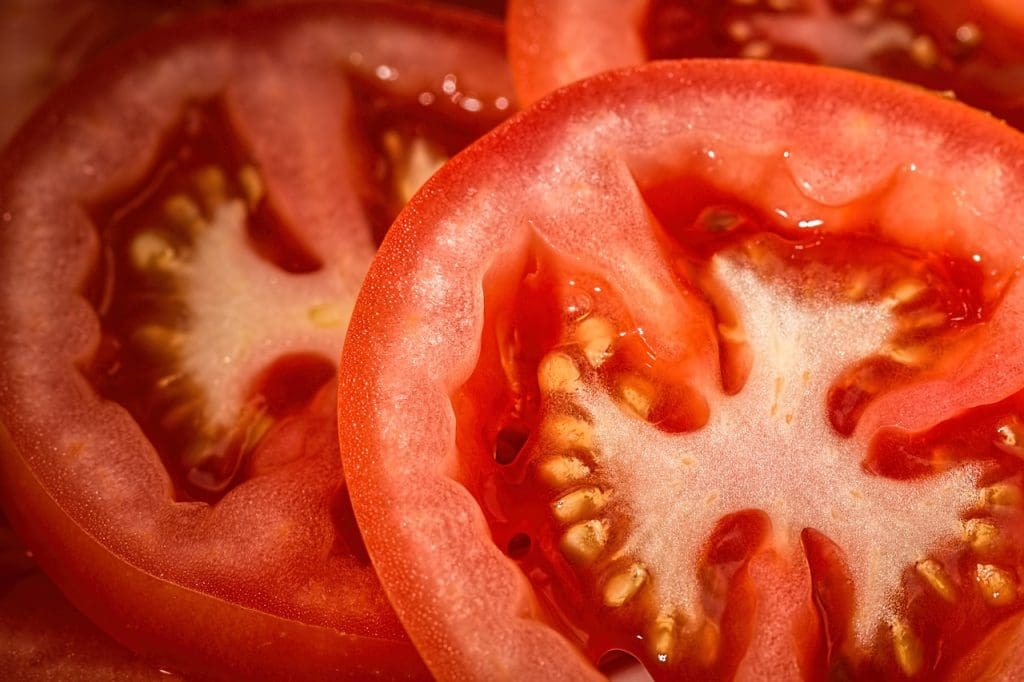
Carotenoids are pigments responsible for the vibrant colors of fruits and vegetables. They also serve as antioxidants in our body. Examples of carotenoid-rich foods include carrots, sweet potatoes, tomatoes, apricots, and leafy greens. Beta-carotene, lutein, and lycopene are some of the well-known carotenoids.
Resveratrol
Resveratrol is a plant compound found primarily in red grapes and red wine. It has gained attention for its antioxidant and anti-inflammatory properties and its potential benefits for heart health. While moderation is key when it comes to alcohol consumption, enjoying a glass of red wine occasionally can provide you with a dose of resveratrol.
Antioxidant Supplements
While getting your antioxidants from whole foods should be the priority, certain situations may call for antioxidant supplements. Here’s what you need to know about them:
Pros and Cons
Supplements can serve as a convenient way to increase your antioxidant intake, especially if you have limited access to fresh fruits and vegetables. They can also be helpful for individuals with specific nutritional deficiencies. However, it is important to note that supplements should not be relied upon as a substitute for a balanced diet. Whole foods provide a variety of nutrients and plant compounds that work synergistically and are more beneficial than isolated antioxidants.
Choosing the Right Supplement
When choosing an antioxidant supplement, it’s essential to opt for high-quality products from reputable brands. Look for supplements that have been independently tested for purity, potency, and quality. Additionally, consult with a healthcare professional or a registered dietitian before starting any new supplements to ensure they are suitable for your individual needs.
Dosage Guidelines
Dosage guidelines for antioxidant supplements vary depending on the specific type of antioxidant and the formulation of the supplement. It is crucial to follow the recommended dosage instructions provided by the manufacturer or as advised by a healthcare professional. Remember that more is not always better, and excessive intake of certain antioxidants can have negative effects. Stick to the specified dosages to maximize the benefits and minimize the risks.
Incorporating Antioxidants into your Diet
To maximize your antioxidant intake, it’s essential to make conscious choices when planning your meals and snacks. Here are some tips to help you incorporate more antioxidants into your diet:
Eat a Rainbow of Fruits and Vegetables
Different fruits and vegetables contain different antioxidants, so aim to eat a variety of colorful produce. Include berries, leafy greens, cruciferous vegetables, citrus fruits, and other colorful options in your diet. Experiment with different recipes to make your meals visually appealing and nutritionally rich.
Add Nuts and Seeds to your Snacks
Nuts and seeds are not only a rich source of healthy fats but also provide a good amount of antioxidants. Add a handful of almonds, walnuts, or pumpkin seeds to your yogurt, smoothies, or salads for a delightful crunch and an antioxidant boost.
Use Herbs and Spices in Cooking
Herbs and spices not only enhance the flavor of your dishes but also contain antioxidants. Incorporate ginger, turmeric, cinnamon, oregano, and other spices into your cooking to not only enjoy a burst of flavor but also a variety of healthful antioxidants.
Enjoy Dark Chocolate in Moderation
Indulging in a small piece of dark chocolate can satisfy your sweet tooth and provide you with a dose of antioxidants. Opt for dark chocolate with a high cocoa content, preferably above 70%, to maximize the antioxidant benefits. Remember to enjoy it in moderation as part of a balanced diet.
Drink Green Tea Regularly
Green tea has been consumed for centuries for its numerous health benefits, primarily due to its high antioxidant concentration. Try to include a few cups of green tea in your daily routine to enjoy the antioxidant power and hydrate your body.
Antioxidant-Rich Recipes
The following recipes are not only delicious but also packed with antioxidants, allowing you to enjoy a nutritious and flavorful meal while reaping the benefits of antioxidants:
Berry Smoothie
Ingredients:
- 1 cup mixed berries (blueberries, strawberries, raspberries)
- 1 ripe banana
- 1 cup spinach
- 1 tablespoon chia seeds
- 1 cup almond milk (or any plant-based milk)
- Optional: 1 tablespoon honey or maple syrup for sweetness
Instructions:
- Place all the ingredients in a blender and blend until smooth and creamy.
- Add more almond milk if needed to achieve your desired consistency.
- Taste and adjust the sweetness if desired by adding honey or maple syrup.
- Pour into a glass and enjoy this antioxidant-packed smoothie!
Roasted Vegetable Medley
Ingredients:
- 1 cup cherry tomatoes, halved
- 1 bell pepper, sliced
- 1 zucchini, sliced
- 1 red onion, sliced
- 2 cloves garlic, minced
- 2 tablespoons olive oil
- Salt and pepper to taste
- Optional: Fresh herbs like rosemary or thyme for added flavor
Instructions:
- Preheat the oven to 400°F (200°C).
- In a baking dish, combine the cherry tomatoes, bell pepper, zucchini, red onion, and garlic.
- Drizzle with olive oil and season with salt, pepper, and your preferred herbs, if desired.
- Toss everything together to coat the vegetables evenly with the oil and seasoning.
- Roast in the oven for about 25-30 minutes or until the vegetables are tender and slightly caramelized.
- Remove from the oven and serve this antioxidant-rich roasted vegetable medley as a side dish or toss it with cooked quinoa for a complete meal.
Quinoa Salad with Avocado and Citrus Dressing
Ingredients:
- 1 cup cooked quinoa
- 1 ripe avocado, diced
- 1 cup mixed greens (spinach, arugula, or any leafy greens)
- 1 orange, segmented
- 1 grapefruit, segmented
- 1/4 cup chopped fresh herbs (e.g., cilantro, mint, parsley)
- For the citrus dressing:
- Juice of 1 lemon
- Juice of 1 lime
- 2 tablespoons extra virgin olive oil
- Salt and pepper to taste
Instructions:
- In a serving bowl, combine the cooked quinoa, diced avocado, mixed greens, orange segments, grapefruit segments, and chopped fresh herbs.
- In a separate small bowl, whisk together the lemon juice, lime juice, olive oil, salt, and pepper to make the citrus dressing.
- Pour the dressing over the quinoa salad and toss gently to coat all the ingredients.
- Serve this refreshing and antioxidant-rich quinoa salad as a light lunch or a side dish with your favorite protein.
Tips to Maximize Antioxidant Absorption
To get the most out of the antioxidants you consume, keep these tips in mind:
Combine Antioxidant-rich Foods
Some antioxidants work together synergistically, enhancing each other’s benefits. For example, vitamin C can increase the absorption of iron from plant-based sources, while the healthy fats in nuts and seeds can improve the absorption of fat-soluble antioxidants like vitamin E. Consider pairing foods and ingredients that complement each other to maximize their antioxidant potential.
Choose Fresh, Whole Foods
While supplements can be convenient, it’s important to prioritize whole foods. Fresh fruits, vegetables, nuts, and seeds provide a complex array of nutrients and antioxidants that are better absorbed and utilized by our bodies compared to isolated compounds found in supplements.
Cook with Healthy Fats
Some antioxidants are fat-soluble, meaning they need fats to be absorbed effectively. When cooking antioxidant-rich foods, use healthy fats like olive oil, avocado oil, or coconut oil. Sautéing or roasting vegetables in a little bit of oil can enhance the absorption of their beneficial antioxidants.
Avoid Overcooking Foods
Overcooking foods can lead to the loss of some antioxidants. To retain as much of the antioxidant content as possible, avoid prolonged cooking times or excessive heat. Opt for gentler cooking methods like steaming or stir-frying to preserve the nutritional value of your meals.
By incorporating antioxidants into your daily routine, you can enhance your overall health, protect against chronic diseases, and slow down the aging process. With a wide variety of antioxidant-rich foods, supplements, and recipes available, it’s easy to make these powerful compounds a part of your lifestyle. Start by adding more fruits, vegetables, nuts, seeds, and spices to your meals and enjoy the numerous health benefits that antioxidants provide.