
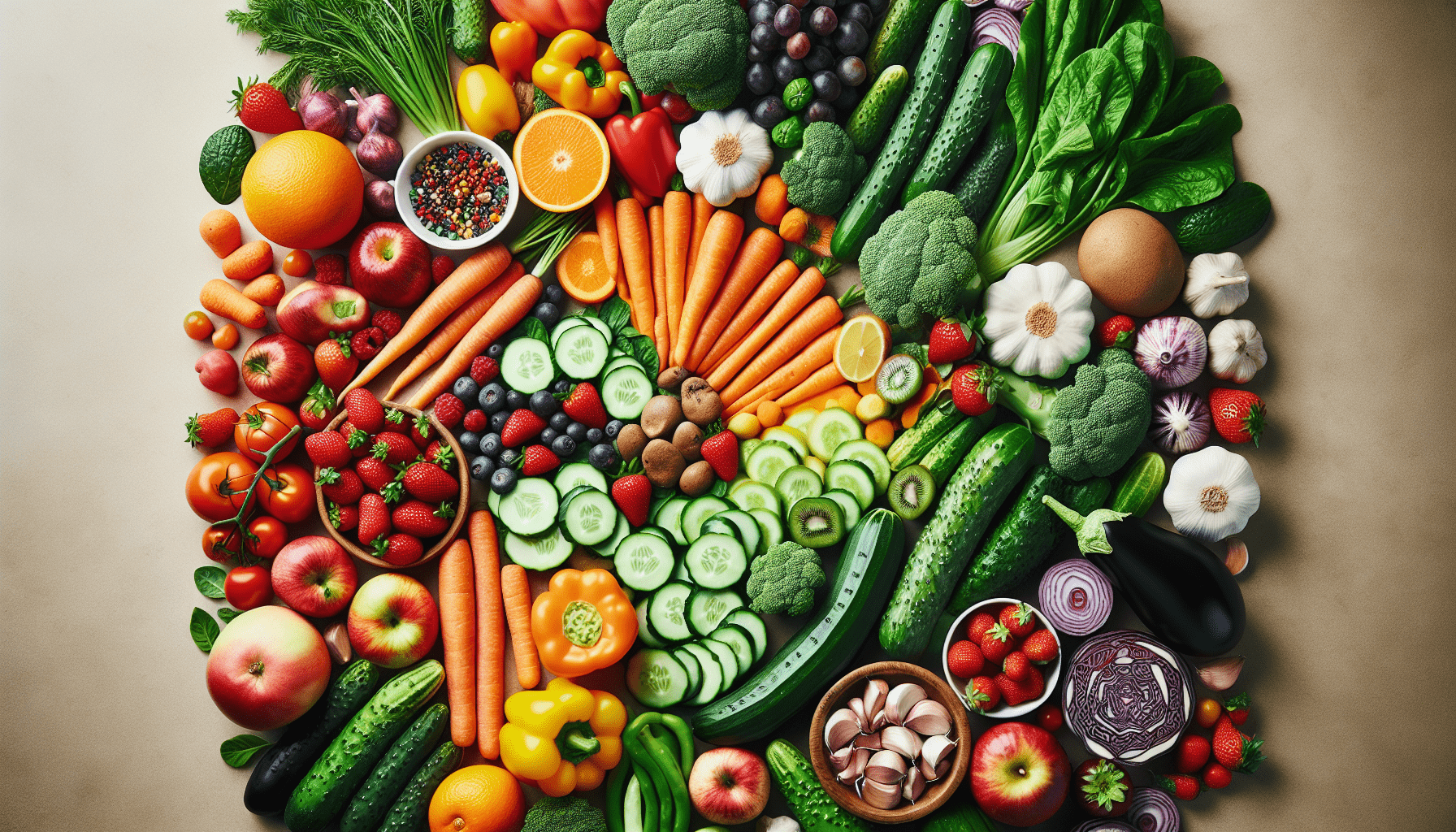
Are you seeking a comprehensive guide to help improve your overall health and well-being? Look no further! “A Complete Guide to Nutrition for Women’s Health” is here to provide you with valuable insights and tips on how to optimize your nutrition specifically tailored to women’s needs. This engaging article will explore the essential nutrients, balanced meal plans, and practical dietary advice to support your body’s unique requirements. Whether you are a health-conscious woman or simply looking to make positive changes, this guide will equip you with the knowledge and tools you need to prioritize your well-being. So, let’s embark on this journey together and unlock the secrets to a healthier, happier you!
Importance of Proper Nutrition for Women’s Health
Why proper nutrition is crucial for women’s health
Proper nutrition plays a vital role in maintaining overall health and well-being, especially for women. The food you consume provides your body with essential nutrients that are necessary for various bodily functions. From hormone regulation to weight management and overall vitality, the impact of nutrition on women’s health should not be underestimated.
A balanced and nutrient-rich diet is crucial for supporting women’s health throughout different life stages, such as puberty, pregnancy, menopause, and beyond. By providing your body with the right fuel, you can ensure optimal functioning and reduce the risk of various health complications.
The impact of nutrition on hormonal balance
Hormonal balance is crucial for women’s overall health, as hormones play a significant role in regulating various bodily processes. Nutrition plays a key role in maintaining this delicate balance. Certain nutrients, such as omega-3 fatty acids, vitamin D, and B vitamins, have been shown to support hormone regulation.
By including these nutrients in your diet, you can support the production and balance of hormones such as estrogen and progesterone. This can help alleviate menstrual symptoms, regulate the menstrual cycle, and promote overall hormonal health.
Nutrition’s role in maintaining a healthy weight
Maintaining a healthy weight is not just about aesthetic appeal; it is essential for overall health, especially for women. Proper nutrition plays a critical role in weight management. By consuming a balanced diet that includes appropriate portions of the three macronutrients – carbohydrates, proteins, and fats – you can achieve and maintain a healthy weight.
Carbohydrates provide energy, proteins support muscle growth and repair, and fats contribute to hormone production and satiety. By finding the right balance among these macro-nutrients and prioritizing whole foods, you can nourish your body, manage your weight, and enhance your overall well-being.
Essential Nutrients for Women
Macro-nutrients: Carbohydrates, Proteins, and Fats
Macro-nutrients are the building blocks of a healthy and balanced diet. Carbohydrates, proteins, and fats are all essential for women’s health.
Carbohydrates provide energy to fuel daily activities, so it is crucial to choose nutrient-dense sources such as whole grains, fruits, and vegetables. Proteins are essential for growth, repair, and maintenance of tissues, and it is important to include lean sources such as poultry, fish, legumes, and tofu. Healthy fats, like those found in avocados, nuts, and olive oil, are necessary for hormone production and the absorption of fat-soluble vitamins.
Micro-nutrients: Vitamins and Minerals
In addition to macro-nutrients, micro-nutrients – vitamins and minerals – are essential for women’s health. They are involved in various physiological processes and play a key role in supporting overall well-being.
Vitamins such as vitamin C, vitamin D, and B vitamins are crucial for energy production, immune function, and nerve health. Minerals such as calcium, iron, and magnesium are important for bone health, blood production, and muscle function. Including a variety of fruits, vegetables, whole grains, lean proteins, and dairy products in your diet can help ensure you are meeting your micro-nutrient needs.
Special considerations for women’s nutrient needs
Women have specific nutrient needs that vary throughout different stages of life. For example, during pregnancy, the demand for certain nutrients, such as folate and iron, increases significantly to support fetal development. Postmenopausal women may require additional calcium and vitamin D to maintain bone health.
It is important for women to be mindful of their specific nutrient needs and consult healthcare professionals or registered dietitians for guidance on appropriate supplementation and dietary choices.
Balanced and Healthy Eating Habits
Creating a balanced plate with whole foods
Building a balanced plate with whole foods is a key principle of healthy eating for women. Aim to fill half of your plate with a colorful variety of fruits and vegetables, as they provide essential vitamins, minerals, and fiber. Include lean proteins such as chicken, fish, beans, or tofu, and whole grains such as quinoa or brown rice.
By prioritizing whole foods, you can ensure you are getting a wide range of nutrients while avoiding excessive added sugars, unhealthy fats, and processed foods.
Portion control and mindful eating
Portion control is an important aspect of maintaining a healthy weight and preventing overeating. Being mindful of your portion sizes can help you balance your energy intake and expenditure. Consider using smaller plates and bowls to help control portion sizes and pay attention to hunger and fullness cues.
Practicing mindful eating can also help you develop a healthier relationship with food. Slow down, savor your meals, and listen to your body’s hunger and satisfaction signals. By eating mindfully, you can better regulate your food intake and make healthier choices.
Meal planning and prepping tips
Meal planning and prepping can contribute to a healthy and balanced diet. By planning your meals ahead of time, you can ensure you have nutrient-rich options readily available and reduce the temptation to opt for less healthy choices, especially during busy days.
Allocate some time each week to plan your meals, create a shopping list, and prep ingredients and meals in advance. This can save you time and stress while also promoting healthier choices throughout the week.
Healthy Weight Management Strategies
Understanding body mass index (BMI) and its significance
Body mass index (BMI) is a commonly used indicator to assess weight status and overall health. It is calculated by dividing your weight in kilograms by the square of your height in meters. While BMI provides a general guideline, it is important to remember that it does not account for differences in body composition or muscle mass.
Maintaining a healthy weight is not solely based on BMI; it is about finding a balance that works best for your individual needs and overall well-being. It is always helpful to consult with a healthcare professional or registered dietitian who can guide you on your weight management journey.
The role of exercise in weight management
While nutrition plays a crucial role in weight management, physical activity is equally important. Engaging in regular exercise can help promote weight loss or weight maintenance, improve metabolic health, and enhance overall well-being.
A combination of cardiovascular exercises, strength training, and flexibility exercises is recommended for optimal results. Aim for at least 150 minutes of moderate-intensity aerobic activity, or 75 minutes of vigorous-intensity aerobic activity, per week. Additionally, include strength training exercises at least twice a week to maintain muscle mass and support metabolic function.
Tips for maintaining a healthy weight
Maintaining a healthy weight requires a holistic approach that encompasses both nutrition and lifestyle factors. Here are some tips to help you maintain a healthy weight:
- Prioritize whole, nutrient-dense foods.
- Be mindful of portion sizes and practice mindful eating.
- Stay physically active and incorporate regular exercise into your routine.
- Aim for a balanced and sustainable approach, avoiding crash diets or extreme restrictions.
- Get adequate sleep, as sleep deprivation can affect weight management.
- Manage stress levels through healthy coping mechanisms, as stress can affect food choices and contribute to weight gain.
By adopting healthy habits and maintaining a balanced lifestyle, you can achieve and sustain a healthy weight while supporting overall well-being.
Foods to Support Women’s Hormonal Health
The impact of hormones on women’s health
Hormones play a significant role in women’s health, influencing various physiological processes such as menstruation, fertility, mood, and bone health. Imbalances in hormone levels can lead to a variety of health issues, including menstrual irregularities, infertility, and mood disorders.
Proper nutrition can help support hormonal balance and alleviate symptoms associated with hormonal imbalances. By incorporating certain foods into your diet, you can provide your body with the necessary nutrients to promote hormonal health.
Foods that promote hormonal balance
Certain foods have been shown to support hormonal balance in women. Flaxseeds, for example, are rich in lignans, which can help balance estrogen levels. Leafy greens and cruciferous vegetables, such as kale and broccoli, contain compounds that support the detoxification of excess estrogen from the body.
Including sources of omega-3 fatty acids, such as fatty fish like salmon or chia seeds, can help reduce inflammation and support hormone production. Additionally, consuming foods rich in antioxidants, including berries, dark chocolate, and green tea, can help protect against oxidative stress and promote overall hormonal health.
Foods to alleviate PMS symptoms
Premenstrual syndrome (PMS) can cause a range of discomforting symptoms, such as bloating, mood swings, and food cravings. Certain foods can help alleviate these symptoms and support overall well-being during the menstrual cycle.
Incorporating foods rich in calcium, such as dairy products or leafy greens, can help reduce menstrual cramps and mood disturbances. Complex carbohydrates, such as whole grains and legumes, can help stabilize blood sugar levels and reduce cravings for sugary foods. Additionally, consuming foods high in magnesium, such as nuts and seeds, can help reduce bloating and fluid retention.
By including these nutrient-dense foods in your diet, you can support hormonal balance and manage the symptoms associated with PMS more effectively.
Nutrition for Different Life Stages
Nutritional needs during puberty and adolescence
Puberty and adolescence are critical periods for growth and development, and proper nutrition plays a crucial role during these stages. The body experiences rapid changes in hormonal levels, bone development, and brain function.
A balanced diet that includes a variety of foods from all food groups is vital to support overall growth and development. Nutrient-rich foods such as lean proteins, whole grains, fruits, vegetables, and dairy products should be included in the diet. Adequate calcium and vitamin D intake are especially important for strong bones and teeth.
It is also important to emphasize the importance of balanced eating patterns and positive body image during these formative years, promoting a healthy relationship with food and one’s body.
Supporting women’s health during pregnancy and lactation
During pregnancy and lactation, an increased demand for nutrients arises to support fetal development and the production of breast milk. A well-balanced diet that includes a variety of foods from all food groups is essential.
Folate, iron, calcium, and omega-3 fatty acids are particularly important during pregnancy. Folate helps prevent neural tube defects, iron supports proper blood formation, calcium contributes to the development of the baby’s bones, and omega-3 fatty acids support brain and eye development.
It is important to work with healthcare professionals and registered dietitians to ensure adequate nutrient intake and address any specific concerns during this critical stage of a woman’s life.
Nutrition for menopause and beyond
Menopause is a natural part of a woman’s life when hormonal changes occur, and specific nutritional considerations can support overall well-being during this time.
Calcium and vitamin D intake becomes crucial to maintain bone health and prevent osteoporosis. Consuming foods rich in phytoestrogens, such as soy products and flaxseeds, may help alleviate menopausal symptoms. Additionally, staying hydrated and consuming a balanced, nutrient-rich diet can help manage weight and support overall health during this stage.
Working closely with healthcare professionals and registered dietitians can help address individual needs and provide guidance on specific nutritional recommendations to support women as they transition through menopause and beyond.
Preventing and Managing Nutrient Deficiencies
Common nutrient deficiencies in women
Women are more susceptible to certain nutrient deficiencies due to physiological factors, such as menstrual blood loss or pregnancy. Some common nutrient deficiencies in women include iron, calcium, vitamin D, vitamin B12, and folate deficiencies.
Iron deficiency can lead to anemia, causing fatigue, weakness, and impaired immune function. Calcium and vitamin D deficiencies can increase the risk of osteoporosis and bone fractures. Vitamin B12 and folate deficiencies can result in megaloblastic anemia and contribute to neurological abnormalities.
It is crucial for women to monitor their nutrient status and ensure they are consuming a varied and balanced diet to prevent deficiencies.
Signs and symptoms of nutrient deficiencies
Recognizing the signs and symptoms of nutrient deficiencies is essential for women to address and manage their nutritional needs effectively. Some common signs and symptoms of nutrient deficiencies include fatigue, weakness, frequent infections, poor wound healing, hair loss, brittle nails, cognitive difficulties, and mood disturbances.
If you are experiencing any persistent or concerning symptoms, it is important to consult with healthcare professionals or registered dietitians for proper evaluation and guidance.
Strategies to prevent and treat deficiencies
Preventing and treating nutrient deficiencies in women requires a combination of dietary strategies and, if necessary, appropriate supplementation. Here are some strategies to consider:
- Consume a varied and balanced diet that includes nutrient-dense foods from all food groups.
- Incorporate sources of specific nutrients at risk for deficiency, such as iron-rich foods or dairy products for calcium.
- Consider appropriate supplementation under the guidance of healthcare professionals or registered dietitians.
- Pay attention to food and nutrient interactions that may affect absorption, such as consuming vitamin C with iron-rich foods to enhance iron absorption.
- Regularly monitor nutrient levels through blood tests to identify deficiencies and adjust dietary choices or supplementation as needed.
By prioritizing a nutrient-rich diet and taking proactive steps to address deficiencies, women can optimize their health and well-being.
Gut Health and Digestion for Women
The connection between gut health and overall well-being
Gut health plays a crucial role in overall well-being, influencing digestion, nutrient absorption, immune function, and even mental health. A healthy gut is home to a diverse population of beneficial bacteria, collectively known as the gut microbiota.
Eating a balanced and varied diet, rich in fiber and whole foods, can support a healthy gut microbiota by providing the necessary nutrients for these beneficial bacteria to thrive. Stress management, regular physical activity, and adequate sleep also contribute to gut health.
Foods that promote a healthy gut
Certain foods can promote a healthy gut by supporting the growth of beneficial bacteria. Probiotic-rich foods, such as yogurt, kefir, and fermented vegetables, contain live bacteria that can help replenish and diversify the gut microbiota.
Prebiotic-rich foods, such as onions, garlic, bananas, and oats, provide the necessary fibers that nourish and stimulate the growth of beneficial bacteria. Additionally, consuming a diet rich in fruits, vegetables, whole grains, and legumes can provide a wide range of nutrients that support gut health.
Tips for improving digestion
Digestive health is crucial for overall well-being, as it ensures proper nutrient absorption and waste elimination. Here are some tips for improving digestion:
- Eat slowly and chew your food thoroughly to aid digestion.
- Stay hydrated by drinking an adequate amount of water throughout the day.
- Include high-fiber foods, such as fruits, vegetables, and whole grains, in your diet to promote regular bowel movements.
- Opt for lean proteins and healthy fats to support digestion and prevent gastrointestinal discomfort.
- Be mindful of food intolerances or sensitivities and avoid trigger foods.
If you experience persistent digestive issues, such as bloating, constipation, or diarrhea, it is essential to consult with healthcare professionals to identify underlying causes and receive appropriate guidance.
Nutrition and Women’s Bone Health
Understanding the importance of calcium and vitamin D
Bone health is particularly important for women, as they have a higher risk of osteoporosis and fractures compared to men. Calcium and vitamin D play crucial roles in maintaining strong bones.
Calcium is necessary for building and maintaining healthy bones and teeth, along with supporting proper muscle function and nerve transmission. Vitamin D enhances calcium absorption and regulates calcium levels in the blood. It is essential for optimal bone health and preventing bone loss.
Foods that support bone health
To support bone health, it is important to consume foods rich in calcium and vitamin D. Dairy products such as milk, yogurt, and cheese are excellent sources of calcium. However, if you are lactose intolerant or follow a vegan diet, you can opt for calcium-fortified plant-based milk alternatives, tofu, almonds, and leafy greens like kale and broccoli.
Vitamin D can be obtained through sun exposure, but it is also found in fatty fish like salmon and mackerel, and fortified foods such as orange juice and cereals. It may be necessary to discuss with healthcare professionals or registered dietitians to determine if additional supplementation is required to meet vitamin D needs.
Lifestyle factors for maintaining strong bones
In addition to proper nutrition, certain lifestyle factors play a crucial role in maintaining strong bones. Regular weight-bearing exercises, such as walking, jogging, or dancing, help stimulate bone formation and increase bone density.
Avoiding smoking and excess alcohol consumption is also important, as they can negatively impact bone health. Maintaining a healthy weight, managing stress levels, and prioritizing adequate sleep contribute to overall well-being and can indirectly support bone health.
Working closely with healthcare professionals or registered dietitians can help assess your individual bone health needs and provide guidance on appropriate lifestyle choices and dietary recommendations.
Addressing Specific Health Concerns
Nutrition for cardiovascular health
Cardiovascular health is a significant concern for women, as heart disease is the leading cause of death among women worldwide. Proper nutrition plays a crucial role in reducing the risk of cardiovascular diseases.
Consuming a diet rich in fruits, vegetables, whole grains, lean proteins, and healthy fats can help lower cholesterol levels, improve blood pressure control, and maintain a healthy body weight. Limiting the intake of saturated fats, trans fats, sodium, and added sugars is important for heart health.
It is important to work with healthcare professionals or registered dietitians to develop a personalized approach to cardiovascular health, taking into consideration individual risk factors and dietary preferences.
Dietary strategies for managing PCOS
Polycystic ovary syndrome (PCOS) is a hormonal disorder that affects many women of reproductive age. Proper nutrition can help manage symptoms and support overall well-being for women with PCOS.
A low glycemic index (GI) diet, which focuses on consuming foods that have a minimal impact on blood sugar levels, may be beneficial. It involves choosing whole grains, fruits, vegetables, and lean proteins, while limiting processed carbohydrates and added sugars.
Including healthy fats, such as those found in avocados, nuts, and olive oil, can also support hormone regulation and improve insulin sensitivity. Regular physical activity and weight management are other key aspects of managing PCOS.
Working with healthcare professionals, registered dietitians, or nutritionists who specialize in PCOS can provide personalized guidance and support in developing an effective dietary strategy.
Supporting mental health through nutrition
Proper nutrition plays a vital role in supporting mental health and well-being. Certain nutrients have been linked to brain function and mood regulation.
Omega-3 fatty acids, found in fatty fish like salmon and mackerel, have been shown to reduce symptoms of depression and support cognitive function. Antioxidant-rich foods, such as berries and dark chocolate, can help protect against oxidative stress, which is associated with mental health disorders.
Additionally, consuming a balanced diet with adequate protein, whole grains, and a variety of fruits and vegetables provides the necessary nutrients for optimal brain health. It is essential to prioritize overall well-being and seek professional support if you are experiencing persistent or concerning mental health symptoms.
By incorporating these nutritional strategies, you can support your mental health and overall well-being.
In conclusion, proper nutrition is crucial for women’s health and well-being. From supporting hormonal balance to maintaining a healthy weight and managing specific health concerns, the impact of nutrition cannot be underestimated. By prioritizing a balanced and nutrient-rich diet, adopting healthy eating habits, and addressing individual nutritional needs, women can optimize their health and vitality at every stage of life. Remember to consult with healthcare professionals or registered dietitians for personalized guidance and support on your journey toward optimal nutrition and women’s health.