
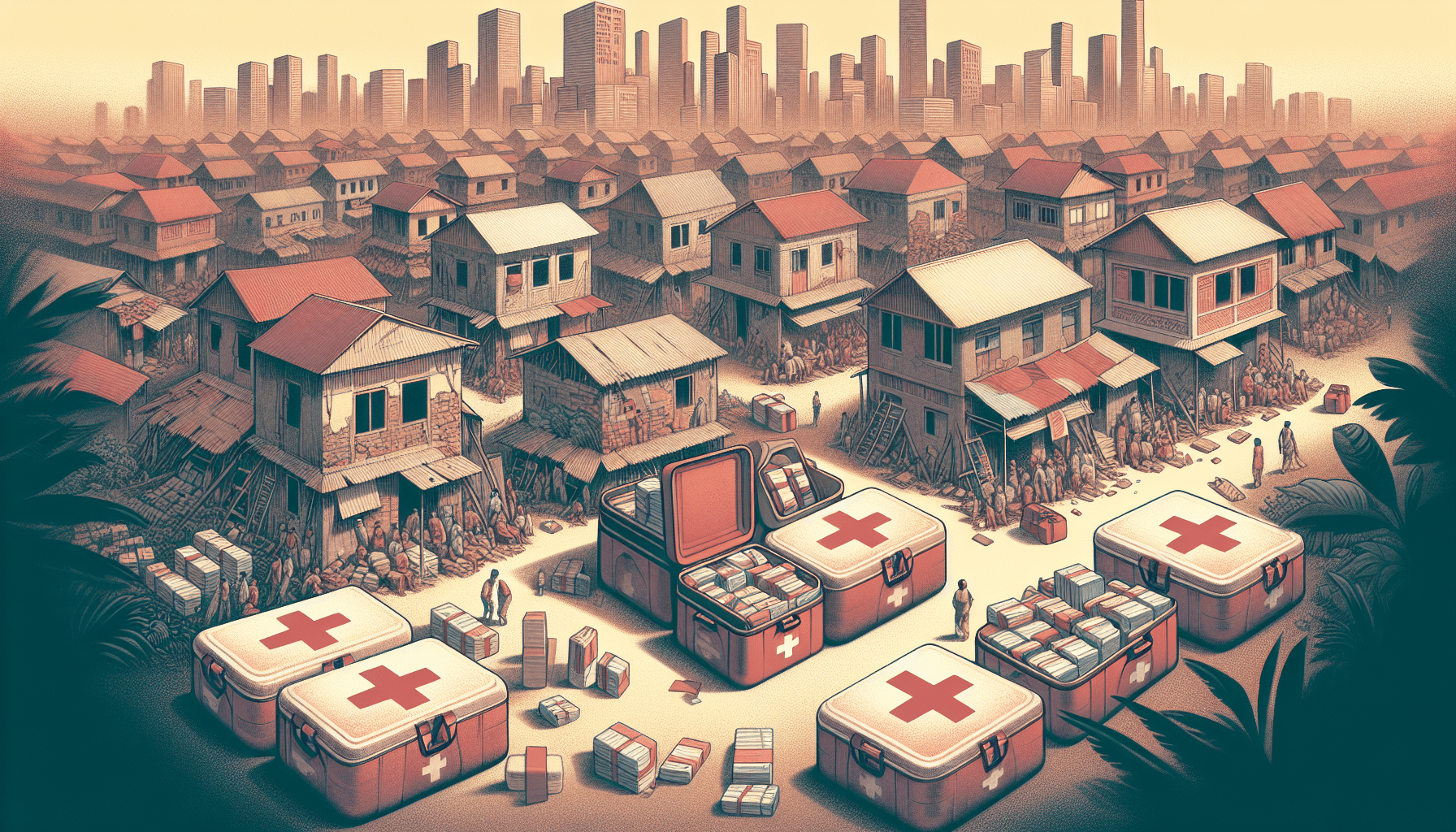
In the realm of disaster preparedness, it is crucial to prioritize the implementation of comprehensive health policies that address the needs of communities. This article highlights the importance of advocating for effective health policies and their role in ensuring the well-being and safety of individuals during times of catastrophe. By exploring the significance of such policies, this piece aims to shed light on the integral role they play in mitigating the effects of disasters and building resilient communities.
Importance of Health Policy in Disaster Preparedness
Protection of public health
Health policy plays a critical role in ensuring the protection of public health in times of disaster. During emergencies, such as natural disasters or pandemics, it is imperative to have policies in place that address the immediate health needs of individuals and communities. These policies help guide public health interventions, including the allocation of resources, delivery of healthcare services, and implementation of preventive measures to minimize the impact of disasters on the population’s well-being.
By having comprehensive health policies that prioritize public health, governments and organizations can effectively identify and respond to the unique health challenges posed by disasters. These policies encompass various aspects, such as emergency preparedness, disaster response, and recovery efforts, all of which contribute to safeguarding the health and safety of individuals in times of crisis.
Effective response and recovery
Health policy plays a vital role in ensuring effective response and recovery in the face of disasters. By having clear policies in place, governments and organizations can establish structured frameworks that outline roles, responsibilities, and protocols for healthcare providers and emergency responders. These policies enable a coordinated and efficient response, ensuring that resources are allocated appropriately and services are provided in a timely manner.
Furthermore, health policies address the long-term recovery needs of affected communities. They outline strategies for rebuilding healthcare infrastructure, addressing mental health needs, and restoring access to essential services. By incorporating these elements into policy frameworks, governments and organizations can effectively guide recovery efforts, promoting the well-being and resilience of communities in the aftermath of disasters.
Prevention and mitigation strategies
An integral aspect of health policy in disaster preparedness is the implementation of prevention and mitigation strategies. While it is impossible to completely eliminate the occurrence of disasters, health policies can focus on minimizing their impact on public health. They outline measures such as early warning systems, community education programs, and infrastructure investments aimed at reducing vulnerability and increasing resilience in the face of disasters.
By incorporating prevention and mitigation strategies into health policies, governments and organizations prioritize proactive approaches to disaster preparedness. These strategies can include measures such as vaccination campaigns, hazard mapping, and implementing building codes that ensure structural resilience. Such policies not only save lives and reduce the burden on healthcare systems but also contribute to long-term sustainability and community well-being.
Challenges in Health Policy Advocacy for Disaster Preparedness
Political considerations
One of the significant challenges in health policy advocacy for disaster preparedness is navigating political considerations. Health policies are often subject to the influence of multiple stakeholders with divergent interests and priorities. Decision-making processes in policy development can be complex, with political factors playing a key role in shaping policy outcomes.
Advocacy for health policy in disaster preparedness requires careful negotiation and alignment of interests among various political actors. It involves building relationships, understanding the political landscape, and effectively communicating the importance of disaster preparedness as a public health priority. Overcoming these political challenges is essential to ensure that health policies adequately address the specific needs and challenges associated with disaster preparedness.
Limited resources
Limited resources pose another significant challenge in health policy advocacy for disaster preparedness. Disasters often strain healthcare systems and require additional resources to adequately respond to the increased demand for healthcare services. However, resource allocation decisions may not always align with the priorities outlined in health policies.
Advocacy efforts need to focus on highlighting the critical role of health policy in optimizing resource allocation for disaster preparedness. This includes advocating for increased funding for preparedness programs, streamlining resource distribution mechanisms, and raising awareness about the long-term cost-effectiveness of investing in disaster preparedness. By effectively advocating for the allocation of resources in line with health policies, stakeholders can work towards ensuring that the necessary tools and infrastructure are in place to mitigate the impact of disasters on public health.
Public awareness and engagement
Lack of public awareness and engagement presents a significant challenge in health policy advocacy for disaster preparedness. It is crucial for individuals and communities to understand the importance of disaster preparedness in protecting their health and well-being. However, public awareness and engagement may be limited due to various factors, such as low literacy levels, cultural barriers, or a lack of trust in government institutions.
Advocacy efforts need to focus on raising public awareness about the relevance of health policies in disaster preparedness. This can be achieved through educational campaigns, community outreach programs, and the use of various communication channels to disseminate information effectively. By engaging the public and empowering individuals to take an active role in disaster preparedness, health policies can achieve greater effectiveness and impact.
Key Stakeholders in Health Policy Advocacy for Disaster Preparedness
Government agencies
Government agencies are key stakeholders in health policy advocacy for disaster preparedness. They play a central role in the development, implementation, and enforcement of health policies that address the unique challenges posed by disasters. These agencies include departments of health, emergency management agencies, and other relevant governmental bodies responsible for public health and safety.
Advocacy efforts need to engage government agencies, highlighting the importance of health policy in disaster preparedness and promoting collaboration across different sectors. By involving these key stakeholders, health policies can be informed by the expertise and resources available within government agencies, leading to more effective and comprehensive disaster preparedness strategies.
Healthcare providers
Healthcare providers are critical stakeholders in health policy advocacy for disaster preparedness. They are on the front lines of responding to health emergencies and play a vital role in implementing policies that prioritize public health. Healthcare providers include hospitals, clinics, public health agencies, and other healthcare professionals involved in emergency response and preparedness.
Advocacy efforts need to actively involve healthcare providers in shaping health policies for disaster preparedness. This can be achieved through partnerships, engaging in policy development processes, and fostering communication channels between healthcare providers and policymakers. By incorporating the perspectives and expertise of healthcare providers, health policies can better address the practical challenges faced on the ground in times of disaster.
Community organizations
Community organizations are essential stakeholders in health policy advocacy for disaster preparedness. They represent the interests and needs of specific communities, especially those that are disproportionately affected by disasters. These organizations play a crucial role in advocating for policies that address the unique challenges faced by vulnerable populations and ensure equitable access to healthcare and support services.
Advocacy efforts need to actively engage community organizations, empowering them to advocate for health policies that prioritize disaster preparedness. This can be achieved through capacity building, providing resources and training, and fostering partnerships between community organizations and other stakeholders. By empowering community organizations, health policies can ensure that the specific needs of all populations are taken into account, contributing to a more inclusive and resilient response to disasters.
Strategies for Effective Health Policy Advocacy in Disaster Preparedness
Research and evidence-based recommendations
A key strategy for effective health policy advocacy in disaster preparedness is to provide research and evidence-based recommendations. Advocacy efforts need to be grounded in robust scientific evidence, demonstrating the effectiveness of specific strategies and interventions in improving disaster preparedness and response outcomes. Research can identify gaps in current policies, evaluate the impact of interventions, and inform policy decisions with data.
Advocacy organizations and stakeholders can collaborate with researchers and academics to generate evidence that supports the development and implementation of targeted health policies. By leveraging research findings, advocates can argue for the adoption of evidence-based strategies, increasing the likelihood of policy acceptance and implementation.
Building strong coalitions and partnerships
Building strong coalitions and partnerships is crucial for effective health policy advocacy in disaster preparedness. Advocacy efforts are more likely to succeed when multiple stakeholders come together, pooling their resources, expertise, and influence. By forming alliances with other organizations, advocates can amplify their messages and increase their impact.
Coalitions and partnerships can include a diverse range of stakeholders, such as healthcare providers, community organizations, academia, government agencies, and international organizations. By fostering dialogue, collaboration, and shared objectives, these alliances can effectively advocate for health policies that prioritize disaster preparedness.
Educating policymakers and the public
Education of policymakers and the public is a vital strategy for effective health policy advocacy in disaster preparedness. Decision-makers need to be well-informed about the value and impact of health policies on public health outcomes in times of disaster. Similarly, the public needs to understand the importance of disaster preparedness in safeguarding their health and well-being.
Advocacy efforts can include providing policymakers with educational materials, organizing workshops and seminars, and engaging in one-on-one discussions to communicate the significance of health policy in disaster preparedness. Similarly, public education campaigns can be conducted to raise awareness and empower individuals to take an active role in disaster preparedness. By educating policymakers and the public, health policy advocates can foster a greater understanding and support for policies that promote the health and resilience of communities in the face of disasters.
The Role of Research in Health Policy Advocacy for Disaster Preparedness
Identifying gaps in current policies
Research plays a crucial role in health policy advocacy for disaster preparedness by identifying gaps in current policies. Through rigorous scientific inquiry, researchers can assess the strengths and weaknesses of existing policies, pinpointing areas that require improvement or modification.
By highlighting these gaps, advocates can make evidence-based arguments for policy changes. This can include advocating for the integration of new approaches, updating outdated policies, or addressing specific issues that may have been overlooked in the current policy framework. Research helps ensure that health policies are continuously evaluated and adapted to the evolving needs and challenges of disaster preparedness.
Demonstrating the effectiveness of specific interventions
Another important role of research in health policy advocacy for disaster preparedness is in demonstrating the effectiveness of specific interventions. By conducting studies and evaluations, researchers can assess the impact of different strategies, interventions, and programs on disaster preparedness outcomes.
Research findings can provide robust evidence to support the adoption of specific interventions in health policies. For example, studies demonstrating the effectiveness of early warning systems or the benefits of investing in healthcare infrastructure in vulnerable communities can inform policy decisions and resource allocation. By showcasing the positive outcomes associated with specific interventions, advocates can make a compelling case for their inclusion in health policies.
Informing policy decisions with data
Research also plays a crucial role in informing policy decisions with data. Through systematic data collection and analysis, researchers can generate evidence that guides policy development, implementation, and evaluation.
Data can help policymakers understand the magnitude and nature of public health challenges in disasters, informing the prioritization of resources and the development of targeted policies. For example, data on the prevalence of specific health conditions or the distribution of healthcare services can help policymakers identify areas of vulnerability or gaps in service delivery. By presenting policymakers with reliable data, health policy advocates can support evidence-based decision-making, leading to policies that are better tailored to the specific needs of disaster-affected populations.
Examples of Successful Health Policy Advocacy for Disaster Preparedness
Implementing early warning systems
One successful example of health policy advocacy for disaster preparedness is the implementation of early warning systems. Advocates have championed the development and adoption of robust early warning systems, which provide timely information about potential disasters such as hurricanes, earthquakes, or disease outbreaks.
By advocating for the integration of early warning systems into health policies, advocates can raise awareness about the importance of preparedness and empower communities to take proactive measures to protect their health. Early warning systems help authorities and individuals to plan and respond effectively, saving lives and minimizing the impact of disasters on public health.
Establishing emergency response teams
Health policy advocacy has also been instrumental in establishing emergency response teams. These teams, composed of healthcare professionals and emergency responders, are trained and equipped to provide rapid medical assistance and support during disasters.
By advocating for the inclusion of emergency response teams in health policies, advocates ensure that there are designated personnel and resources available to promptly respond to health emergencies. These teams can provide immediate medical care, coordinate the distribution of essential supplies, and support the overall disaster response effort.
Improving access to healthcare in vulnerable communities
Health policy advocacy has successfully focused on improving access to healthcare in vulnerable communities during disasters. Advocates have highlighted the need for policies that address disparities in healthcare access and ensure that marginalized populations have equal opportunities to receive timely and appropriate healthcare services.
By advocating for policies that prioritize equity in disaster preparedness, advocates can influence resource allocation and service delivery to benefit vulnerable communities. This can include policies that promote the establishment of healthcare facilities in underserved areas, increase the availability of interpreters for non-English speaking populations, or prioritize outreach and education programs targeting specific marginalized groups.
Policy Recommendations for Health Policy Advocacy in Disaster Preparedness
Integrating health equity into disaster plans
A key policy recommendation for health policy advocacy in disaster preparedness is the integration of health equity into disaster plans. Advocates can push for policies that prioritize the needs of vulnerable populations and ensure that they are not disproportionately affected by disasters.
By incorporating health equity considerations into disaster plans, policymakers can allocate resources, develop interventions, and plan response efforts that address the specific challenges faced by disadvantaged communities. This can include targeted outreach programs, culturally appropriate communication strategies, and empowerment initiatives to ensure that all individuals have equal access to life-saving healthcare and support services during disasters.
Increasing funding for preparedness programs
Another important policy recommendation for health policy advocacy in disaster preparedness is the increase in funding for preparedness programs. Advocates can highlight the cost-effectiveness of investing in prevention and preparedness, arguing that allocating resources to these efforts can significantly reduce the burden of disasters on public health and the economy.
By advocating for increased funding, advocates can push for the development and implementation of comprehensive preparedness programs. These programs can include initiatives such as training healthcare providers in disaster response, enhancing surveillance systems, stockpiling essential medical supplies, and conducting community outreach and education activities.
Strengthening coordination between agencies
Policy recommendations for health policy advocacy in disaster preparedness also include strengthening coordination between agencies. Advocates can emphasize the importance of collaboration and information sharing among various governmental bodies, healthcare providers, and community organizations involved in disaster response and preparedness.
By advocating for enhanced coordination, policymakers can ensure a more unified and comprehensive approach to disaster management. This can include the development of joint protocols, the establishment of shared communication systems, and the implementation of collaborative training programs. Strengthening coordination between agencies can lead to more efficient resource allocation, improved response times, and ultimately, better health outcomes for disaster-affected populations.
Measuring the Impact of Health Policy Advocacy in Disaster Preparedness
Monitoring health outcomes during disasters
One way to measure the impact of health policy advocacy in disaster preparedness is through monitoring health outcomes during disasters. By tracking key health indicators such as morbidity, mortality, and disease transmission rates, advocates can evaluate the effectiveness of policies in mitigating the impact of disasters on public health.
Monitoring health outcomes enables advocates to assess the success of policy interventions, identify areas for improvement, and inform future advocacy efforts. For example, if data shows that certain populations are disproportionately affected by disasters, advocates can use this information to advocate for policy changes that address these disparities.
Evaluating the effectiveness of policy interventions
Evaluating the effectiveness of policy interventions is another important way to measure the impact of health policy advocacy in disaster preparedness. By conducting rigorous evaluations, advocates can assess whether policies have achieved their intended outcomes and identify areas where adjustments may be needed.
Evaluating policy interventions can involve various methodologies, such as surveys, interviews, and analysis of program data. This allows advocates to gather evidence on the impact of specific policies, measure changes in outcomes over time, and identify factors that contribute to success or impede progress. By conducting evaluations, advocates can provide stakeholders with the necessary information to make evidence-based decisions and continuously improve policies.
Assessing public satisfaction with preparedness efforts
Assessing public satisfaction with preparedness efforts is a valuable way to measure the impact of health policy advocacy in disaster preparedness. By conducting surveys or focus groups, advocates can gather feedback from the public about their perceptions and experiences during and after disasters.
Assessing public satisfaction can provide insights into the effectiveness of policies in meeting the needs and expectations of the affected population. It can also help identify areas where improvements can be made in communication, service delivery, or resource allocation. By incorporating public feedback into advocacy efforts, health policies can be better tailored to address the specific concerns and priorities of disaster-affected communities.
Future Directions in Health Policy Advocacy for Disaster Preparedness
Addressing the impacts of climate change
One future direction in health policy advocacy for disaster preparedness is addressing the impacts of climate change. As climate change accelerates the frequency and severity of natural disasters, advocates need to push for policies that prioritize climate resilience and adaptation.
Advocacy efforts can focus on raising awareness about the links between climate change and public health, emphasizing the need for policies that integrate climate considerations into disaster preparedness and response strategies. This can include advocating for sustainability measures, promoting renewable energy sources, and encouraging policies that reduce greenhouse gas emissions. By addressing the impacts of climate change, health policy advocates can contribute to building resilient communities that are better equipped to withstand and respond to disasters.
Leveraging technology for disaster response
Another future direction in health policy advocacy for disaster preparedness is leveraging technology for disaster response. Advances in technology, such as telemedicine, mobile applications, and data analytics, offer new opportunities to improve the efficiency and effectiveness of health interventions during disasters.
Advocacy efforts can focus on promoting the adoption of technological solutions in health policies, ensuring that they are accessible, inclusive, and user-friendly. This can include advocating for the integration of telemedicine services in disaster response plans, the development of mobile applications for emergency communication and information sharing, and the use of data analytics to inform resource allocation and decision-making. By leveraging technology, health policies can maximize the impact of interventions and enhance the overall response to disasters.
Promoting international collaboration
Promoting international collaboration is another future direction in health policy advocacy for disaster preparedness. Disasters often transcend national borders, requiring coordinated responses and shared resources. Advocates can work towards building partnerships and networks across countries, fostering collaboration in disaster preparedness and response efforts.
International collaboration can involve sharing best practices, exchanging knowledge and expertise, and supporting capacity-building initiatives in disaster-prone communities. Advocacy efforts can focus on advocating for policies that promote cooperation, such as the establishment of international frameworks for information sharing, joint research projects, and resource-sharing agreements. By promoting international collaboration, health policy advocates can contribute to a more unified and effective global response to disasters.
Conclusion
Health policy advocacy plays a crucial role in disaster preparedness by protecting public health, facilitating effective response and recovery, and promoting prevention and mitigation strategies. However, it is not without its challenges. Political considerations, limited resources, and public awareness and engagement are some of the obstacles that advocates face. By engaging key stakeholders, such as government agencies, healthcare providers, and community organizations, and adopting strategies such as research-based recommendations, building coalitions, and educating policymakers and the public, effective health policy advocacy can be achieved.
The role of research is essential in health policy advocacy, as it helps identify gaps in current policies, demonstrates the effectiveness of specific interventions, and informs policy decisions with data. Successful examples of health policy advocacy include the implementation of early warning systems, establishment of emergency response teams, and improvement of access to healthcare in vulnerable communities. Policy recommendations for health policy advocacy in disaster preparedness include integrating health equity into disaster plans, increasing funding for preparedness programs, and strengthening coordination between agencies.
Measuring the impact of health policy advocacy can be done by monitoring health outcomes during disasters, evaluating the effectiveness of policy interventions, and assessing public satisfaction with preparedness efforts. Looking ahead, it is important to address the impacts of climate change, leverage technology for disaster response, and promote international collaboration in health policy advocacy for disaster preparedness.
Overall, health policy advocacy is instrumental in safeguarding public health in times of disaster. By working together, engaging stakeholders, and advocating for evidence-based policies, we can build more resilient communities and better protect the well-being of individuals and populations in the face of disasters.