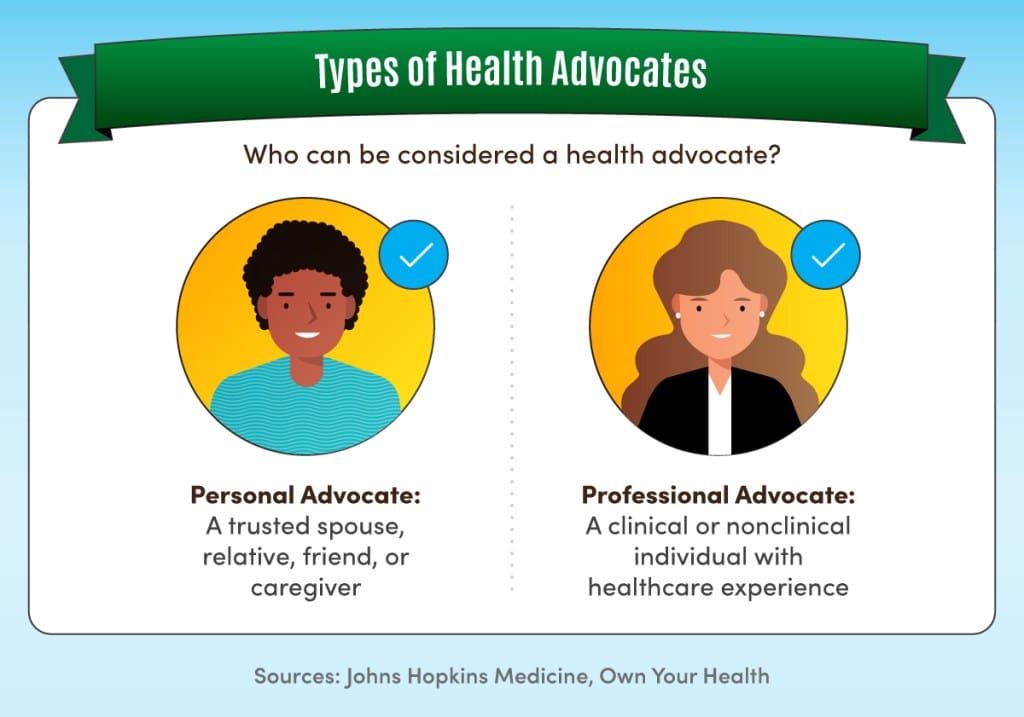
Welcome to the world of healthcare advocacy, where your voice matters in shaping policies that directly impact aging population and long-term care services. By advocating for healthcare policies that prioritize the needs of elderly individuals and promote access to quality long-term care, you can make a valuable contribution to improving the overall well-being of our aging population. Join the movement towards ensuring that our healthcare system is equipped to meet the challenges posed by an increasingly aging society. Your advocacy can make a difference in ensuring that the unique needs of older adults are met with compassion and respect. Let’s work together to create a healthcare system that truly cares for our seniors. Have you ever wondered about the current healthcare policies in place to address aging and long-term care issues? If you are someone who is concerned about the well-being of our elderly population and individuals in need of long-term care, this article is for you. Today, we will delve into the importance of advocating for healthcare policy changes to better address the needs of aging individuals and those requiring long-term care.

Understanding Aging and Long-Term Care
Aging is a natural part of life, and as individuals grow older, they may require assistance with daily activities such as bathing, dressing, and managing medications. Long-term care encompasses a range of services and support for individuals who need help performing these tasks due to illness, disability, or cognitive impairment.
In the United States, the aging population is steadily increasing, with the number of individuals aged 65 and older projected to reach over 95 million by 2060. As a result, the need for long-term care services is also expected to rise significantly.
The Importance of Advocating for Policy Changes
Advocating for healthcare policy changes to address aging and long-term care is crucial for ensuring that individuals receive the support and services they need to live fulfilling lives. By raising awareness and advocating for policy reforms, we can help improve the quality of care for our aging population and those in need of long-term support.
How Policy Changes Can Impact Aging and Long-Term Care
Policy changes can have a significant impact on the availability, affordability, and quality of long-term care services. By advocating for reforms in healthcare policy, we can work towards:
- Increasing access to long-term care services for individuals in need
- Improving the quality of care provided to aging individuals
- Enhancing the training and support for caregivers
- Addressing disparities in care based on income, race, or geographic location
Advocacy Efforts in Action
Advocacy efforts play a crucial role in driving policy changes to address aging and long-term care needs. By working together to raise awareness, advocate for reforms, and support legislation that benefits aging individuals and those in need of long-term care, we can make a real difference in the lives of many.

Challenges in Healthcare Policy
While advocating for policy changes is important, there are several challenges that need to be addressed in the realm of healthcare policy to effectively meet the needs of aging individuals and those in need of long-term care.
Funding Constraints
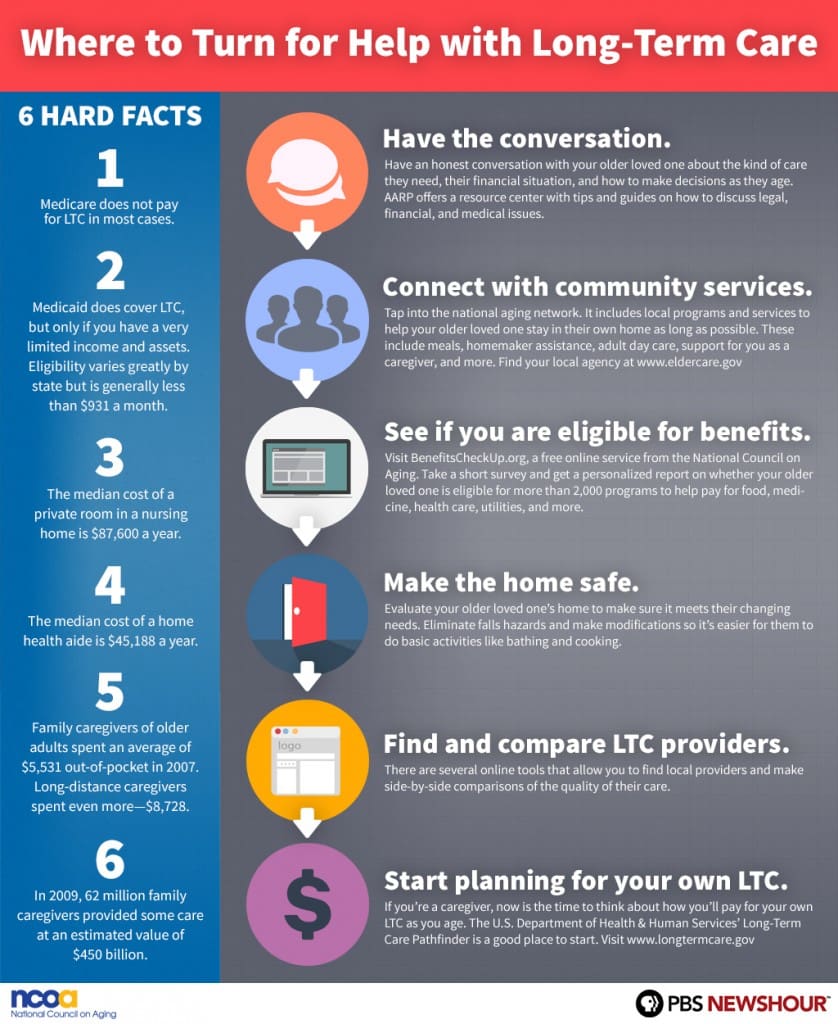
One of the primary challenges in healthcare policy is securing adequate funding to support long-term care services. As the demand for these services continues to rise, it is essential to allocate sufficient resources to ensure that individuals receive the care and support they need.
Fragmentation of Services
Another challenge is the fragmentation of long-term care services, which can lead to disjointed care and gaps in service delivery. By advocating for greater coordination and integration of services, we can help improve the overall experience for individuals in need of long-term care.
Workforce Shortages
A critical challenge in healthcare policy is the shortage of healthcare workers, particularly in the long-term care sector. By advocating for increased support and training for caregivers, we can address the workforce shortages and ensure that individuals receive the quality care they deserve.
Strategies for Effective Advocacy
Advocating for healthcare policy changes to address aging and long-term care requires coordination, dedication, and strategic planning. By implementing the following strategies, you can become a more effective advocate for positive change in the healthcare system.
Build Relationships with Policymakers
One of the most effective ways to advocate for healthcare policy changes is to build relationships with policymakers at the local, state, and national levels. By engaging with elected officials, sharing your personal experiences, and highlighting the need for reform, you can influence policy decisions that impact aging individuals and those in need of long-term care.
Collaborate with Advocacy Organizations
Collaborating with advocacy organizations that focus on aging and long-term care issues can amplify your advocacy efforts and provide you with additional resources and support. By joining forces with like-minded individuals and organizations, you can work together to effect positive change in healthcare policy.
Raise Awareness Through Education and Outreach
Raising awareness about the importance of addressing aging and long-term care issues is key to generating support for policy changes. By engaging in education and outreach activities, such as hosting community events, writing articles, and utilizing social media, you can help educate the public and mobilize support for healthcare reform.
Utilize Data and Evidence-Based Research
Utilizing data and evidence-based research to support your advocacy efforts can strengthen your arguments and demonstrate the need for policy changes. By citing research studies, statistics, and reports that highlight the challenges facing aging individuals and those in need of long-term care, you can make a compelling case for reform.

Conclusion
Advocating for healthcare policy changes to address aging and long-term care is a critical endeavor that requires dedication, collaboration, and strategic planning. By raising awareness, building relationships with policymakers, and utilizing data and evidence-based research, you can become a more effective advocate for positive change in the healthcare system.
Together, we can work towards creating a healthcare system that provides high-quality, affordable, and accessible care for aging individuals and those in need of long-term support. By advocating for policy changes and driving reforms, we can ensure that everyone receives the care and support they need to live healthy and fulfilling lives.