Welcome to a comprehensive guide on how to manage and prevent chronic diseases through simple lifestyle changes. By making small adjustments to your daily habits like eating a balanced diet, exercising regularly, getting enough sleep, and reducing stress, you can greatly improve your overall health and reduce the risk of developing chronic illnesses such as heart disease, diabetes, and hypertension. It’s all about taking control of your health and making choices that will benefit you in the long run. Let’s dive in and discover how you can start living a healthier and happier life today.
Have you ever wondered how you can take control of your health and prevent chronic diseases through simple lifestyle changes? The good news is that small adjustments to your daily routines can make a big impact on your overall well-being. In this article, we will delve into the various ways in which you can manage and prevent chronic diseases through lifestyle modifications. From diet and exercise to stress management and sleep hygiene, we will cover it all. So grab a cup of tea, get cozy, and let’s dive in!
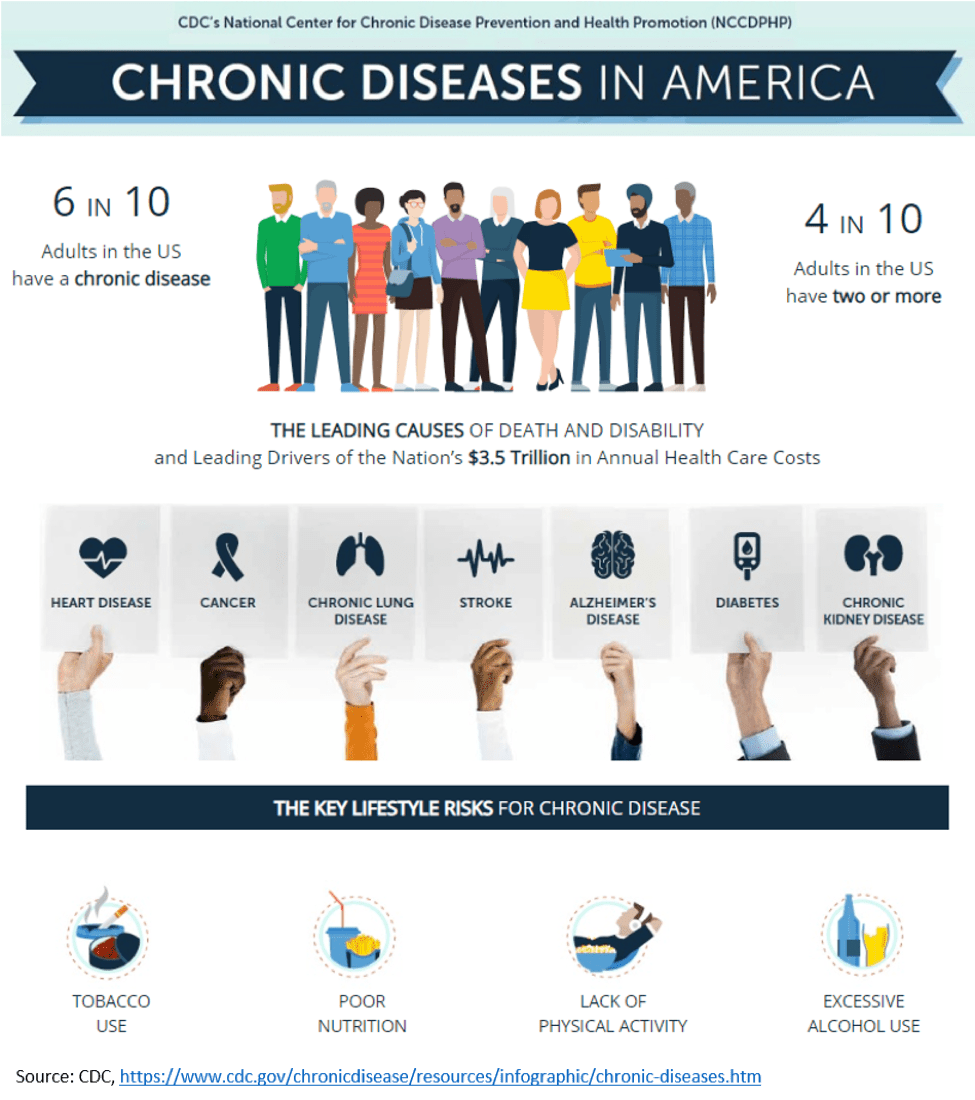
The Impact of Chronic Diseases on Your Health
Chronic diseases, such as heart disease, diabetes, cancer, and hypertension, are persistent conditions that require ongoing medical attention and management. These diseases can significantly impact your quality of life, leading to disabilities, reduced productivity, and even premature death. However, the good news is that many chronic diseases are preventable through healthy lifestyle choices.
Let’s explore how you can manage and prevent chronic diseases through small but impactful changes in your daily routine.
Understanding the Role of Diet in Chronic Disease Prevention
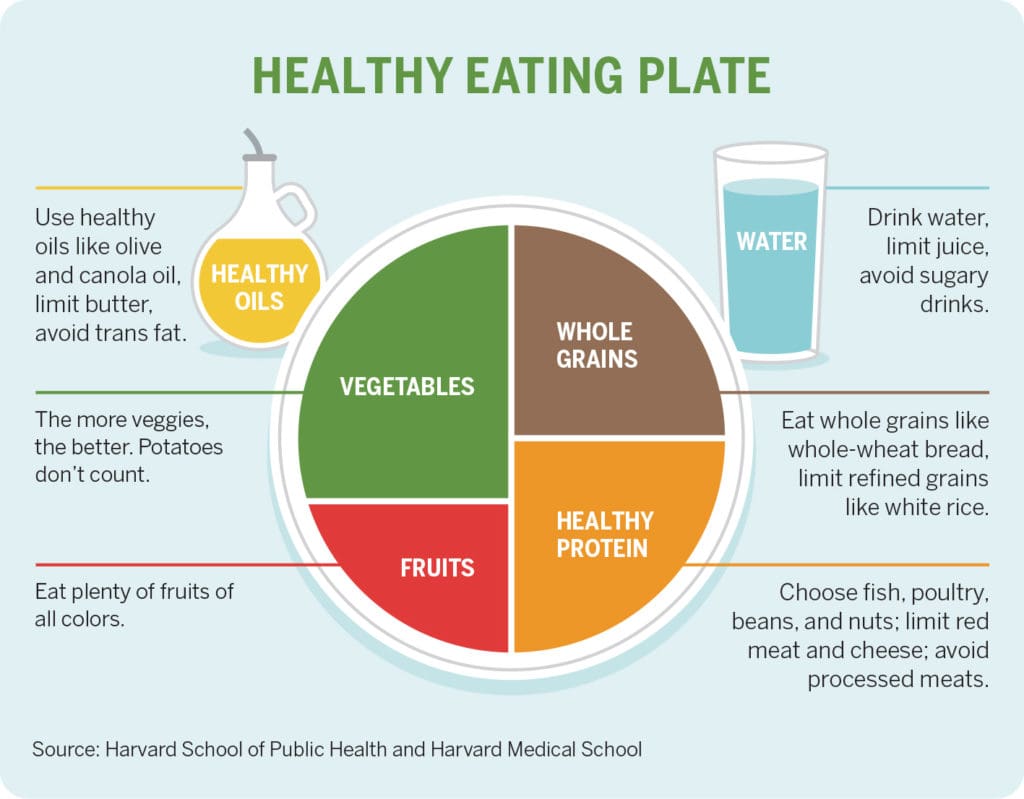
The foods you eat play a crucial role in your overall health and well-being. A diet rich in fruits, vegetables, whole grains, lean proteins, and healthy fats can help reduce the risk of chronic diseases. On the other hand, a diet high in processed foods, sugar, and unhealthy fats can increase your risk of developing various health conditions.
By making simple changes to your diet, such as increasing your intake of fruits and vegetables, reducing your sugar consumption, and choosing whole grains over refined grains, you can significantly improve your overall health and reduce your risk of chronic diseases.
Small Changes, Big Impact: Tips for a Healthier Diet
Making changes to your diet doesn’t have to be complicated or overwhelming. Small adjustments can lead to significant improvements in your health over time. Here are some simple tips for a healthier diet:
| Tip | Description |
|---|---|
| 1. Fill Half Your Plate with Veggies | Fill at least half of your plate with colorful vegetables to increase your intake of vitamins, minerals, and antioxidants. |
| 2. Choose Whole Foods over Processed Foods | Opt for whole foods, such as fruits, vegetables, whole grains, and lean proteins, over processed foods that are high in sugar, unhealthy fats, and additives. |
| 3. Limit Sugary Drinks and Snacks | Cut back on sugary drinks and snacks, such as soda, candy, and baked goods, which can contribute to weight gain and increase your risk of developing chronic diseases. |
| 4. Cook at Home More Often | Cooking at home allows you to control the ingredients in your meals and avoid the hidden sugars, unhealthy fats, and excess sodium often found in restaurant and takeout foods. |
| 5. Stay Hydrated | Drink plenty of water throughout the day to stay hydrated, support digestion, and help your body function optimally. |
By incorporating these simple tips into your daily routine, you can make gradual but meaningful changes to your diet and reduce your risk of developing chronic diseases.
The Importance of Regular Physical Activity for Disease Prevention
In addition to a healthy diet, regular physical activity is crucial for managing and preventing chronic diseases. Exercise helps to improve cardiovascular health, maintain a healthy weight, reduce stress, and boost your overall mood and energy levels. Incorporating regular exercise into your routine can have a significant impact on your long-term health and well-being.
Finding Joy in Movement: Tips for Staying Active
Staying active doesn’t have to mean spending hours at the gym or running marathons. Finding activities that you enjoy and can easily incorporate into your daily routine is the key to staying active and reaping the benefits of regular exercise. Here are some tips for staying active and making exercise a fun and sustainable part of your lifestyle:
| Tip | Description |
|---|---|
| 1. Find an Exercise You Enjoy | Whether it’s dancing, hiking, swimming, or practicing yoga, find an exercise that brings you joy and makes you look forward to moving your body. |
| 2. Schedule Regular Workouts | Block out time in your schedule for exercise, just like you would for any other important appointment. Consistency is key to building a regular exercise routine. |
| 3. Get Moving Throughout the Day | Look for opportunities to incorporate movement into your daily activities, such as taking the stairs instead of the elevator, walking or biking to work, or doing a quick workout during your lunch break. |
| 4. Set Realistic Goals | Start small and gradually increase the intensity and duration of your workouts. Setting realistic goals can help you stay motivated and track your progress over time. |
| 5. Stay Accountable | Find a workout buddy, join a fitness class, or use a fitness app to help you stay accountable and motivated to exercise regularly. |
By finding joy in movement, staying consistent with your workouts, and setting realistic goals, you can make physical activity an enjoyable and sustainable part of your everyday life.
The Role of Stress Management in Preventing Chronic Diseases
Chronic stress has been linked to a variety of health conditions, including heart disease, hypertension, obesity, and diabetes. Learning how to effectively manage stress can help reduce your risk of developing these chronic diseases and improve your overall well-being. By incorporating stress management techniques into your daily routine, you can support your mental and physical health.
Mindfulness and Meditation: Tools for Stress Reduction
Mindfulness practices, such as meditation, deep breathing exercises, and yoga, can help calm your mind, reduce stress levels, and improve your overall sense of well-being. By taking time each day to engage in mindfulness activities, you can cultivate a sense of inner peace and resilience that will benefit you in the long run.
Simple Stress Reduction Techniques to Try Today
If you’re looking for ways to reduce stress and improve your overall well-being, here are some simple techniques to try today:
| Technique | Description |
|---|---|
| 1. Deep Breathing Exercises | Practice deep breathing exercises to calm your nervous system, reduce tension, and promote relaxation. |
| 2. Progressive Muscle Relaxation | Tense and release each muscle group in your body to help you relax, release pent-up tension, and reduce stress. |
| 3. Mindfulness Meditation | Set aside time each day to practice mindfulness meditation, focusing on your breath and cultivating a sense of awareness and presence. |
| 4. Gratitude Journaling | Keep a gratitude journal to write down the things you’re grateful for each day, shifting your focus from stress to positive experiences. |
| 5. Engage in Creative Activities | Engaging in creative activities, such as painting, writing, or playing music, can help you relax, express yourself, and reduce stress levels. |
Incorporating these stress reduction techniques into your daily routine can help you manage stress, improve your mental health, and reduce your risk of developing chronic diseases.
The Importance of Quality Sleep for Health and Disease Prevention
Quality sleep is essential for your overall health and well-being. Poor sleep habits can negatively impact your mental and physical health, leading to increased stress, weight gain, cognitive impairment, and a higher risk of developing chronic diseases. By prioritizing sleep and practicing good sleep hygiene, you can improve your sleep quality and reduce your risk of health conditions.
Tips for Better Sleep Hygiene
If you’re struggling to get a good night’s sleep, here are some tips for improving your sleep hygiene and promoting better sleep quality:
| Tip | Description |
|---|---|
| 1. Stick to a Consistent Sleep Schedule | Go to bed and wake up at the same time every day, even on weekends, to regulate your sleep-wake cycle and improve sleep quality. |
| 2. Create a Relaxing Bedtime Routine | Establish a calming bedtime routine, such as taking a warm bath, reading a book, or practicing relaxation techniques, to signal to your body that it’s time to sleep. |
| 3. Make Your Bedroom a Sanctuary for Sleep | Create a cool, dark, and quiet sleep environment that is conducive to relaxation and promotes restful sleep. |
| 4. Limit Screen Time Before Bed | Avoid using electronic devices, such as smartphones, tablets, and computers, before bedtime, as the blue light emitted can disrupt your sleep patterns. |
| 5. Practice Stress-Relieving Techniques | Engage in stress-relieving activities, such as meditation, deep breathing exercises, or gentle yoga, before bed to calm your mind and promote relaxation. |
By incorporating these sleep hygiene tips into your daily routine and prioritizing quality sleep, you can improve your overall health, boost your immune system, and reduce your risk of chronic diseases.
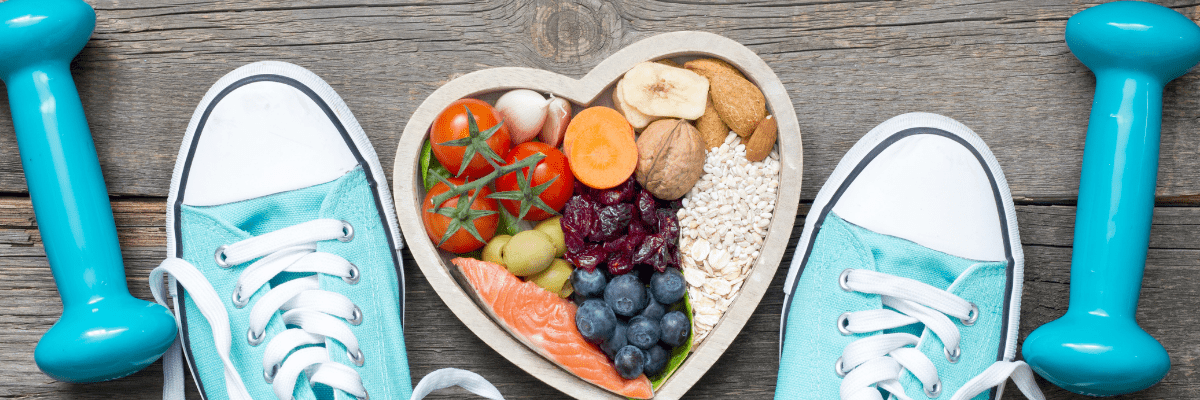
Conclusion: Taking Control of Your Health Through Lifestyle Changes
Managing and preventing chronic diseases is within your reach. By making simple but impactful changes to your diet, exercise routine, stress management practices, and sleep hygiene, you can take control of your health and reduce your risk of developing various health conditions.
Remember, small changes can lead to big results over time. Start by incorporating one or two healthy habits into your daily routine and gradually build on them as you progress on your health journey. With dedication, patience, and a commitment to your well-being, you can manage and prevent chronic diseases through lifestyle changes and enjoy a happier, healthier life.
Now, it’s time to take the first step towards a healthier you. You’ve got this!