
Welcome to our article on the top ways to prevent and manage high cholesterol. In today’s fast-paced world, it’s important to take care of your heart health and make smart choices to lower your cholesterol levels. From making dietary changes to staying physically active, we will discuss effective ways to keep your cholesterol in check and lead a healthier lifestyle. Stay tuned for valuable tips and advice on how to protect your heart and overall well-being. Have you ever wondered how you can prevent and manage high cholesterol levels in your body? High cholesterol can lead to serious health issues such as heart disease and stroke, so it is crucial to take steps to keep your levels in check. In this article, we will explore the top ways to prevent and manage high cholesterol effectively.

Understanding Cholesterol: What You Need to Know
Before we dive into ways to prevent and manage high cholesterol, let’s first understand what cholesterol is and how it impacts your health. Cholesterol is a waxy, fat-like substance found in your blood. While your body needs some cholesterol to function properly, having too much can lead to health problems.
Bad Cholesterol vs. Good Cholesterol
Cholesterol is divided into two types: low-density lipoprotein (LDL) cholesterol, also known as “bad” cholesterol, and high-density lipoprotein (HDL) cholesterol, known as “good” cholesterol. LDL cholesterol can build up on the walls of your arteries, leading to atherosclerosis, which can increase your risk of heart disease. HDL cholesterol, on the other hand, helps remove LDL cholesterol from your arteries, lowering your risk of heart disease.
Now that you have a better understanding of cholesterol, let’s explore the top ways to prevent and manage high cholesterol effectively.
Diet: The Foundation of Managing High Cholesterol
One of the most critical factors in preventing and managing high cholesterol is your diet. Making healthy food choices can have a significant impact on your cholesterol levels and overall health.
Foods to Avoid
To lower your LDL cholesterol levels, it is essential to avoid foods high in saturated and trans fats. These types of fats can raise your LDL cholesterol levels, increasing your risk of heart disease. Foods to limit or avoid include:
- Fried foods
- Processed meats
- Full-fat dairy products
- Baked goods
Foods to Include
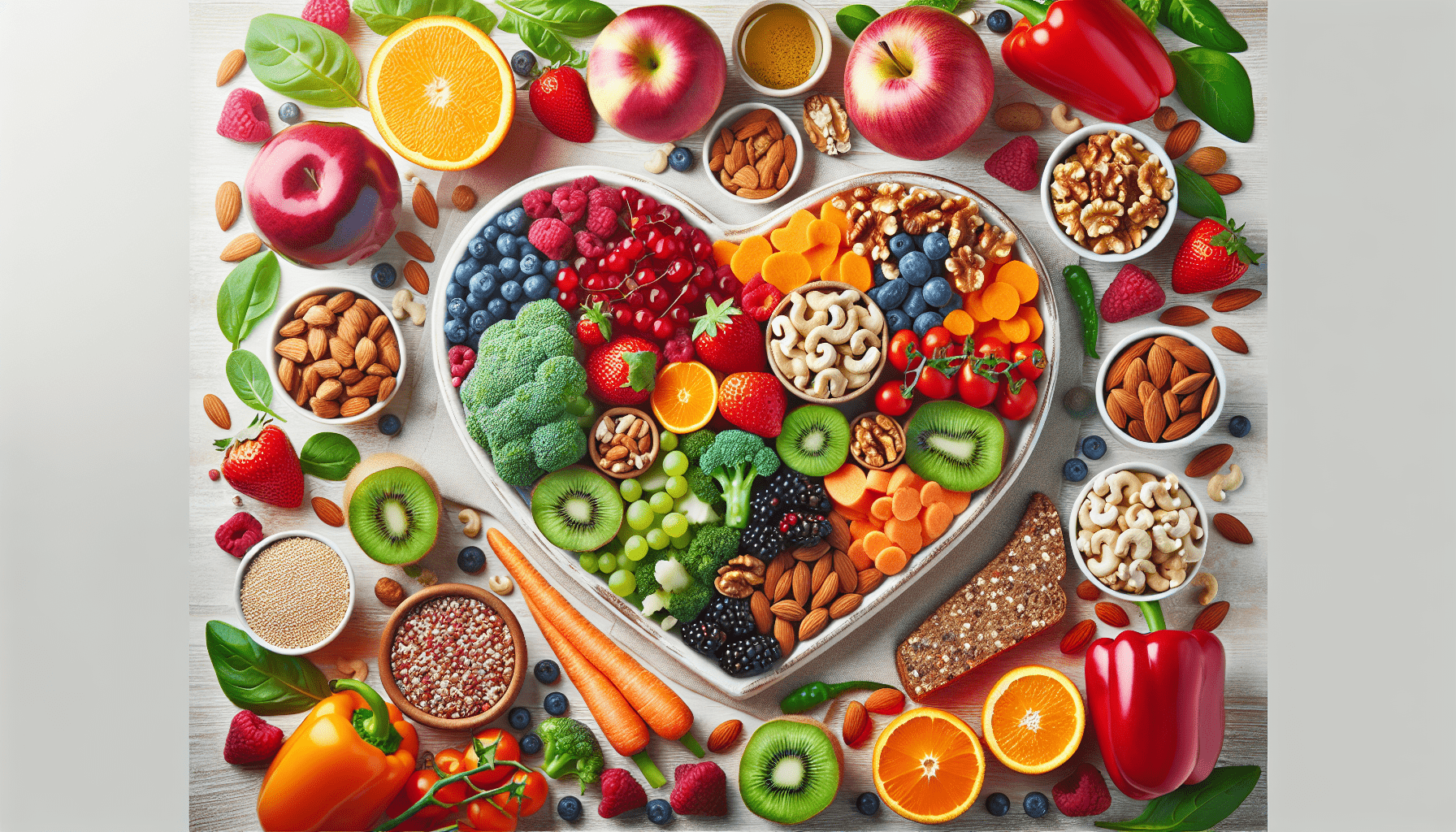
Incorporating heart-healthy foods into your diet can help lower your LDL cholesterol and improve your overall health. Foods to include in your diet to help manage high cholesterol include:
- Fruits and vegetables
- Whole grains
- Nuts and seeds
- Fatty fish (such as salmon and mackerel)
- Olive oil
Meal Planning Tips
Planning your meals ahead of time can make it easier to stick to a heart-healthy diet. Try incorporating the following tips into your meal planning routine:
- Include a variety of fruits, vegetables, whole grains, lean proteins, and healthy fats in your meals.
- Limit your intake of red meat and processed foods.
- Cook with heart-healthy oils, such as olive or avocado oil.
By making conscious food choices and following a heart-healthy diet, you can effectively manage and prevent high cholesterol.

Exercise: The Key to Maintaining Healthy Cholesterol Levels
In addition to a healthy diet, regular exercise is essential for managing and preventing high cholesterol. Physical activity can help raise HDL cholesterol levels while lowering LDL cholesterol levels.
Types of Exercise
There are various types of exercise you can incorporate into your routine to help manage high cholesterol levels. Some effective forms of exercise for cholesterol management include:
- Aerobic exercise (such as walking, jogging, or cycling)
- Strength training (using weights or resistance bands)
- Flexibility exercises (such as yoga or stretching)
Exercise Recommendations
To effectively manage high cholesterol levels, aim for at least 150 minutes of moderate-intensity aerobic exercise each week. You can break this up into 30-minute sessions, five days a week. In addition to aerobic exercise, incorporate strength training exercises two days a week to maintain muscle mass.
Tips for Staying Active
Staying active can be challenging, but it is essential for managing high cholesterol levels. Here are some tips to help you stay motivated and make exercise a regular part of your routine:
- Find activities you enjoy, whether it’s going for a walk outside, dancing, or swimming.
- Schedule your workouts like appointments to hold yourself accountable.
- Exercise with a friend or family member for added motivation and accountability.
By staying active and incorporating regular exercise into your routine, you can effectively manage and prevent high cholesterol.
Lifestyle Changes: Small Steps for Big Results
In addition to diet and exercise, making small lifestyle changes can also help you prevent and manage high cholesterol effectively. By incorporating these changes into your daily routine, you can improve your cholesterol levels and overall health.
Quit Smoking
Smoking can lower your HDL cholesterol levels, making it more challenging to manage high cholesterol. If you smoke, quitting can have a positive impact on your cholesterol levels and reduce your risk of heart disease.
Manage Stress
Chronic stress can lead to unhealthy habits, such as emotional eating or lack of exercise, which can contribute to high cholesterol levels. Finding healthy ways to manage stress, such as meditation, yoga, or deep breathing exercises, can help you better cope with stress and maintain healthy cholesterol levels.
Get Enough Sleep
Lack of sleep can affect your cholesterol levels and overall health. Aim for 7-9 hours of quality sleep each night to help your body regulate cholesterol levels and reduce your risk of heart disease.
Limit Alcohol Intake
Excessive alcohol consumption can raise your triglyceride levels and increase your risk of high cholesterol. Limit your alcohol intake to moderate levels to help manage your cholesterol levels effectively.
By making small lifestyle changes, such as quitting smoking, managing stress, getting enough sleep, and limiting alcohol intake, you can significantly impact your cholesterol levels and overall health.

Medications: When Lifestyle Changes Aren’t Enough
In some cases, lifestyle changes may not be enough to effectively manage high cholesterol levels. In these situations, your healthcare provider may recommend medications to help lower your cholesterol and reduce your risk of heart disease.
Types of Cholesterol Medications
There are several types of medications that can help lower your cholesterol levels, including:
- Statins: These medications work by blocking the enzyme in your liver that produces cholesterol.
- PCSK9 inhibitors: These medications help lower LDL cholesterol levels by increasing the liver’s ability to remove LDL cholesterol from your blood.
- Bile acid sequestrants: These medications bind to bile acids in your intestines, preventing them from being reabsorbed into your bloodstream and lowering cholesterol levels.
Side Effects of Cholesterol Medications
While cholesterol-lowering medications can be effective, they may also have side effects. Common side effects of cholesterol medications include:
- Muscle pain
- Liver damage
- Digestive issues
If you experience any side effects from your cholesterol medications, be sure to speak with your healthcare provider. They may recommend adjusting your medication or trying a different type of medication to help manage your cholesterol levels effectively.
Regular Monitoring: Keeping Tabs on Your Cholesterol Levels
Once you have made lifestyle changes, incorporated exercise into your routine, and, if necessary, started taking medications to manage high cholesterol, it is essential to monitor your cholesterol levels regularly. Regular monitoring can help you track your progress and make adjustments to your treatment plan as needed.
Cholesterol Testing
Cholesterol testing, also known as a lipid panel, measures your cholesterol levels and provides valuable information about your heart health. Your healthcare provider may recommend getting a cholesterol test every four to six years, starting at age 20. If you have high cholesterol or other risk factors for heart disease, you may need more frequent testing.
Understanding Your Results
When you get your cholesterol test results, it is essential to understand what they mean. Your results will include information about your total cholesterol, LDL cholesterol, HDL cholesterol, and triglyceride levels. Your healthcare provider can help you interpret your results and make recommendations for managing your cholesterol levels effectively.
Setting Goals
Based on your cholesterol test results, work with your healthcare provider to set goals for managing your cholesterol levels. Your goals may include lowering your LDL cholesterol, raising your HDL cholesterol, or reducing your triglyceride levels. By setting goals and tracking your progress, you can effectively manage your high cholesterol and reduce your risk of heart disease.
Conclusion: Taking Control of Your Cholesterol Health
High cholesterol can have serious health consequences, but by taking proactive steps to prevent and manage it effectively, you can reduce your risk of heart disease and stroke. By understanding cholesterol, making healthy food choices, incorporating exercise into your routine, making small lifestyle changes, and, if necessary, taking medications, you can effectively manage your cholesterol levels and improve your overall health.
Remember, it’s essential to work closely with your healthcare provider to develop a personalized plan for managing your cholesterol. By monitoring your cholesterol levels regularly and making adjustments to your treatment plan as needed, you can take control of your cholesterol health and live a heart-healthy life.