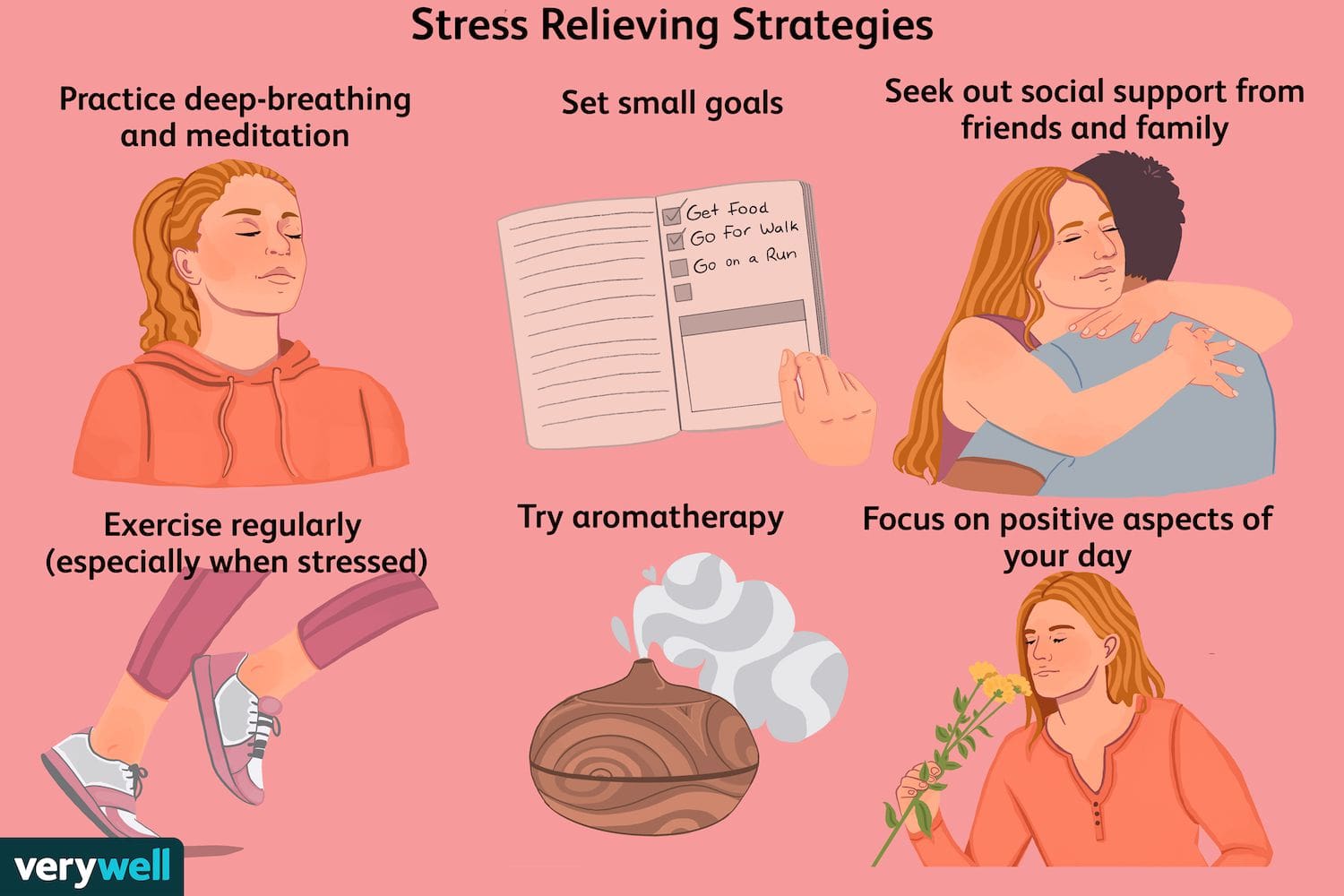
Are you feeling stressed out and overwhelmed? Don’t worry, we’ve got you covered! In this article, we will explore some of the most popular forms of stress relief techniques that can help you find peace and tranquility amidst the chaos of daily life. From meditation and deep breathing exercises to engaging in creative activities and indulging in self-care, these techniques will assist you in combating stress and achieving a balanced state of mind. So, take a deep breath and get ready to discover the perfect stress relief technique that suits your needs.
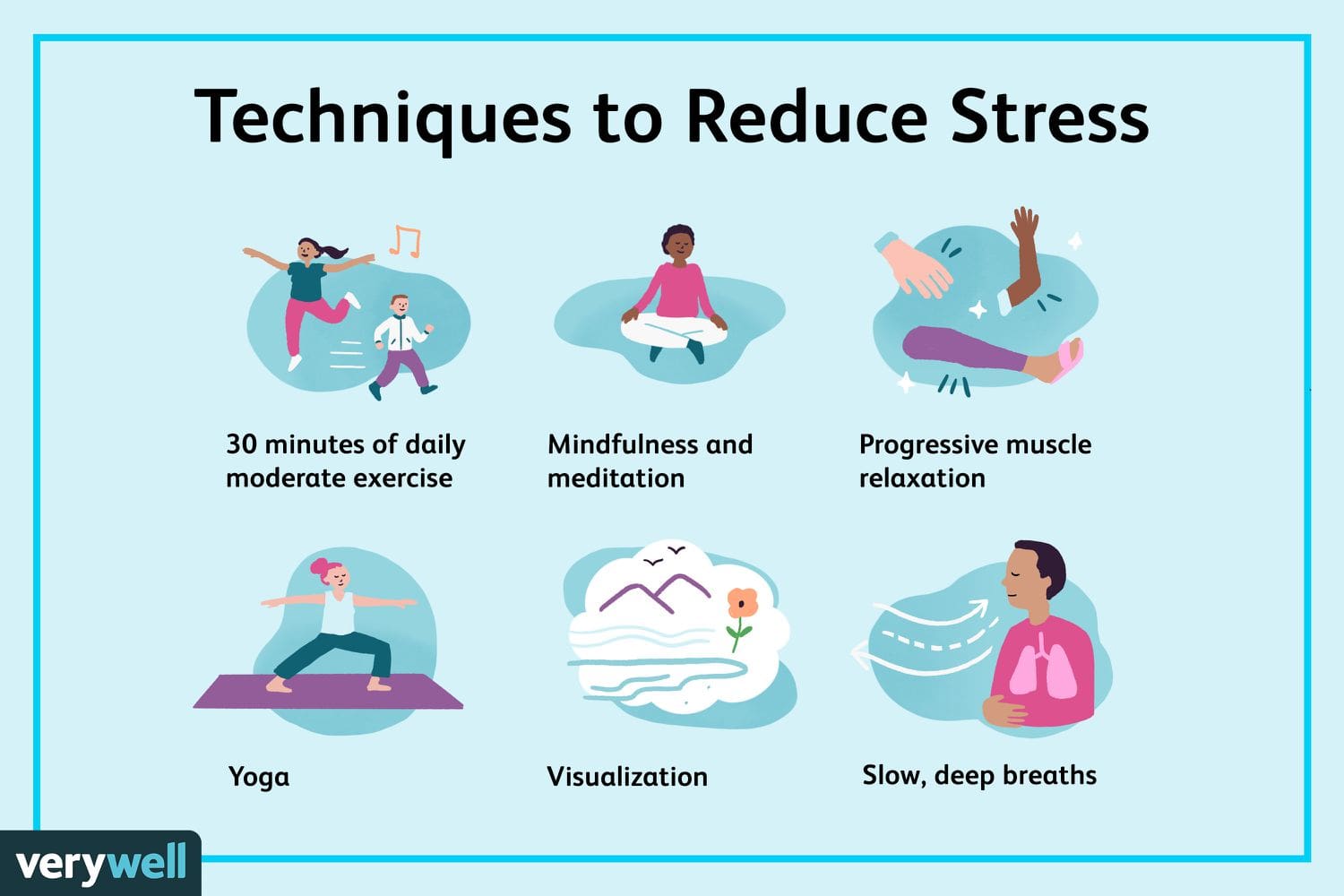
Meditation and Mindfulness
Breathing exercises
Breathing exercises are a simple and effective way to bring your focus and attention to the present moment. By focusing on each breath, you can calm your mind and reduce stress. One breathing exercise you can try is deep diaphragmatic breathing. Sit or lie down comfortably, place one hand on your belly and the other on your chest. Inhale deeply through your nose, feeling your belly rise as you fill it with air. Exhale slowly through your mouth, feeling your belly fall. Repeat this for several minutes, allowing yourself to fully relax with each breath.
Body scan meditation
Body scan meditation is a practice that involves systematically scanning your body from head to toe, bringing awareness to each part. Find a comfortable position, close your eyes, and begin to focus on your breath. As you breathe in and out, slowly shift your attention to different parts of your body. Start with your toes, feeling any sensations or tension present, and then gradually move up through your legs, torso, arms, and head. Notice any areas where you feel discomfort or tension, and breathe into those areas, allowing them to release and relax.
Guided meditation
Guided meditation is a form of meditation where you listen to a recorded voice or follow along with a meditation app or video. This can be particularly helpful for beginners or for those who find it difficult to quiet their mind on their own. Guided meditations can focus on various themes such as relaxation, stress reduction, or self-compassion. They often provide gentle guidance on breathing techniques, visualization exercises, and body awareness. Find a guided meditation resource that resonates with you and take some time each day to listen and follow along.
Walking meditation
Walking meditation is a mindfulness practice that can be done indoors or outdoors. It involves bringing your attention to the sensations and movements of walking. Find a peaceful location and start walking at a comfortable pace. As you walk, pay attention to the sensation of your feet touching the ground, the movement of your legs, and the rhythm of your breath. If your mind starts to wander, gently bring your focus back to the present moment and the act of walking. Walking meditation is a great way to combine the benefits of physical activity with mindfulness and stress reduction.
Exercise and Physical Activity
Yoga
Yoga is a holistic practice that combines physical postures, breath control, and meditation. It is well-known for its ability to reduce stress and promote relaxation. Through the practice of yoga, you can increase flexibility, build strength, and improve balance. The combination of movement and breath helps to calm the mind and release tension from the body. Whether you choose to attend a yoga class or follow along with an online video, incorporating yoga into your routine can provide a sense of peace and well-being.
Running
Running is not only a great form of exercise but also an effective stress reliever. When you engage in cardiovascular activities like running, your body releases endorphins, which are natural mood-boosting chemicals. Running also helps to clear the mind and provide a sense of clarity and focus. Whether you prefer running outdoors or on a treadmill, lace up your sneakers and hit the pavement to experience the calming effects of running.
Dancing
Dancing is a joyful and expressive way to reduce stress and enhance your mood. When you dance, your body releases endorphins and increases levels of serotonin, which promote relaxation and happiness. You can dance to your favorite songs in the comfort of your own home, take dance classes, or join a dance fitness group. Let loose and allow the music to guide your movements, and you will find yourself feeling lighter and more at ease.
Tai chi
Tai chi is a traditional Chinese martial art that combines flowing movements with deep breathing and mental focus. It is often described as “meditation in motion” and has been shown to significantly reduce stress and anxiety. The slow, deliberate movements of tai chi promote relaxation and help to cultivate a sense of inner peace. By practicing tai chi regularly, you can improve your balance, flexibility, and overall well-being. Find a local tai chi class or follow along with online tutorials to experience the benefits for yourself.
Journaling and Writing
Gratitude journaling
Gratitude journaling involves writing down things you are grateful for on a regular basis. By focusing on the positive aspects of your life, you can shift your mindset and reduce stress. Each day, take a few minutes to write down three things you are grateful for. These can be big or small, such as a beautiful sunset, a caring friend, or a delicious meal. By cultivating a gratitude practice, you can train your brain to focus on the good, leading to increased feelings of happiness and contentment.
Freewriting
Freewriting is a technique that involves writing continuously for a set period of time without worrying about grammar, spelling, or punctuation. It is a form of self-expression that allows your thoughts and emotions to flow freely onto the page. Find a quiet space, set a timer for 10-15 minutes, and start writing whatever comes to mind. Don’t censor yourself or overthink your words. Freewriting can be a cathartic and liberating practice that helps to release stress and gain clarity.
Bullet journaling
Bullet journaling is a creative way to stay organized and relieve stress. It involves using a blank notebook to create a personalized system for tracking tasks, goals, and habits. With bullet journaling, you can create monthly and weekly spreads, write down to-do lists, and reflect on your progress. The process of designing and organizing your journal can be a calming and enjoyable activity in itself. Grab a notebook, some colorful pens, and explore the world of bullet journaling to add a touch of creativity to your stress relief routine.
Creative writing
Creative writing is a form of self-expression that allows you to unleash your imagination and explore your inner thoughts and emotions. Whether you write poetry, short stories, or personal essays, creative writing can be a therapeutic outlet for stress relief. Set aside dedicated time each day or week to write without any expectations or judgment. Allow your creativity to flow and see where your words take you. You may find that creative writing not only helps you relax but also brings a sense of fulfillment and self-discovery.
Art Therapy
Painting
Painting is a popular form of art therapy that allows you to express yourself visually. Whether you are an experienced artist or a beginner, painting can be a therapeutic and relaxing way to relieve stress. Select your preferred medium, such as acrylics, watercolors, or oils, and let your creativity guide your brush strokes. Don’t worry about the end result; focus on the process of painting and the emotions it evokes. The act of creating art can provide a sense of accomplishment and serve as a form of self-care.
Drawing
Drawing is a versatile art form that can be done with just a simple pencil and paper. It is a mindful activity that encourages focus and attention to detail. You can sketch objects from your surroundings, create abstract designs, or draw scenes from your imagination. Allow yourself to get lost in the strokes of your pencil and let your mind relax as you bring your vision to life on paper. Drawing can be a soothing and meditative practice that helps you connect with your inner self.
Coloring
Coloring has gained popularity as a stress-relieving activity for adults. The repetitive and soothing motion of coloring can help calm the mind and induce a state of relaxation. Choose intricate coloring books or print out coloring pages that appeal to you. Grab your colored pencils, markers, or crayons and start filling in the designs with beautiful hues. Allow yourself to get absorbed in the process and let the colors bring harmony and serenity to your mind.
Sculpting
Sculpting is a tactile and creative form of art therapy that engages the senses and allows for self-expression. You can use clay, playdough, or any other malleable material to create three-dimensional sculptures. Sculpting promotes focus and concentration as you mold and shape the material into your desired form. It can provide a sense of control and empowerment, as well as a tangible representation of your emotions. Start sculpting and let your hands guide your stress away.

Listening to Music
Classical music
Classical music has long been recognized for its ability to calm the mind and soothe the soul. From the elegant compositions of Mozart to the transcendental sounds of Beethoven, classical music provides a sense of tranquility and relaxation. Find a comfortable spot, put on some classical tunes, and allow yourself to be swept away by the melodies and harmonies. Close your eyes and let the music wash over you, taking you to a place of serenity and peace.
Nature sounds
Nature sounds have a unique ability to transport us to natural environments and create a sense of calm. From the soothing sound of ocean waves to the gentle rustle of leaves in the forest, nature sounds can be incredibly soothing and grounding. You can find recordings of nature sounds online or invest in a sound machine that simulates various natural environments. Settle into a cozy space, close your eyes, and let the sounds of nature transport you to a state of relaxation.
Instrumental music
Instrumental music, without lyrics or vocals, provides a non-distracting backdrop for relaxation and stress relief. Whether it’s classical, jazz, or ambient music, instrumental tunes can calm your mind and help you unwind. Instrumental music allows you to focus on the melodies and rhythms, without the distraction of words. Find instrumental playlists or albums that resonate with you and create a soothing atmosphere in your environment.
Upbeat music
Though it may seem counterintuitive, listening to upbeat music can actually help reduce stress and boost your mood. When you listen to uplifting and energizing music, your body responds by releasing endorphins, which are natural mood-boosting hormones. Choose songs that make you want to dance, sing along, or simply put a smile on your face. Allow the upbeat rhythms and catchy melodies to lift your spirits and melt away any stress or tension.
Breathing Techniques
Diaphragmatic breathing
Diaphragmatic breathing, also known as belly breathing, is a technique that involves fully engaging the diaphragm to promote relaxation and stress reduction. Start by sitting or lying down in a comfortable position. Place one hand on your chest and the other on your belly. Inhale deeply through your nose, allowing your belly to rise as you fill your lungs with air. Exhale slowly through your mouth, feeling your belly fall. Focus on the sensation of your breath and allow each exhale to release tension from your body. Practice diaphragmatic breathing whenever you feel overwhelmed or anxious.
4-7-8 breathing
4-7-8 breathing is a simple technique that can quickly calm your mind and body. Sit or lie down in a comfortable position and close your eyes. Inhale quietly through your nose to a mental count of four. Hold your breath for a count of seven. Exhale completely through your mouth to a count of eight. Repeat this cycle three more times, allowing yourself to sink deeper into relaxation with each breath. 4-7-8 breathing helps regulate your breath and activate the body’s natural relaxation response.
Box breathing
Box breathing, also known as square breathing, is a technique that involves inhaling, holding the breath, exhaling, and holding the breath again for equal counts of time. Find a quiet space and sit comfortably. Inhale slowly through your nose to a count of four. Hold your breath for a count of four. Exhale slowly through your mouth to a count of four. Hold your breath again for a count of four. Repeat this cycle several times, focusing on the rhythm of your breath. Box breathing can help you find balance and calm in moments of stress and anxiety.
Alternate nostril breathing
Alternate nostril breathing is a technique that balances the energy between the left and right sides of the body, promoting relaxation and mental clarity. Sit comfortably and use your right thumb to gently close your right nostril. Inhale deeply through your left nostril. At the top of your inhalation, close your left nostril with your ring finger and release your thumb from your right nostril. Exhale through your right nostril. Inhale through your right nostril, close it with your thumb, and exhale through your left nostril. Repeat this cycle for several rounds, focusing on the sensation of breath as it moves through each nostril. Alternate nostril breathing helps to bring balance and harmony to your mind and body.
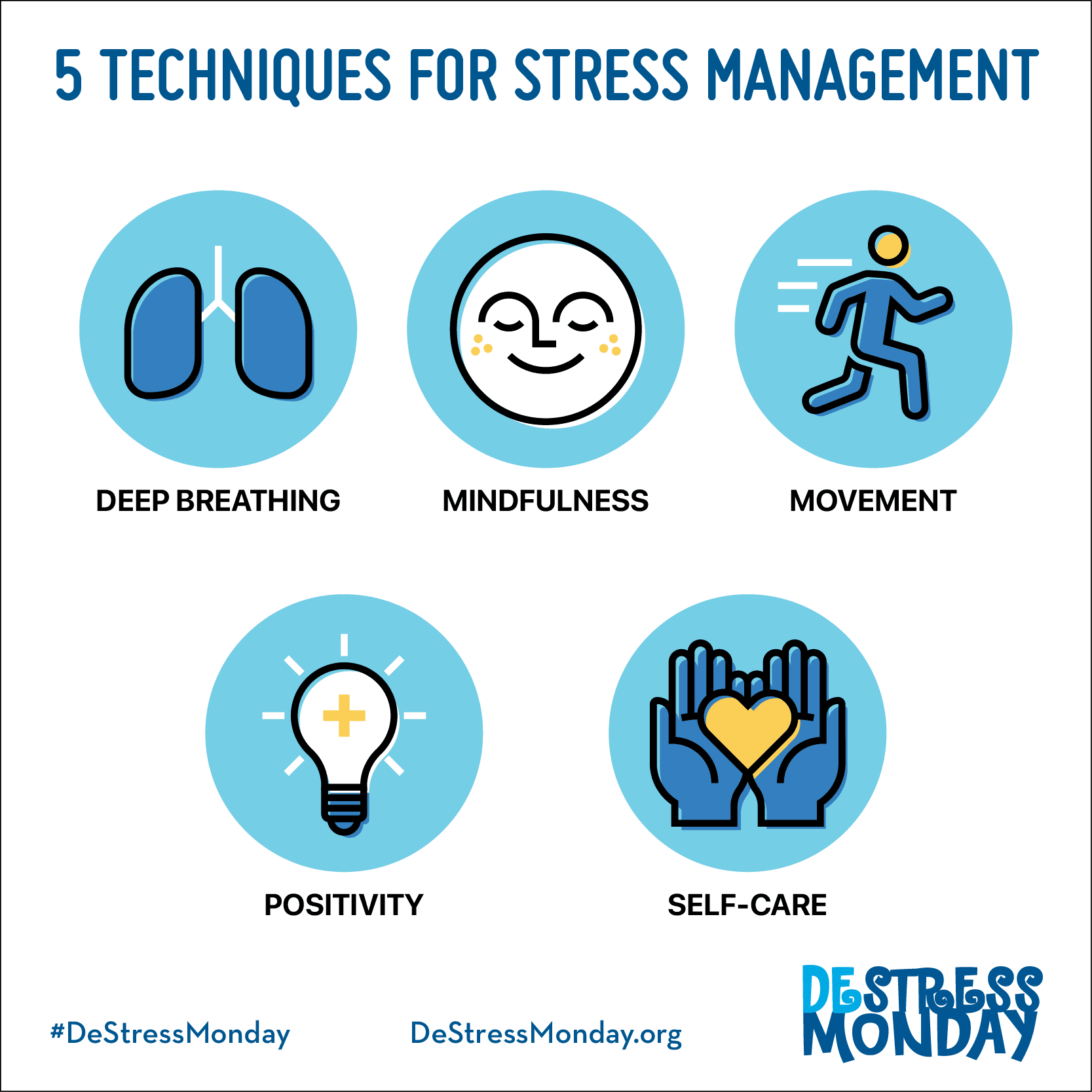
Aromatherapy
Lavender
Lavender is a popular fragrance known for its calming and relaxing properties. Its scent has been shown to reduce anxiety and promote sleep. You can enjoy the benefits of lavender by using lavender essential oil in a diffuser, adding a few drops to a warm bath, or spritzing your pillow with a lavender-scented mist. Take a deep breath and allow the soothing aroma of lavender to envelop your senses.
Peppermint
Peppermint is a refreshing and invigorating scent that can help alleviate stress and improve focus. Its crisp aroma can clear the mind and provide a burst of energy. Use peppermint essential oil in a diffuser, apply a few drops to your temples or wrists, or sip on peppermint tea to experience its revitalizing effects. Take a moment to breathe in the minty fragrance and feel a sense of renewed energy and clarity.
Chamomile
Chamomile is well-known for its calming and soothing properties. Its sweet and floral scent promotes relaxation and can help ease anxiety and improve sleep. Use chamomile essential oil in a diffuser, steep chamomile tea bags in hot water, or add a few drops of chamomile oil to your bath. Take a moment to inhale the gentle aroma of chamomile and allow its peaceful essence to wash over you.
Eucalyptus
Eucalyptus has a fresh and invigorating scent that can clear the mind and relieve stress. Its aromatic properties can help open the airways and promote a sense of relaxation. You can enjoy the benefits of eucalyptus by using eucalyptus essential oil in a diffuser, adding a few drops to a warm bath, or applying it topically with a carrier oil. Breathe deeply and feel the cleansing and refreshing properties of eucalyptus revitalizing your mind and body.
Massage and Bodywork
Swedish massage
Swedish massage is a popular type of massage therapy that focuses on relaxation and stress relief. It involves long, flowing strokes, kneading, and gentle muscle manipulation to release tension and promote overall well-being. During a Swedish massage, a trained therapist will use various techniques to target specific areas of your body, helping to alleviate stress and tension. Book a session with a licensed massage therapist and let their skilled hands melt away your stress and leave you feeling rejuvenated.
Deep tissue massage
Deep tissue massage is a therapeutic technique that focuses on releasing chronic muscle tension and knots. It involves applying firm pressure and slow strokes to reach deeper layers of muscle and connective tissue. Deep tissue massage can be particularly beneficial for relieving tension in specific areas of your body, such as the neck, shoulders, or lower back. Communicate with your massage therapist about your specific needs and areas of concern to ensure a tailored experience that addresses your stress and tension.
Reflexology
Reflexology is a form of bodywork that involves applying pressure to specific points on the feet, hands, or ears to stimulate relaxation and promote healing in corresponding areas of the body. Each point on the feet or hands is believed to correspond to an organ or system in the body. By applying targeted pressure to these points, a reflexologist can help release tension and restore balance. Treat yourself to a reflexology session and experience the rejuvenating effects of this ancient healing practice.
Hot stone massage
Hot stone massage is a luxurious spa treatment that combines the benefits of massage therapy with the soothing properties of heated stones. Smooth, heated stones are placed on specific points of your body and used by the massage therapist during the massage. The heat from the stones helps to relax tense muscles, melt away stress, and promote deep relaxation. Indulge in a hot stone massage to experience the ultimate in relaxation and relief from stress.

Socializing and Connecting
Spending time with loved ones
One of the most enjoyable ways to reduce stress is by spending quality time with loved ones. Whether it’s family, friends, or pets, connecting with those who are important to you can provide a sense of belonging and support. Schedule regular gatherings, whether in person or virtually, to reconnect, share laughter, and create lasting memories. Share your thoughts and feelings with your loved ones, and let them be a source of comfort and strength during challenging times.
Joining a club or group
Joining a club or group that aligns with your interests is a great way to meet like-minded individuals and establish new connections. Whether it’s a book club, a sports team, or a hobby group, being a part of a community can provide a sense of belonging and reduce feelings of isolation. Engaging in activities with others who share your passions can bring joy and fulfillment. Explore your local community or online platforms to find groups that spark your interest and welcome you with open arms.
Volunteering
Volunteering is a wonderful way to give back to your community while also benefiting your own well-being. By helping others, you can experience a sense of purpose and fulfillment. Whether it’s volunteering at a local charity, mentoring a younger individual, or participating in community service projects, the act of contributing to a greater cause can bring a sense of joy and satisfaction. Look for volunteer opportunities in your area or reach out to organizations that resonate with your values to make a positive impact on the lives of others.
Attending social events
Attending social events, such as parties, concerts, or community gatherings, can provide an opportunity to connect with others and break free from the stressors of daily life. Engaging in social activities allows you to relax, have fun, and create positive memories. Whether you prefer intimate gatherings or larger social events, choose events that align with your interests and allow you to meet new people. Embrace the opportunity to engage in lighthearted conversations, share laughter, and immerse yourself in the present moment.
Sensory Relaxation Techniques
Taking a warm bath or shower
Taking a warm bath or shower is a simple yet effective way to relax and unwind. Immersing yourself in warm water can help soothe tense muscles, relieve stress, and provide a sense of comfort. Enhance your bath or shower experience by adding calming bath oils, soothing Epsom salts, or scented candles. Allow yourself to fully immerse in the warmth and let the water wash away any stress or tension. For an added touch of relaxation, indulge in a gentle self-massage using a fragrant body oil or lotion.
Listening to ASMR
ASMR, short for Autonomous Sensory Meridian Response, is a phenomenon that involves experiencing pleasurable tingling sensations in response to specific auditory or visual stimuli. ASMR videos often feature whispering, tapping, or gentle sounds that are designed to elicit a relaxed and tranquil state. Find ASMR videos on platforms like YouTube and put on a pair of headphones. Let the soft whispers, gentle sounds, and soothing visuals guide you into a state of deep relaxation and calmness.
Using a weighted blanket
Weighted blankets have gained popularity for their ability to provide comfort and relaxation. These blankets are filled with small weighted materials that distribute gentle pressure across your body, mimicking the feeling of a warm hug. The deep pressure touch stimulation can help reduce anxiety, promote a sense of security, and improve sleep quality. Snuggle up under a weighted blanket when you’re feeling stressed or anxious, and let its comforting weight envelop you in a soothing embrace.
Using a stress ball
A stress ball is a small, handheld object that can be squeezed and manipulated to relieve stress and tension. By squeezing a stress ball, you engage the muscles in your hands and forearms, promoting relaxation and releasing built-up tension. Keep a stress ball within reach, whether it’s on your desk at work or in your bag when on the go. Whenever you feel stressed or anxious, give the stress ball a squeeze and allow the physical act to provide a moment of calm and relief.
Incorporating stress relief techniques into your life can help you find balance, reduce anxiety, and improve overall well-being. From meditation and mindfulness practices to engaging in physical activity and exploring creative outlets, there are countless ways to find relaxation and calmness. Experiment with different techniques and discover what resonates with you the most. By prioritizing self-care and making stress relief a part of your routine, you can navigate life’s challenges with greater ease and lead a more peaceful and fulfilling existence. Remember, you deserve moments of tranquility and rejuvenation amidst the busyness of life. Take a deep breath, embrace the present moment, and embark on your journey to finding inner peace.