

In this article, we’re going to explore the world of essential superfoods and how they can play a crucial role in maintaining your overall health and wellness. These superfoods are packed with vital nutrients, antioxidants, and other beneficial compounds that can help prevent various health issues and boost your immune system. From vibrant berries to nutrient-dense leafy greens, we’ll uncover the top superfoods that should be on your shopping list. So, get ready to discover the secret to achieving optimal health and vitality with these essential superfoods!
Leafy Greens
Leafy greens are some of the most nutritious foods you can incorporate into your diet. They are packed with vitamins, minerals, and antioxidants that promote overall health and well-being. Kale, spinach, Swiss chard, and collard greens are among the most popular leafy greens that provide numerous health benefits.
Kale is often referred to as a superfood due to its impressive nutrient profile. It is rich in vitamins A, C, and K, as well as minerals like calcium and potassium. Kale also contains powerful antioxidants, such as beta-carotene and quercetin, which help protect your cells from damage and reduce inflammation. Including kale in your diet can support heart health, boost digestion, and strengthen your immune system.
Similarly, spinach is another leafy green that deserves a spot on your plate. It is loaded with vitamins A and K, which are essential for maintaining healthy bones and vision. Spinach also contains folate, a B-vitamin that supports brain function and plays a crucial role in cell production. Additionally, the high fiber content in spinach can aid in digestion and promote satiety, making it a great choice for weight management.
Swiss chard is another nutrient powerhouse that provides an array of health benefits. This leafy green is an excellent source of vitamins A and K, as well as magnesium and potassium. These nutrients are vital for maintaining healthy blood pressure levels, reducing the risk of heart disease, and supporting bone health. Swiss chard is also rich in antioxidants, such as lutein and zeaxanthin, which are beneficial for eye health and may help prevent age-related macular degeneration.
Collard greens are often overlooked but are equally nutritious as other leafy greens. They are an excellent source of vitamins A, C, and K, as well as calcium and folate. Collard greens are particularly rich in soluble fiber, which can help regulate blood sugar levels and lower cholesterol levels. Including collard greens in your diet can contribute to improved digestion, enhanced bone density, and reduced inflammation.
Berries
Berries are delicious and nutritious fruits that offer a wide range of health benefits. They are packed with antioxidants, fiber, and other essential nutrients that can boost your overall well-being. Blueberries, strawberries, raspberries, and blackberries are some popular choices that you can easily incorporate into your diet.
Blueberries are often referred to as nature’s candy due to their sweet and tangy taste. These little berries are loaded with antioxidants, particularly anthocyanins, which give them their deep blue color and provide numerous health benefits. Blueberries have been associated with improved brain health, enhanced memory, and reduced risk of age-related cognitive decline. They also possess anti-inflammatory properties and can contribute to a healthy heart.
Strawberries are not only delicious but also highly nutritious. They are an excellent source of vitamin C, which supports a strong immune system and promotes collagen production for healthy skin. Strawberries also contain antioxidants, such as ellagic acid and quercetin, which have anti-inflammatory and anticancer properties. Including strawberries in your diet can help lower blood pressure, regulate blood sugar levels, and support overall heart health.
Raspberries are packed with vitamins, minerals, and antioxidants that make them a valuable addition to a healthy diet. They are rich in vitamin C, vitamin K, and manganese, which are essential for maintaining healthy bones and connective tissues. Raspberries also contain high amounts of dietary fiber, which can promote digestive health and prevent constipation. The antioxidants in raspberries have been linked to a reduced risk of chronic diseases, such as cancer and heart disease.
Similarly, blackberries are packed with nutrients that contribute to optimal health. They are rich in vitamins C and K, as well as manganese and antioxidants. Blackberries are particularly high in fiber, which aids in digestion and promotes a feeling of fullness. The antioxidants in blackberries can help protect against cellular damage and inflammation, leading to improved immune function and overall well-being.

Cruciferous Vegetables
Cruciferous vegetables are a group of vegetables that belong to the Brassicaceae family. They are known for their unique taste and high nutrient content, making them an excellent addition to a healthy diet. Broccoli, cauliflower, Brussels sprouts, and cabbage are some popular cruciferous vegetables that provide numerous health benefits.
Broccoli is often regarded as one of the healthiest vegetables you can eat. It is packed with vitamins, minerals, and antioxidants that support various aspects of health. Broccoli is an excellent source of vitamin C, vitamin K, and folate, which are essential for a strong immune system, blood clotting, and DNA synthesis, respectively. The high fiber content in broccoli promotes healthy digestion and aids in weight management. The antioxidants in broccoli, such as sulforaphane, have been linked to a reduced risk of chronic diseases, including certain types of cancer.
Cauliflower is another cruciferous vegetable that offers a wide range of health benefits. It is a great source of vitamins C and K, as well as folate and choline. Cauliflower is particularly low in calories and carbohydrates, making it a suitable choice for individuals following a low-carb or ketogenic diet. The antioxidants in cauliflower, such as glucosinolates, have been shown to have anti-cancer properties and may help protect against other chronic diseases.
Brussels sprouts may not be everyone’s favorite vegetable, but they are incredibly nutritious. They are packed with vitamins A, C, and K, as well as folate and fiber. Brussels sprouts are also rich in antioxidants, including kaempferol and quercetin, which have anti-inflammatory and heart-healthy properties. Regularly consuming Brussels sprouts may support healthy digestion, strengthen your immune system, and reduce the risk of chronic diseases.
Cabbage is a versatile vegetable that can be enjoyed in various dishes. It is rich in vitamins C and K, as well as fiber and antioxidants. Cabbage is particularly high in a type of antioxidant called anthocyanins, which gives it its purple or red color. Anthocyanins have been shown to have anti-inflammatory properties and may help reduce the risk of heart disease and certain types of cancer. Cabbage is also low in calories and a good source of dietary fiber, making it beneficial for weight management and digestive health.
Garlic and Onions
Garlic and onions are not only flavorful additions to your meals but also offer numerous health benefits. Both garlic and onions belong to the Allium family and contain compounds that have been shown to have medicinal properties. Including these ingredients in your diet can enhance the taste of your dishes while also supporting your overall health and well-being.
Garlic has a long history of use in traditional medicine due to its potent medicinal properties. It contains sulfur compounds, such as allicin, which have been shown to have antibacterial, antifungal, and antiviral effects. Garlic is also rich in vitamins C and B6, as well as manganese and selenium. These nutrients have antioxidant properties and can help protect your cells from damage caused by free radicals. Consuming garlic regularly may contribute to a healthy immune system, improved heart health, and lower cholesterol levels.
Onions, like garlic, also contain sulfur compounds that provide health benefits. They are a good source of vitamins C and B6, folate, and potassium. Onions are particularly rich in a compound called quercetin, which has been shown to have anti-inflammatory and anticancer properties. Quercetin also acts as an antioxidant and helps reduce the risk of chronic diseases. Including onions in your diet can support digestive health, boost your immune system, and contribute to healthy bones and connective tissues.
Shallots are closely related to onions and garlic and offer similar health benefits. They are rich in antioxidants, vitamins, and minerals that promote overall well-being. Shallots are an excellent source of vitamin A, which is essential for maintaining healthy vision and skin. They also contain compounds like polyphenols and flavonoids, which have been shown to have anti-inflammatory and antioxidant effects. Consuming shallots regularly may help lower blood pressure, support heart health, and protect against chronic diseases.
Leeks are another member of the Allium family that boasts numerous health benefits. They are high in vitamins A, K, and C, as well as manganese and folate. Leeks also contain compounds that have been shown to have anti-inflammatory and anticancer properties. The high fiber content in leeks promotes healthy digestion and can aid in weight management. Including leeks in your diet can contribute to improved bone health, stronger immune function, and reduced oxidative stress.

Nuts and Seeds
Nuts and seeds are nutrient-dense foods that offer a wide array of health benefits. They are rich in healthy fats, fiber, and various essential nutrients that support your overall well-being. Almonds, walnuts, chia seeds, and flaxseeds are some examples of nuts and seeds that you can incorporate into your diet for optimum nutrition.
Almonds are highly nutritious and provide a good balance of healthy fats, fiber, and protein. They are an excellent source of vitamin E, which acts as a powerful antioxidant and helps protect your cells from damage. Almonds also contain minerals like magnesium and potassium, as well as beneficial plant compounds like flavonoids and phenolic acids. Including almonds in your diet can help regulate blood sugar levels, support heart health, and promote healthy skin and nails.
Walnuts are another nutritional powerhouse that offers numerous health benefits. They are rich in omega-3 fatty acids, which are essential fats that support brain health and reduce inflammation. Walnuts also contain antioxidants, such as vitamin E and polyphenols, which help protect your cells against oxidative stress. Additionally, walnuts are a good source of dietary fiber and protein, making them a satisfying snack that can contribute to improved digestion and weight management.
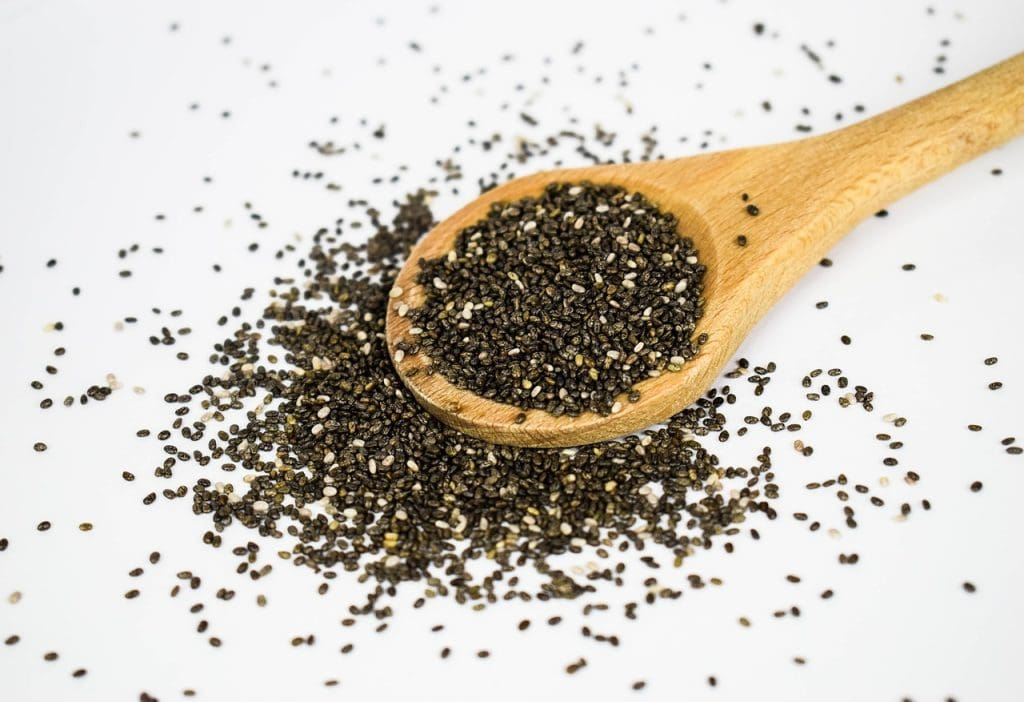
Chia seeds have gained popularity in recent years due to their impressive nutritional profile. These tiny seeds are an excellent source of omega-3 fatty acids, fiber, and antioxidants. Chia seeds are also rich in minerals like calcium, magnesium, and phosphorus. When soaked in liquid, chia seeds form a gel-like substance that can help improve digestion and promote a feeling of fullness. Including chia seeds in your diet can support heart health, aid in weight loss, and promote regular bowel movements.
Flaxseeds are another great addition to a healthy diet due to their rich nutrient content. They are a great source of plant-based omega-3 fatty acids, fiber, and lignans, which have been shown to have anticancer properties. Flaxseeds also contain minerals like magnesium and thiamine, as well as vitamin B6. Incorporating flaxseeds into your diet can help regulate blood sugar levels, support gut health, and reduce the risk of chronic diseases, such as heart disease and certain types of cancer.
Legumes
Legumes are a group of plants that belong to the Fabaceae family, which includes beans, lentils, and peas. They are a versatile and cost-effective source of plant-based protein, fiber, and other essential nutrients. Legumes are considered a staple food in many cultures and offer numerous health benefits.
Lentils are an excellent choice for plant-based protein and are a staple in many vegetarian and vegan diets. They are high in fiber, folate, and iron, making them a nutrient-dense food choice. Lentils also contain beneficial plant compounds, such as polyphenols and flavonoids, which have antioxidant and anti-inflammatory properties. Including lentils in your diet can help regulate blood sugar levels, support heart health, and promote healthy digestion.
Chickpeas, also known as garbanzo beans, are a versatile legume that can be used in various dishes. They are rich in dietary fiber, plant-based protein, and other essential nutrients. Chickpeas are also a good source of antioxidants, such as flavonoids and phenolic acids, which have been shown to have anti-inflammatory and anticancer effects. Regularly consuming chickpeas may help improve blood sugar control, support digestive health, and reduce the risk of chronic diseases.
Black beans are another nutrient-packed legume that offers a wide range of health benefits. They are an excellent source of plant-based protein, fiber, and minerals like magnesium and potassium. Black beans also contain antioxidants, such as anthocyanins, which contribute to their dark color and provide numerous health benefits. Including black beans in your diet can support heart health, aid in weight management, and regulate blood sugar levels.
Kidney beans are a popular legume that can be enjoyed in soups, salads, and various other dishes. They are rich in fiber, plant-based protein, and essential nutrients like folate and iron. Kidney beans also contain beneficial compounds, such as flavonoids, which have antioxidant properties and can help reduce the risk of chronic diseases. Consuming kidney beans regularly can contribute to improved digestion, reduced cholesterol levels, and better blood sugar control.
Whole Grains
Whole grains are a valuable source of carbohydrates, fiber, and essential nutrients that provide sustained energy and promote overall health. Unlike refined grains, whole grains retain their bran and germ, which contain important nutrients like fiber, antioxidants, and B-vitamins. Opting for whole grains over their refined counterparts can have numerous health benefits. Quinoa, brown rice, oats, and barley are some examples of whole grains that you should consider incorporating into your diet.
Quinoa is a versatile grain that is gluten-free and packed with essential nutrients. It is a complete protein source, meaning it contains all nine essential amino acids that your body needs but cannot produce on its own. Quinoa is also rich in fiber, which supports digestive health and aids in weight management. Additionally, quinoa contains minerals like magnesium and potassium, as well as antioxidants, which contribute to optimal health.
Brown rice is a popular whole grain that is less processed than white rice, maintaining its outer bran and germ layers. It is a good source of fiber, B-vitamins, and minerals like magnesium and selenium. Brown rice is particularly high in resistant starch, a type of fiber that is fermented in the colon and promotes the growth of beneficial gut bacteria. Consuming brown rice regularly can help regulate blood sugar levels, support heart health, and promote healthy digestion.
Oats are a nutritious whole grain that is commonly consumed as oatmeal or added to baked goods. They are rich in soluble fiber, which can help lower cholesterol levels and regulate blood sugar levels. Oats are also a good source of vitamins and minerals, such as manganese, phosphorus, and thiamine. Consuming oats can contribute to improved heart health, enhanced digestion, and increased feelings of satiety.
Barley is another whole grain that offers numerous health benefits. It is a good source of dietary fiber, particularly beta-glucan, which has been shown to have cholesterol-lowering properties. Barley also contains vitamins and minerals, such as niacin, selenium, and magnesium. The antioxidants in barley, such as phenolic acids, contribute to its health-promoting properties. Including barley in your diet can support healthy weight management, improve digestion, and reduce the risk of chronic diseases.
Fatty Fish
Fatty fish are a valuable source of omega-3 fatty acids, which are essential fats that offer numerous health benefits. Incorporating fatty fish into your diet can promote heart health, support brain function, and reduce inflammation. Salmon, sardines, mackerel, and trout are some examples of fatty fish that you should consider including in your meals.
Salmon is one of the most nutrient-dense types of fish you can consume. It is rich in omega-3 fatty acids, particularly EPA and DHA, which are known for their heart-healthy effects. Consuming salmon regularly has been associated with a reduced risk of heart disease, improved brain health, and enhanced mood. Salmon is also a good source of high-quality protein and contains important nutrients like vitamin D and selenium.
Sardines are small fish that are packed with nutrients and offer numerous health benefits. They are an excellent source of omega-3 fatty acids, calcium, vitamin D, and vitamin B12. Sardines also provide important minerals like selenium and phosphorus. The omega-3 fatty acids in sardines promote heart health and have been shown to reduce inflammation. Including sardines in your diet can support bone health, strengthen your immune system, and improve cognitive function.
Mackerel is another fatty fish that is rich in omega-3 fatty acids and offers several health benefits. It is a good source of vitamins D, B12, and selenium, as well as protein and healthy fats. Mackerel has been associated with reduced inflammation, improved cardiovascular health, and enhanced brain function. Including mackerel in your diet can contribute to lower triglyceride levels, increased insulin sensitivity, and better overall health.
Trout is a freshwater fish that is a great alternative to salmon and other fatty fish. It is a good source of omega-3 fatty acids, protein, and important nutrients like vitamin B12 and selenium. Consuming trout regularly can support heart health, improve brain function, and enhance overall well-being. Trout also contains antioxidants, such as selenium, which help protect your cells from oxidative damage.
Yogurt and Probiotic Foods
Yogurt and other probiotic foods are known for their beneficial effects on gut health. They contain live bacteria or yeasts that provide various health benefits when consumed regularly. Incorporating yogurt, kefir, sauerkraut, and kimchi into your diet can help support a healthy gut microbiome, improve digestion, and enhance immune function.
Greek yogurt is a popular choice when it comes to probiotic foods. It is a strained form of yogurt that is higher in protein and lower in lactose compared to regular yogurt. Greek yogurt contains live cultures, such as Lactobacillus and Bifidobacterium, which can help promote a healthy gut microbiome. Including Greek yogurt in your diet can contribute to improved digestion, enhanced nutrient absorption, and better overall gut health.
Kefir is a fermented milk beverage that contains a mixture of bacteria and yeasts. It is rich in probiotics and offers numerous health benefits. Regular consumption of kefir has been associated with improved gut health, enhanced immune function, and reduced inflammation. Kefir also contains important nutrients like calcium, vitamin K, and vitamin B12, which contribute to overall well-being.
Sauerkraut is a fermented cabbage dish that is commonly consumed in many cuisines. It is made by fermenting cabbage with lactic acid bacteria, which gives sauerkraut its distinct tangy flavor. Sauerkraut is rich in probiotics and contains beneficial compounds, such as glucosinolates and indole-3-carbinol, which have been shown to have anti-cancer properties. Including sauerkraut in your diet can support digestive health, boost your immune system, and promote optimal gut function.
Kimchi is a traditional Korean side dish that is made by fermenting vegetables with a variety of seasonings. It is known for its spicy and tangy flavor and is rich in probiotics. Kimchi is packed with nutrients, such as vitamins A and C, iron, and potassium. Consuming kimchi regularly can help support a healthy gut microbiome, enhance immune function, and provide antioxidant benefits. The fermentation process also increases the bioavailability of certain nutrients in kimchi, making them easier for your body to absorb.
Turmeric and Ginger
Turmeric and ginger are two powerful spices that have been used for centuries for their medicinal properties. They contain bioactive compounds that contribute to their health benefits and can be easily incorporated into your diet. Turmeric, ginger, turmeric-ginger tea, and golden milk are some examples of how you can enjoy the benefits of these spices.
Turmeric is a bright yellow spice that contains a compound called curcumin, which has potent anti-inflammatory and antioxidant properties. Curcumin has been extensively studied for its potential to reduce inflammation, support brain health, and prevent chronic diseases. Incorporating turmeric into your diet can benefit conditions like arthritis, Alzheimer’s disease, and heart disease. Adding turmeric to curries, smoothies, or salad dressings can help you reap the health benefits of this powerful spice.
Ginger is a root spice that has a long history of use in traditional medicine. It contains bioactive compounds, such as gingerol, which have been shown to have anti-inflammatory, antioxidant, and anti-nausea effects. Consuming ginger regularly can help reduce muscle soreness, alleviate digestive issues, and support overall immune function. Adding fresh ginger to tea, stir-fries, or soups can enhance the flavor of your dishes while also providing valuable health benefits.
Turmeric-ginger tea combines the powerful properties of both spices into a soothing and aromatic beverage. To make turmeric-ginger tea, simply steep fresh turmeric and ginger slices in hot water for a few minutes. You can also add honey or lemon for additional flavor. Enjoying a cup of turmeric-ginger tea can help reduce inflammation, boost digestion, and provide antioxidant benefits. This warm and comforting drink is an excellent way to include turmeric and ginger in your daily routine.
Golden milk, also known as turmeric latte, is a popular drink made by combining turmeric with milk and other warm spices like cinnamon and nutmeg. Golden milk provides the benefits of turmeric in a delicious and creamy beverage. It is often enjoyed as a nighttime drink to promote relaxation and support a restful sleep. The combination of turmeric, ginger, and other warm spices in golden milk can have anti-inflammatory, immune-boosting, and antioxidant effects.
In conclusion, incorporating these essential superfoods into your diet can help promote preventive health and overall wellness. Leafy greens, berries, cruciferous vegetables, garlic, onions, nuts, seeds, legumes, whole grains, fatty fish, yogurt, probiotic foods, turmeric, and ginger offer a diverse range of nutrients and health benefits. By incorporating these foods into your meals and snacks, you can nourish your body, boost your immune system, and reduce the risk of chronic diseases. Remember to enjoy these foods in their whole form whenever possible and savor the delicious flavors they bring to your table.