
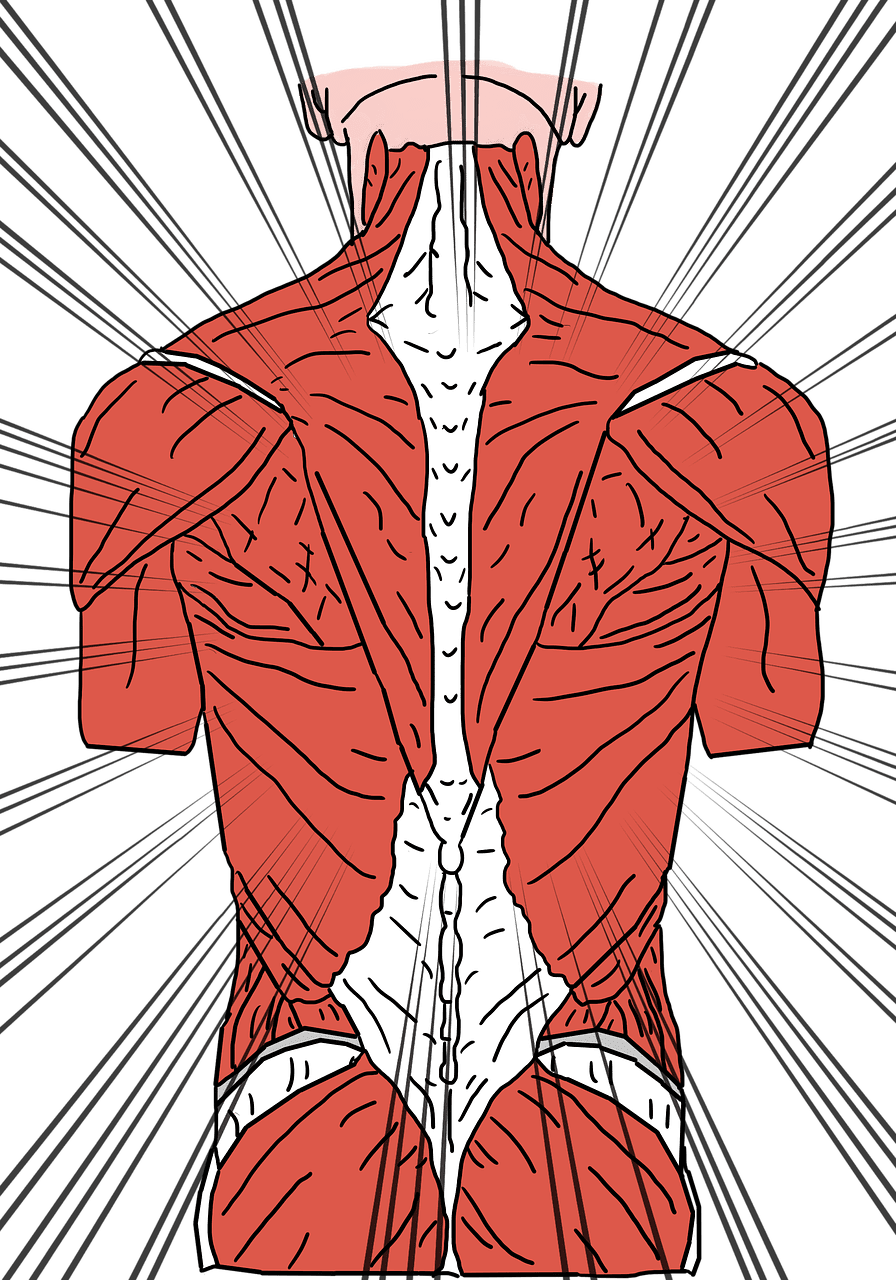
Maintaining good posture is not only important for your overall health and well-being but can also help alleviate back pain. In this article, we will explore the best practices for improving posture and reducing back pain, providing you with practical tips and exercises to incorporate into your daily routine. By incorporating these practices into your lifestyle, you can promote a healthier spine and experience the benefits of better posture. So, let’s dive in and discover how you can achieve a pain-free back and a stronger, more confident posture.

Stretching and Strengthening Exercises
Importance of exercises for posture improvement
Stretching and strengthening exercises play a crucial role in improving posture and reducing back pain. Regular exercise helps to lengthen tight muscles, increase flexibility, and strengthen the muscles that support the spine. By incorporating targeted exercises into your routine, you can improve your posture, alleviate muscle imbalances, and prevent or reduce back pain.
Benefits of stretching exercises
Stretching exercises offer numerous benefits for posture improvement and overall back health. They help to improve flexibility, increase range of motion, and lengthen tight muscles. Stretching also helps to alleviate muscle tension and reduce the risk of muscle imbalances, which can lead to poor posture and back pain. Additionally, stretching promotes blood flow to the muscles, providing them with necessary nutrients and oxygen.
Types of stretching exercises
There are various types of stretching exercises that can be beneficial for improving posture and reducing back pain. Static stretching involves holding a stretch for a certain period, while dynamic stretching involves repetitive movements that gradually increase the range of motion. Some popular stretching exercises include the cat-camel stretch, standing hamstring stretch, and seated spinal twist. It is important to start each stretch slowly and avoid bouncing or jerking movements to prevent injury.
Benefits of strengthening exercises
Strengthening exercises are equally important for posture improvement and reducing back pain. These exercises target the muscles that support the spine, such as the core muscles, back muscles, and glutes. By performing regular strengthening exercises, you can increase muscle strength and endurance, improve posture, and provide better support to your spine. Stronger muscles also help to stabilize the spine and reduce the risk of injuries.
Types of strengthening exercises
There are several types of strengthening exercises that can help improve posture and reduce back pain. Core exercises, such as planks and bridges, target the muscles in the abdomen, lower back, and pelvis, providing stability and support to the spine. Back exercises, such as rows and Superman poses, help to strengthen the muscles in the upper and lower back. Additionally, exercises that target the glutes, such as lunges and squats, can also contribute to better posture and spine health.
Ergonomic Workstation Setup
Importance of a proper workstation setup
An ergonomic workstation setup is essential for maintaining good posture and reducing back pain, especially for those who spend long hours working at a desk. A proper workstation setup ensures that your body is properly aligned, reduces the strain on your muscles and joints, and minimizes the risk of developing musculoskeletal issues. By investing in an ergonomic workstation, you can create a more comfortable and supportive environment that promotes good posture and overall spinal health.
Choosing the right chair
One of the key elements of an ergonomic workstation setup is choosing the right chair. Look for a chair that offers adjustable features such as seat height, backrest tilt, and lumbar support. The chair should provide adequate support to the natural curves of your spine and allow your feet to rest flat on the floor. Adjust the chair to a height that allows your knees to be at a 90-degree angle and ensures that your hips are slightly higher than your knees for optimal sitting posture.
Positioning of computer monitor
Proper positioning of the computer monitor is important to prevent strain on your neck and eyes. Position the monitor directly in front of you at a distance of about an arm’s length away. The top of the monitor should be at or slightly below eye level to avoid excessive upward or downward tilting of the neck. Adjust the brightness and contrast settings of the monitor to reduce eye strain, and consider using an anti-glare screen if necessary.
Adjusting desk height and keyboard position
The height of your desk is another crucial factor in creating an ergonomic workstation. Your desk should be at a height that allows your elbows to be at a 90-degree angle when typing and your wrists to be in a neutral position. If your desk is too high or too low, consider using an adjustable desk or adding a keyboard tray to achieve the optimal position. Keep your mouse close to the keyboard to minimize reaching and straining your arm.
Using an ergonomic mouse and keyboard
Investing in an ergonomic mouse and keyboard can significantly improve your posture and reduce strain on your hands, wrists, and arms. An ergonomic mouse is designed to fit the natural contours of your hand, reducing the risk of repetitive strain injuries such as carpal tunnel syndrome. Similarly, an ergonomic keyboard has a curved or split design that helps to maintain a more neutral wrist position, minimizing the risk of developing wrist pain or injuries.
Maintaining Proper Sitting Posture
Importance of sitting with proper posture
Maintaining proper sitting posture is crucial for preventing back pain and promoting overall spinal health. Sitting with poor posture can put unnecessary stress on the muscles, ligaments, and discs in the spine, leading to discomfort and potential long-term issues. By practicing good sitting posture, you can reduce the risk of developing back pain, improve spinal alignment, and enhance overall comfort and well-being.
Positioning of hips and knees
When sitting, it is important to position your hips and knees correctly to maintain proper posture. Sit with your hips pushed all the way back against the chair, ensuring that your buttocks are touching the backrest. Your knees should be bent at a 90-degree angle, with your feet flat on the floor. Avoid crossing your legs, as this can cause an imbalance in your hips and strain on your lower back.
Keeping feet flat on the floor
Keeping your feet flat on the floor is essential for maintaining proper sitting posture. Ensure that your feet are fully supported by the floor or a footrest if needed. This helps to distribute your body weight evenly, relieving pressure on your spine and reducing the risk of lower back pain. If your feet do not reach the floor comfortably, use a footrest or adjust the height of your chair accordingly.
Supporting the lower back
Proper support for the lower back is essential for maintaining good sitting posture and reducing the risk of back pain. Use a lumbar roll or a rolled-up towel placed at your lower back to provide additional support. This helps to maintain the natural curve of your lower back and prevents slouching or rounding of the spine. Having adequate lower back support promotes proper alignment of the spine and reduces strain on the back muscles.
Avoiding slouching and crossing legs
Slouching and crossing your legs while sitting can contribute to poor posture and increase the risk of back pain. Slouching puts excessive strain on the muscles in your back, leading to discomfort and potential long-term issues. Crossed legs can also disrupt the alignment of your hips and pelvis, causing muscle imbalances and further straining your lower back. Whenever possible, sit upright with your back against the backrest and avoid crossing your legs for optimal sitting posture.
Improving Standing Posture
Importance of maintaining a good standing posture
Maintaining a good standing posture is essential for reducing back pain, preventing muscle imbalances, and promoting overall spine health. Proper standing posture helps to align the head, neck, and spine, reducing strain on the muscles and ligaments in the back. By practicing good standing posture, you can alleviate tension, improve stability, and minimize the risk of developing back problems.
Distributing weight evenly on both legs
When standing, it is important to distribute your weight evenly on both legs to maintain balance and proper posture. Avoid leaning to one side or placing more weight on one leg, as this can lead to muscle imbalances and strain on the spine. Instead, stand with your feet shoulder-width apart and your weight evenly distributed on both feet. This promotes stability and helps to align the pelvis and spine properly.
Aligning the head, neck, and spine
Proper alignment of the head, neck, and spine is crucial for maintaining good standing posture. Imagine a straight line passing through your earlobe, shoulder, hip, knee, and ankle. Aligning these points helps to ensure that your head is upright, your shoulders are relaxed, and your spine is in a neutral position. Avoid jutting your head forward or rounding your shoulders, as this can strain the muscles in your neck and upper back.
Avoiding excessive forward bending
Excessive forward bending while standing can put unnecessary strain on your back muscles and increase the risk of developing back pain. When bending forward, hinge at the hips rather than rounding your back. This helps to maintain the natural curve of your spine and minimizes the stress on the muscles and ligaments. Use proper lifting techniques, such as bending at the knees and hips, to avoid excessive forward bending and protect your back.
Using supportive footwear
Wearing supportive footwear is essential for maintaining good standing posture and preventing back pain. Choose shoes that provide adequate arch support and cushioning to promote proper alignment and reduce strain on your feet, ankles, and lower back. Avoid high heels or shoes with flat soles, as they can disrupt the natural alignment of your feet and spine. Opt for shoes with a low to moderate heel height and good shock absorption for optimal support and comfort.

Proper Lifting Techniques
Importance of proper lifting techniques
Using proper lifting techniques is crucial for protecting your back from injuries and reducing the risk of back pain. Improper lifting can strain the muscles, ligaments, and discs in your spine, leading to acute or chronic back problems. By following proper lifting techniques, you can minimize the stress on your back and maintain a healthy spine.
Bending at the knees and hips
When lifting objects from the ground, it is important to bend at the knees and hips rather than rounding your back. Squat down by bending your knees, keeping your feet shoulder-width apart, and maintain a straight back. By lifting with your legs instead of your back, you distribute the weight more evenly and minimize the strain on your spine. Remember to engage your core muscles and use the strength of your legs to lift the object.
Maintaining a straight back
Maintaining a straight back while lifting is essential for protecting your spine and preventing back injuries. Avoid rounding or arching your back, as this can put excessive stress on the discs and muscles in your back. Keep your shoulders back, chest forward, and maintain a natural curve in your lower back. This helps to distribute the weight evenly along the length of your spine and reduces the risk of developing back pain.
Avoiding twisting while lifting
Twisting your body while lifting heavy objects can lead to injuries and strain on your back muscles and discs. When lifting, always face the object directly and avoid twisting your body as you lift or lower the load. Instead, use your feet to pivot and change direction, keeping your back aligned with your hips and avoiding any sudden or jerky movements. If necessary, reposition your feet or ask for assistance to avoid twisting your spine.
Using lifting aids when necessary
When dealing with heavy or bulky objects, it is important to use lifting aids to minimize the strain on your back. Lifting aids such as dollies, carts, or adjustable lifting straps can help distribute the weight more evenly and reduce the risk of back injuries. Additionally, asking for assistance from a coworker or using mechanical lifting devices can also alleviate the stress on your back and ensure safe and proper lifting.
Avoiding Prolonged Static Positions
Risks of prolonged static positions
Prolonged static positions, such as sitting or standing in the same posture for extended periods, can contribute to back pain and postural imbalances. Maintaining the same position for too long puts continuous stress on certain muscles, which can lead to discomfort and stiffness. It is important to avoid prolonged static positions and incorporate movement and stretching into your daily routine to relieve muscle tension and improve blood flow.
Taking frequent breaks and stretching
Taking frequent breaks from static positions is essential for maintaining back health and reducing the risk of discomfort. Stand up, stretch, and move around at regular intervals to relieve muscle tension and improve circulation. During breaks, incorporate stretching exercises that target the muscles affected by long periods of sitting or standing. This helps to alleviate tightness, improve flexibility, and reduce the risk of postural imbalances.
Changing positions regularly
Regularly changing positions is crucial for preventing back pain and promoting good posture. If you have a desk job, consider using an adjustable standing desk or a balance ball chair to alternate between sitting and standing positions throughout the day. If standing for long periods, take breaks to sit or perform seated exercises. By changing positions regularly, you can minimize the stress on specific muscles and joints and maintain a balanced posture.
Using supportive cushions or mats
Using supportive cushions or mats can help alleviate pressure on the back when sitting or standing for extended periods. Seat cushions with adequate lumbar support can provide additional support to the lower back and promote proper sitting posture. Anti-fatigue mats can reduce the strain on the feet and legs when standing for long durations. These supportive accessories help to improve comfort, reduce muscle fatigue, and prevent postural issues.
Incorporating movement throughout the day
Incorporating movement throughout the day is essential for maintaining back health and reducing the negative effects of prolonged static positions. Take short walks, stretch, or perform light exercises to keep your muscles active and promote blood flow. This helps to prevent muscle stiffness, improve posture, and reduce the risk of developing back pain or discomfort. Remember to listen to your body and avoid overexertion when incorporating movement into your routine.
Using Supportive Pillows and Mattresses
Importance of using supportive pillows
Using supportive pillows is essential for maintaining proper spinal alignment during sleep and reducing the risk of back pain. The right pillow can provide adequate support to the neck, head, and shoulders, helping to alleviate muscle tension and promote a neutral sleeping posture. A supportive pillow helps to keep the spine aligned and minimizes pressure on the spine’s structures, providing a more comfortable and restful sleep.
Choosing the right pillow for your sleeping position
When selecting a pillow, consider your preferred sleeping position to ensure optimal support and comfort. For back sleepers, a medium-firm pillow that supports the natural curve of the neck and head is recommended. Side sleepers should choose a slightly firmer pillow that fills the space between the shoulder and ear to maintain proper alignment. Stomach sleepers should opt for a thin and soft pillow to prevent excessive neck extension.
Using body pillows for added support
Using body pillows can provide additional support and help maintain proper spinal alignment while sleeping. Body pillows are long, cylindrical pillows that can be placed between the legs while sleeping on your side to align the hips and pelvis. They can also be used to support the abdomen or back for added comfort and relief from pressure points. Body pillows can be particularly beneficial during pregnancy or for individuals with specific spinal conditions.
Investing in a quality mattress
Investing in a quality mattress is essential for maintaining good back health and ensuring restorative sleep. A supportive mattress that properly aligns the spine and distributes body weight evenly reduces the risk of developing back pain or discomfort. Look for a mattress that suits your specific needs, whether you prefer a firmer or softer feel, and consider the level of support provided to the different areas of your body, including the hips, shoulders, and spine.
Considering adjustable beds for individual needs
For individuals with specific back conditions or sleep preferences, adjustable beds can provide customized support and comfort. Adjustable beds allow you to elevate or lower different sections of the bed, including the head or foot area, to find the most suitable sleeping position. By adjusting the bed to your individual needs, you can relieve pressure on the spine, reduce muscle tension, and optimize your sleeping posture for better back health.
Engaging in Regular Physical Activity
Benefits of regular exercise for back health
Engaging in regular physical activity offers numerous benefits for back health. Exercise helps to strengthen the muscles that support the spine, improve flexibility and range of motion, and increase blood flow to the injured or affected areas. Regular exercise also promotes weight management, reduces stress, and enhances overall well-being. By incorporating exercises into your routine that specifically target the back muscles, you can improve posture, alleviate pain, and prevent future back problems.
Choosing low-impact activities
Low-impact activities are ideal for individuals with existing back issues or those who are looking to prevent back pain. These activities minimize stress on the joints and spine while providing cardiovascular and muscular benefits. Swimming, walking, cycling, and using an elliptical machine are examples of low-impact exercises that can improve back health without causing excessive strain or impact on the spine. Consult with a healthcare professional to determine the most suitable low-impact activities for your specific needs.
Incorporating core strengthening exercises
Core strengthening exercises are particularly beneficial for back health and posture improvement. Strengthening the muscles in the abdomen, lower back, and pelvis helps to support the spine, maintain stability, and prevent muscle imbalances. Incorporate exercises such as planks, bridges, and abdominal crunches into your routine to target the core muscles. It is important to perform these exercises with proper form and gradually increase the intensity and duration as your core strength improves.
Maintaining a healthy weight
Maintaining a healthy weight is essential for overall well-being and back health. Excess weight can put additional strain on the spine, leading to increased pressure on the discs and muscles, and contributing to back pain and postural issues. By adopting a balanced and nutritious diet and engaging in regular physical activity, you can achieve and maintain a healthy weight, reducing the risk of back problems and improving the overall condition of your spine.
Consultation with a healthcare professional
Before starting any exercise program, it is advisable to consult with a healthcare professional, especially if you have a history of back problems or chronic pain. A healthcare professional, such as a physiotherapist or chiropractor, can assess your condition, provide recommendations specific to your needs, and guide you in choosing appropriate exercises. They can also ensure that you perform exercises with proper form, prevent further injuries, and customize a plan tailored to your individual requirements.
Practicing Mindfulness and Stress Reduction
The connection between stress and back pain
Stress can have a significant impact on back pain and overall spine health. When we are stressed, our muscles tend to tense up, leading to increased muscle tension, tightness, and potential pain. Chronic stress can also contribute to poor posture, as we may hunch or slouch when under pressure. By practicing mindfulness and stress reduction techniques, we can minimize the negative effects of stress on our back and promote a healthier, more relaxed state.
Incorporating mindfulness techniques
Mindfulness involves bringing attention to the present moment and focusing on thoughts, emotions, and bodily sensations without judgment. Incorporating mindfulness techniques, such as meditation or body scan exercises, can help alleviate stress and promote relaxation. By practicing mindfulness, we can reduce muscle tension and promote a more balanced state of mind, which in turn benefits our posture and overall spine health.
Practicing deep breathing exercises
Deep breathing exercises are simple yet effective techniques that can promote relaxation and reduce stress. Deep breathing involves taking slow, deep breaths, expanding the abdomen rather than shallow chest breathing. By focusing on our breath and consciously slowing it down, we activate the body’s relaxation response and decrease the release of stress hormones. Regular practice of deep breathing exercises can help reduce muscle tension, calm the mind, and alleviate back pain associated with stress.
Engaging in stress-reducing activities
Engaging in stress-reducing activities can significantly improve our overall well-being and contribute to better spine health. Find activities that help you relax and unwind, such as yoga, tai chi, or gentle stretching exercises. These activities not only promote physical relaxation but also help to calm the mind and release tension from the body. Regular participation in stress-reducing activities can lead to improved posture, reduced muscle tension, and decreased back pain.
Seeking professional help for stress management
If stress becomes overwhelming or unmanageable, it may be beneficial to seek professional help for stress management. Mental health professionals, such as therapists or counselors, can provide guidance and support in developing healthy coping mechanisms and stress reduction strategies. They can help identify the underlying causes of stress and provide tools to effectively manage and reduce stress levels. Addressing stress can have a positive impact on back pain and overall spine health.
Seeking Professional Help
Importance of seeking professional advice
When experiencing persistent back pain or posture problems, it is crucial to seek professional advice. Professionals, such as physiotherapists or chiropractors, are trained to assess and diagnose musculoskeletal conditions, provide expert advice, and develop treatment plans tailored to individual needs. Seeking professional help ensures that you receive appropriate care, reduce the risk of exacerbating your condition, and improve your chances of achieving optimal back health.
Consulting a physiotherapist or chiropractor
Consulting a physiotherapist or chiropractor can help identify the underlying causes of your back pain or postural issues. These healthcare professionals assess your condition, perform physical examinations, and use specialized techniques to alleviate pain, restore mobility, and promote proper function. They may also provide manual therapies, exercises, and recommendations for ergonomic modifications to enhance posture and prevent further issues.
Getting a proper diagnosis
Obtaining a proper diagnosis is essential for understanding the specific nature of your back pain or postural problems. A healthcare professional can conduct an in-depth assessment, including physical examinations, medical history review, and potentially imaging studies, to determine the root cause of your symptoms. With a clear diagnosis, you can receive targeted and effective treatment options tailored to your individual needs.
Exploring alternative therapies
In addition to traditional healthcare approaches, there are various alternative therapies that can complement your treatment plan for back pain or postural issues. These therapies may include acupuncture, massage therapy, or yoga, among others. It is important to discuss these options with a healthcare professional to ensure safe and appropriate integration with your overall management plan. Alternative therapies can provide additional benefits such as stress reduction, improved flexibility, and enhanced relaxation.
Following recommended treatment plans
After consulting with a healthcare professional and receiving a diagnosis, it is crucial to follow the recommended treatment plan diligently. Treatment plans may include a combination of exercises, manual therapies, lifestyle modifications, and ergonomic adjustments. Consistency and adherence to the recommended plan are key factors in achieving positive outcomes and improving back health. Communicate openly with your healthcare provider, ask questions, and report any changes or concerns throughout your treatment journey.
Incorporating these best practices for improving posture and reducing back pain into your daily routine can have a significant positive impact on your overall spinal health. By prioritizing stretching and strengthening exercises, maintaining proper sitting and standing posture, using ergonomic workstations, implementing proper lifting techniques, avoiding prolonged static positions, and employing supportive pillows and mattresses, you can reduce the risk of back pain and promote better posture. Engaging in regular physical activity, practicing mindfulness and stress reduction techniques, and seeking professional help when needed further enhance your back health journey. Remember that consistency, awareness, and self-care are the keys to maintaining a healthy spine for a lifetime.