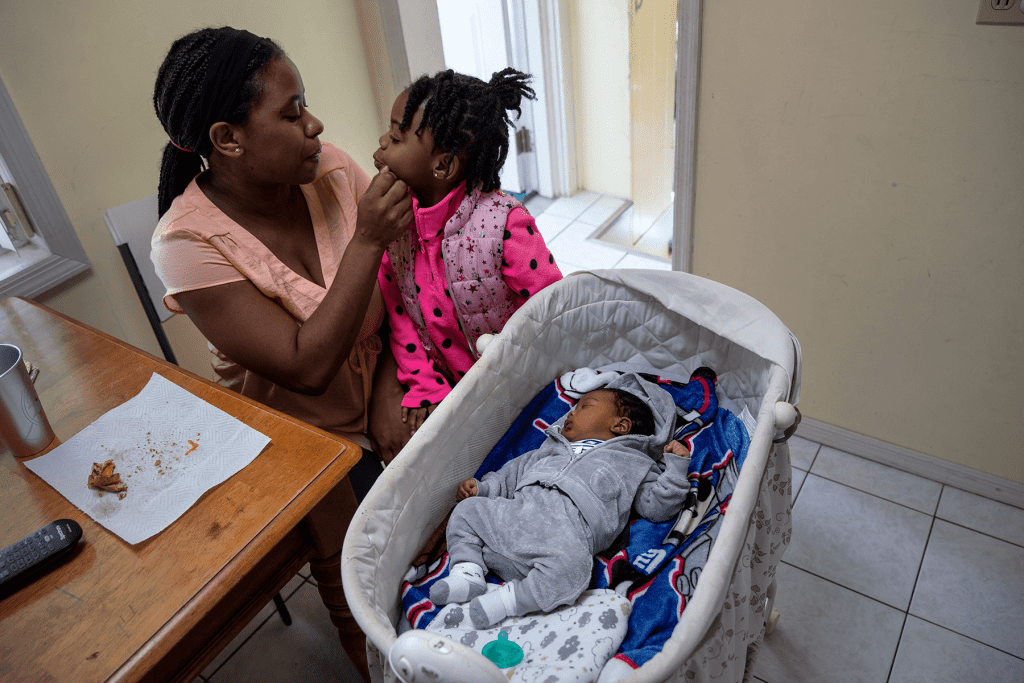
In today’s rapidly evolving world, one of the most pressing issues that demands our attention is the state of maternal and child healthcare. The importance of prioritizing the well-being of both mothers and children cannot be emphasized enough, and it is through advocating for healthcare policies tailored to address their unique needs that we can truly make a difference. By understanding the challenges that these vulnerable populations face and the potential solutions at hand, we can pave the way for a brighter and healthier future for mothers and children alike.
Importance of Maternal and Child Health
Maternal and child health as a global priority
Maternal and child health is an issue of utmost importance globally. Ensuring the well-being and prosperity of mothers and children is not only a moral imperative but also a crucial component of sustainable development. When mothers and children have access to quality healthcare services, it sets the foundation for a healthy and productive society. This is why improving maternal and child health is a top priority for governments, healthcare organizations, and advocates around the world.
Significance of healthy mothers and children
Healthy mothers and children are the backbone of any society. When women receive proper care during pregnancy, childbirth, and postnatal periods, they are more likely to give birth to healthy babies. Similarly, when children receive comprehensive healthcare and support in their early years, they have a higher chance of reaching their full potential and leading healthy lives. The well-being of mothers and children has a ripple effect on communities and economies, contributing to the overall progress and stability of societies.
Impact of poor maternal and child health outcomes
Poor maternal and child health outcomes have far-reaching consequences for individuals, families, and societies at large. High maternal and child mortality rates not only result in immeasurable loss of life but also contribute to social inequality and economic instability. When women and children suffer from preventable diseases or lack access to essential healthcare services, it hinders their ability to thrive, learn, and contribute to society. The impact of poor maternal and child health outcomes can be felt for generations, perpetuating a cycle of poverty and underdevelopment.
Current Challenges in Maternal and Child Health
High maternal and child mortality rates
Despite significant progress in recent years, maternal and child mortality rates remain unacceptably high in many parts of the world. Factors such as limited access to quality healthcare, inadequate nutrition, and cultural practices can contribute to these tragic outcomes. Addressing the root causes of maternal and child mortality is essential to ensure the well-being of women and children.
Lack of access to quality healthcare
One of the major challenges in maternal and child health is the lack of access to quality healthcare services. This is particularly prevalent in low-income and marginalized communities where healthcare facilities are scarce or under-resourced. Women and children in these areas often face barriers such as long distances, high costs, and cultural barriers, preventing them from accessing the care they need. Bridging the gap in healthcare accessibility is crucial to improve maternal and child health outcomes.
Insufficient healthcare infrastructure
In many regions, inadequate healthcare infrastructure poses a significant challenge to maternal and child health. The lack of well-equipped hospitals, clinics, and health centers limits the availability and quality of healthcare services. Insufficient infrastructure leads to overcrowding, delays in care, and the inability to provide critical interventions. Investing in and strengthening healthcare infrastructure is essential to ensure that women and children can access the care they need when they need it.
Inadequate healthcare workforce
Another challenge in maternal and child health is the shortage and inadequacy of healthcare workers. In many developing countries, there is a significant shortage of skilled healthcare professionals, including doctors, nurses, and midwives. This shortage results in limited access to quality care and leads to increased maternal and child mortality rates. The availability of a well-trained and sufficient healthcare workforce is vital to provide effective and timely care to pregnant women and children.

The Role of Healthcare Policy
Policy as a catalyst for positive change
Healthcare policy plays a crucial role in driving positive change in maternal and child health. Well-designed and implemented policies can address the underlying factors contributing to poor health outcomes and create an enabling environment for the provision of quality healthcare services. By setting priorities, allocating resources, and implementing evidence-based interventions, healthcare policies shape the trajectory of maternal and child health.
Addressing social determinants of health
Effective healthcare policies recognize the importance of addressing social determinants of health that impact the well-being of mothers and children. Factors such as education, income inequality, gender inequality, and cultural practices can significantly influence health outcomes. By addressing these social determinants, policies can create a supportive environment that enables women and children to lead healthier lives.
Promoting preventive care and early intervention
Healthcare policies should focus on promoting preventive care and early intervention to improve maternal and child health outcomes. Early identification and management of health issues can prevent complications, reduce healthcare costs, and improve long-term outcomes. By emphasizing the importance of regular check-ups, vaccinations, and screenings, policies can ensure that women and children receive the necessary care at the earliest stages.
Ensuring equitable access to healthcare services
Equitable access to healthcare services is a fundamental principle of effective healthcare policies. Policies should aim to reduce disparities in access to care based on socio-economic status, geographical location, or cultural background. By ensuring that all women and children have equal opportunities to access quality healthcare services, policies can contribute to more equitable maternal and child health outcomes.
Key Policy Recommendations
Expanding healthcare coverage for pregnant women
One key policy recommendation is to expand healthcare coverage for pregnant women. This includes ensuring that pregnant women have access to prenatal care, delivery services, and postnatal care without financial barriers. By providing comprehensive healthcare coverage, policies can encourage early and regular care-seeking behaviors, leading to improved outcomes for both mothers and children.
Improving access to prenatal and postnatal care
Another important policy recommendation is to improve access to prenatal and postnatal care. This includes increasing the availability of healthcare facilities, trained healthcare professionals, and essential medications in underserved areas. Policies should also emphasize the importance of community outreach programs, education, and awareness campaigns to promote the utilization of prenatal and postnatal care services.
Strengthening healthcare services for children
Policies should prioritize the strengthening of healthcare services for children, including immunizations, routine check-ups, and treatment for common childhood illnesses. This can be achieved by increasing the availability of pediatricians, nurses, and health workers specializing in child healthcare. Additionally, policies should advocate for the integration of maternal and child health services to ensure a continuum of care from pregnancy to childhood.
Enhancing healthcare workforce capacity
To address the shortage of healthcare workers, policies should focus on enhancing healthcare workforce capacity. This includes improving training programs, offering incentives to attract and retain healthcare professionals in underserved areas, and providing opportunities for professional development. Policies that promote the recruitment and training of midwives and community health workers can also strengthen the healthcare workforce and improve maternal and child health outcomes.
Investing in healthcare infrastructure
Investing in healthcare infrastructure is essential to ensure the provision of quality maternal and child healthcare services. This includes building and equipping healthcare facilities, improving the availability of medical supplies and equipment, and implementing health information systems for efficient management of healthcare services. Policies should allocate sufficient resources and prioritize the development of healthcare infrastructure in underserved areas to bridge the healthcare gap.

Collaboration and Partnerships
Government collaboration with healthcare providers and organizations
Collaboration between governments and healthcare providers and organizations is crucial for effective maternal and child health policies. Governments can work with healthcare providers and organizations to develop and implement policies, share resources, and monitor progress towards improved maternal and child health outcomes. The collaboration ensures that policy objectives align with the on-ground realities and that healthcare services are delivered efficiently and effectively.
Engaging local communities and stakeholders
Engaging local communities and stakeholders is essential for the success of maternal and child health policies. Policies that are inclusive and take into account the perspectives and needs of local communities are more likely to be culturally sensitive and effective. Engaging community leaders, women’s groups, and civil society organizations can help foster trust, build capacity, and promote ownership of the policies, leading to better outcomes for mothers and children.
International cooperation and knowledge sharing
International cooperation and knowledge sharing play a significant role in advancing maternal and child health. Governments, healthcare organizations, and advocates can collaborate with international partners to share best practices, learn from successful initiatives, and access resources and expertise. By leveraging international partnerships, countries can accelerate progress in maternal and child health and benefit from collective efforts towards achieving global health goals.
Advocacy Strategies
Raising public awareness on maternal and child health
Advocacy strategies should focus on raising public awareness about the importance of maternal and child health. This includes targeted campaigns to educate communities about the benefits of seeking timely healthcare, the importance of vaccinations, and the availability of support services. By raising awareness, advocacy efforts can empower individuals to take an active role in their health and demand better healthcare services.
Engaging policymakers and advocating for policy changes
Advocacy efforts should also involve engaging policymakers and advocating for policy changes that prioritize maternal and child health. By providing evidence-based arguments, sharing success stories, and emphasizing the economic and social benefits of investing in maternal and child health, advocates can influence policy decisions. Engaging policymakers through meetings, workshops, and policy briefs can create a supportive environment for the development and implementation of effective healthcare policies.
Mobilizing grassroots movements and community support
Mobilizing grassroots movements and community support is a powerful advocacy strategy in maternal and child health. By empowering individuals and communities to become advocates themselves, grassroots movements can create a groundswell of support for policy changes. This can be achieved through community-led initiatives, storytelling, and engaging influential community leaders who can champion the cause of maternal and child health.
Cost and Financing Considerations
Estimating financial resources required
Cost and financing considerations are essential when advocating for healthcare policy changes to address maternal and child health. Estimating the financial resources required to implement policies can help make a compelling case to secure funding. This involves conducting cost-effectiveness analyses, estimating the costs of infrastructure development, healthcare personnel training, procurement of essential medications, and operational costs. Accurate financial estimates provide policymakers with a clear understanding of the investment needed to improve maternal and child health outcomes.
Exploring sustainable financing options
To ensure the long-term sustainability of maternal and child health programs, it is essential to explore sustainable financing options. This includes exploring public-private partnerships, leveraging innovative financing mechanisms, and advocating for increased allocation of government resources to maternal and child health. Involving stakeholders from diverse sectors, such as finance, philanthropy, and business, can help identify creative financing strategies that address the funding gap in maternal and child health.
Advocating for increased healthcare funding
Advocacy efforts should aim to advocate for increased healthcare funding specifically dedicated to maternal and child health. This includes advocating for budget allocations that prioritize maternal and child health within the overall healthcare spending. By highlighting the return on investment and the social benefits of improved maternal and child health outcomes, advocates can make a compelling case for increased healthcare funding to decision-makers.
Success Stories and Best Practices
Countries with effective maternal and child health policies
Several countries have successfully implemented maternal and child health policies that have resulted in improved health outcomes. For example, Rwanda’s commitment to universal healthcare coverage for pregnant women has significantly reduced maternal and child mortality rates. In Bangladesh, the use of community health workers and mobile clinics has improved access to essential healthcare services for women and children in remote areas. These success stories demonstrate the importance of evidence-based policies, adequate funding, and strong political commitment in achieving positive maternal and child health outcomes.
Successful implementation of policy interventions
Successful implementation of policy interventions in various countries has had a profound impact on maternal and child health. For example, the implementation of comprehensive prenatal care programs in Thailand has led to a significant decrease in maternal mortality rates. In Brazil, the expansion of the Family Health Strategy has improved access to primary healthcare for pregnant women and children, resulting in better health outcomes. These examples highlight the transformative power of well-executed policy interventions in maternal and child health.
Lessons learned and replication potential
Success stories and best practices in maternal and child health provide valuable lessons that can be replicated in other settings. Factors such as strong political commitment, multi-sectoral collaboration, community engagement, and adequate funding are critical for success. Learning from successful interventions and adapting them to local contexts can help policymakers and advocates develop tailored strategies to improve maternal and child health outcomes worldwide.

Monitoring, Evaluation, and Accountability
Establishing monitoring frameworks and indicators
Monitoring and evaluation are essential for measuring the impact of healthcare policies on maternal and child health. Establishing monitoring frameworks and indicators allows for the systematic tracking of progress and the identification of areas for improvement. Indicators such as maternal and child mortality rates, immunization coverage, and access to healthcare services can provide valuable insights into the effectiveness of policies and inform decision-making.
Regular evaluation of policy outcomes
Regular evaluation of policy outcomes is crucial to ensure that maternal and child health policies are achieving their intended objectives. Evaluation should include assessing the accessibility, acceptability, and quality of healthcare services, as well as their impact on maternal and child health outcomes. By regularly evaluating policy outcomes, policymakers can make informed decisions, adjust strategies, and allocate resources where they are most needed.
Ensuring accountability of healthcare systems
Accountability is an important aspect of healthcare systems to ensure the effective implementation of policies addressing maternal and child health. Policies should include mechanisms to hold healthcare providers, administrators, and policymakers accountable for the delivery and quality of healthcare services. This can be achieved by establishing clear performance indicators, monitoring compliance, and establishing systems for reporting and addressing complaints. Ensuring accountability fosters transparency, improves the quality of healthcare services, and ultimately leads to better maternal and child health outcomes.
Conclusion
The urgent need for healthcare policy focusing on maternal and child health cannot be understated. Improving the health and well-being of mothers and children is not only a moral obligation but also a smart investment in society’s future. By prioritizing maternal and child health, governments, policymakers, healthcare professionals, and advocates can create a world where every child has an equal opportunity to thrive and every mother can give birth safely. The time to act is now, and it is a collective responsibility to advocate for policies that address the pressing challenges in maternal and child health and ensure a brighter, healthier future for all.