
Welcome to an informative article on the challenges that healthcare policy implementation faces. In this piece, we will discuss the various obstacles and complications that healthcare systems encounter when trying to put new policies into practice. From lack of funding and resources to resistance from stakeholders, navigating the landscape of healthcare policy implementation can be a daunting task. Stay tuned as we delve deeper into this crucial aspect of healthcare management. Have you ever wondered what challenges healthcare organizations face when it comes to implementing new policies and procedures? In this article, we will explore some of the common challenges that healthcare providers encounter when trying to implement changes in their policies and practices. From regulatory requirements to organizational resistance, there are various factors that can complicate the process of policy implementation in healthcare settings. Let’s dive in and uncover some key challenges in healthcare policy implementation.
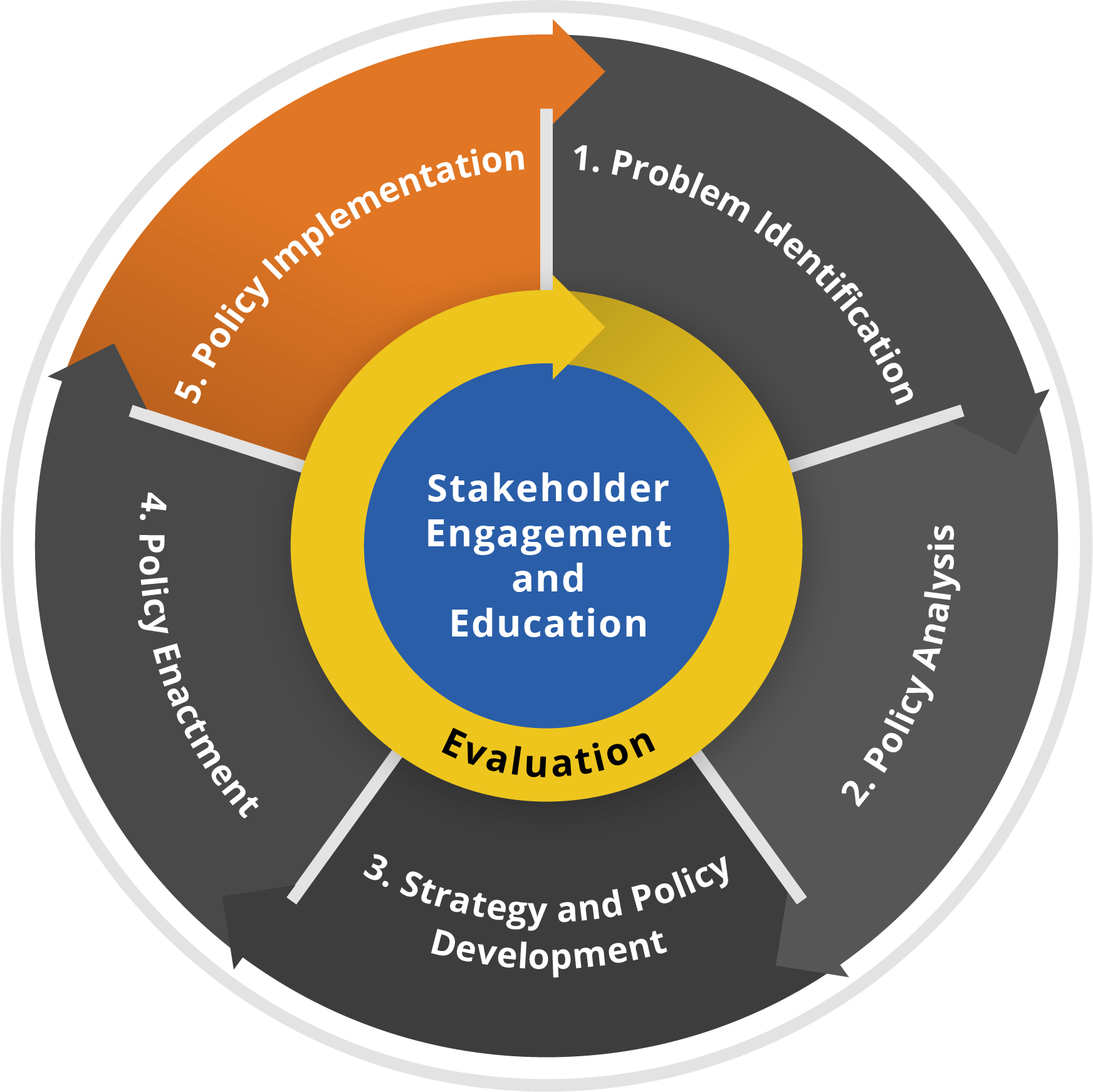
Regulatory Compliance
Navigating the complex landscape of healthcare regulations can be a major challenge for organizations trying to implement new policies. From HIPAA to Medicare billing rules, there are numerous regulations that healthcare providers must adhere to in order to maintain compliance.
Explanation of Regulatory Compliance
When you are trying to implement a new policy in your healthcare organization, it is crucial to ensure that it aligns with all relevant regulations. Failing to comply with regulatory requirements can result in fines, loss of accreditation, and even legal action. Therefore, it is important to thoroughly understand the regulations that apply to your organization and make sure that your policies are in line with them.
Resistance to Change
One of the biggest challenges in healthcare policy implementation is resistance from staff members and other stakeholders. Change can be difficult for many people, especially in a field as critical as healthcare.
Understanding Resistance to Change
When you introduce a new policy or procedure, it is important to consider how it will impact those who are directly involved in its implementation. Employees may resist change for a variety of reasons, such as fear of the unknown, lack of understanding, or concerns about increased workload. By addressing these concerns and involving staff in the decision-making process, you can help mitigate resistance to change and increase the likelihood of successful policy implementation.
Lack of Resources
Implementing new policies in healthcare organizations often requires additional resources, such as funding, staff training, and technology upgrades. Limited resources can pose a significant barrier to policy implementation, making it difficult for organizations to effectively roll out new initiatives.
Importance of Resources
In order to successfully implement a new policy, it is essential to have the necessary resources in place. This includes financial resources to fund the implementation process, human resources to carry out the necessary tasks, and technological resources to support the new policy. Without adequate resources, organizations may struggle to effectively implement their policies, leading to delays and potential failures.
Communication Challenges
Effective communication is essential for successful policy implementation in healthcare settings. From communicating changes to staff members to educating patients about new procedures, clear and concise communication is critical to ensure that everyone is on the same page.
Overcoming Communication Challenges
When implementing a new policy, it is important to communicate openly and transparently with all stakeholders involved. This includes staff members, patients, and external partners. By providing clear and consistent communication throughout the implementation process, you can help ensure that everyone understands the changes being made and their roles in the process.
Data Management
Data plays a crucial role in healthcare policy implementation, as organizations rely on data to monitor progress, make informed decisions, and measure outcomes. However, managing data effectively can be a significant challenge for healthcare providers, especially as the volume of data continues to grow.
Importance of Data Management
In order to successfully implement a new policy, organizations must have reliable data management systems in place. This includes collecting, storing, and analyzing data in a way that is secure, accurate, and accessible to those who need it. By investing in robust data management solutions, healthcare organizations can streamline the policy implementation process and improve their ability to track and measure the impact of new policies.
Stakeholder Engagement
Engaging stakeholders is essential for successful policy implementation in healthcare organizations. From frontline staff to patients to regulatory agencies, there are numerous stakeholders who may have a vested interest in the policies being implemented.
Benefits of Stakeholder Engagement
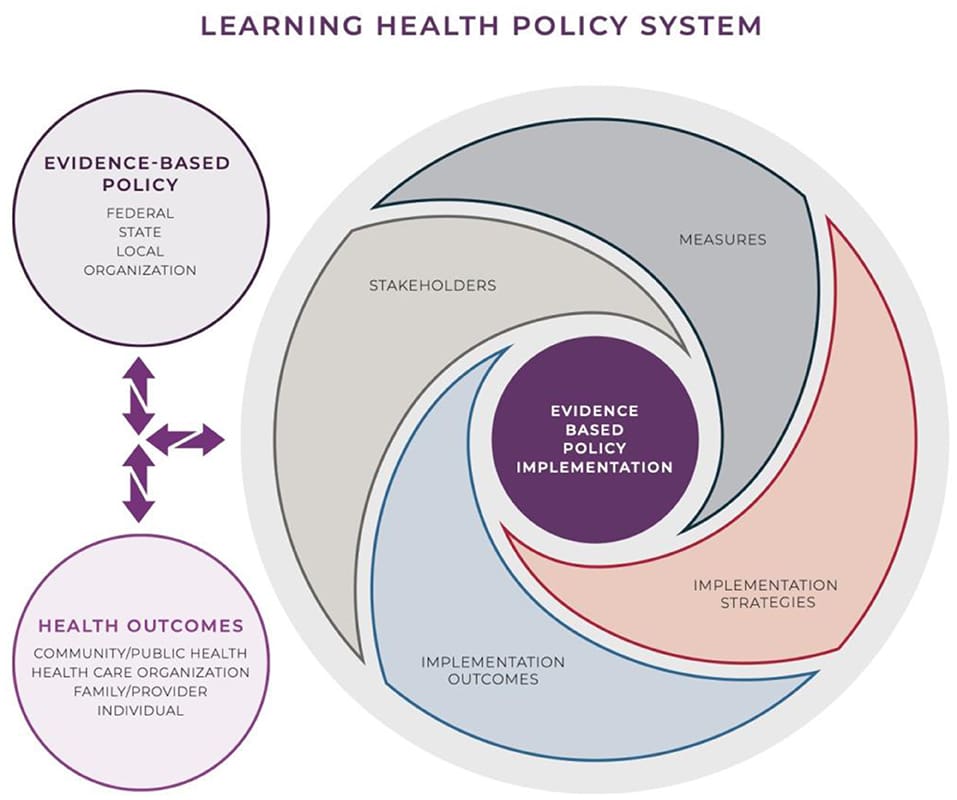
By actively engaging stakeholders throughout the policy implementation process, healthcare organizations can gain valuable insights, address concerns, and build support for their initiatives. When stakeholders feel involved and consulted, they are more likely to buy into the changes being made and support the implementation process. This can ultimately lead to smoother policy implementation and more positive outcomes for both the organization and its stakeholders.
Training and Education
Implementing new policies often requires staff members to acquire new skills and knowledge. Providing effective training and education programs is essential for ensuring that employees are prepared to implement and adhere to new policies.
Importance of Training and Education
Investing in staff training and education can help healthcare organizations overcome one of the biggest challenges in policy implementation: ensuring that employees are equipped to carry out new procedures and protocols. By providing comprehensive training programs that address the specific needs of staff members, organizations can increase the likelihood of successful policy implementation and reduce the risk of errors or noncompliance.
Technology Integration
Technology plays an increasingly important role in healthcare policy implementation, as organizations rely on technology to streamline processes, improve efficiency, and enhance patient care. However, integrating new technologies into existing workflows can be a challenge for healthcare providers.
Advantages of Technology Integration
When implemented effectively, technology can help healthcare organizations overcome many of the challenges associated with policy implementation. From electronic health records to telemedicine platforms, technology solutions can automate processes, improve communication, and enhance data management. By integrating technology into policy implementation strategies, healthcare providers can improve outcomes, increase efficiency, and drive innovation in patient care.
In conclusion, healthcare policy implementation is a complex and challenging process that requires careful planning, communication, and collaboration. By addressing key challenges such as regulatory compliance, resistance to change, resource limitations, and communication barriers, healthcare organizations can improve their ability to successfully implement new policies and procedures. By investing in stakeholder engagement, training and education, data management, and technology integration, healthcare providers can overcome obstacles and achieve positive outcomes in policy implementation. Through careful consideration of these challenges and proactive strategies to address them, healthcare organizations can navigate the complexities of policy implementation and drive positive change in the healthcare industry.