
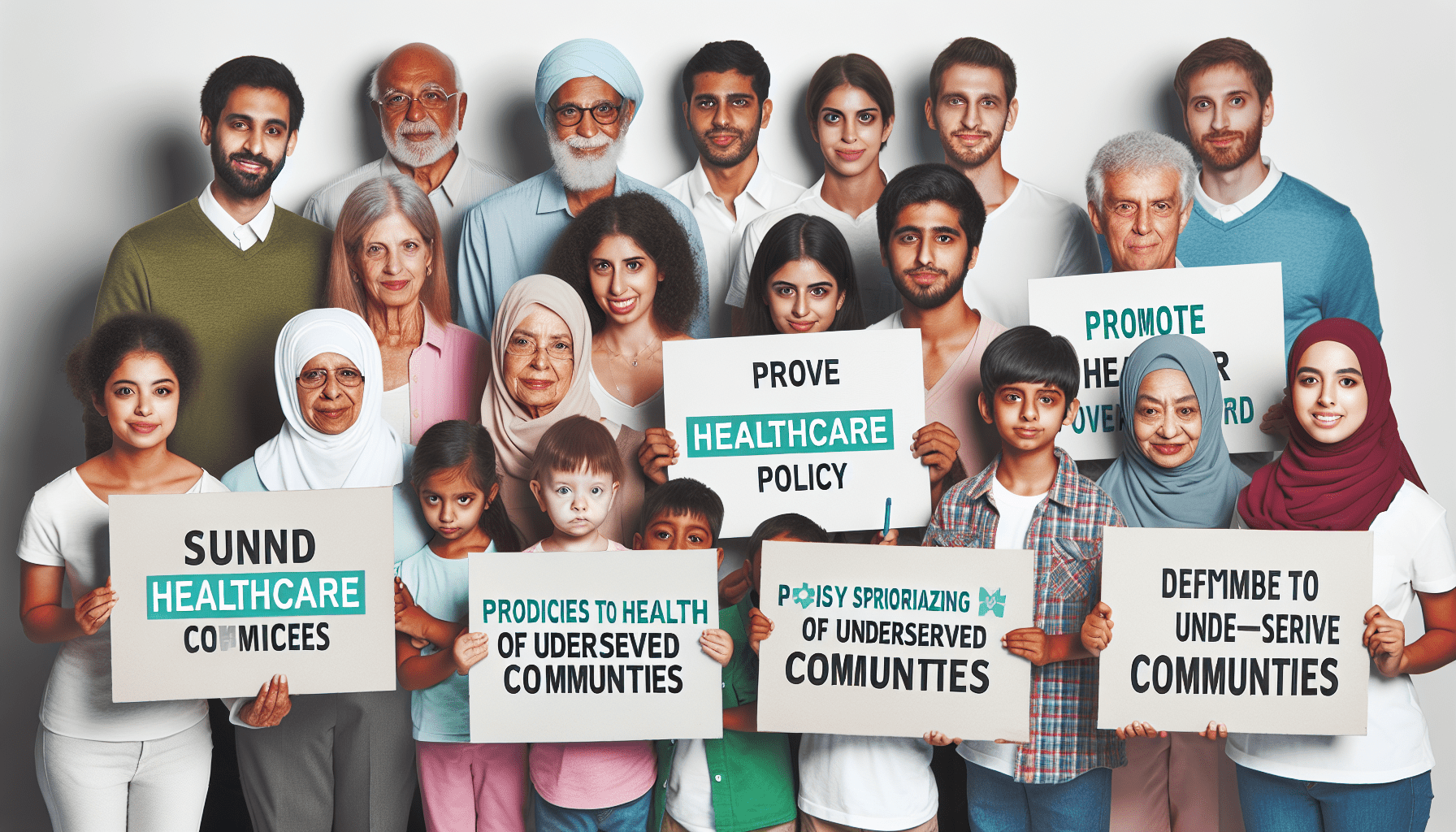
Welcome to an article that explores the importance of championing healthcare policy for underserved communities. By advocating for policies that prioritize the health and well-being of those who often face barriers to accessing quality care, we can work towards creating a more equitable and inclusive healthcare system for all. Join us as we delve into the ways in which policymakers, healthcare providers, and community members can come together to ensure that everyone has access to the resources they need to lead healthy lives. Let’s work together to make a difference in the lives of those who need it most. Have you ever wondered how healthcare policies impact underserved communities? As you dive into this article, you will learn about the importance of championing healthcare policy for underserved communities. Let’s explore how you can make a difference in the healthcare system by advocating for change.
Understanding Underserved Communities
Underserved communities face numerous challenges when it comes to accessing quality healthcare. These communities often have limited resources, including healthcare facilities, healthcare providers, and health education. As a result, residents in underserved communities may not receive the necessary medical attention they need to maintain their health and well-being. By understanding the unique needs of underserved communities, you can begin to advocate for policies that address these disparities.
How can you help underserved communities?
One way you can make a difference is by raising awareness about healthcare disparities in underserved communities. By sharing information about the challenges these communities face, you can help garner support for policy changes that promote access to quality healthcare for all individuals, regardless of their socioeconomic status.
The Role of Healthcare Policy
Healthcare policy plays a crucial role in shaping the healthcare landscape for underserved communities. Policies determine things like funding for healthcare programs, insurance coverage, and access to healthcare services. By advocating for policies that prioritize the needs of underserved communities, you can help ensure that all individuals have equal opportunities to receive high-quality healthcare.
What are some key healthcare policies that impact underserved communities?
- Medicaid Expansion: Medicaid provides health coverage to millions of low-income and underserved individuals. Expanding Medicaid eligibility can help more individuals in underserved communities gain access to healthcare services.
- Affordable Care Act (ACA): The ACA has provisions that aim to improve access to healthcare for underserved populations, including subsidies for low-income individuals to purchase insurance and protections for individuals with pre-existing conditions.
- Community Health Centers: These centers provide essential healthcare services to underserved communities, regardless of a patient’s ability to pay. Supporting funding for community health centers can help ensure that underserved populations have access to primary care services.
Advocating for Change
Advocacy is a powerful tool for driving change in healthcare policy. By speaking out about the importance of addressing healthcare disparities in underserved communities, you can influence policymakers to take action. Advocacy can take many forms, from writing letters to lawmakers to participating in community events that raise awareness about healthcare issues.
How can you become an effective advocate for underserved communities?
- Educate Yourself: Take the time to learn about the healthcare challenges facing underserved communities. By understanding the issues at hand, you can make more informed arguments for policy change.
- Engage with Policymakers: Reach out to your elected officials to express your concerns about healthcare disparities. Meeting with policymakers or their staff can help you communicate the urgency of addressing these issues.
- Collaborate with Community Organizations: Join forces with local organizations that focus on healthcare advocacy. By working together, you can amplify your message and create a united front for change.
Creating Sustainable Solutions
Sustainable solutions are key to addressing long-standing healthcare disparities in underserved communities. Policies that promote sustainable healthcare practices can help ensure that underserved populations have access to quality care now and in the future. By championing policies that support sustainable healthcare solutions, you can help create a healthier future for all individuals.
What are some examples of sustainable healthcare solutions?
- Telehealth Services: Telehealth allows individuals to access healthcare services remotely, reducing the need for in-person visits. This can be especially beneficial for individuals in underserved communities who may have limited access to healthcare facilities.
- Prevention and Wellness Programs: Investing in programs that promote preventive care and healthy lifestyle choices can help reduce the prevalence of chronic conditions in underserved communities. By prioritizing prevention, we can create a healthier population overall.
- Workforce Development Initiatives: Training healthcare providers from underserved communities can help address shortages of healthcare professionals in these areas. By investing in workforce development initiatives, we can ensure that all individuals have access to quality care close to home.
Conclusion
As you reflect on the importance of championing healthcare policy for underserved communities, consider the impact your advocacy can have on the lives of individuals in need. By taking action to support policies that prioritize access to quality healthcare for all individuals, you can help create a more equitable healthcare system for underserved communities. Join the movement to advocate for change and make a difference in the lives of those who need it most.