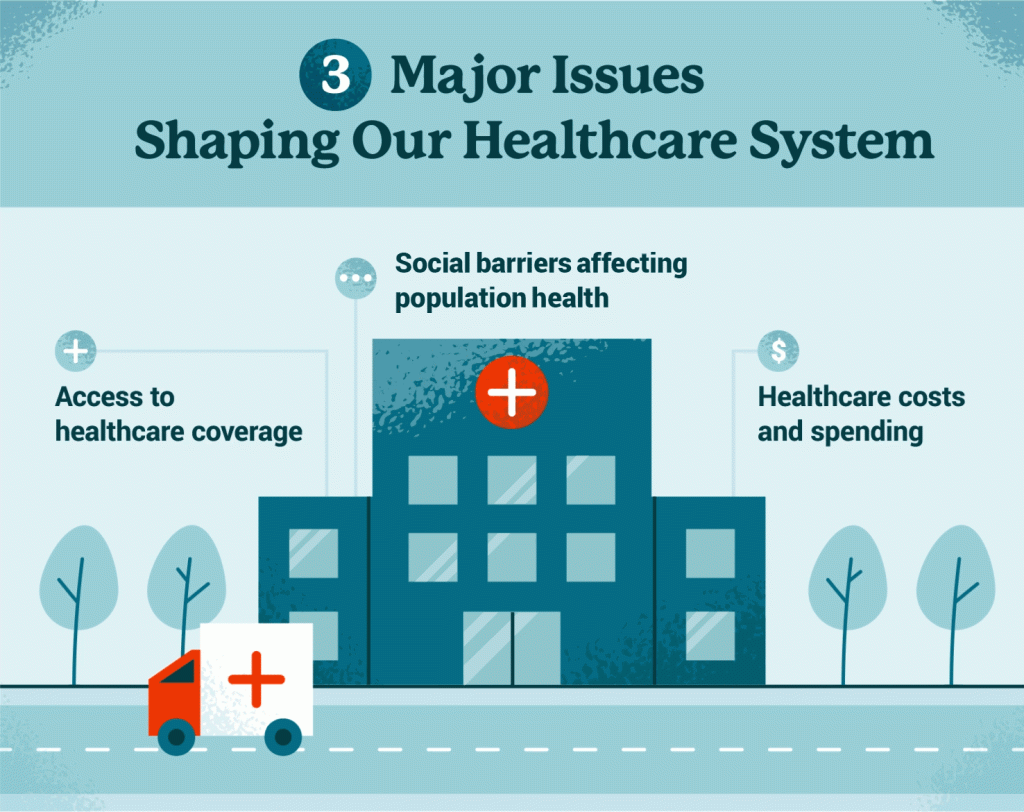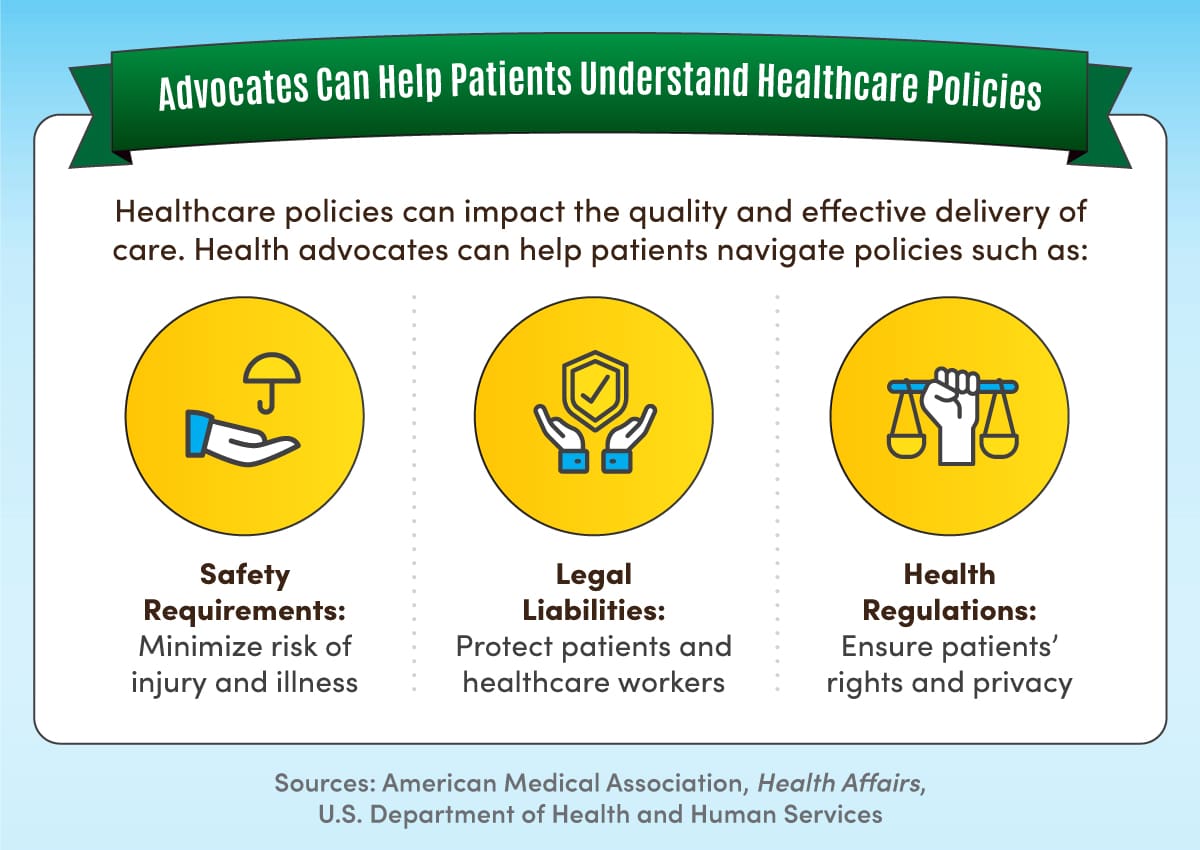
You know the saying, “Think globally, act locally”? Well, when it comes to healthcare policy, it couldn’t be more true. In this article, we’ll explore the best practices for advocating for healthcare policy at the local level. Whether you’re a concerned citizen, a healthcare professional, or a community leader, these tips and strategies will empower you to make a meaningful impact right in your own backyard. From building relationships with local policymakers to mobilizing grassroots support, let’s discover how you can become a catalyst for positive change in your community’s healthcare system.
Understanding the Local Healthcare Landscape
When it comes to advocating for healthcare policy at the local level, it’s crucial to have a thorough understanding of the local healthcare landscape. This involves researching the various healthcare facilities and services available in your community. By familiarizing yourself with the hospitals, clinics, and other healthcare providers in your area, you can better identify any gaps or areas of improvement.
In addition to researching the healthcare facilities, it’s also important to identify key stakeholders in the community. These stakeholders may include healthcare professionals, community leaders, elected officials, and other influential individuals who play a role in shaping healthcare policy. By identifying these key stakeholders, you can target your advocacy efforts more effectively and build collaborative relationships.
To further comprehend the local healthcare landscape, it is crucial to analyze existing healthcare policies in your area. This involves reviewing relevant local laws, regulations, and initiatives that impact healthcare access and quality. By understanding the existing policies, you can identify areas where improvements can be made and develop targeted advocacy strategies.
Building Relationships and Collaborations
Advocating for healthcare policy at the local level requires building strong relationships and collaborations with local healthcare organizations and professionals. Reach out to local hospitals, clinics, and healthcare associations to establish connections and discuss potential partnership opportunities. By working together, you can amplify your advocacy efforts and make a more significant impact on healthcare policy.
Networking with community leaders and influencers is another important aspect of building relationships. Attend community events, join local committees, and engage with influential individuals who have a stake in healthcare policy. By networking with these leaders, you can gain valuable insights, support, and endorsements for your advocacy initiatives.
Forming partnerships with other advocacy groups is also an effective way to strengthen your efforts. Seek out organizations with similar goals and values, and identify opportunities for collaboration. By combining resources and expertise, you can create a collective voice that is more likely to be heard and generate meaningful change.
Developing Clear and Compelling Messages
Crafting clear and compelling messages is essential to effectively advocate for healthcare policy at the local level. Start by developing concise and persuasive talking points that communicate your key messages succinctly. These talking points should address the specific issues you are advocating for and emphasize the importance of your cause.
It’s important to adapt your messages to resonate with different audiences. Tailor your talking points and messaging to address the concerns and interests of different groups, such as healthcare professionals, community members, and elected officials. By customizing your messages, you can effectively engage and persuade diverse stakeholders to support your cause.
Using data and personal stories is an effective way to support your arguments and make them more impactful. Backing up your statements with relevant statistics, research findings, and real-life anecdotes can add credibility and emotional appeal to your advocacy efforts. Collect and share data that highlights the need for specific healthcare policies and emphasize the personal stories of individuals who have been directly affected by the issues you are advocating for.
Engaging and Educating the Community
Engaging and educating the community is a crucial aspect of advocating for healthcare policy at the local level. Hosting public forums and town hall meetings is an effective way to provide a platform for community members to voice their concerns and learn more about healthcare issues. These events allow for open dialogue and can help generate greater awareness and understanding of the issues at hand.
Conducting workshops and informational sessions is another way to educate the community about healthcare policy. Provide resources and information that explain complex healthcare topics in a digestible manner. Offer opportunities for attendees to ask questions and seek further clarification. By providing educational resources and fostering a sense of community engagement, you can empower individuals to become advocates for healthcare policy change.
Utilizing social media and online platforms is essential for reaching a broader audience and maximizing your outreach efforts. Establish a strong online presence through platforms like Facebook, Twitter, and Instagram. Share informative content, advocacy updates, and opportunities for community involvement. Utilize online platforms to spark conversations, raise awareness, and encourage community members to take action.
Mobilizing Grassroots Support
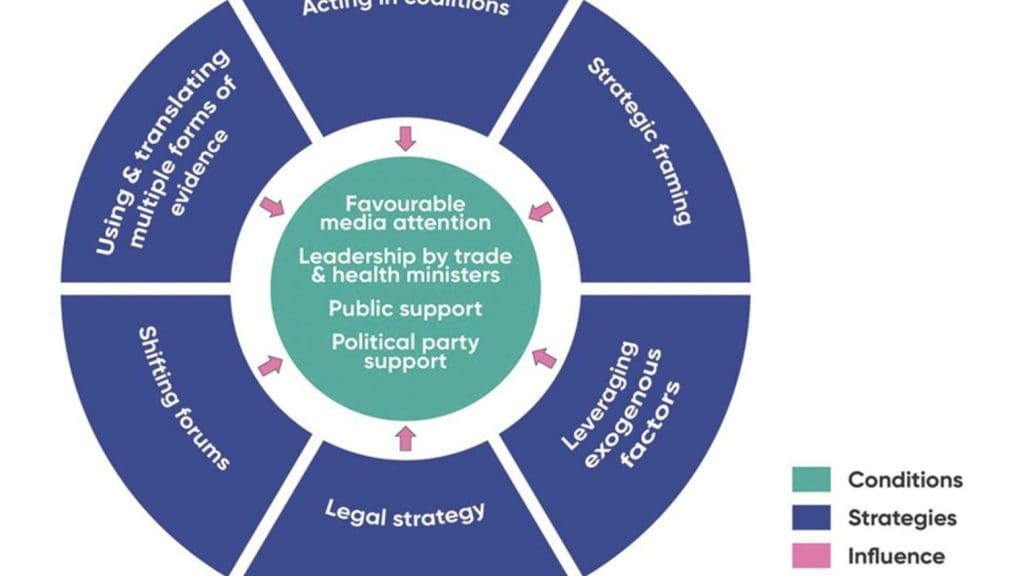
Mobilizing grassroots support is key to driving meaningful change in healthcare policy at the local level. Recruiting volunteers and organizing advocacy teams can greatly expand your reach and impact. Engage community members who are passionate about healthcare issues and empower them to become active advocates in their own right. By creating a network of dedicated volunteers, you can amplify your advocacy efforts and increase community support.
Creating email and letter-writing campaigns is another effective way to mobilize grassroots support. Develop templates or guides that community members can use to easily communicate their concerns and support for specific healthcare policies to their elected officials. Encourage individuals to personalize their messages to make them more impactful. By providing clear instructions and resources, you can make it easier for community members to take action and advocate for change.
Encouraging community members to contact their elected officials directly is a powerful way to mobilize grassroots support. Provide contact information and guidance on how to effectively communicate with elected officials. Emphasize the importance of individual voices and the impact that personal stories can have on decision-makers. By urging community members to directly engage with their elected officials, you can create a groundswell of support for healthcare policy reform.
Understanding the Political Process
To advocate for healthcare policy effectively at the local level, it is crucial to understand the political process. Research the local government structures and decision-making processes to familiarize yourself with the various avenues for influencing healthcare policy. Identify which elected officials have jurisdiction over healthcare-related matters and learn how they make decisions.
Attending city council and county board meetings is an effective way to stay informed and engage with the decision-making process. By attending these meetings, you can learn more about the current discussions and initiatives surrounding healthcare policy. Show up prepared with your talking points and be ready to provide input during public comment periods.
Tracking relevant legislation and policy initiatives is also essential to understanding the political process. Stay updated on proposed bills, resolutions, and other healthcare-related initiatives that are being discussed at the local level. Familiarize yourself with the key provisions and potential impacts of these proposals. By staying informed, you can effectively advocate for or against specific policies and contribute to the decision-making process.
Meeting with Elected Officials
Requesting meetings with elected officials and their staff is an important step in advocating for healthcare policy at the local level. Contact their offices to express your desire to meet and discuss the healthcare issues that you are advocating for. Be prepared to share your key talking points, supporting materials, and any relevant data or personal stories that illustrate the importance of your cause.
During the meeting, effectively communicate your concerns and proposed solutions. Be respectful, concise, and clear in conveying your message. Support your arguments with evidence and examples to make them more persuasive. Be receptive to their feedback and questions, and engage in a constructive dialogue to find common ground and potential areas for collaboration.
Following up with thank-you notes and updates after the meeting is a professional and courteous gesture. Express your appreciation for their time and attention to the healthcare issues you discussed. Provide any additional information or updates that may have arisen since the meeting. Maintaining open lines of communication and building relationships with elected officials is crucial for continued advocacy and progress.
Using Media and Public Relations
Harnessing the power of media and public relations is an important aspect of advocating for healthcare policy at the local level. Writing op-eds and letters to the editor is an effective way to share your perspective and generate public awareness. Craft well-reasoned and concise pieces that highlight the importance of your cause and propose solutions. Engage with local news outlets and submit your pieces for consideration.
Pitching stories to local news outlets is another way to leverage media for advocacy purposes. Identify compelling stories or angles related to healthcare policy and reach out to reporters or journalists who cover healthcare or policy issues. Provide them with a concise pitch that outlines why your story is newsworthy and offer to serve as a resource for additional information or interviews. By securing media coverage, you can amplify your message and reach a wider audience.
Organizing press conferences and media events is a strategic way to draw attention to your cause. Invite local news outlets, reporters, and influencers to attend and cover the event. Prepare talking points, press releases, and visual materials to present a compelling case for your healthcare policy advocacy. Create opportunities for interviews and follow-up discussions to continue the dialogue beyond the event.
Monitoring and Evaluating Progress
Monitoring and evaluating progress are crucial elements of effective advocacy for healthcare policy at the local level. Track policy changes and healthcare initiatives to assess their impact on the community. Evaluate whether the proposed solutions are being implemented and if they are effectively addressing the identified healthcare issues.
Collect feedback and input from the community to gauge the level of satisfaction and the impact of the advocacy efforts. Regularly engage with community members through surveys, focus groups, or public forums to gather valuable insights. Use this feedback to refine your advocacy strategies and adapt your approach as needed.
Assessing the impact of advocacy efforts requires both quantitative and qualitative analysis. Track measurable outcomes, such as changes in legislation or healthcare service availability. Additionally, collect and share stories of individuals who have been positively affected by the healthcare policy changes. Showcase these successes to demonstrate the tangible impact of your advocacy and inspire continued support from the community.
Collaborating with State and National Organizations
Collaborating with state-level healthcare advocacy groups can greatly enhance your local advocacy efforts. Identify organizations with a similar mission and work towards common goals. By partnering with these state-level organizations, you can leverage their resources, expertise, and existing networks for greater impact. Pooling resources and coordinating efforts can lead to more effective advocacy strategies and improved outcomes.
Partnering with national organizations working on similar issues is another way to enhance your local advocacy. Identify reputable national organizations with a focus on healthcare policy and explore opportunities for collaboration. These organizations often have existing campaigns and initiatives that you can participate in or gain inspiration from. By joining forces with national organizations, you can tap into their expertise and broaden the reach of your advocacy efforts.
Leveraging resources and expertise for greater impact is essential. Collaborate with state and national organizations to access research, data, and best practices. Collaborative efforts can also increase your credibility and influence when engaging with policymakers. By working together, you can advocate for healthcare policy change at a broader level and drive meaningful improvements in the local healthcare landscape.
In conclusion, advocating for healthcare policy at the local level requires a comprehensive approach that includes understanding the local healthcare landscape, building relationships and collaborations, developing clear and compelling messages, engaging and educating the community, mobilizing grassroots support, understanding the political process, meeting with elected officials, using media and public relations, monitoring and evaluating progress, and collaborating with state and national organizations. By following these best practices, you can effectively advocate for change and drive improvements in the local healthcare system, benefitting the community as a whole.