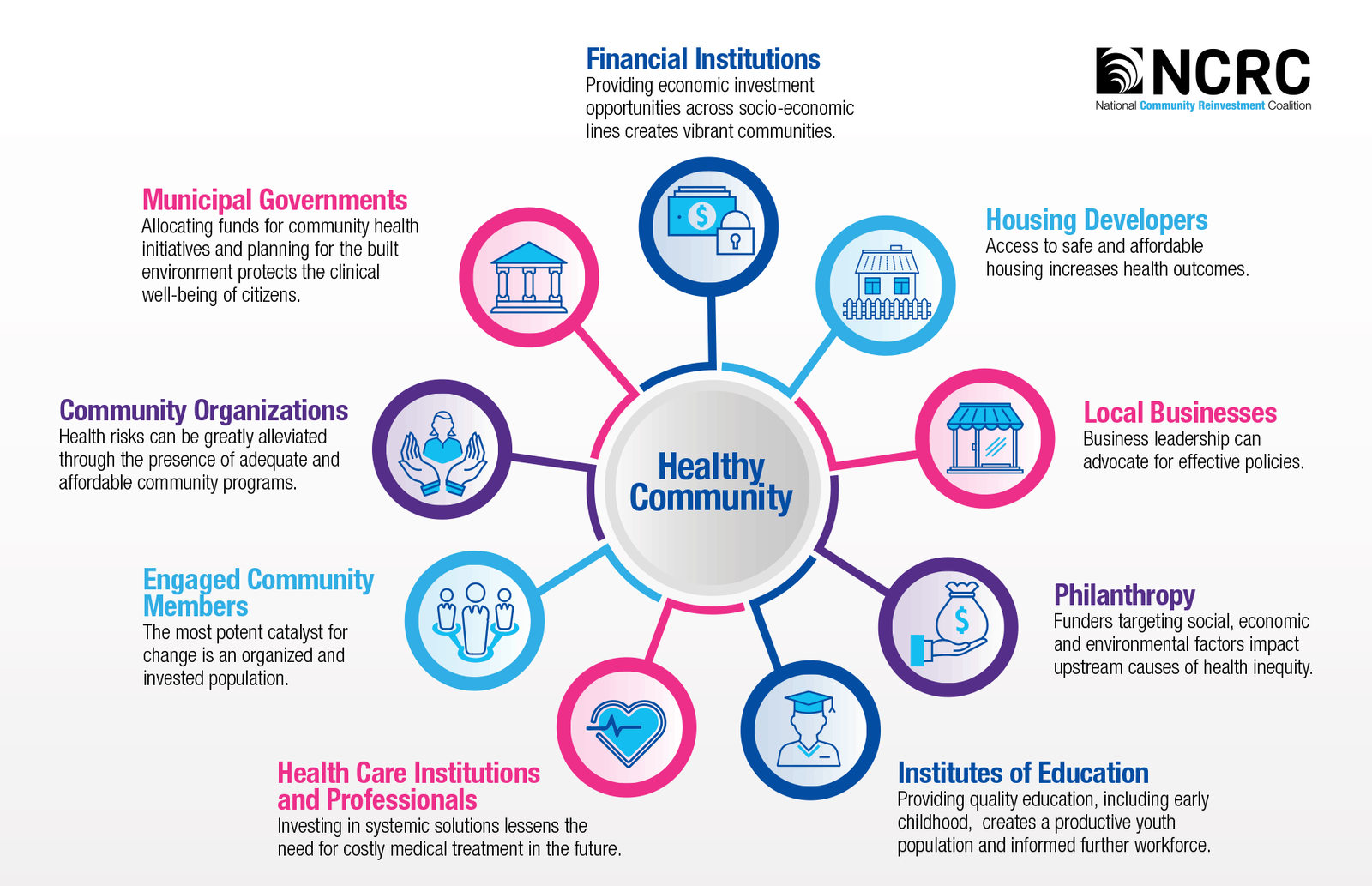
In this informative article, you will be taken on a captivating journey through the various ways healthcare policy has influenced the realm of community-based care. From the implementation of new regulations to the allocation of funding, you will gain insights into how these policies have shaped the landscape of healthcare services provided within local communities. Discover how these changes have both positively and negatively impacted the accessibility and quality of care, ultimately affecting the overall well-being of individuals and their communities. So, fasten your seatbelts and get ready to delve into the fascinating world of healthcare policy and its profound influence on community-based care.
Background of Community-based Care
Definition and concept
Community-based care refers to a model of healthcare delivery that focuses on providing medical services and support to individuals within their own communities, rather than in a traditional healthcare facility such as a hospital. This approach recognizes the importance of addressing the healthcare needs of individuals within the context of their social, economic, and cultural environments.
Benefits and importance of community-based care
Community-based care offers numerous benefits to individuals and communities alike. By providing care and support within the community, individuals are able to receive timely and appropriate care that is tailored to their unique needs. This approach also fosters a sense of belonging and support, as individuals are able to access care within familiar environments and among trusted community members.
Additionally, community-based care plays a crucial role in promoting preventive care initiatives and addressing social determinants of health. By working within the community, healthcare providers can identify and address factors such as housing insecurity, food insecurity, and lack of access to education that contribute to poor health outcomes. The emphasis on holistic care in community-based settings can lead to improved overall health and well-being for individuals and communities.
Overview of Healthcare Policy
Definition and purpose of healthcare policy
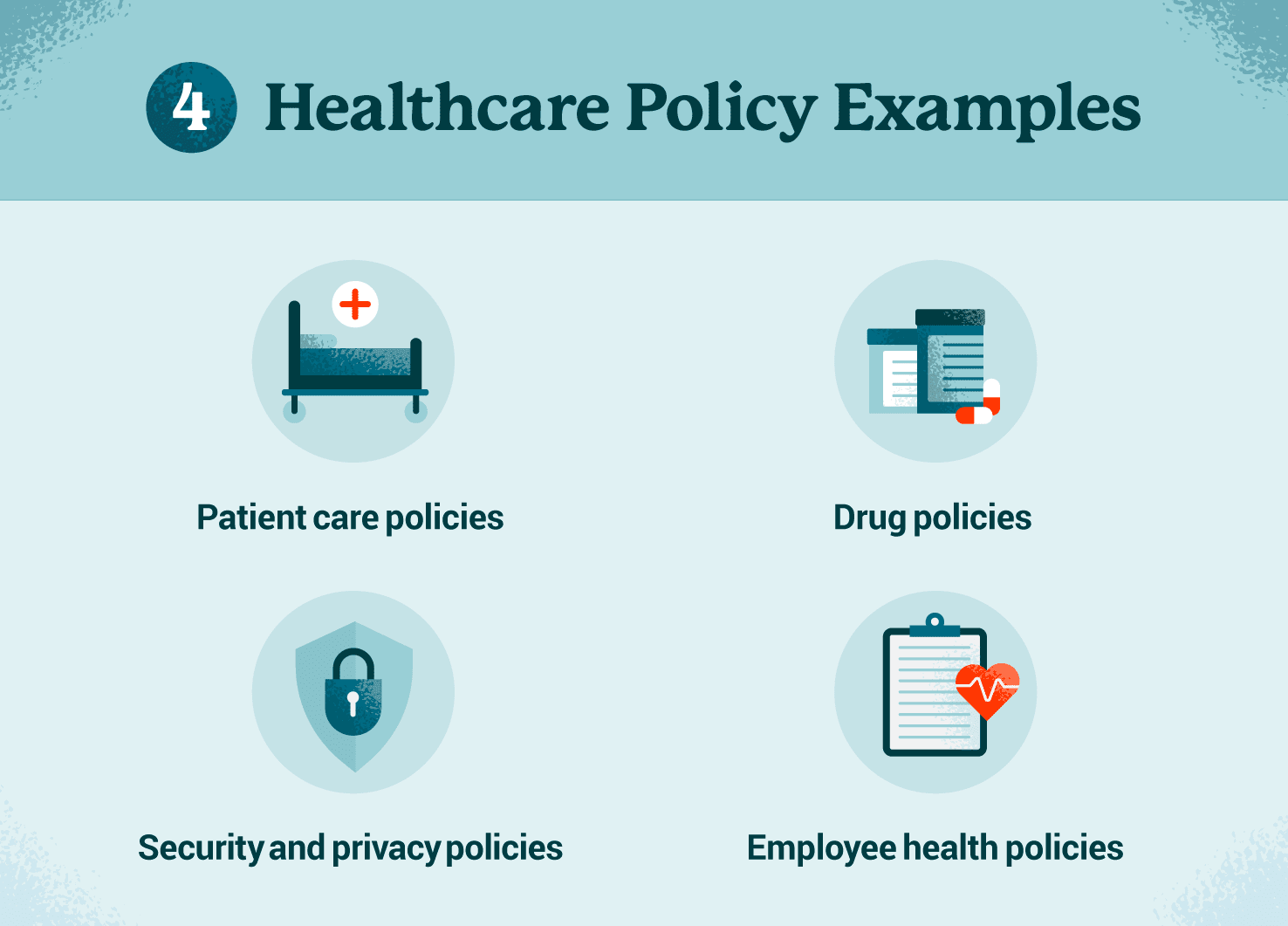
Healthcare policy encompasses the laws, regulations, and guidelines that govern the provision and financing of healthcare services within a particular jurisdiction. The purpose of healthcare policy is to establish a framework for ensuring access to high-quality healthcare services, promoting health equity, and safeguarding the rights and well-being of individuals.
Relevance of healthcare policy to community-based care
Healthcare policy directly impacts community-based care by shaping the funding, regulatory, and operational landscape in which these services are provided. Policies regarding healthcare funding, insurance coverage, and reimbursement models can have a significant influence on the availability and sustainability of community-based care initiatives. Additionally, regulations and guidelines regarding the scope of practice for healthcare providers, health information privacy, and quality standards can impact the delivery and outcomes of community-based care.
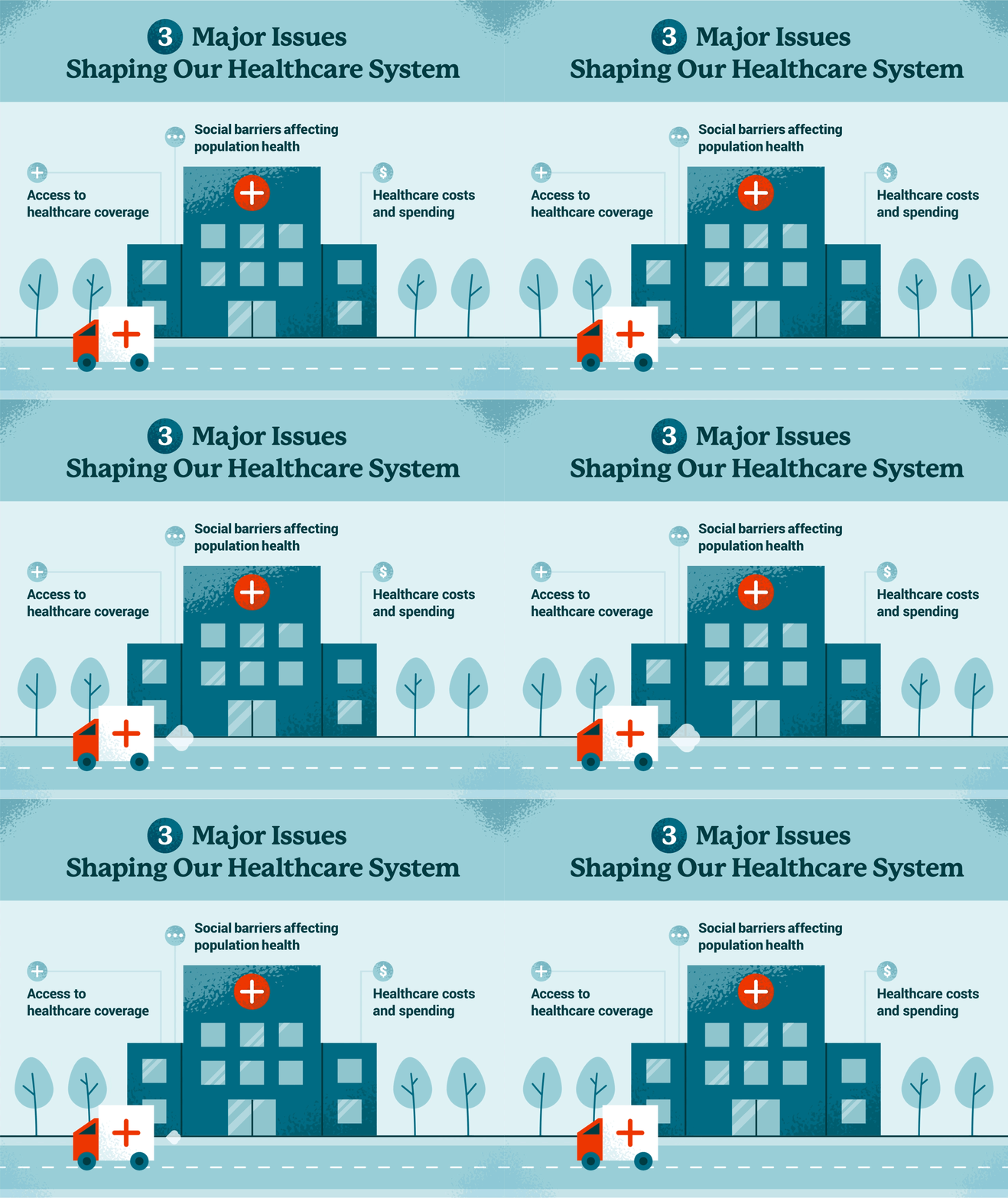
The Evolution of Healthcare Policy
Historical changes in healthcare policy
Over the years, healthcare policy has undergone significant changes in response to evolving healthcare needs and societal priorities. In the United States, for example, the establishment of Medicare and Medicaid in the 1960s represented a pivotal shift in healthcare policy, expanding access to care for certain populations. Subsequent policy changes, such as the passage of the Affordable Care Act in 2010, aimed to further increase access to healthcare services and establish a more comprehensive and equitable healthcare system.
Impact of policy changes on community-based care
Policy changes have had both positive and negative impacts on community-based care. For example, the expansion of healthcare coverage under the Affordable Care Act created new opportunities for individuals to access community-based care services. However, funding cuts or changes in reimbursement models have at times made it more challenging for community-based care providers to sustain their operations. Understanding the historical context of healthcare policy is crucial for understanding the current landscape and advocating for policies that support community-based care.
Current Healthcare Policy Landscape
National healthcare policies
At the national level, healthcare policies set by the federal government impact community-based care across the country. For example, the Centers for Medicare and Medicaid Services (CMS) establish reimbursement rates for services provided to individuals covered by these programs. Additionally, federal policies often shape the availability of grant funding and resources that support community-based care initiatives.
State and local healthcare policies
State and local governments also play a critical role in shaping healthcare policy and its impact on community-based care. States have the authority to establish their own Medicaid programs, which can vary significantly in terms of coverage and reimbursement policies. Additionally, local health departments and community organizations may implement policies and initiatives to support community-based care at the grassroots level.
Implications for community-based care
The current healthcare policy landscape has a direct impact on community-based care. Changes in reimbursement rates, coverage policies, and regulatory requirements can influence the financial viability and sustainability of community-based care initiatives. Additionally, variations in policy implementation across states and localities can create disparities in access to care and services.
Challenges Faced by Community-based Care
Funding limitations
One of the primary challenges faced by community-based care is limited funding. Community-based care initiatives often rely on a patchwork of funding sources, including grants, donations, and insurance reimbursements. However, securing sustainable funding can be challenging, particularly for smaller organizations and those serving underserved populations. Limited funding can hinder the ability of community-based care providers to meet the growing demand for services and invest in the necessary infrastructure and resources.
Regulatory barriers
Community-based care providers also face regulatory barriers that can impede their ability to deliver care effectively. Licensing requirements, scope of practice restrictions, and administrative burdens can create challenges for community-based providers, particularly those operating across state lines or in underserved areas. These barriers can limit the ability of providers to fully meet the needs of their communities and may create inefficiencies in the delivery of care.
Workforce shortages
Another challenge faced by community-based care is workforce shortages. The demand for healthcare professionals, such as nurses, social workers, and primary care physicians, often outpaces supply, particularly in rural and underserved areas. This shortage can strain community-based care initiatives, as they struggle to recruit and retain qualified providers. Additionally, workforce shortages can limit the scope and capacity of community-based care, inhibiting the ability to meet the diverse needs of the community.
Positive Impacts of Healthcare Policy on Community-based Care
Increased funding opportunities
Healthcare policies that prioritize community-based care can create increased funding opportunities for these initiatives. For example, government grants and funding programs may be specifically earmarked for community-based care initiatives, providing financial support for their operations and expansion. Additionally, policies that promote value-based care models, which prioritize outcomes and patient satisfaction, can incentivize insurers and payers to invest in community-based care as a cost-effective alternative to traditional care settings.
Expansion of healthcare coverage
Policies aimed at expanding healthcare coverage, such as the Medicaid expansion under the Affordable Care Act, have had a positive impact on community-based care. Increased coverage and access to healthcare services allow more individuals to seek care in community-based settings, reducing the strain on emergency departments and hospitals. This expansion can lead to improved health outcomes and cost savings for both individuals and the healthcare system.
Support for preventive care initiatives
Healthcare policies that support preventive care initiatives have the potential to significantly benefit community-based care. By investing in preventive services, policymakers can identify and address health issues early on, reducing the need for more intensive and costly interventions down the line. Community-based care providers are well-positioned to deliver preventive care services, such as screenings, vaccinations, and education programs, within the communities they serve. Supportive policies can enhance the capacity of community-based care initiatives to deliver preventive care and promote overall health and wellness.
Negative Impacts of Healthcare Policy on Community-based Care
Reduction in funding
While some policies may increase funding opportunities for community-based care, others can result in a reduction in funding. Cuts to government funding programs or changes in reimbursement models can limit the financial resources available to community-based care providers. This reduction in funding can directly impact the availability and quality of services provided, potentially leading to reduced access and a diminished ability to meet the needs of the community.
Restrictions on access to care
Healthcare policies, such as changes in insurance coverage requirements or provider networks, can also result in restrictions on access to care. Certain policies may require individuals to seek care from a limited network of providers or may limit coverage for services provided outside of traditional healthcare settings. This can pose challenges for individuals who rely on community-based care services or who live in underserved areas with limited access to traditional healthcare facilities.
Changes in reimbursement models
Changes in reimbursement models, such as a shift towards bundled payments or value-based care, can have unintended consequences for community-based care providers. While these models aim to promote more efficient and effective care delivery, they may not always align with the unique needs and challenges faced by community-based care initiatives. The transition to new reimbursement models can require significant operational changes and may create financial uncertainties for community-based care providers.
Case Studies of Successful Community-based Care Models
Examples of community-based care initiatives
Numerous community-based care initiatives have demonstrated success in addressing the healthcare needs of their communities. For example, the Community Health Worker (CHW) model, which trains and employs individuals from the community to provide health education and support, has shown promising outcomes in improving access to care and health outcomes for underserved populations. Another example is the establishment of community health centers, which provide comprehensive primary care services within the community, often targeting low-income individuals and those without health insurance.
Factors contributing to their success
Successful community-based care models often share certain key factors. These include strong partnerships with local stakeholders, such as community organizations, schools, and government agencies, to leverage resources and support. Effective engagement and involvement of community members in the planning and implementation of care initiatives is also crucial. Additionally, flexibility and adaptability in responding to the unique needs and challenges of the community, as well as a focus on holistic and patient-centered care, contribute to the success of community-based care models.

Policy Recommendations
Improved funding allocation for community-based care
To support the sustainability and expansion of community-based care initiatives, policymakers should prioritize improved funding allocation. This can involve increasing overall funding for community-based care programs, establishing dedicated funding streams, and exploring innovative financing models. By ensuring adequate funding, policymakers can provide community-based care providers with the resources needed to deliver high-quality care and address the healthcare needs of their communities.
Reducing regulatory barriers
To promote the growth and effectiveness of community-based care, policymakers should strive to reduce regulatory barriers. This can include streamlining licensing and certification processes, expanding the scope of practice for certain healthcare professionals, and creating flexible regulatory frameworks that accommodate the unique characteristics of community-based care. By reducing regulatory burdens, policymakers can enable community-based care providers to focus on delivering care rather than navigating unnecessary administrative hurdles.
Enhancing recruitment and retention of healthcare professionals
To address workforce shortages in community-based care, policymakers should consider strategies to enhance the recruitment and retention of healthcare professionals. This may include providing incentives, such as loan forgiveness programs or increased reimbursement rates, to attract providers to underserved areas and community-based care settings. Additionally, investing in training and professional development opportunities for community-based care providers can help enhance their skills and ensure the delivery of high-quality care.
Conclusion
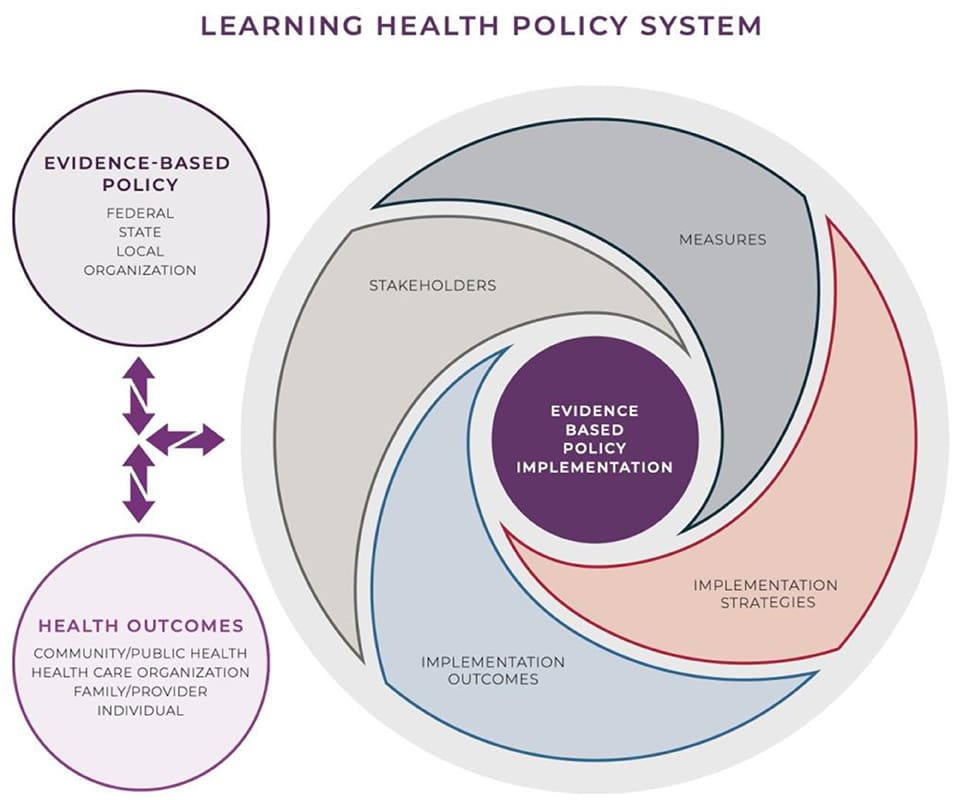
In conclusion, healthcare policy has a significant impact on community-based care. Policies that prioritize funding and support for community-based care initiatives can lead to improved access, better health outcomes, and increased cost-efficiency. However, challenges such as limited funding, regulatory barriers, and workforce shortages can hinder the delivery of community-based care. By implementing policy recommendations that prioritize adequate funding, reduce regulatory barriers, and enhance the healthcare workforce, policymakers can support the growth and sustainability of community-based care initiatives. Ongoing evaluation and adaptation of healthcare policies are crucial to ensure that community-based care continues to meet the evolving healthcare needs of individuals and communities.