
Welcome, dear reader! In this article, we will explore the intricate world of healthcare policy making and the political factors that come into play. You will gain insight into how policymakers navigate the complexities of the healthcare system, the impact of political ideologies, and the importance of collaboration to make informed decisions that shape the future of healthcare for all. Let’s dive in and uncover the underlying dynamics of healthcare policy making together!
Understanding The Politics Of Healthcare Policy Making
Have you ever wondered how healthcare policies are developed and implemented in your country? In this article, we will dive into the intricate world of healthcare policy making, exploring the political processes and stakeholders involved in shaping healthcare policies. By the end of this article, you will have a better understanding of how healthcare policies are created and the impact they have on the healthcare system and society as a whole.
The Role of Government in Healthcare Policy Making
When it comes to healthcare policy making, the government plays a crucial role in setting the direction and priorities for the healthcare system. Governments have the responsibility to ensure that all citizens have access to affordable and quality healthcare services. They do this by developing and implementing healthcare policies that regulate and govern the healthcare sector.
The government’s involvement in healthcare policy making can be seen at both the national and local levels. At the national level, the federal government is responsible for setting overarching healthcare policies that apply to the entire country. These policies often focus on issues such as healthcare funding, insurance coverage, and public health initiatives.
On the other hand, local governments are responsible for implementing national healthcare policies within their respective regions. They work closely with healthcare providers, insurers, and community organizations to ensure that healthcare policies are effectively implemented and that the needs of their populations are met.
Stakeholders in Healthcare Policy Making
In the complex world of healthcare policy making, there are various stakeholders involved, each with their own interests and agendas. These stakeholders play a crucial role in shaping healthcare policies and influencing the decision-making process. Some of the key stakeholders in healthcare policy making include:
-
Government: As mentioned earlier, the government plays a central role in healthcare policy making. Government agencies such as the Department of Health and Human Services (HHS) are responsible for developing and implementing healthcare policies at the national level.
-
Healthcare Providers: Healthcare providers, including hospitals, physicians, and other healthcare professionals, are important stakeholders in healthcare policy making. They often provide valuable input on healthcare policies based on their expertise and experiences working in the healthcare system.
-
Insurance Companies: Insurance companies play a significant role in healthcare policy making, especially when it comes to issues related to healthcare financing and coverage. They often advocate for policies that benefit their members and help control healthcare costs.
-
Patient Advocacy Groups: Patient advocacy groups represent the interests of patients and work to ensure that healthcare policies prioritize patient care and protection. They often advocate for policies that improve healthcare access, affordability, and quality for patients.
-
Community Organizations: Community organizations play a vital role in healthcare policy making by representing the needs and interests of local communities. They often work closely with governments and healthcare providers to advocate for policies that address community health issues and disparities.
The Policy Making Process
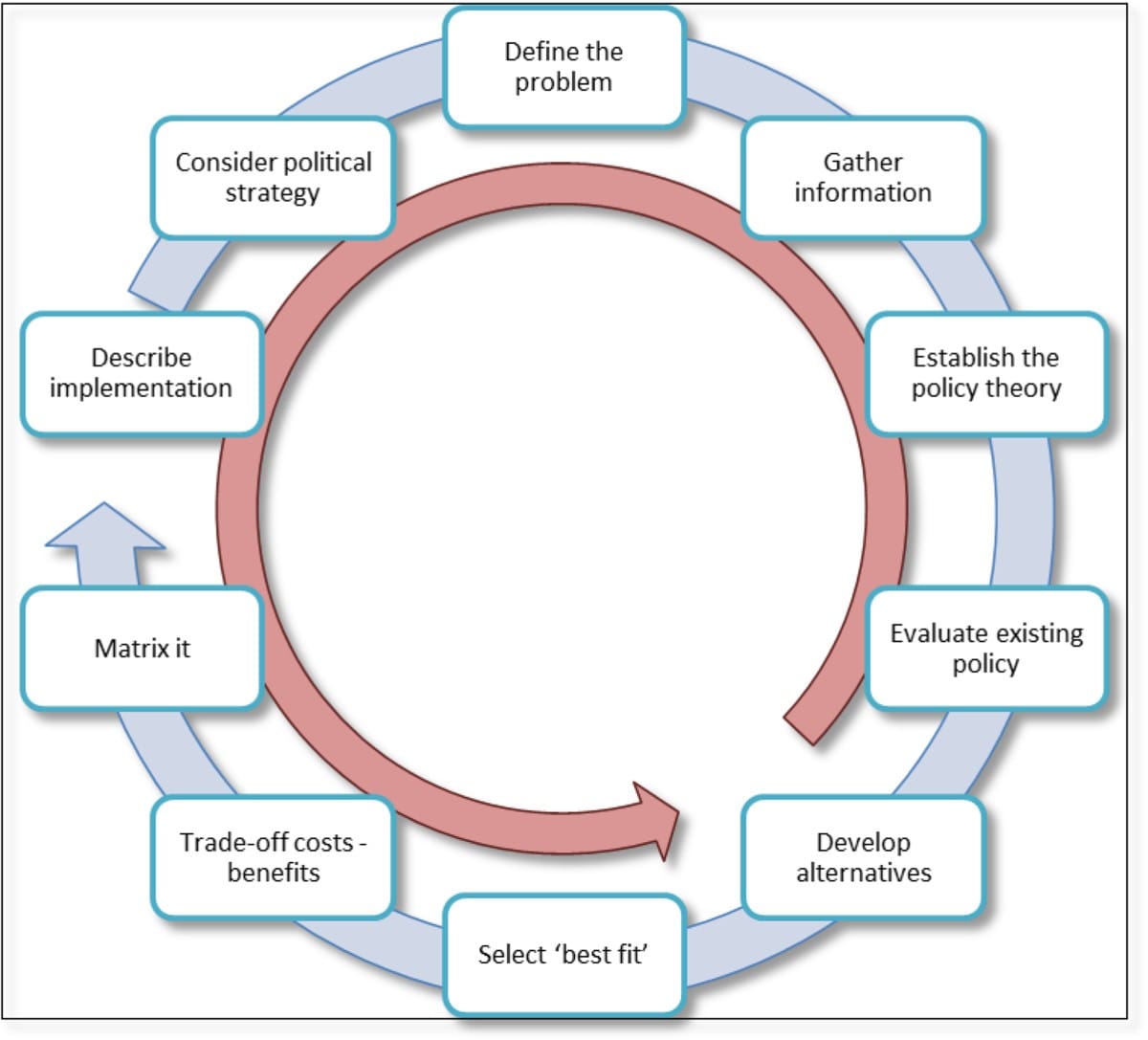
The healthcare policy making process can be complex and multi-faceted, involving various stages and decision points. Understanding how policies are developed and implemented can help you navigate the healthcare system more effectively and advocate for policies that align with your interests. Here are the key stages of the healthcare policy making process:
-
Agenda Setting: The first stage of the policy making process is agenda setting, where issues are identified and prioritized for policy development. This stage often involves research, data collection, and stakeholder consultations to determine which healthcare issues require attention and action.
-
Policy Formulation: Once an issue has been identified, policymakers work to formulate policies that address the issue and achieve specific outcomes. This stage involves developing policy proposals, conducting cost-benefit analyses, and evaluating the potential impact of the policies on the healthcare system.
-
Policy Adoption: After policies have been formulated, they must be adopted by relevant government bodies or agencies. This stage often involves legislative processes, public hearings, and consultations with stakeholders to gather feedback and input on the proposed policies.
-
Policy Implementation: Once policies have been adopted, they must be implemented effectively to achieve the desired outcomes. This stage often involves working with healthcare providers, insurers, and other stakeholders to ensure that policies are implemented as intended and that services are delivered according to the policy guidelines.
-
Policy Evaluation: Finally, policies must be evaluated to determine their effectiveness and impact on the healthcare system. This stage often involves monitoring key performance indicators, collecting data on outcomes, and conducting evaluations to assess whether the policies have achieved their intended objectives.
Policy Approaches in Healthcare
When it comes to developing healthcare policies, policymakers can take different approaches to address various healthcare issues and challenges. Each approach has its own strengths and limitations, and policymakers must carefully consider which approach is most appropriate for the specific issue at hand. Here are some common policy approaches in healthcare:
-
Regulatory Approach: The regulatory approach involves using laws and regulations to govern and control the healthcare system. Policymakers often use this approach to ensure quality standards, protect patient rights, and promote transparency in healthcare delivery.
-
Market-Based Approach: The market-based approach relies on market forces and competition to drive efficiency and innovation in the healthcare system. Policymakers often use this approach to encourage competition among healthcare providers, insurers, and other stakeholders to improve quality and reduce costs.
-
Public Health Approach: The public health approach focuses on promoting population health and preventing diseases through public health interventions. Policymakers often use this approach to address public health issues such as epidemics, chronic diseases, and environmental health threats.
-
Social Determinants Approach: The social determinants approach recognizes that social factors such as income, education, and environment can impact health outcomes. Policymakers often use this approach to address health disparities and inequalities by addressing the root causes of poor health.
Key Challenges in Healthcare Policy Making
Despite the best efforts of policymakers and stakeholders, healthcare policy making is not without its challenges. There are various factors that can complicate the policy making process and hinder the effective implementation of policies. Here are some key challenges in healthcare policy making:
-
Political Gridlock: Political gridlock occurs when policymakers are unable to reach consensus on healthcare issues, leading to delays or inaction on critical policy decisions. This can result in a lack of progress on key healthcare reforms and a failure to address pressing healthcare challenges.
-
Lack of Funding: Adequate funding is essential for implementing healthcare policies and programs effectively. However, limited funding can constrain the scope and impact of healthcare policies, making it difficult to achieve desired outcomes and improve healthcare access and quality.
-
Resistance to Change: Resistance to change can impede the implementation of new healthcare policies and reforms, especially among stakeholders who may be impacted by the changes. Overcoming resistance to change requires effective communication, stakeholder engagement, and collaboration to build support for new policies.
-
Complexity of the Healthcare System: The healthcare system is complex and multi-dimensional, with various stakeholders, regulations, and processes that can make policy making challenging. Policymakers must navigate this complexity and work collaboratively with stakeholders to develop and implement policies that are effective and sustainable.
Case Studies in Healthcare Policy Making
To better understand how healthcare policies are developed and implemented, let’s explore a few case studies of healthcare policy making in different countries. These case studies highlight the diversity of approaches and challenges in healthcare policy making and provide insights into the complexities of the healthcare system.
Case Study 1: The Affordable Care Act (ACA) in the United States
The Affordable Care Act (ACA), also known as Obamacare, is a landmark healthcare policy in the United States that aimed to expand access to healthcare coverage, improve quality, and reduce costs. The ACA was signed into law in 2010 and introduced various reforms to the healthcare system, including the creation of health insurance marketplaces, expansion of Medicaid, and protections for patients with pre-existing conditions.
Despite its ambitious goals, the ACA faced significant challenges and controversies, including legal battles, political opposition, and implementation issues. While the ACA expanded healthcare coverage to millions of Americans, it also faced criticism for its high costs, regulatory burdens, and impact on the healthcare system.
Case Study 2: National Health Service (NHS) in the United Kingdom
The National Health Service (NHS) in the United Kingdom is a publicly funded healthcare system that provides universal healthcare coverage to all residents. Established in 1948, the NHS is one of the largest and oldest single-payer healthcare systems in the world, funded through general taxation and free at the point of use.
The NHS has faced various challenges over the years, including rising costs, increased demand for services, and workforce shortages. Despite these challenges, the NHS remains a cherished institution in the UK, providing high-quality and accessible healthcare services to millions of people.
Conclusion
In conclusion, understanding the politics of healthcare policy making is essential for navigating the complex world of healthcare and advocating for policies that align with your interests. By exploring the role of government, stakeholders, policy approaches, challenges, and case studies in healthcare policy making, you can gain valuable insights into how healthcare policies are developed and implemented in different countries.
Next time you hear about a new healthcare policy or reform, take a moment to consider the political processes and stakeholders involved in shaping that policy. By becoming more informed and engaged in healthcare policy making, you can help drive positive change in the healthcare system and contribute to the well-being of society as a whole.