
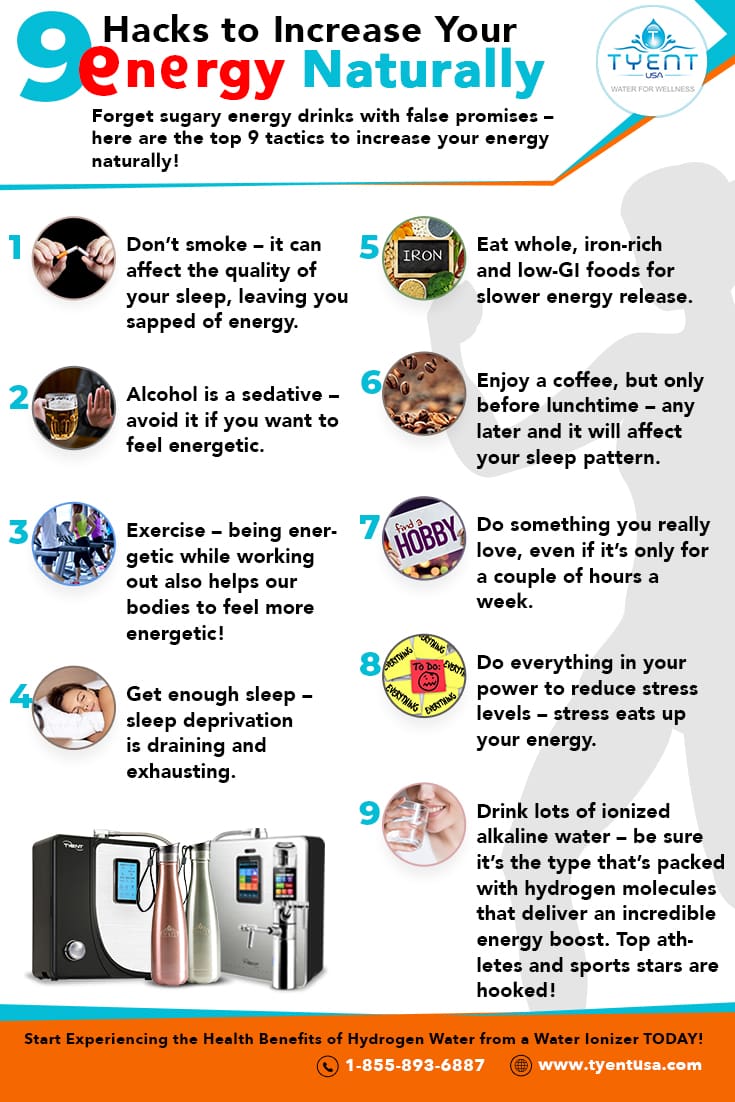
As you age, it’s natural to notice a decline in your energy levels. Whether it’s struggling to get through the day or feeling drained after simple tasks, low energy can hinder your overall well-being. But fear not, because there are plenty of ways you can boost your energy levels as you age. From adopting a healthy lifestyle to incorporating exercise and getting enough sleep, these simple tips and tricks can help you regain your zest for life and feel rejuvenated. Say goodbye to feeling tired and hello to a more energized and vibrant you!
Get Regular Exercise
Regular exercise is essential for maintaining good health and boosting your energy levels as you age. Engaging in aerobic exercises, such as brisk walking, jogging, or cycling, helps improve cardiovascular health and increases oxygen flow throughout your body. Aim for at least 150 minutes of moderate-intensity aerobic activity or 75 minutes of vigorous-intensity activity each week.
In addition to aerobic exercise, incorporating strength training into your routine is crucial. Strength training helps build muscle mass, increases bone density, and improves stability and balance, reducing the risk of falls and fractures. Include exercises that target all major muscle groups, such as weightlifting, resistance band workouts, or bodyweight exercises, at least twice a week.
Do not forget to include flexibility and balance exercises in your exercise routine. These exercises, such as yoga or tai chi, improve joint range of motion, enhance posture, and reduce the risk of injuries. Focus on stretching major muscle groups, practicing balance poses, and incorporating exercises that promote body awareness.
If you prefer low-impact activities that are easy on your joints, consider swimming, water aerobics, or cycling. These activities provide excellent cardiovascular benefits without putting excessive stress on your joints, making them ideal options for individuals with joint pain or age-related conditions.
Adopt a Healthy Diet
A nutritious and balanced diet is a key factor in maintaining optimal energy levels. Make sure your meals include all essential nutrients, such as carbohydrates, proteins, healthy fats, vitamins, and minerals. Opt for lean protein sources like chicken, fish, and legumes, and try to include food items from all food groups.
Fruits and vegetables should form a significant portion of your diet. These colorful and nutrient-rich foods are packed with vitamins, minerals, and antioxidants that help protect against age-related diseases. Aim for at least five servings of fruits and vegetables each day, and choose a variety of options to ensure you get a wide range of nutrients.
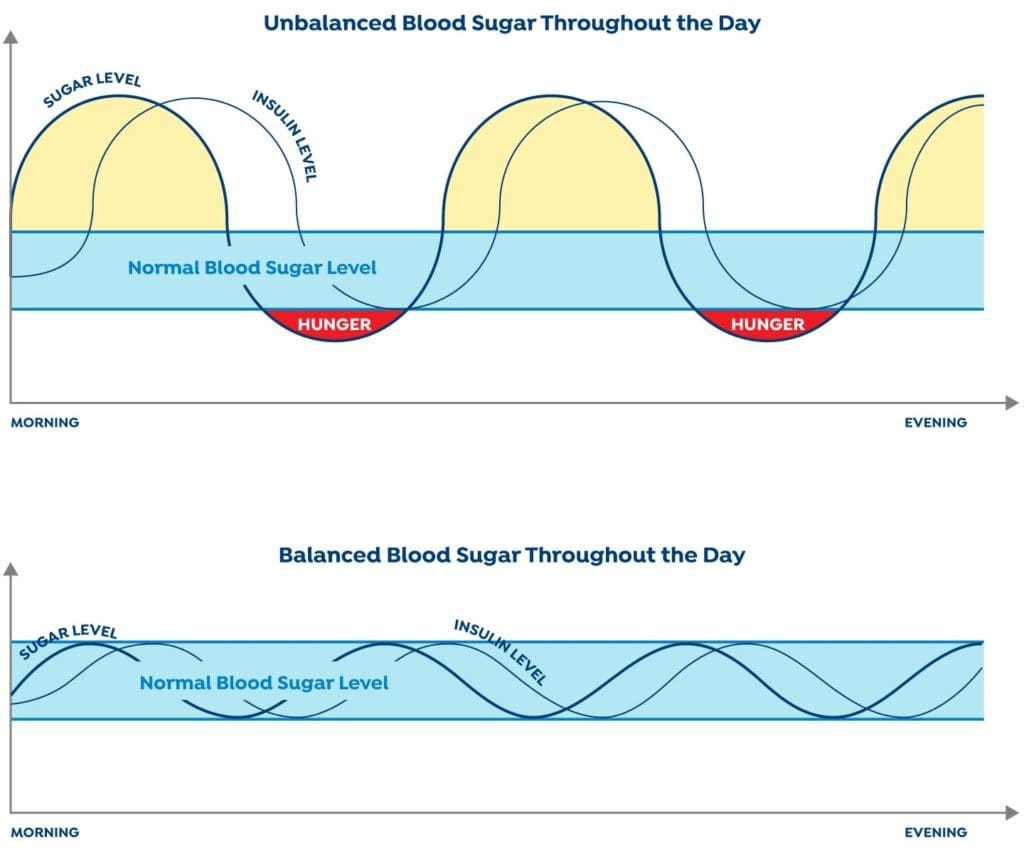
When it comes to carbohydrates, opt for whole grains instead of refined carbs. Whole grains, such as whole wheat, oats, quinoa, and brown rice, are digested slowly, providing a steady release of energy throughout the day. They also contain more fiber, which promotes healthy digestion and helps prevent constipation.
Staying hydrated is crucial for maintaining optimal energy levels. Make sure you drink enough water throughout the day, as dehydration can lead to fatigue and decreased cognitive function. Sugary beverages should be limited as they can cause energy crashes and contribute to weight gain. Instead, rely on water as your primary source of hydration.
Processed and sugary foods should also be limited in your diet. These foods are often high in calories, unhealthy fats, and added sugars, which can lead to weight gain, inflammation, and various health problems. Opt for whole, unprocessed foods whenever possible, and use natural sweeteners like honey or maple syrup in moderation.
Another important aspect of a healthy diet is moderating your alcohol and caffeine intake. Excessive alcohol can disrupt your sleep patterns, lead to dehydration, and contribute to liver problems. High caffeine intake, especially in the afternoon or evening, can interfere with your sleep quality. So, make sure you consume these substances in moderation.
Prioritize Quality Sleep
Getting sufficient, high-quality sleep is crucial for maintaining energy levels and overall well-being as you age. Establishing a consistent sleep schedule helps regulate your body’s internal clock, making it easier to fall asleep and wake up at the desired times. Try to go to bed and wake up at the same time each day, even on weekends.
Creating a relaxing bedtime routine can help prepare your body and mind for sleep. Engage in activities that promote relaxation, such as taking a warm bath, reading a book, or practicing deep breathing exercises. Avoid stimulating activities, like watching thrilling TV shows or working on electronic devices, as they can interfere with your ability to fall asleep.
Ensure your sleeping environment is comfortable, dark, and quiet. Investing in a supportive mattress, comfortable pillows, and blackout curtains can improve the quality of your sleep. Keep the temperature in your bedroom cool, as a slightly lower temperature promotes better sleep.
Avoid using electronic devices, such as smartphones, tablets, or laptops, before bed. The blue light emitted by these devices can suppress the production of melatonin, the hormone that regulates sleep. Instead, try reading a book or listening to relaxing music to wind down before sleep.
If you struggle with daytime sleepiness or have trouble falling asleep at night, limit daytime napping. Taking short power naps of around 20 minutes can be refreshing, but longer naps or napping late in the day can interfere with your nighttime sleep.
Manage Stress Levels
Chronic stress can negatively impact your energy levels and overall well-being. Therefore, it is essential to manage stress effectively as you age. Engaging in relaxation techniques, such as meditation, deep breathing, or progressive muscle relaxation, can help reduce stress and promote a sense of calmness.
Activities that you enjoy can also help you unwind and relieve stress. Whether it’s engaging in hobbies, spending time in nature, or pursuing creative outlets like painting or playing music, finding activities that bring you joy can significantly reduce stress levels.
Seeking social support from friends and family is another effective way to manage stress. Talking with loved ones, sharing your feelings, and receiving support can provide a sense of connection and emotional comfort. Surround yourself with positive and supportive individuals who uplift you.
Staying organized and managing your time effectively can also reduce stress levels. Create a schedule or to-do list to prioritize tasks and responsibilities, and break larger tasks into smaller, manageable steps. This can help you stay on top of your responsibilities and alleviate the feeling of being overwhelmed.
If you find that stress is significantly impacting your daily life and well-being, consider seeking therapy or counseling. Professional help can provide you with the necessary tools and strategies to manage stress more effectively and improve your overall mental health.

Stay Mentally Active
Keeping your mind engaged and stimulated is vital for maintaining cognitive function and mental sharpness as you age. Engage in brain-stimulating activities, such as puzzles, crosswords, or Sudoku, to challenge your brain and improve cognitive abilities.
Learning new skills or hobbies also keeps your mind active and engaged. Whether it’s learning to play a musical instrument, picking up a new language, or taking up a new sport, learning new things exercises your brain and enhances its flexibility.
Staying socially engaged is equally crucial for maintaining mental well-being. Joining clubs, volunteering in your community, or participating in group activities can help you connect with others, stimulate your brain through social interactions, and prevent feelings of isolation or loneliness.
Challenge your mind with memory exercises. Practice memorization techniques, such as reciting lists or memorizing poem verses. Engage in activities that require memorization, such as reading aloud, playing memory games, or memorizing song lyrics. These exercises can help improve your memory and cognitive function.
Maintain a Healthy Weight
Maintaining a healthy weight is essential for overall health and well-being. Monitoring your calorie intake is crucial in managing your weight. Consume a balanced diet and keep track of the number of calories you consume each day. Ensure you have a calorie deficit if you are trying to lose weight.
Regular physical activity is another key factor in maintaining a healthy weight. Incorporate moderate-intensity aerobic activities, such as walking, swimming, or cycling, into your routine to burn calories and maintain muscle mass. Aim for at least 150 minutes of aerobic activity each week.
Consulting a healthcare professional can provide you with personalized guidance on maintaining a healthy weight. Your doctor can help determine your ideal weight range and offer recommendations on nutrition and exercise specific to your age, body type, and any underlying health conditions you may have.

Stay Hydrated
Staying hydrated is essential for maintaining optimal energy levels and overall health. Make sure to drink plenty of water throughout the day, as dehydration can lead to fatigue, decreased cognitive function, and other health problems. Keep a water bottle handy and sip on it regularly to ensure adequate hydration.
Limit the consumption of sugary beverages, such as soft drinks, energy drinks, or fruit juices. These beverages often contain high levels of added sugars, which can cause energy crashes and contribute to weight gain. Instead, choose water as your primary source of hydration.
Monitor your hydration levels, especially in hot weather or during physical activity. If you notice signs of dehydration, such as dark-colored urine, dry mouth, or excessive thirst, increase your water intake. Pay attention to your body’s signals and drink water whenever you feel thirsty.
Avoid Smoking and Limit Alcohol
Smoking is detrimental to your overall health, including your energy levels. If you are a smoker, quitting smoking is one of the best decisions you can make for your well-being. Smoking damages your respiratory system, reduces lung capacity, and restricts oxygen flow in your body, leading to decreased energy levels.
Moderate alcohol consumption is generally considered safe for most individuals. However, excessive alcohol consumption can have negative effects on your energy levels and overall health. It can disrupt your sleep patterns, contribute to weight gain and inflammation, and increase the risk of various health conditions.
If you struggle with smoking or alcohol addiction, seek professional help. Many resources, such as support groups or counseling services, are available to assist you in overcoming these habits and improving your overall health.
Take Regular Breaks
Listening to your body’s signals and taking regular breaks is important for maintaining energy levels and preventing excessive fatigue. Avoid prolonged sitting or inactivity, as it can lead to muscle stiffness, decreased circulation, and lower energy levels. Incorporate short breaks and stretching exercises into your daily routine to keep your body active and prevent fatigue.
If you have a sedentary job, try standing up and stretching every hour or taking short walking breaks. This helps improve blood circulation, prevents muscle stiffness, and keeps your energy levels up. Incorporate simple stretching exercises, such as neck rolls, shoulder stretches, and gentle leg movements, to relieve tension and increase energy levels.
During breaks, engage in activities that help you relax and recharge. Take a short walk outside, practice deep breathing techniques, or listen to calming music. These activities can help alleviate stress, improve mental clarity, and boost your energy levels.
Get Regular Check-ups
Regular check-ups with your healthcare provider are essential for monitoring your overall health and addressing any potential concerns. Routine check-ups allow your doctor to assess your physical and mental well-being, screen for diseases or conditions, and provide personalized recommendations for your specific needs.
During these check-ups, your healthcare provider may perform various tests and screenings to evaluate your health. This may include measuring your blood pressure, cholesterol levels, and conducting blood tests to check for any underlying conditions. Be sure to discuss any concerns or symptoms you may be experiencing, as early detection and intervention are crucial for effective management.
If you have any chronic conditions, such as diabetes, hypertension, or arthritis, regular check-ups are especially important. Your healthcare provider can monitor your condition, adjust medications if needed, and provide guidance on managing your symptoms.
Ultimately, taking care of your overall health through regular exercise, a healthy diet, quality sleep, stress management, mental stimulation, maintaining a healthy weight, staying hydrated, avoiding smoking and excessive alcohol, taking regular breaks, and getting regular check-ups can significantly boost your energy levels as you age. By adopting these habits and making your well-being a priority, you can enjoy a vibrant and energetic lifestyle.
