
Staying active and fit is important for seniors to maintain their overall health and well-being. Engaging in regular exercise not only helps to improve strength and flexibility, but also reduces the risk of various health conditions. In this article, we will explore a range of the best exercises for seniors, tailored to their specific needs and abilities, to help them stay active and fit as they age. Whether it’s gentle stretching, low-impact cardio, or strength training, there are plenty of options to keep seniors moving and enjoying an active lifestyle.
1. Walking
Benefits of walking for seniors
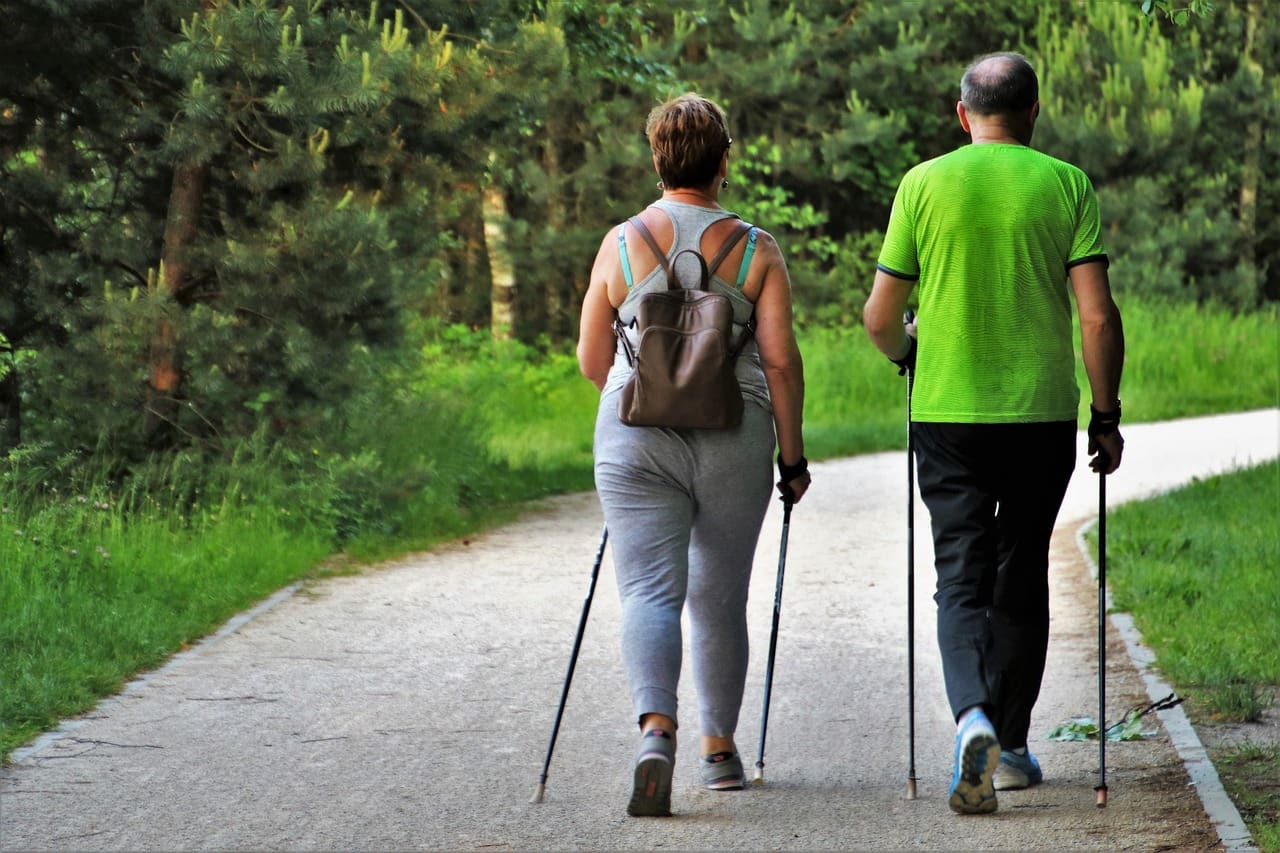
Walking is one of the best exercises for seniors as it offers numerous benefits for both physical and mental health. First and foremost, walking is a low-impact exercise that is easy on the joints, making it suitable for seniors of all fitness levels. By engaging in regular walking, you can improve cardiovascular health, strengthen your bones and muscles, and maintain a healthy weight. Walking also helps to improve balance and coordination, reducing the risk of falls, which is a common concern among seniors. Moreover, walking promotes mental well-being by reducing stress and anxiety, improving sleep quality, and boosting overall mood.
Tips for walking as exercise
If you are a senior looking to incorporate walking into your exercise routine, here are some tips to make the most out of your walking sessions. First, it’s important to start with a warm-up to prepare your muscles for activity. This can be as simple as walking at a slower pace for a few minutes before increasing your speed. Next, make sure to wear comfortable and supportive shoes to reduce the risk of foot or joint pain. It’s also advisable to choose safe walking routes, preferably well-lit and free from obstacles, to ensure a pleasant and hazard-free experience. Lastly, don’t forget to cool down and stretch after each walking session to improve flexibility and prevent muscle soreness.
2. Water Aerobics
Benefits of water aerobics for seniors
Water aerobics, also known as aqua aerobics, is an excellent exercise option for seniors, especially those with joint pain or limited mobility. The buoyancy of water reduces the impact on joints, making it a low-stress exercise that is gentle on the body. Water aerobics provides a full-body workout, engaging various muscle groups and improving cardiovascular fitness. The resistance provided by the water also helps to strengthen muscles, increase flexibility, and improve balance and coordination. Additionally, exercising in water can provide a sense of relaxation and relief from any discomfort or stiffness.
Tips for water aerobics
If you’re interested in trying water aerobics, here are some tips to get started. First, it’s essential to find a qualified instructor or join a group class specifically designed for seniors. They will guide you through the exercises and ensure you are using proper form to maximize the benefits and minimize the risk of injuries. Additionally, it’s important to wear appropriate swimwear and footwear that provides traction to prevent slipping. Start with gentle movements and gradually increase the intensity as your strength and stamina improve. Finally, don’t forget to hydrate before, during, and after your water aerobics session, as staying hydrated is crucial for optimal performance.
3. Yoga
Benefits of yoga for seniors
Yoga is a popular exercise choice for seniors due to its numerous benefits for both the body and mind. Firstly, yoga helps to improve flexibility, which is essential for maintaining mobility and preventing injuries as we age. It also helps to strengthen muscles, improve balance, and increase overall body strength. Yoga can be a great stress-reliever by promoting relaxation and calming the mind through deep breathing and meditation techniques. Additionally, regular yoga practice can improve sleep quality, boost mood, and enhance overall mental well-being.
Types of yoga suitable for seniors
When it comes to yoga for seniors, it’s important to choose classes or styles that are suitable for older adults. Gentle or chair yoga classes are ideal for those who have limited mobility, as they focus on slow, controlled movements and can be modified to accommodate individual needs. Hatha yoga, which involves holding poses for longer periods, is also well-suited for seniors, as it helps build strength and improves balance. Restorative yoga, which uses props to support the body in various relaxing poses, is excellent for promoting relaxation and relieving muscle tension. It’s important to listen to your body and choose the type of yoga that feels comfortable and suits your abilities.
4. Strength Training
Importance of strength training for seniors
Strength training is crucial for seniors as it helps to maintain muscle mass and bone density, prevent age-related muscle loss, and reduce the risk of falls and fractures. Regular strength training exercises can also improve balance, coordination, and functional abilities, allowing seniors to perform daily activities with ease. Additionally, strength training boosts metabolism, leading to better weight management and increased energy levels. It can also improve joint health and alleviate symptoms of arthritis by strengthening the muscles surrounding the joints.
Safe strength training exercises for seniors
When embarking on a strength training program, it’s important for seniors to start slowly and gradually increase the intensity and duration of their workouts. It’s advisable to seek professional guidance from a certified personal trainer or physical therapist to ensure proper form and technique. A well-rounded strength training routine for seniors should include exercises that target major muscle groups, such as the legs, arms, back, chest, and core. Some examples of safe and effective strength training exercises for seniors include squats, lunges, bicep curls, tricep dips, and planks. It’s important to use appropriate weights or resistance bands and focus on maintaining proper form throughout each exercise.

5. Cycling
Benefits of cycling for seniors
Cycling is an excellent exercise option for seniors looking to improve cardiovascular fitness and strengthen their leg muscles. It is a low-impact activity that places minimal stress on the joints, making it suitable for individuals with joint pain or arthritis. Regular cycling can help improve heart health, lower blood pressure, and reduce the risk of heart disease, stroke, and diabetes. It also provides a great opportunity to enjoy the outdoors and soak in Vitamin D from natural sunlight. Cycling can have a positive impact on mental well-being by reducing stress levels and improving mood.
Tips for cycling as exercise
If you’re considering cycling as a form of exercise, here are some tips to ensure a safe and enjoyable experience. First and foremost, invest in a comfortable and properly fitted bicycle, taking into consideration factors such as frame size, seat height, and handlebar position. It’s crucial to wear a well-fitting helmet and brightly colored clothing to enhance visibility and promote safety. Before each ride, perform a quick pre-ride check to ensure that the brakes, tires, and gears are functioning properly. Start with shorter rides and gradually increase the duration and intensity as your fitness level improves. Lastly, don’t forget to stay hydrated and carry a water bottle with you during your cycling sessions.
6. Tai Chi
Benefits of Tai Chi for seniors
Tai Chi is a gentle and low-impact martial art that offers numerous benefits for seniors. It is characterized by slow and flowing movements, combined with deep breathing and mental concentration. Regular Tai Chi practice can improve balance, flexibility, and coordination, reducing the risk of falls and enhancing overall physical stability. It also helps to strengthen muscles and improve posture, which can alleviate back and joint pain. Tai Chi promotes relaxation and stress reduction through its meditative and mindful nature, leading to improved mental clarity and emotional well-being.
Tai Chi exercises for seniors
If you’re interested in practicing Tai Chi as a senior, it’s advisable to join a Tai Chi class specifically designed for older adults or seek guidance from a qualified instructor. The basic Tai Chi exercises such as the “Opening” and “Closing” movements, “Wave Hands Like Clouds,” and “Grasp Sparrow’s Tail” can be practiced to improve body awareness, balance, and flexibility. The “Tai Chi Walk” exercise is also beneficial for seniors, as it combines gentle movements with weight shifting and coordinated breathing. It’s important to remember that Tai Chi is a gradual and continuous practice, and consistency is key to experiencing the full range of benefits.
7. Chair Exercises
Benefits of chair exercises for seniors
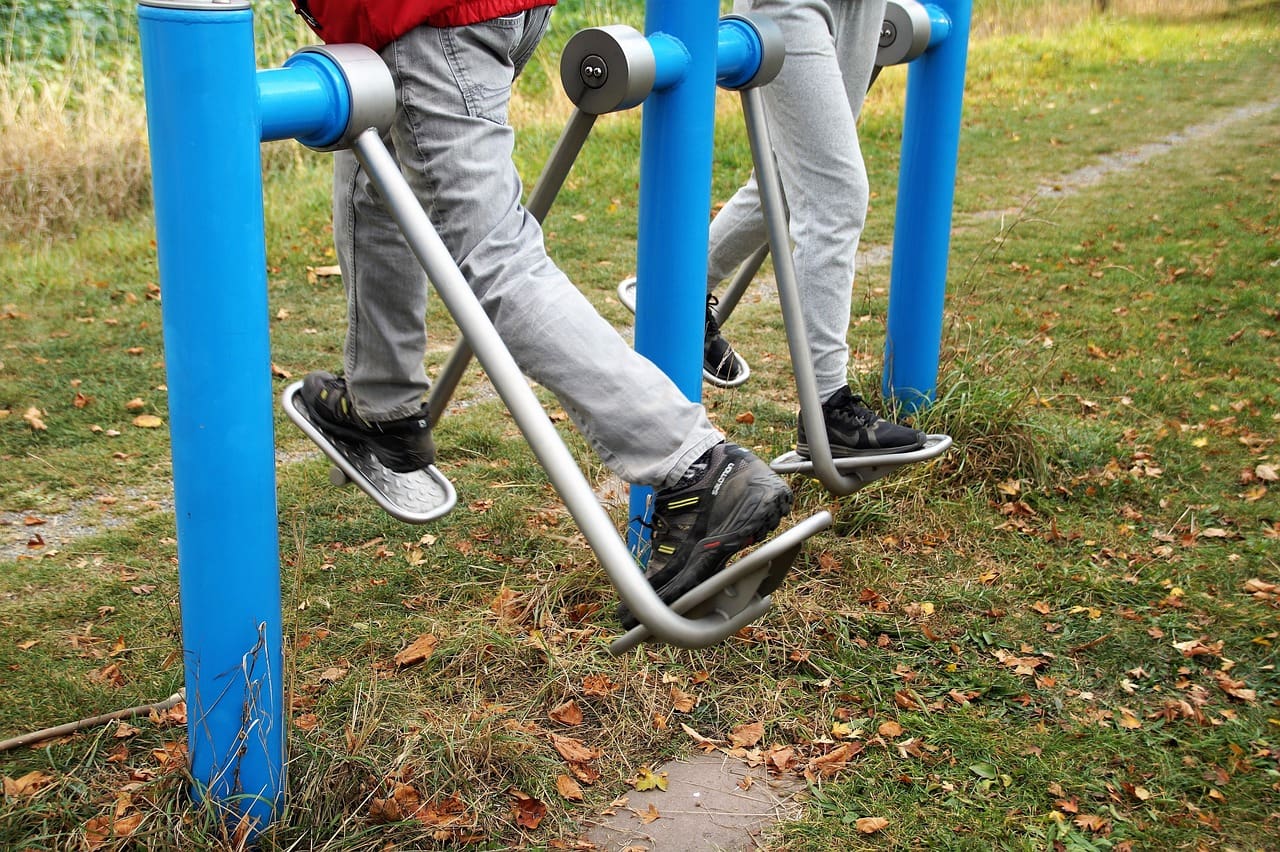
Chair exercises are a convenient and accessible option for seniors who may have mobility limitations or difficulties standing for a long period. They can be performed in the comfort of your own home or in group settings, making them suitable for seniors with various fitness levels. Chair exercises help to improve strength, flexibility, and range of motion without putting excessive strain on the joints. They can also enhance cardiovascular fitness and boost circulation. Chair exercises offer an opportunity for seniors to engage in regular physical activity and maintain their overall health and well-being.
Chair exercises for different muscle groups
Chair exercises can target different muscle groups while providing a safe and effective workout. For the upper body, exercises such as seated bicep curls, tricep dips, shoulder presses, and lateral raises can be performed using dumbbells or resistance bands. To engage the lower body, seated leg extensions, calf raises, seated marches, and seated leg curls can be incorporated into the workout routine. Core strength can be improved through seated abdominal crunches, seated twists, and seated back extensions. It’s important to start with light weights or resistance and gradually increase as strength and endurance improve. Chair exercises should be performed with proper form and alignment to avoid any undue strain or injury.
8. Pilates
Benefits of Pilates for seniors
Pilates is a low-impact exercise method that focuses on strengthening the core muscles, improving flexibility, and enhancing overall body awareness. The controlled and precise movements in Pilates help to improve posture and alignment, reducing the risk of back pain and promoting better balance and coordination. Pilates exercises are gentle on the joints, making them suitable for seniors with arthritis or joint pain. Regular Pilates practice can also improve breathing efficiency and promote relaxation, contributing to increased mental clarity and reduced stress levels.
Pilates exercises for seniors
To incorporate Pilates into your exercise routine as a senior, it’s recommended to join a Pilates class tailored for older adults or seek guidance from a certified Pilates instructor. A beginner-level Pilates routine for seniors may include exercises such as the Pilates bridge, leg circles, seated chest lifts, seated spine twists, and the hundred. These exercises target the core muscles, improve strength and flexibility, and enhance overall body control. It’s important to progress gradually and focus on proper form and alignment to reap the full benefits of Pilates while minimizing the risk of injury.
9. Swimming
Benefits of swimming for seniors
Swimming is a fantastic exercise option for seniors as it provides a full-body workout without putting stress on the joints. The buoyancy of the water reduces the impact and provides support, making it an ideal exercise for individuals with arthritis or joint pain. Swimming is a low-impact cardiovascular exercise that improves heart health, lung capacity, and overall cardiovascular fitness. It also helps to strengthen muscles, increase flexibility, and improve range of motion. Swimming is a highly effective calorie-burning exercise that can contribute to weight management and overall physical well-being.
Tips for swimming as exercise
If you’re considering swimming as a form of exercise, here are some tips to keep in mind. First, it’s advisable to start slowly and gradually increase the duration and intensity of your swimming sessions. If you’re a beginner or haven’t swum in a while, consider taking swimming lessons to learn proper technique and build confidence in the water. Always warm up before swimming by performing some dynamic stretches or even a few laps of slow-paced swimming. It’s important to choose the appropriate stroke and pace that suits your abilities and fitness level. Additionally, investing in proper swimwear, goggles, and earplugs can enhance the comfort and safety of your swimming experience. Lastly, don’t forget to stay hydrated before, during, and after your swimming sessions by sipping water regularly.
10. Stretching
Importance of stretching for seniors
Stretching is a fundamental component of any exercise routine, especially for seniors. As we age, our muscles naturally lose elasticity, leading to decreased flexibility and increased risk of injuries. Regular stretching exercises can help to improve flexibility, enhance joint range of motion, and prevent muscle imbalances. Stretching also promotes better posture, reduces muscle stiffness, and alleviates aches and pains associated with aging. Incorporating stretching into your daily routine can improve overall mobility and maintain an active lifestyle as a senior.
Safe stretching exercises for seniors
When performing stretching exercises as a senior, it’s important to approach them with caution and listen to your body. Start with gentle stretches, holding each position for 15-30 seconds and gradually increase the duration as your flexibility improves. Focus on major muscle groups such as the neck, shoulders, chest, back, hips, and legs. Some safe and effective stretching exercises for seniors include neck rotations, shoulder rolls, chest stretches, seated forward bends, seated hip stretches, calf stretches, and standing quad stretches. Avoid bouncing or jerking movements during stretches, as they can cause strain or injury. Remember to breathe deeply and relax into each stretch, and if you have any pre-existing medical conditions or concerns, it’s advisable to consult with a healthcare professional before starting a stretching routine.
Incorporating a variety of exercises into your routine can help seniors stay active, fit, and healthy. From walking and water aerobics to yoga and strength training, there are numerous options available to cater to different interests and fitness levels. It’s essential to choose activities that are enjoyable and sustainable, ensuring long-term adherence to exercise habits. Remember to start slowly, listen to your body, and seek professional guidance when needed. By staying physically active, seniors can experience a range of benefits, including improved cardiovascular health, enhanced strength and flexibility, better mental well-being, and a higher quality of life. So, lace up your walking shoes, grab your swimsuit, or roll out your yoga mat, and embark on a journey towards a healthier and more active lifestyle!