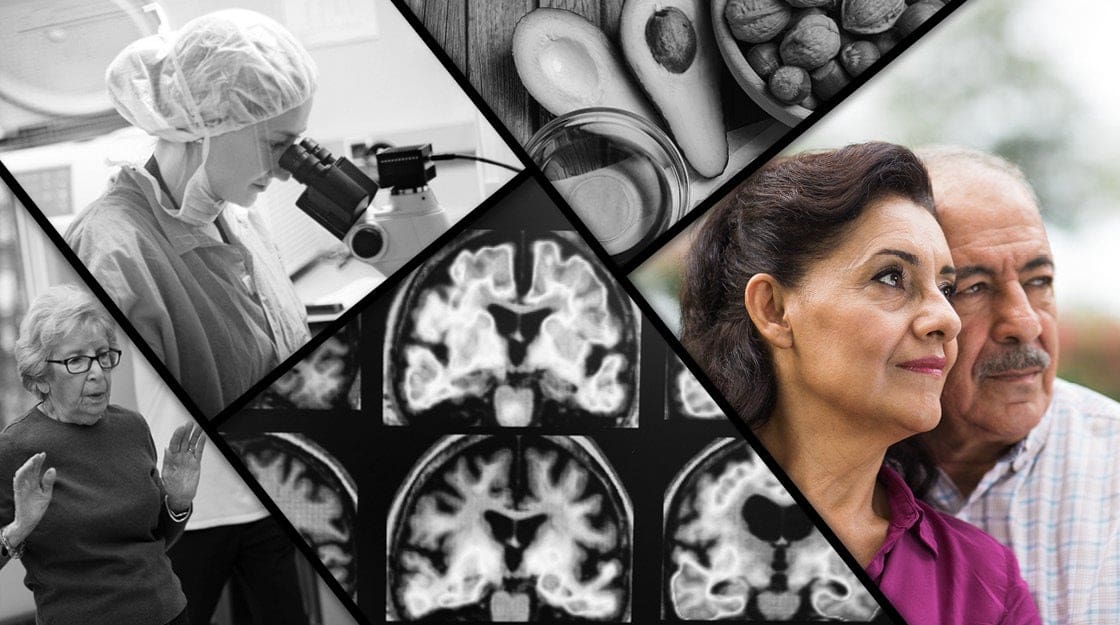
Imagine if there was a simple key that could unlock the secret to a longer and happier life. Well, guess what? There actually is! In this article, we will explore the fascinating concept that holds the key to living not only a longer life but also a happier one. Prepare to be inspired as we uncover the power of this key and discover how it can transform your life for the better. So, sit back, relax, and get ready to embark on a journey towards a brighter and more fulfilling future. The secret to living longer and happier awaits, and it’s time for you to grasp it tightly.
Maintaining a Healthy Lifestyle
Exercise regularly
Exercise is a crucial aspect of maintaining a healthy lifestyle. Regular physical activity not only keeps your body in shape, but it also has numerous benefits for your mental wellbeing. Engaging in activities such as jogging, swimming, or even dancing releases endorphins, which are often referred to as “feel-good” chemicals. They boost your mood, reduce stress levels, and promote a sense of overall well-being. Aim for at least 150 minutes of moderate-intensity exercise each week to reap the full benefits.
Eat a balanced diet
A balanced diet is essential for fueling your body and providing it with the nutrients it needs to thrive. Incorporate a variety of fruits, vegetables, whole grains, lean proteins, and healthy fats into your meals. Avoid excessive consumption of processed foods, sugary snacks, and sodas, as they can lead to weight gain and negatively impact your health in the long run. Remember, a nutritious diet not only keeps you physically healthy but also supports your mental and emotional well-being.
Get enough sleep
A good night’s sleep is vital for your overall health and well-being. Lack of sleep can lead to a variety of health problems, both physical and mental. Aim for 7-9 hours of quality sleep each night to allow your body to repair and rejuvenate. Establish a consistent sleep routine, create a conducive sleeping environment, and avoid stimulating activities before bedtime. Prioritizing your sleep will help you wake up feeling refreshed and ready to tackle the day ahead.
Manage stress
Stress is a natural part of life, but excessive and prolonged stress can have detrimental effects on your health and happiness. Find healthy ways to manage stress, such as practicing relaxation techniques like deep breathing or meditation. Engage in activities that help you unwind and recharge, such as reading a book, taking a walk in nature, or pursuing a hobby. It’s important to identify the sources of stress in your life and take steps to minimize their impact. Remember, managing stress is key to maintaining a healthy and balanced lifestyle.
Building Strong Social Connections
Cultivate meaningful relationships
Meaningful and supportive relationships are essential for your emotional well-being. Cultivating relationships with friends, family, and loved ones can provide a source of comfort, joy, and connection. Prioritize investing time and effort into nurturing these relationships. Be a good listener, offer support when needed, and show appreciation for the important people in your life. Building and maintaining strong social connections not only contributes to a happier life but also provides a support system during challenging times.
Spend time with loved ones
In today’s fast-paced world, it’s easy to get caught up in the busyness of life and neglect spending quality time with our loved ones. Make it a priority to carve out dedicated time for your family and friends. Whether it’s sharing a meal together, going for a walk, or simply having a heartfelt conversation, these moments can strengthen bonds and create lasting memories. Remember, the relationships we nurture and the time we spend with loved ones can bring immense joy and fulfillment to our lives.
Join social groups or clubs
Engaging in social groups or clubs can be an excellent way to expand your social circle and meet like-minded individuals. Whether it’s joining a recreational sports team, a book club, or a community service group, these activities provide opportunities for social interaction and connection. Engaging with others who share similar interests can foster a sense of belonging and provide a platform for personal growth. Don’t be afraid to step outside your comfort zone and pursue new social experiences – you never know what friendships and connections you may forge along the way.

Finding Purpose and Meaning in Life
Set goals and pursue passions
Setting goals and pursuing your passions can bring a sense of purpose and fulfillment to your life. Take the time to reflect on what truly matters to you and what you want to achieve. Set specific, realistic goals that align with your values and interests. Whether it’s excelling in your career, starting a new hobby, or making a difference in your community, having a sense of purpose can give your life direction and motivation. Embrace challenges along the way, and celebrate your achievements as you progress towards your goals.
Volunteer or contribute to causes
Giving back to society through volunteering or contributing to causes that resonate with you can provide a deep sense of purpose and fulfillment. Research local organizations or charities that align with your values and invest your time and energy in making a difference. Whether it’s helping the less fortunate, advocating for a cause, or environmental conservation, contributing to something greater than yourself can bring immense joy and satisfaction. Remember, finding purpose and meaning in life often comes from making a positive impact on the world around you.
Develop a positive mindset
Cultivating a positive mindset is key to finding purpose and meaning in life. It involves reframing negative thoughts, focusing on gratitude, and embracing optimism. Practice self-affirmation and acknowledge your strengths and accomplishments. Surround yourself with positive influences that inspire and motivate you. Embrace challenges and setbacks as opportunities for growth and learning. By adopting a positive mindset, you can navigate life’s ups and downs with resilience and find deeper meaning in every experience.
Practicing Mindfulness and Self-Care
Practice meditation or yoga
Mindfulness practices such as meditation or yoga can greatly contribute to your overall well-being. These practices help you connect with the present moment, reduce stress, and enhance self-awareness. Set aside a few minutes each day to practice mindfulness meditation or engage in a yoga session. Focus on your breath, observe your thoughts without judgment, and allow yourself to fully experience the present. By incorporating these practices into your routine, you can cultivate a sense of inner calm and balance.
Take time for self-reflection
In the hustle and bustle of everyday life, it’s essential to take time for self-reflection. Set aside moments of solitude to introspect and evaluate your thoughts, emotions, and actions. Reflect on your values, goals, and personal growth. Journaling, mindfulness exercises, or simply finding a quiet space can provide opportunities for self-reflection. Understanding yourself on a deeper level allows you to make more informed decisions, align your actions with your values, and cultivate a greater sense of self-compassion.
Engage in activities you enjoy
Engaging in activities you enjoy is crucial for your overall well-being. Whether it’s pursuing a hobby, engaging in creative outlets, or spending time in nature, it’s important to make time for activities that bring you joy. Identify what truly makes you happy and incorporate these activities into your daily or weekly routine. Prioritizing activities you enjoy not only helps you relax and recharge but also cultivates a sense of fulfillment and contentment in your life.
Prioritize self-care
Self-care is an essential aspect of maintaining a healthy and balanced lifestyle. It involves intentionally taking care of your physical, mental, and emotional needs. Prioritize activities that promote self-care, such as taking a relaxing bath, indulging in a good book, or treating yourself to a spa day. Set boundaries and say no to commitments that drain your energy. Remember, practicing self-care is not selfish but rather a necessary act of self-preservation that allows you to show up as your best self in all areas of life.

Maintaining a Positive Attitude
Practice gratitude
Practicing gratitude is a powerful tool for maintaining a positive attitude. Take a few moments each day to reflect on the things you are grateful for. It can be as simple as appreciating the warmth of the sun, a kind gesture from a friend, or a delicious meal. Cultivating a gratitude practice helps shift your focus towards the positive aspects of life and fosters a sense of contentment and happiness. By acknowledging and expressing gratitude, you can create a ripple effect of positivity in your life and in the lives of others.
Surround yourself with positive influences
The people we surround ourselves with have a significant impact on our attitude and outlook on life. Seek out positive influences, such as supportive friends, mentors, or role models who uplift and inspire you. Surrounding yourself with positive, like-minded individuals fosters an environment that nurtures personal growth and happiness. Distance yourself from toxic relationships or negative influences that drain your energy and hinder your progress. Remember, choosing to surround yourself with positivity allows you to thrive and maintain a positive attitude.
Challenge negative thoughts
Our thoughts have a powerful influence on our emotions and overall mindset. Practice challenging negative thoughts by reframing them into more positive ones. Don’t dwell on self-doubt or judgment; instead, focus on self-empowerment and self-acceptance. Replace negative self-talk with affirmations and reminders of your worth. Recognize that everyone makes mistakes, and setbacks are opportunities for growth. By challenging negative thoughts, you can cultivate a more optimistic and resilient attitude towards life’s challenges.
Continuously Learning and Growing
Read books or take courses
Continuous learning plays a vital role in personal growth and development. Engage in activities that expand your knowledge and broaden your perspective. Read books on various topics that interest you, whether it’s fiction, self-help, or informative non-fiction. Take advantage of online courses or workshops to acquire new skills or deepen your understanding of a particular subject. Embrace the mindset of a lifelong learner, and you will continuously discover new passions, improve your abilities, and foster personal growth.
Engage in intellectual discussions
Engaging in intellectual discussions with others is an excellent way to broaden your horizons and challenge your beliefs. Seek out opportunities to engage in conversations that encourage critical thinking and open-mindedness. Join book clubs, attend lectures or seminars, or participate in online forums related to your interests. Engaging in intellectual discussions fosters personal growth, expands your knowledge, and allows you to see things from different perspectives. Remember, learning doesn’t happen in isolation – it thrives in collaboration and the exchange of ideas.
Embrace new experiences
Stepping out of your comfort zone and embracing new experiences is an exciting path to personal growth. Be open to trying new activities, visiting unfamiliar places, or learning new skills. Embracing novelty and embracing uncertainty can lead to personal transformation and expanded horizons. Whether it’s traveling to a new country, learning a musical instrument, or trying a new sport, each new experience offers valuable lessons and insights. Embrace the unknown, and you’ll discover a world of growth and fulfillment.

Cultivating Resilience and Coping Skills
Develop problem-solving skills
Cultivating problem-solving skills is essential for navigating life’s challenges with resilience. Develop a proactive approach to problem-solving by identifying the issues at hand, brainstorming potential solutions, and taking decisive action. Break down complex challenges into manageable steps and seek guidance or support when needed. Developing problem-solving skills empowers you to face obstacles head-on, adapt to change, and find solutions that lead to personal growth and success.
Seek support when needed
No one is immune to struggles or hardships, and seeking support when needed is a sign of strength, not weakness. Reach out to trusted friends, family members, or professionals when facing difficult times. Don’t hesitate to share your feelings, concerns, or fears with those who can provide a listening ear, guidance, or a fresh perspective. Surrounding yourself with a support system can provide comfort, validation, and encouragement during challenging times. Remember, you don’t have to face challenges alone – reaching out for support is a crucial component of resilience and coping.
Practice emotional regulation
Emotional regulation refers to the ability to effectively manage and express your emotions. Practice identifying and understanding your emotions, and develop healthy ways to cope with them. Engage in activities that help you regulate your emotions, such as deep breathing exercises, journaling, or talking to a supportive friend. Cultivate self-awareness and learn to recognize patterns of emotional triggers or stressors. By practicing emotional regulation, you can navigate challenging situations with clarity, make informed decisions, and maintain your overall well-being.
Nurturing Emotional Well-being
Express emotions in healthy ways
It’s important to express your emotions in healthy and constructive ways. Find outlets for expressing your feelings, such as journaling, talking to a trusted friend, or engaging in creative activities like painting or playing music. Avoid suppressing or bottling up emotions, as it can lead to increased stress and emotional imbalance. Remember, expressing emotions in healthy ways allows for emotional release and promotes overall emotional well-being.
Engage in activities that bring joy
Engaging in activities that bring you joy and pleasure is essential for nurturing emotional well-being. Identify activities or hobbies that uplift your spirits and make you feel happy and fulfilled. Whether it’s dancing, singing, gardening, or cooking, make time for these activities in your life. Engaging in activities that bring joy nurtures a positive emotional state, reduces stress, and enhances overall well-being. Prioritize activities that bring you joy, and watch how it positively impacts your emotional health.
Practice self-compassion
Self-compassion involves treating yourself with kindness, understanding, and acceptance, particularly during difficult times. Be gentle with yourself and embrace your imperfections and vulnerabilities. Practice self-care, engage in positive self-talk, and prioritize self-compassion. Treat yourself with the same kindness and support you would offer a loved one. By practicing self-compassion, you can foster emotional resilience, enhance self-esteem, and experience greater emotional well-being.

Maintaining Physical Health
Get regular check-ups
Regular check-ups with healthcare professionals play a crucial role in maintaining your physical health. Schedule routine visits to your doctor, dentist, and any other specialists relevant to your health needs. These check-ups allow for early detection and prevention of potential health issues. Share any concerns or symptoms you may have with your healthcare provider, as they can provide guidance, screenings, or necessary treatments. Remember, proactive healthcare is key to maintaining your physical well-being.
Take necessary medications
If you have any chronic conditions or medical concerns that require medications, it’s important to follow your healthcare provider’s recommendations and take your medications as prescribed. Adhering to prescribed medications can help manage symptoms, prevent complications, and improve your overall quality of life. Make sure to communicate any side effects or concerns with your healthcare provider, as they may be able to offer alternative solutions. Prioritizing your medication regimen is crucial for maintaining your physical health and well-being.
Manage chronic conditions
If you have any chronic health conditions, it’s important to actively manage them to maintain your physical health. Follow your healthcare provider’s recommended treatment plan, including regular check-ups, medication management, and lifestyle modifications. Educate yourself about your condition and seek support or resources available to you. Adopting a proactive approach to managing chronic conditions allows you to better control symptoms, minimize health risks, and lead a fulfilling and healthy life.
Fostering a Positive Work-Life Balance
Set boundaries between work and personal life
Maintaining a healthy work-life balance is crucial for your overall well-being. Set clear boundaries between your work and personal life to prevent burnout and maintain a sense of balance. Establish dedicated times for work and leisure activities, and avoid overworking or bringing work-related stress into your personal life. Communicate your boundaries with colleagues and supervisors, and prioritize self-care and personal time outside of work. Remember, a healthy work-life balance is key to your happiness and productivity.
Prioritize leisure activities
Leisure activities play a crucial role in fostering a positive work-life balance. Make time for hobbies, interests, and activities outside of your work responsibilities. Engage in activities that bring you joy, relaxation, and fulfillment. Whether it’s hiking, painting, playing an instrument, or simply spending time with loved ones, prioritize these activities in your schedule. By prioritizing leisure activities, you create space for self-care, rejuvenation, and a more well-rounded and enjoyable life.
Take breaks and vacations
Taking regular breaks and vacations is essential for your overall well-being and productivity. Allow yourself time to rest and recharge, even during busy periods. Take short breaks throughout the day to stretch, move around, or engage in a quick enjoyable activity. Additionally, plan and take vacations to detach from work and immerse yourself in leisure and relaxation. Whether it’s a weekend getaway or an extended vacation, these breaks allow you to come back energized, focused, and ready to tackle your responsibilities. Remember, breaks and vacations are not indulgences but rather essential components of a balanced and fulfilling life.
In conclusion, maintaining a healthy lifestyle, building strong social connections, finding purpose and meaning in life, practicing mindfulness, maintaining a positive attitude, continuously learning and growing, cultivating resilience and coping skills, nurturing emotional well-being, maintaining physical health, and fostering a positive work-life balance are all interconnected aspects that contribute to living a longer and happier life. By incorporating these practices into your daily life, you can experience greater overall well-being, fulfillment, and happiness. Remember, small steps towards these goals can lead to significant positive changes in your life. So start today and embark on your journey to a healthier, happier, and more meaningful life.