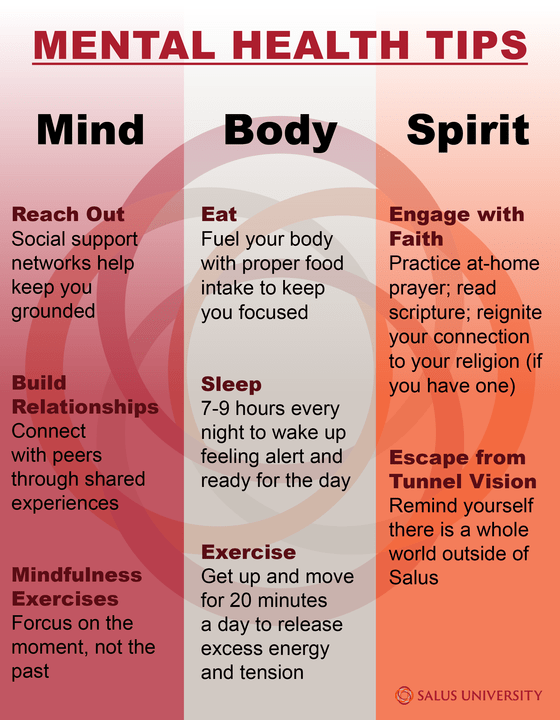
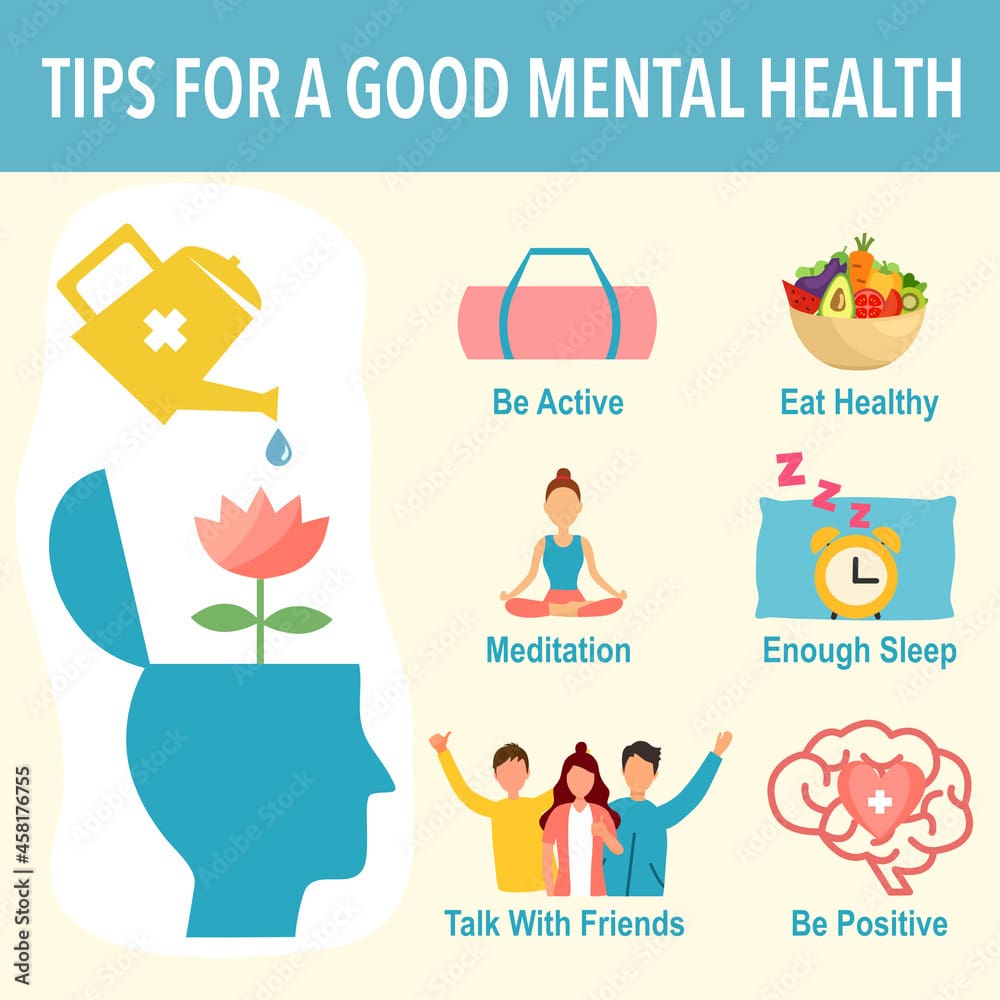
Looking to improve your mental well-being? Look no further than these invaluable tips for a healthy mind. Jump-start your journey towards a happier and balanced life with these practical and easy-to-follow suggestions. From practicing mindfulness to fostering positive relationships, these tips will help you develop a resilient and thriving mindset. So, why wait? Start implementing these strategies today and watch as your mental health flourishes.
Exercise Regularly
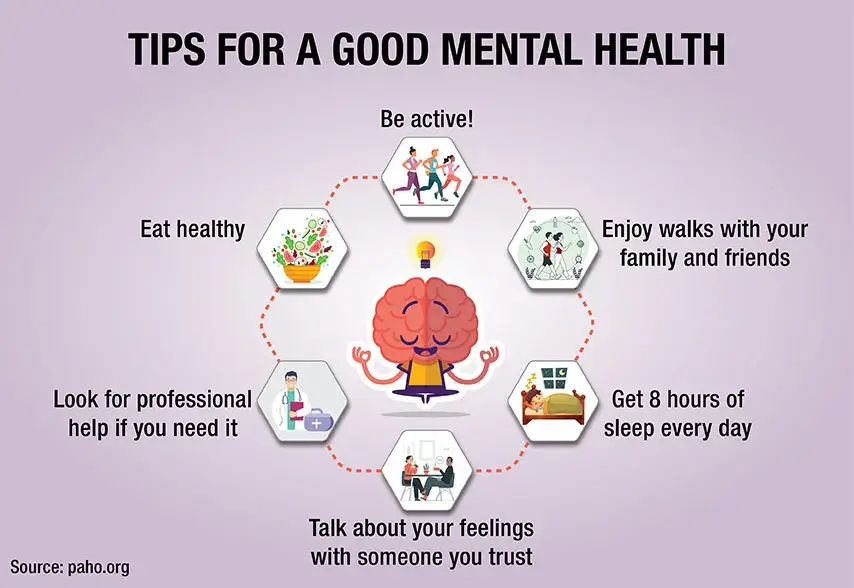
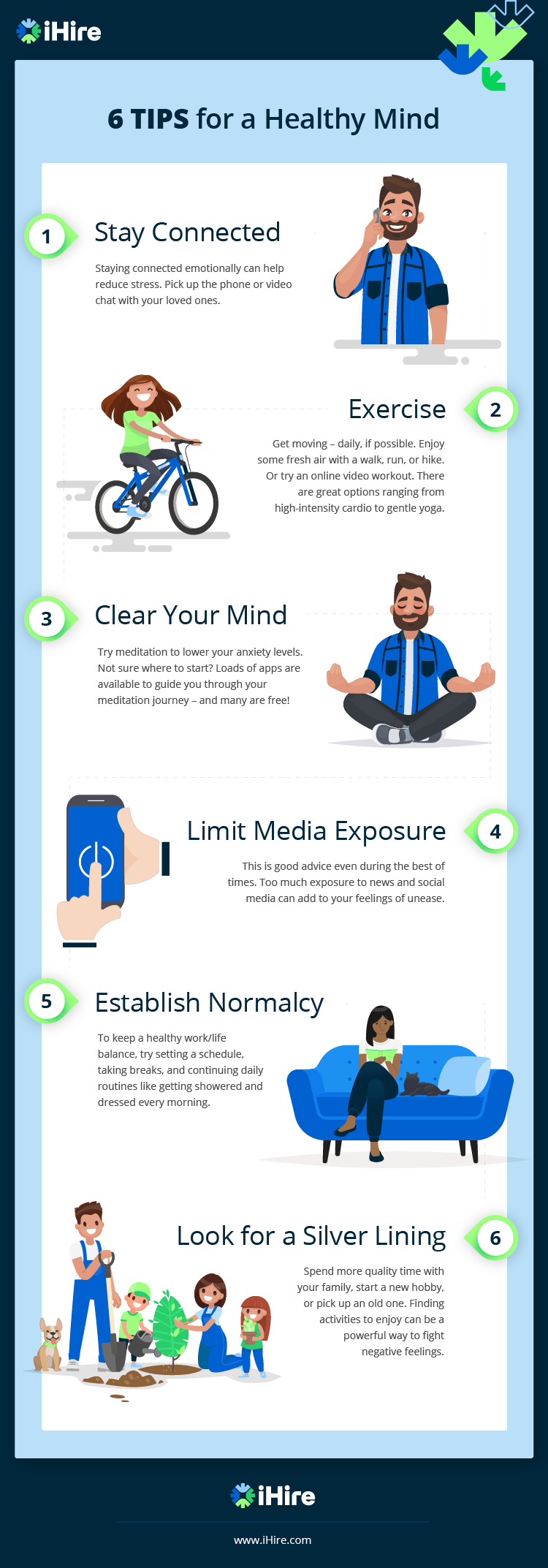
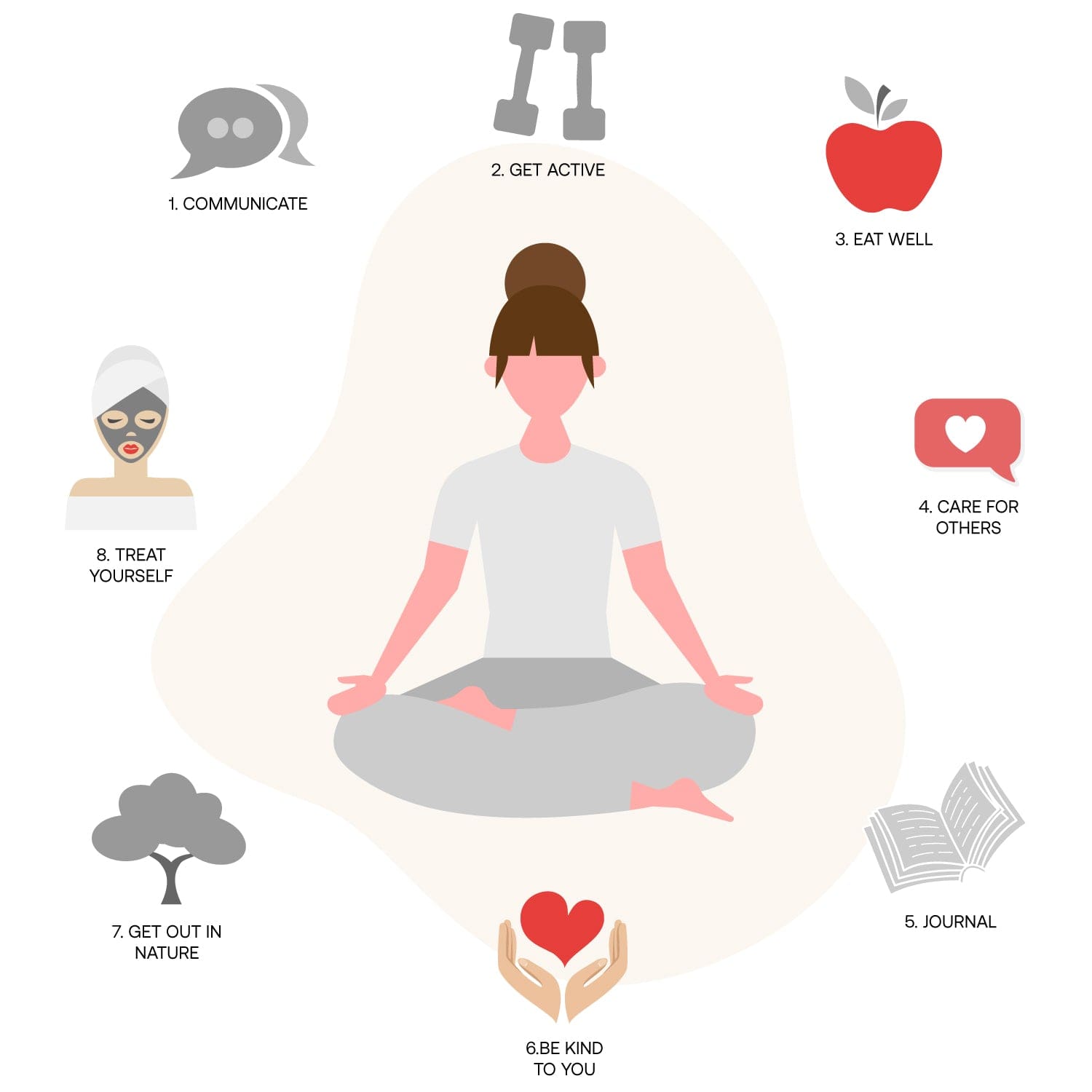
Regular exercise is not only beneficial for your physical health but also plays a crucial role in maintaining a healthy mind. Engaging in aerobic activities, such as running or cycling, can significantly improve your mental well-being. Exercise releases endorphins, which are the “feel-good” hormones that boost your mood and reduce stress. So, try to incorporate at least 30 minutes of aerobic exercise into your daily routine.
In addition to aerobic activities, you may also want to consider trying yoga or meditation. These practices focus on deep breathing, stretching, and mindfulness, which can help you relax, reduce anxiety, and improve your overall mental clarity. Whether it’s through a yoga class or simply practicing meditation at home, these activities can provide a sense of calm and bring balance to your mind and body.
If you’re looking for a more gentle form of exercise, taking regular walks in nature can be incredibly beneficial. Spending time outdoors, surrounded by greenery and fresh air, has a calming effect on the mind. Nature walks allow you to disconnect from the stresses of daily life and re-center yourself. So put on your walking shoes and explore the beauty of the natural world around you.
Maintain a Healthy Diet
A well-balanced diet is not only vital for your physical health but also has a significant impact on your mental well-being. Consuming a variety of nutritious foods provides your brain with the essential nutrients it needs to function optimally. Make sure to include a variety of fruits, vegetables, whole grains, lean proteins, and healthy fats in your daily meals.
Foods rich in omega-3 fatty acids, such as fatty fish (salmon, sardines), walnuts, and flaxseeds, are particularly beneficial for your brain health. Omega-3 fatty acids have been shown to reduce symptoms of depression and boost overall mood. So, consider incorporating these foods into your diet to support a healthy mind.
While it’s essential to include nutritious foods in your diet, it’s equally important to limit your intake of caffeine and alcohol. Excessive consumption of caffeine can lead to increased anxiety and restlessness, while alcohol can disrupt your sleep patterns and negatively affect your overall mental well-being. So, enjoy these substances in moderation and be mindful of their potential impact on your mental health.
Get Enough Sleep
Sleep is often underestimated when it comes to mental health, but it plays a crucial role in maintaining a healthy mind. Establishing a bedtime routine can help signal to your body that it’s time to wind down and prepare for sleep. This may include activities such as reading a book, taking a warm bath, or practicing relaxation techniques. Consistency is key, so try to go to bed and wake up at the same time each day, even on weekends.
Creating a comfortable sleep environment is also essential for quality sleep. Make sure your bedroom is cool, dark, and quiet. Invest in a comfortable mattress and pillows that support your body. Consider using blackout curtains or a sleep mask to block out any excess light. These adjustments can enhance your sleep quality and contribute to a well-rested mind.
Avoiding electronic devices before bed is another critical aspect of getting enough sleep. The blue light emitted by screens can interfere with your body’s natural sleep-wake cycle, making it harder to fall asleep. Try to limit your screen time at least an hour before bed and engage in relaxing activities instead, such as reading a book or listening to calming music.
Manage Stress
Stress is a normal part of life, but excessive or prolonged stress can have detrimental effects on your mental health. Managing stress is crucial for maintaining a healthy mind. There are various stress management techniques you can practice to help alleviate the negative impacts of stress. These techniques can include deep breathing exercises, progressive muscle relaxation, or engaging in hobbies or activities that you enjoy.
Finding activities that bring you joy and help you relax is an essential part of managing stress. Whether it’s painting, dancing, playing an instrument, or gardening, these activities provide an outlet for stress and allow you to focus on something positive. Engaging in activities that you find fulfilling can improve your mood, reduce tension, and promote overall psychological well-being.
Seeking support from loved ones or professionals is also vital in managing stress. Talking about your feelings and concerns with people you trust can provide a sense of relief and perspective. They can offer guidance or simply be a listening ear. If you’re feeling overwhelmed, don’t hesitate to reach out to a mental health professional. They can provide valuable tools and techniques to help you cope with and manage stress effectively.
Stay Socially Connected
Maintaining social connections is an essential aspect of maintaining a healthy mind. Spending time with friends and family can boost your mood, reduce feelings of loneliness, and provide a support system during challenging times. Plan regular get-togethers, whether it’s a dinner party, game night, or simply a coffee date, to nurture these important relationships.
Joining clubs or organizations that align with your interests is another great way to stay socially connected. It allows you to meet like-minded individuals and engage in activities together. These social interactions provide a sense of belonging and can contribute to your overall mental well-being.
Volunteering or engaging in community activities also allows you to connect with others while making a positive impact. It’s a win-win situation, as helping others has been shown to improve your own mental health. Giving back to your community not only provides a sense of purpose but also strengthens your social connections and brings joy to your life.
Practice Mindfulness
Mindfulness involves being fully present in the moment and paying attention to your thoughts, feelings, and sensations without judgment. Engaging in mindful breathing exercises can help you reduce stress, focus your mind, and cultivate a sense of calm. By intentionally focusing on your breath and observing your thoughts as they pass by, you can take control of your mental state and promote a healthy mind.
Paying attention to the present moment is an integral part of mindfulness. Instead of dwelling on the past or worrying about the future, try to bring your awareness to what is happening in the present. Engage your senses by noticing the sights, sounds, and sensations around you. By staying present, you can let go of unnecessary worries and find peace in the here and now.
Practicing gratitude is another powerful way to cultivate mindfulness and enhance your mental well-being. Take a moment each day to reflect on the things you are thankful for. This simple practice shifts your focus towards the positive aspects of your life, fostering feelings of contentment and happiness. Write down or verbally express your gratitude to fully embrace this practice.
Limit Screen Time
In today’s digital age, it’s easy to spend hours on end glued to screens. However, excessive screen time can impact your mental well-being. Setting boundaries on technology use is essential for maintaining a healthy mind. Establish designated periods of time when you disconnect from your digital devices and engage in offline activities.
Taking breaks from screens throughout the day is also crucial. Get up and move around, stretch your body, or engage in activities that don’t involve technology. This allows your mind to rest and recharge, reducing eye strain and mental fatigue. Use these breaks to connect with nature, read a book, or simply enjoy some quiet time.
Finding a balance between online and offline activities is key. While technology has many benefits, it’s essential to ensure that it doesn’t consume your life. Set healthy limits on your screen time and prioritize activities that promote mental well-being and connection with the world around you.
Seek Help When Needed
If you find yourself struggling with your mental health, don’t hesitate to seek help. Reach out to a mental health professional who can provide guidance and support tailored to your specific needs. They can offer counseling, therapy, or other interventions to help you navigate your challenges and develop effective coping strategies.
Talking to a trusted friend or family member can also be incredibly helpful. Sharing your thoughts and emotions with someone you trust can provide relief and a fresh perspective. Sometimes, simply expressing your feelings aloud can help you gain clarity and find solutions to your problems.
In times of crisis or when you need immediate assistance, don’t hesitate to utilize hotlines or crisis helplines. These services are staffed by trained professionals who are available 24/7 to provide support and guidance. Remember, reaching out for help is a sign of strength, and you don’t have to face your challenges alone.
Manage Time Effectively
Effective time management is essential for reducing stress and maintaining a healthy mind. Prioritizing tasks and setting realistic goals allows you to focus your energy on what truly matters. Begin each day by identifying your three most important tasks and allocate dedicated time to work on them. By breaking down your workload into manageable chunks, you can approach each task with clarity and purpose.
Practicing time management techniques, such as the Pomodoro Technique, can also help increase productivity and prevent burnout. This technique involves working for a designated period (e.g., 25 minutes) and then taking a short break (e.g., 5 minutes). By working in short bursts and taking regular breaks, you can maintain focus and prevent mental exhaustion.
Delegate tasks whenever possible to lighten your workload and reduce stress. Recognize that you don’t have to do everything on your own. Delegating tasks to others not only saves time but also allows you to focus on what you do best. Trusting others and asking for help when needed is a valuable skill in managing time effectively.
Take Breaks and Relax
In the hustle and bustle of daily life, taking breaks and allowing yourself to relax is crucial for maintaining a healthy mind. Schedule regular breaks during work or studies to recharge your mind and prevent burnout. Set aside specific times throughout the day to step away from your tasks and engage in activities that help you unwind.
Engaging in relaxation techniques like deep breathing or progressive muscle relaxation can be incredibly beneficial for both your mental and physical well-being. These techniques help activate the body’s relaxation response, reducing stress hormones and promoting a sense of calm. Find the techniques that work best for you and incorporate them into your daily routine.
Finding activities that help you unwind and bring you joy is equally important. Whether it’s going for a walk in nature, listening to music, practicing a hobby, or simply taking a bubble bath, prioritize activities that allow you to disconnect from your responsibilities and recharge your mind. Embrace the downtime and give yourself permission to relax.
By following these mental health tips for a healthy mind, you can cultivate a positive mindset, reduce stress, and enhance your overall well-being. Remember, self-care is a journey, so be patient and kind to yourself as you incorporate these practices into your daily life. Your mental health matters, and by prioritizing it, you are taking a powerful step towards leading a fulfilling and balanced life.