
Welcome to an article that will guide you on how to stay resilient and bounce back from adversity in your senior years. As you age, facing challenges and setbacks may become more common, but it’s important to remember that you have the strength and ability to overcome them. By practicing self-care, maintaining a positive mindset, staying socially connected, and seeking support when needed, you can navigate through tough times and emerge even stronger. This article will provide you with practical tips and strategies to help you stay resilient and thrive in your senior years. Remember, you are capable of overcoming anything that comes your way! Have you ever wondered how some people seem to handle challenges and setbacks with grace and resilience, especially as they get older? In your senior years, you may face a variety of obstacles, from health issues to financial concerns to losing loved ones. But the good news is that you can learn to stay resilient and bounce back from adversity with a few key strategies and practices. In this article, we’ll explore how to cultivate resilience and navigate the ups and downs of life in your senior years. Let’s dive in!
Understanding Resilience in Older Adults
Resilience is the ability to bounce back from difficult situations and adapt to change. In older adults, resilience is particularly important as they face a variety of challenges, including health issues, loss of independence, and social isolation. Research has shown that resilience is a learned skill that can be developed and strengthened over time. By understanding what resilience is and how it works, you can begin to cultivate this vital trait in your own life.
What Is Resilience?
Resilience is not about avoiding problems or pretending that everything is fine when it’s not. Instead, resilience is about facing challenges head-on, learning from them, and growing stronger as a result. It’s the ability to stay flexible, positive, and focused in the face of adversity. Resilient older adults are able to maintain a sense of purpose and meaning in their lives, even when things get tough.
Why Is Resilience Important in Older Adults?
While aging comes with many joys and blessings, it also brings its fair share of challenges. Resilience is particularly important for older adults because it can help them navigate the changes and losses that often come with aging. By developing resilience, older adults can maintain their mental and emotional well-being, stay engaged with life, and continue to thrive in their senior years.

Building Resilience in Your Senior Years
Now that you understand what resilience is and why it’s important, let’s explore some practical strategies for building resilience in your senior years. By incorporating these practices into your daily life, you can learn to bounce back from adversity and thrive in the face of challenges.
Cultivate a Positive Mindset
One of the key components of resilience is having a positive mindset. Maintaining a hopeful and optimistic outlook can help you see challenges as opportunities for growth and learning, rather than insurmountable obstacles. Practice gratitude by focusing on the things you’re thankful for, no matter how small. Surround yourself with positive people who uplift and support you. Remember, a positive attitude is a powerful tool for building resilience in your senior years.
Stay Connected with Others
Social connections are essential for resilience, especially in older adults. Building strong relationships with family, friends, and community members can provide you with emotional support, companionship, and a sense of belonging. Make an effort to stay connected with others, whether through phone calls, visits, or social activities. Join a club or group that interests you, volunteer in your community, or take a class to meet new people. Remember, we’re stronger together, and having a support network can help you navigate life’s ups and downs with grace and resilience.
Practice Self-Care
Taking care of yourself is crucial for building resilience in your senior years. Make sure you’re getting enough sleep, eating a balanced diet, and staying physically active. Engage in activities that bring you joy and relaxation, whether it’s reading a good book, gardening, or practicing yoga. Take time to nurture your mental, emotional, and spiritual well-being through mindfulness, meditation, or prayer. Remember, self-care is not selfish—it’s necessary for maintaining your resilience and well-being as you age.
Develop Problem-Solving Skills
Resilient older adults are able to approach challenges with a problem-solving mindset. Rather than getting overwhelmed by problems, they break them down into smaller, manageable steps and look for creative solutions. Practice problem-solving skills by identifying the issue, brainstorming possible solutions, and taking action to address it. Don’t be afraid to ask for help or seek advice from others when needed. By developing your problem-solving skills, you can build your resilience and feel more confident in handling life’s challenges.
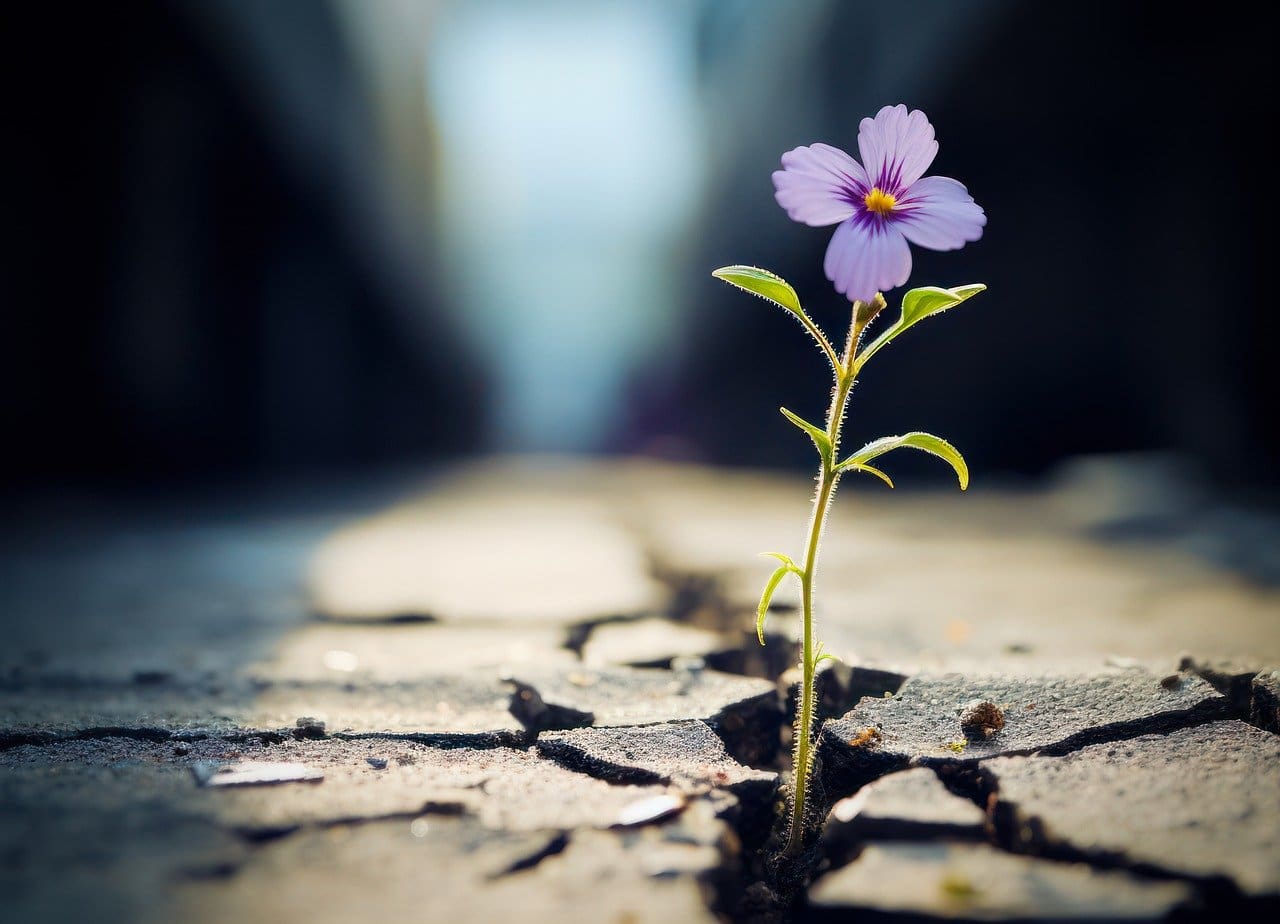
Coping with Adversity in Your Senior Years
While building resilience can help you navigate life’s challenges, it’s important to also have coping strategies in place for when adversity strikes. Whether you’re facing health issues, financial concerns, or other setbacks, having effective coping mechanisms can help you weather the storm and come out stronger on the other side. Here are some tips for coping with adversity in your senior years.
Reach Out for Support
When facing adversity, it’s important to reach out for support from others. Don’t be afraid to lean on your family, friends, or healthcare providers for help and guidance. Talking about your feelings and concerns can be a powerful way to release stress and gain perspective on the situation. If you’re feeling overwhelmed, consider seeking support from a therapist, counselor, or support group. Remember, you don’t have to go through tough times alone—there are people who care about you and want to help.
Practice Acceptance and Adaptation
In times of adversity, it’s important to practice acceptance and adaptation. Accepting the reality of the situation, even if it’s difficult, can help you let go of resistance and find peace. Instead of focusing on what you can’t change, focus on what you can control and adapt accordingly. Look for ways to make the best of the situation and find new opportunities for growth and learning. Remember, life is full of unexpected twists and turns, but by accepting and adapting to change, you can build your resilience and come out stronger on the other side.
Take Care of Your Physical and Mental Health
During times of adversity, it’s crucial to prioritize your physical and mental health. Make sure you’re getting enough rest, eating nutritious meals, and staying active. Engage in activities that bring you joy and relaxation, such as going for a walk, listening to music, or practicing deep breathing exercises. Take time for self-care and pamper yourself with activities that nourish your mind, body, and spirit. Remember, taking care of yourself is not a luxury—it’s a necessity for staying resilient and bouncing back from adversity in your senior years.
Maintain a Sense of Purpose and Meaning
Having a sense of purpose and meaning is essential for resilience, especially in challenging times. Find activities and pursuits that bring you joy, fulfillment, and a sense of accomplishment. Whether it’s volunteering for a cause you believe in, pursuing a hobby you love, or spending time with loved ones, make sure you’re engaging in activities that light you up and give you purpose. Remember, having a sense of purpose can help you stay motivated, focused, and resilient in the face of adversity.

Conclusion
In your senior years, you may face a variety of challenges and setbacks, from health issues to financial concerns to losing loved ones. But by building resilience, cultivating positive coping strategies, and staying connected with others, you can navigate life’s ups and downs with grace and strength. Remember, resilience is a learned skill that can be developed and strengthened over time. By incorporating the strategies and practices outlined in this article, you can learn to stay resilient, bounce back from adversity, and thrive in your senior years. Embrace the journey, stay positive, and remember that you have the power to overcome whatever comes your way. You’ve got this!