Are you curious about the secret to gracefully aging? Look no further than hormone therapy. As we all know, aging is an inevitable part of life, but that does not mean we have to accept the negative effects that come with it. In this article, we will explore the various benefits of hormone therapy for aging and how it can help you maintain your youthful vigor and vitality. From improving bone density to enhancing cognitive function, hormone therapy offers a wide array of advantages that can truly make a difference in your quality of life. So, let’s delve into the world of hormone therapy and discover the incredible benefits it has to offer.
What is hormone therapy?
Definition of hormone therapy
Hormone therapy, also known as hormone replacement therapy (HRT), is a medical treatment that involves administering hormones to individuals whose hormone levels have decreased or become imbalanced due to aging or other factors. This therapy consists of introducing synthetic hormones or hormones derived from natural sources into the body to restore balance and alleviate symptoms associated with hormonal imbalances.
Types of hormone therapy
There are different types of hormone therapy available, depending on the specific needs and health conditions of the individual. The two main categories of hormone therapy are bio-identical hormone therapy and traditional hormone therapy.
Bio-identical hormone therapy involves the use of hormones that are structurally identical to those naturally produced by the body. These hormones are made from plant-based compounds and are custom-compounded to fit the individual’s hormone needs. On the other hand, traditional hormone therapy uses synthetic hormones that are similar to those found in the body but are not structurally identical.
The impact of aging on hormone levels
Changes in hormone levels with aging
As we age, our hormone levels naturally decline. Both men and women experience decreases in hormones such as testosterone, estrogen, progesterone, and growth hormone. These hormonal changes can affect various bodily functions and lead to symptoms commonly associated with aging, including fatigue, reduced muscle mass, decreased libido, memory problems, and mood swings.
Effects of hormonal imbalances
Hormonal imbalances can have a significant impact on overall well-being. For women, imbalances in estrogen and progesterone can cause symptoms like hot flashes, night sweats, vaginal dryness, and mood swings. In men, low levels of testosterone can result in fatigue, reduced sexual desire, erectile dysfunction, and decreased muscle mass.
Benefits of hormone therapy for aging
Restoring hormone balance
One of the primary benefits of hormone therapy for aging individuals is the restoration of hormone balance. By supplementing the body with hormones that have declined, hormone therapy can help alleviate the symptoms associated with imbalances and improve overall well-being.
Improved energy levels
Hormone therapy can have a positive impact on energy levels. By restoring optimal hormone levels, individuals may experience increased energy, reduced fatigue, and an improved ability to participate in physical and mental activities.
Enhancement of cognitive function
The decline in hormone levels as we age can also impact cognitive function. Hormone therapy has been found to improve cognitive abilities such as memory, focus, and attention. By optimizing hormone levels, individuals may experience enhanced mental clarity and improved cognitive performance.
Improved bone density
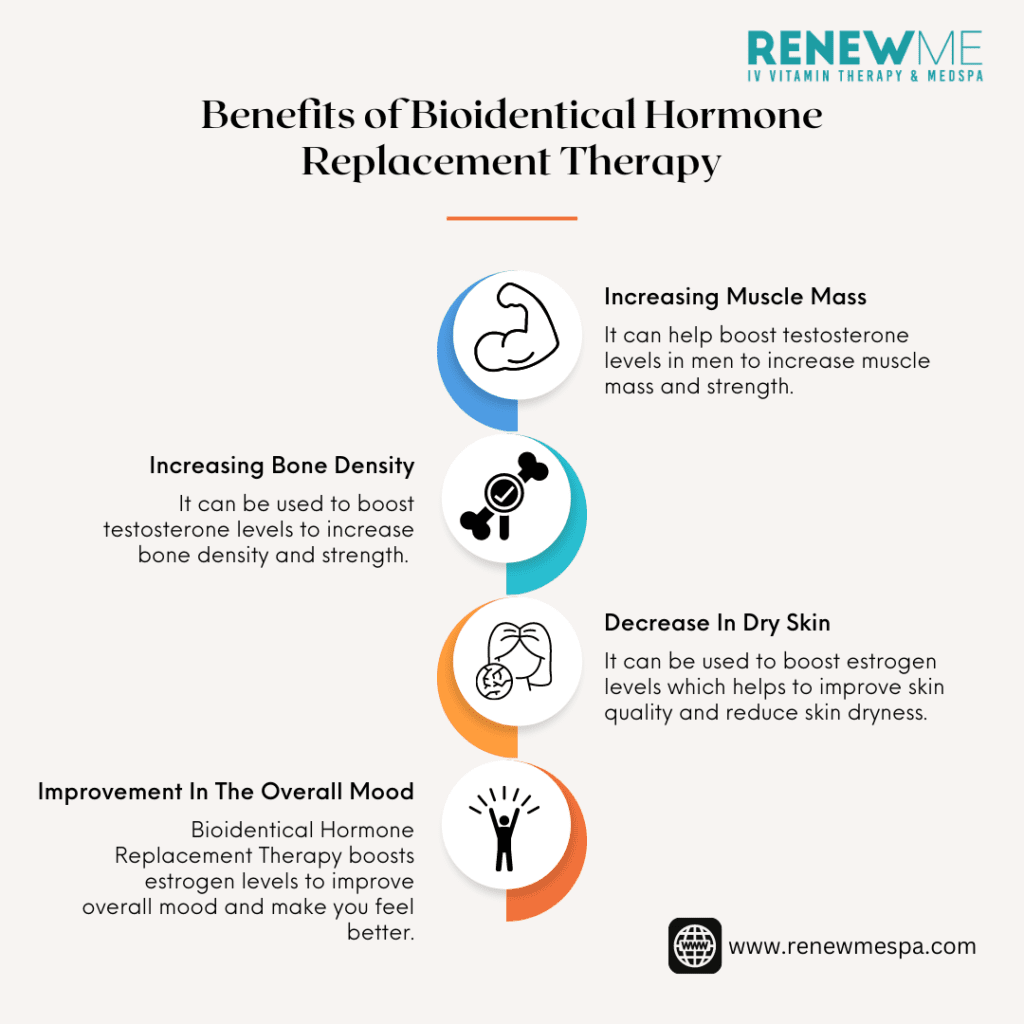
Hormones play a crucial role in maintaining bone health. Declining hormone levels can lead to reduced bone density and an increased risk of osteoporosis. Hormone therapy has been shown to help improve bone density, reducing the risk of fractures and promoting overall skeletal health.
Enhanced muscle mass and strength
Through hormone therapy, aging individuals can experience an increase in muscle mass and strength. Hormones such as testosterone stimulate muscle growth and repair, allowing individuals to maintain or regain muscle mass and improve physical strength.
Increased libido and sexual satisfaction
Hormone therapy can have a positive impact on sexual health and well-being. By restoring hormone levels, individuals may experience increased sexual desire, improved arousal, and enhanced sexual satisfaction.
Reduced risk of heart disease
Hormones like estrogen have a protective effect on cardiovascular health. Hormone therapy can help reduce the risk of heart disease by restoring hormone levels and promoting heart health.
Improved mood and mental well-being
Hormonal imbalances can contribute to mood swings, irritability, and feelings of depression. By restoring hormone balance, hormone therapy can improve mood, reduce irritability, and enhance overall mental well-being.
Alleviation of menopausal symptoms
For women experiencing menopause, hormone therapy can provide relief from symptoms such as hot flashes, night sweats, mood changes, and vaginal dryness. By restoring estrogen and progesterone levels, hormone therapy can alleviate these menopausal symptoms and improve quality of life.
Delaying the aging process
Hormone therapy has the potential to slow down certain aspects of the aging process. By replenishing hormone levels to what they were in younger years, individuals may experience improvements in various aspects of their health and well-being, leading to a more youthful and vibrant life.
Balancing the risks and benefits
Consultation with healthcare professionals
Before starting hormone therapy, it is essential to consult with healthcare professionals who specialize in hormone management. They can evaluate your specific hormone needs, medical history, and individual risks to determine the most suitable hormone therapy approach for you.
Evaluation of individual health risks
While hormone therapy can provide numerous benefits, it is crucial to evaluate individual health risks before starting treatment. Factors such as a personal or family history of certain cancers, blood clotting disorders, liver disease, and heart disease should be considered to ensure the benefits outweigh the potential risks.
Monitoring hormone levels during therapy
Regular monitoring of hormone levels is vital to ensure optimal dosing and effectiveness of hormone therapy. Healthcare professionals will conduct follow-up tests to adjust hormone dosages and assess the overall impact of treatment.
Potential risks and side effects
Increased risk of certain cancers
Some studies suggest that long-term hormone therapy, particularly with synthetic hormones, may slightly increase the risk of certain cancers such as breast, ovarian, and endometrial cancer. However, the overall risks vary depending on individual factors, and bio-identical hormone therapy may carry a lower risk.
Fluid retention and bloating
Hormone therapy can sometimes lead to fluid retention and bloating, causing temporary discomfort. This side effect is typically manageable and can be addressed by adjusting hormone dosages.
Headaches and migraines
In some cases, hormone therapy may trigger headaches or migraines as the body adjusts to hormone fluctuations. These symptoms usually subside as the body adapts to the treatment.
Blood clotting disorders
The use of hormone therapy, especially in higher doses or for prolonged periods, may increase the risk of developing blood clotting disorders. It is important to discuss individual risks with a healthcare professional before starting hormone therapy, especially for individuals with a history of blood clotting disorders or other related conditions.
Breast tenderness
Hormone therapy can occasionally cause breast tenderness or swelling. This side effect is usually temporary and resolves with adjustments in hormone dosages.
Mood swings and irritability
While hormone therapy aims to improve mood and mental well-being, some individuals may experience mood swings, irritability, or emotional changes during the initial stages of hormone therapy. These symptoms typically subside as the body adjusts to the treatment.
Choosing the right hormone therapy
Bio-identical hormone therapy
Bio-identical hormone therapy offers a more individualized approach to hormone treatment. These hormones are custom-compounded to fit each person’s specific hormone needs and are considered to be structurally identical to the hormones produced by the body. This approach allows for precise dosing, potentially reducing the risk of certain side effects.
Traditional hormone therapy
Traditional hormone therapy uses synthetic hormones that are similar to those found in the body but not structurally identical. These hormones are available in various forms, including pills, patches, creams, and injections. Depending on the specific needs and preferences of individuals, traditional hormone therapy may be a suitable option.
Individualized treatment plans
Choosing the right hormone therapy requires an individualized approach. Healthcare professionals will evaluate your hormone levels, medical history, and personal goals to develop a treatment plan tailored to your unique needs.
Effectiveness of hormone therapy
Research studies on hormone therapy
Numerous research studies have examined the effectiveness of hormone therapy for aging individuals. While results may vary, many studies have reported positive outcomes, including improvements in energy levels, cognitive function, bone density, muscle mass, sexual health, and overall well-being.
Patient testimonials and experiences
In addition to research studies, many individuals have reported positive experiences and benefits from hormone therapy. Patient testimonials often highlight improvements in various aspects of their lives, including physical vitality, mental clarity, sexual satisfaction, and overall quality of life.
Considerations for starting hormone therapy
Age and overall health
Age and overall health are significant factors to consider before starting hormone therapy. Healthcare professionals will assess your medical history, physical health, and any pre-existing conditions to ensure hormone therapy is a suitable option for you.
Family history of hormone-related conditions
A family history of hormone-related conditions, such as certain cancers or blood clotting disorders, can increase individual health risks. It is essential to discuss these factors with healthcare professionals to make informed decisions regarding hormone therapy.
Personal goals and expectations
Understanding your personal goals and expectations is crucial when considering hormone therapy. Discuss your desired outcomes and expectations with healthcare professionals to align treatment plans with your goals.
Alternatives to hormone therapy
Lifestyle modifications
Making lifestyle modifications such as adopting a healthy diet, regular exercise, and stress management techniques may help to manage some symptoms associated with hormonal imbalances.
Herbal and natural remedies
Some individuals may opt for herbal and natural remedies to alleviate symptoms associated with hormonal imbalances. It is important to consult with healthcare professionals before using any herbal or natural products, as their effectiveness and safety may vary.
Diet and exercise
Maintaining a balanced diet and engaging in regular exercise can contribute to hormone balance and overall well-being. Physical activity and healthy eating habits promote the production and utilization of hormones in the body.
Stress management techniques
Managing stress levels can help reduce the impact of hormonal imbalances. Techniques such as mindfulness meditation, deep breathing exercises, and regular relaxation practices can support overall hormone health.
Supplements and vitamins
In some cases, supplements and vitamins may be recommended to support hormone balance and overall well-being. Healthcare professionals can guide individuals in choosing suitable supplements based on their specific needs.
Conclusion
Importance of informed decisions
Making informed decisions regarding hormone therapy is essential. By understanding the benefits, risks, and various treatment options available, individuals can choose the most suitable approach to manage their hormonal imbalances and improve their quality of life.
Seeking professional guidance
Seeking professional guidance from healthcare professionals who specialize in hormone therapy is crucial. They can provide personalized recommendations, monitor your hormone levels, and guide you throughout the treatment process to ensure your safety and well-being.