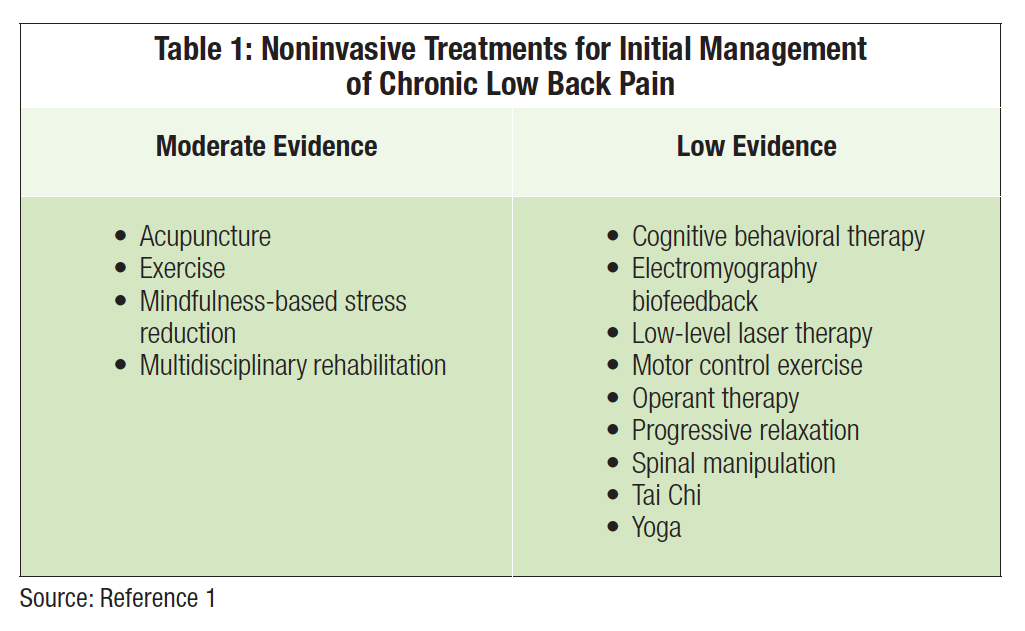
Welcome to an insightful article on alternative medicine for chronic pain management! In this piece, you will learn about various alternative treatments such as acupuncture, massage therapy, and herbal remedies that can help alleviate the discomfort associated with chronic pain. Whether you are seeking a natural approach to pain relief or looking to complement traditional medical treatments, alternative medicine offers a range of options to promote healing and well-being. Dive into this exploration of alternative medicine and discover new ways to manage chronic pain effectively. Have you been struggling with chronic pain for a long time and looking for alternative treatments that could help manage your pain effectively? If so, you’ve come to the right place. In this article, we will explore various alternative medicine options that can provide relief from chronic pain and improve your quality of life. So, let’s dive in and discover the potential benefits of alternative medicine for chronic pain management.
Understanding Chronic Pain
Chronic pain is a complex condition that can have a significant impact on your physical, emotional, and mental well-being. It is typically defined as pain that persists for weeks, months, or even years. Unlike acute pain, which is usually a symptom of an injury or illness and resolves once the underlying cause is treated, chronic pain often persists long after the initial injury has healed.
Chronic pain can be caused by a variety of factors, including but not limited to:
- Musculoskeletal conditions such as arthritis and fibromyalgia
- Nerve damage or dysfunction
- Autoimmune disorders
- Psychological factors such as stress and anxiety
Living with chronic pain can be challenging, but there are alternative medicine approaches that can help manage your symptoms and improve your overall quality of life.
Why Consider Alternative Medicine?
Alternative medicine, also known as complementary medicine, encompasses a wide range of healthcare practices and treatments that are not considered mainstream or conventional. These therapies often focus on treating the whole person and addressing the underlying causes of pain, rather than just managing symptoms.
If you have been struggling to find relief from chronic pain through conventional medical treatments such as medication or physical therapy, alternative medicine may offer an alternative approach that could help alleviate your symptoms and improve your quality of life.
Types of Alternative Medicine for Chronic Pain Management
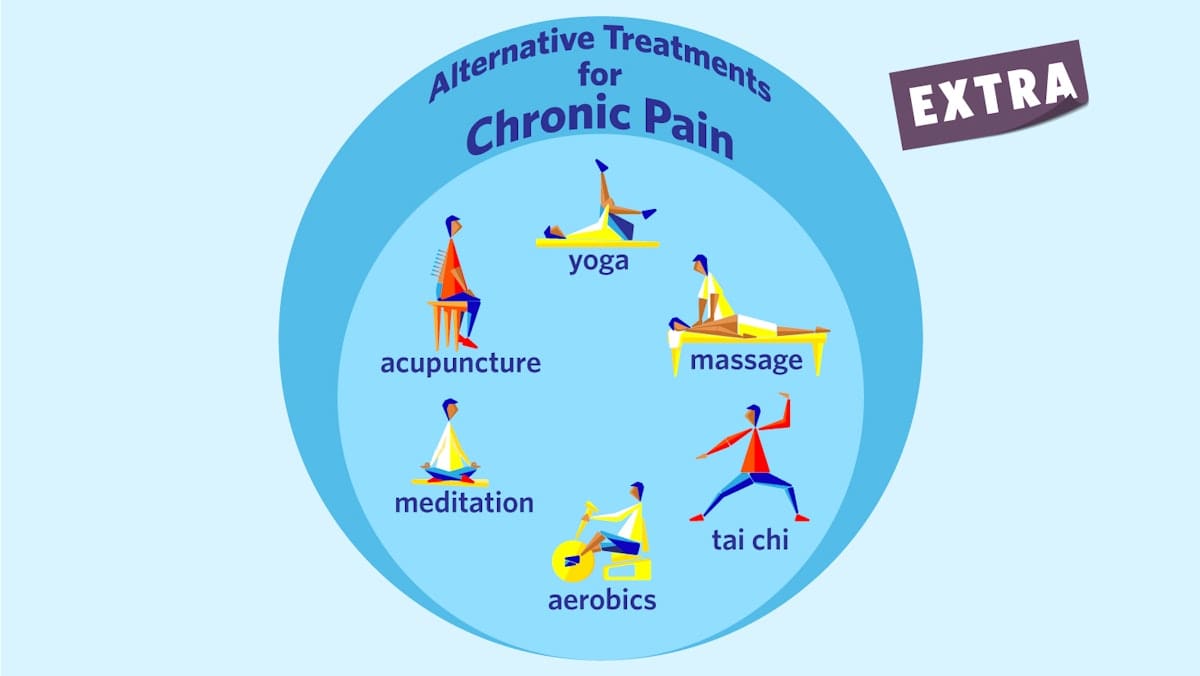
There are numerous alternative medicine options available for managing chronic pain, each with its own unique benefits and potential drawbacks. Here are some of the most common types of alternative medicine for chronic pain management:
Acupuncture
Acupuncture is a traditional Chinese medicine practice that involves inserting thin needles into specific points on the body to promote healing and relieve pain. This ancient technique is believed to stimulate the body’s energy flow, known as qi, and restore balance to the body.
If you’re considering acupuncture for chronic pain management, it’s essential to find a qualified and experienced practitioner who can accurately assess your condition and develop a personalized treatment plan. Many people find acupuncture to be an effective and non-invasive way to manage chronic pain, especially for conditions such as migraines, back pain, and arthritis.
Chiropractic Care
Chiropractic care focuses on the relationship between the spine and the nervous system and aims to treat musculoskeletal disorders through manual adjustments and manipulations. Chiropractors use their hands or special instruments to apply controlled force to the joints, with the goal of improving alignment and relieving pain.
Chiropractic care is commonly used to treat conditions such as back pain, neck pain, and headaches. Many people find relief from chronic pain through regular chiropractic adjustments, which can help improve range of motion, reduce inflammation, and promote overall well-being.
Massage Therapy
Massage therapy involves manipulating the body’s soft tissues to promote relaxation, reduce tension, and alleviate pain. There are many different types of massage techniques, including Swedish massage, deep tissue massage, and trigger point therapy, each with its own unique benefits for managing chronic pain.
If you’re considering massage therapy for chronic pain management, it’s essential to work with a licensed and experienced massage therapist who can tailor the treatment to your specific needs. Many people find massage therapy to be a soothing and effective way to relieve muscle tension, improve circulation, and enhance overall comfort.
Herbal Medicine
Herbal medicine, also known as botanical medicine or phytotherapy, involves using plant-based remedies to treat various health conditions, including chronic pain. There are many herbs with anti-inflammatory, analgesic, and calming properties that can help reduce pain and improve overall well-being.
Some popular herbs and supplements used for chronic pain management include turmeric, ginger, devil’s claw, and willow bark. Before using herbal medicine for chronic pain, it’s essential to consult with a qualified herbalist or healthcare provider to ensure safe and effective use of these natural remedies.
Benefits of Alternative Medicine for Chronic Pain Management
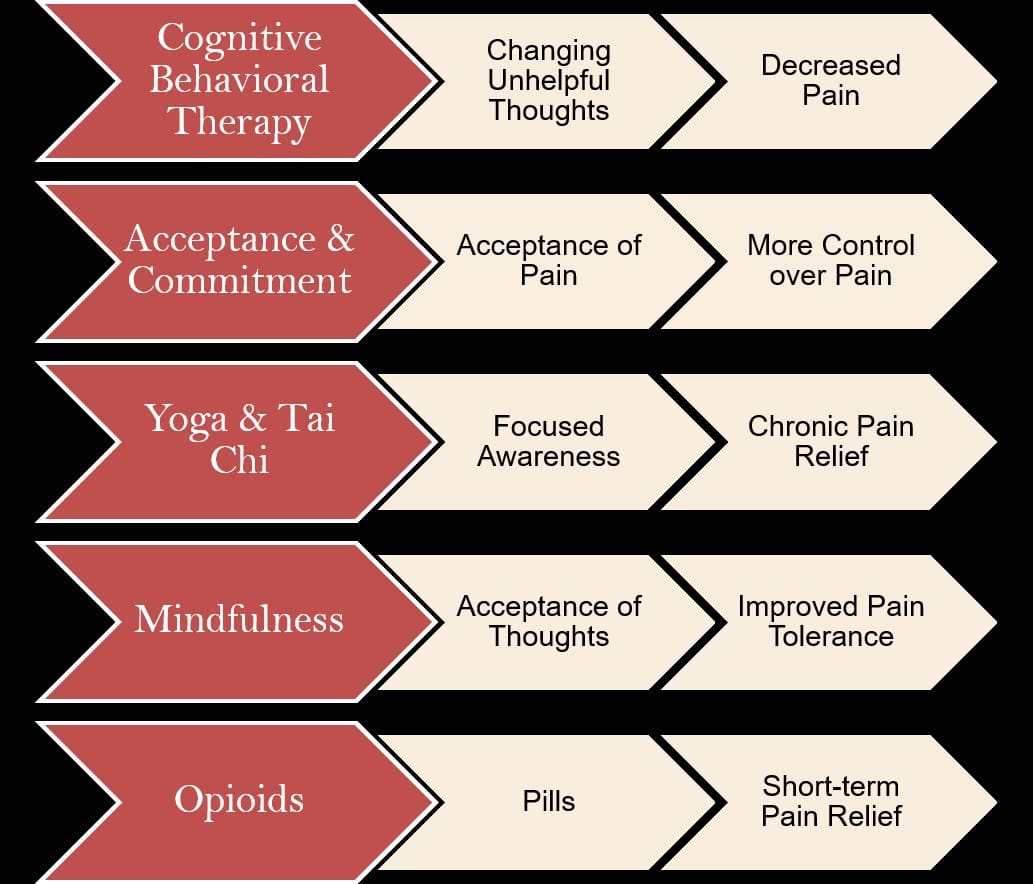
Alternative medicine offers several potential benefits for managing chronic pain that may not be provided by conventional medical treatments alone. Here are some of the key advantages of incorporating alternative medicine into your pain management plan:
Holistic Approach
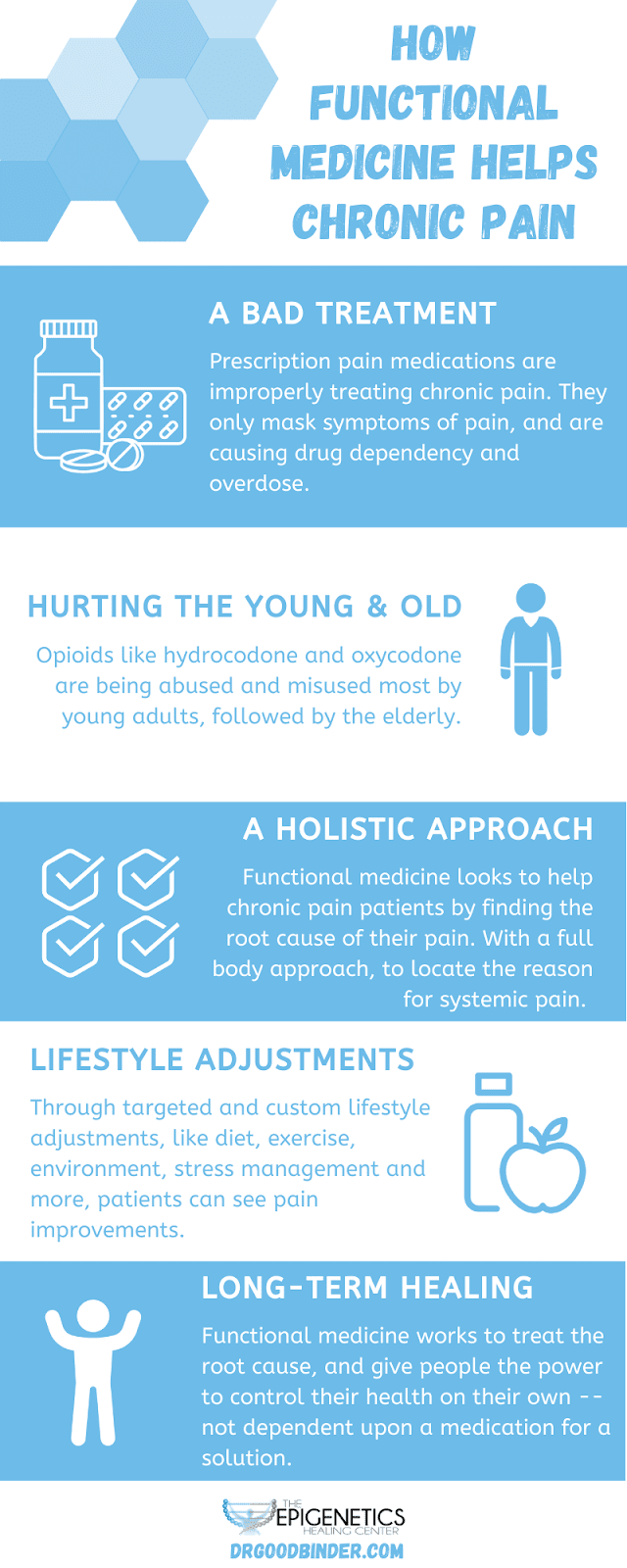
One of the primary advantages of alternative medicine is its focus on treating the whole person, rather than just the symptoms of pain. Alternative therapies often address the underlying causes of pain, such as stress, inflammation, and poor circulation, to promote long-term healing and relief.
By taking a holistic approach to chronic pain management, you can improve your overall health and well-being while also reducing your reliance on medications or invasive procedures. Alternative medicine can help you achieve a more balanced and sustainable approach to pain management that considers your physical, emotional, and mental needs.
Personalized Care
Alternative medicine treatments are often tailored to your individual needs and preferences, allowing for a more personalized and patient-centered approach to pain management. Practitioners of alternative therapies take the time to listen to your concerns, assess your condition, and develop a customized treatment plan that meets your specific goals and requirements.
Whether you choose acupuncture, chiropractic care, massage therapy, or herbal medicine, you can work closely with your healthcare provider to ensure that the treatment is safe, effective, and well-suited to your unique needs. This personalized care can help you feel empowered and in control of your pain management journey.
Fewer Side Effects
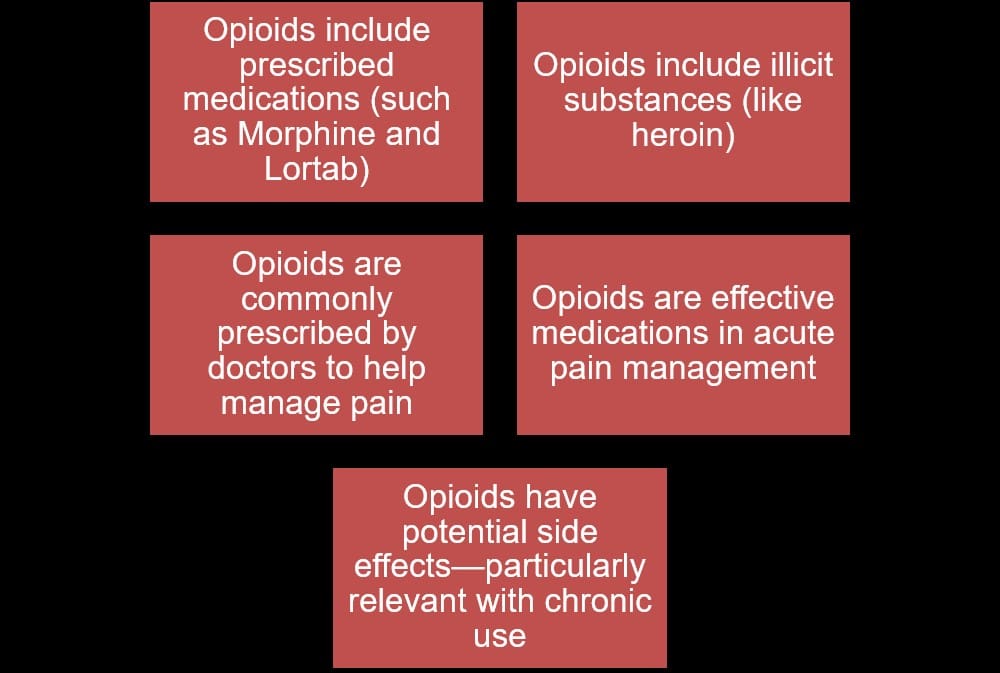
Many alternative medicine treatments have fewer side effects than conventional medications, making them a safer and more natural option for managing chronic pain. Unlike prescription pain relievers, which can cause drowsiness, nausea, and dependence, alternative therapies such as acupuncture, chiropractic care, and massage therapy are gentle and non-invasive.
By choosing alternative medicine for chronic pain management, you can reduce your risk of adverse reactions and complications while still achieving meaningful relief from your symptoms. Alternative therapies are generally well-tolerated and can be used in conjunction with other treatments to enhance their effectiveness.
Risks and Considerations of Alternative Medicine
While alternative medicine can offer many potential benefits for managing chronic pain, it’s essential to be aware of the risks and considerations associated with these therapies. Before incorporating alternative treatments into your pain management plan, consider the following factors:
Lack of Regulation
One of the significant challenges of alternative medicine is the lack of standardized regulation and oversight compared to conventional medical treatments. Many alternative therapies are not subject to the same rigorous testing, quality control, and safety standards as pharmaceutical drugs. As a result, it can be challenging to assess the effectiveness and safety of some alternative treatments.
Before trying any alternative medicine for chronic pain management, it’s crucial to research the therapy, find a qualified and experienced practitioner, and ask questions about the treatment’s risks and benefits. Be wary of any alternative therapies that promise quick fixes or miracle cures, as these claims may be misleading or unsupported by scientific evidence.
Potential Interactions
Some alternative medicine treatments may interact with medications or other therapies you are currently using for chronic pain management. For example, certain herbs and supplements can interfere with blood thinners, anti-inflammatory drugs, or pain relievers, leading to unwanted side effects or reduced effectiveness.
If you are considering herbal medicine or other natural remedies for chronic pain, it’s essential to consult with your healthcare provider to ensure that there are no potential interactions with your current medications. Your provider can help you navigate the complex landscape of alternative medicine and conventional treatments to create a safe and effective pain management plan.
Variable Results
Alternative medicine treatments can produce variable results for chronic pain management, as they may work differently for each individual based on factors such as your condition, lifestyle, and overall health. While some people experience significant relief from alternative therapies, others may not see the same level of improvement or may require a combination of treatments to achieve the desired outcomes.
If you are considering alternative medicine for chronic pain management, it’s essential to have realistic expectations and be patient with the process. It may take time to find the right combination of therapies that work best for you, so be open to trying different approaches and making adjustments as needed to optimize your pain management plan.
Conclusion
In conclusion, alternative medicine offers a diverse range of options for managing chronic pain and improving your overall quality of life. Whether you choose acupuncture, chiropractic care, massage therapy, herbal medicine, or a combination of therapies, alternative treatments can help address the root causes of pain, promote holistic healing, and reduce your reliance on medications.
If you are considering alternative medicine for chronic pain management, be sure to consult with a qualified and experienced practitioner who can guide you through the process and develop a personalized treatment plan tailored to your individual needs. By taking a holistic and patient-centered approach to pain management, you can empower yourself to find relief from chronic pain and enjoy a healthier, more fulfilling life.