

Welcome to an exploration of “The Science Of Touch: The Role Of Physical Contact In Emotional Wellness.” Join us as we delve into the profound impact that physical touch can have on your emotional well-being. From the release of oxytocin to the reduction of stress and anxiety, discover the power of connection through touch and how it can enhance your overall sense of happiness and fulfillment. Stay tuned to learn more about the fascinating science behind the magic of human touch. Have you ever noticed how a hug from a loved one can instantly make you feel better? Or how holding hands with someone can provide a sense of comfort and connection? There is a scientific reason behind these experiences. In this article, we will explore the role of physical contact in emotional wellness. Let’s delve into the science of touch and how it can positively impact your mental and emotional well-being.
The Power of Touch
Have you ever wondered why babies are often soothed by gentle strokes or why a pat on the back can make someone feel supported? The power of touch lies in its ability to release oxytocin, a hormone often referred to as the “love hormone” or “cuddle hormone.” When we engage in physical contact, our bodies release oxytocin, which plays a crucial role in social bonding, trust, and emotional regulation.
Oxytocin: The Hormone of Connection
Oxytocin is a hormone produced in the hypothalamus and released by the pituitary gland. It is involved in various physiological and psychological processes, including childbirth, breastfeeding, and social bonding. Oxytocin has been linked to feelings of trust, empathy, and intimacy, making it essential for forming and maintaining relationships.
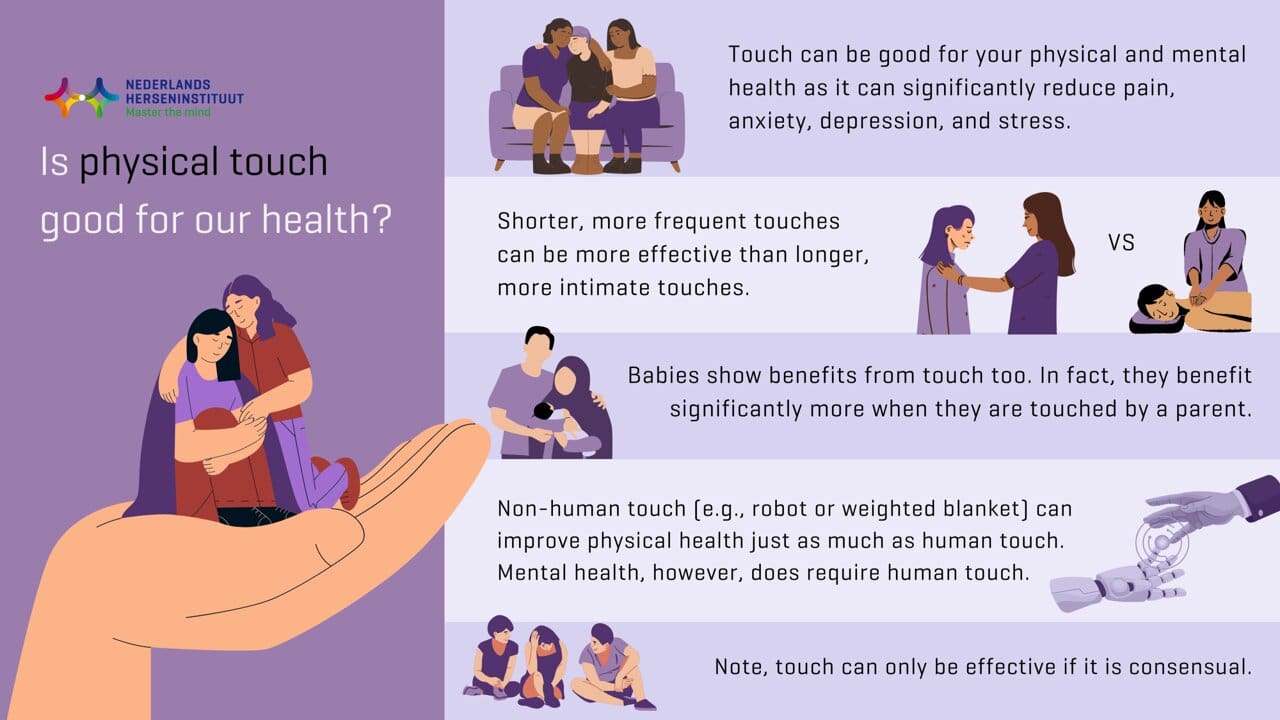
The Impact of Touch on Mental Health
Have you ever experienced the calming effect of a gentle hand on your shoulder during a moment of distress? Physical touch has a profound impact on mental health by reducing stress, anxiety, and depression. In a world where loneliness and isolation are prevalent, the simple act of reaching out and connecting through touch can significantly improve emotional well-being.
Stress Reduction
When we experience stress, our bodies release cortisol, a hormone associated with the body’s fight-or-flight response. Physical touch has been shown to lower cortisol levels and reduce stress. Whether it’s a hug, a massage, or simply holding hands, engaging in physical contact can help calm the nervous system and promote relaxation.
Anxiety Relief
Anxiety is a common mental health condition characterized by feelings of worry, fear, and tension. Physical touch has been found to reduce symptoms of anxiety by triggering the release of oxytocin and dopamine, two neurotransmitters associated with pleasure and bonding. By engaging in activities that involve touch, such as cuddling, kissing, or even petting an animal, you can alleviate feelings of anxiety and promote a sense of calm.
Depression Management
Depression is a mood disorder that can have a profound impact on a person’s emotional well-being. Physical touch has been shown to boost mood and reduce symptoms of depression by increasing levels of serotonin and dopamine, neurotransmitters that play a key role in regulating mood and emotions. Whether it’s a warm hug from a friend or a comforting touch from a loved one, engaging in physical contact can provide much-needed support and comfort during difficult times.

The Importance of Physical Contact in Relationships
Have you ever noticed how physical touch can strengthen the bond between partners, friends, or family members? Physical contact plays a vital role in relationships by fostering trust, intimacy, and emotional connection. Whether it’s a reassuring hand on the shoulder or a tender embrace, touch communicates emotions and feelings that words alone cannot express.
Trust and Bonding
Physical touch is a powerful way to build trust and strengthen the bond between individuals. When we engage in touch, our bodies release oxytocin, which promotes feelings of attachment and security. By incorporating physical contact into our relationships, we can deepen our connections and cultivate a sense of trust and reliability.
Intimacy and Connection
Physical touch plays a crucial role in fostering intimacy and emotional connection in relationships. Whether it’s a gentle caress, a warm hug, or a passionate kiss, touch conveys love, affection, and desire. By engaging in physical contact with our partners, we can enhance emotional closeness, deepen our bond, and strengthen the foundation of our relationship.
Communication and Understanding
Touch is a universal language that transcends barriers and communicates emotions and feelings effectively. From a comforting pat on the back to a loving embrace, physical contact can convey support, empathy, and understanding. By incorporating touch into our interactions, we can enhance communication, express our emotions more authentically, and foster greater understanding in our relationships.

The Role of Touch in Self-Care
Have you ever considered the importance of self-touch in your self-care routine? Physical contact with oneself, also known as self-touch or self-soothing, can have a profound impact on emotional wellness by promoting self-compassion, self-awareness, and self-acceptance. Incorporating self-touch practices into your daily routine can help you cultivate a deeper connection with yourself and enhance your overall well-being.
Self-Compassion and Self-Love
Self-touch is a powerful way to cultivate self-compassion and self-love. By engaging in gentle self-soothing practices, such as placing a hand on your heart or giving yourself a hug, you can nurture feelings of care, kindness, and acceptance towards yourself. Physical touch with oneself can help you develop a sense of self-worth, enhance self-esteem, and cultivate a positive self-image.
Self-Awareness and Mindfulness
Self-touch practices can also promote self-awareness and mindfulness by bringing attention to your body and emotions. By engaging in gentle self-massage, stretching, or relaxation techniques, you can tune into your physical sensations, thoughts, and feelings, fostering a deeper connection with yourself. Self-touch can help you become more present, grounded, and in touch with your inner experience.
Stress Relief and Emotional Regulation
Self-touch can be a valuable tool for stress relief and emotional regulation. Whether it’s rubbing your temples during a moment of tension or placing a hand on your heart in times of distress, self-touch can help calm the nervous system, reduce anxiety, and promote emotional balance. By incorporating self-soothing practices into your self-care routine, you can improve your ability to cope with stress and regulate your emotions effectively.

Practical Ways to Incorporate Touch into Your Daily Life
Have you ever considered how you can incorporate more touch into your daily routine? From small gestures of affection to intentional acts of self-soothing, there are numerous ways to incorporate touch into your life to enhance your emotional well-being. Here are some practical ways to incorporate touch into your daily routine:
Hug a Loved One
Whether it’s a family member, friend, or partner, hugging someone you care about can provide a sense of comfort, connection, and support. Take a moment to embrace your loved ones and express your affection through a warm hug.
Hold Hands
Holding hands with someone you care about can foster intimacy, trust, and emotional connection. Whether you’re walking down the street or sitting together, holding hands can create a bond that transcends words and strengthens your relationship.
Practice Self-Massage
Take time to give yourself a gentle self-massage to promote relaxation, stress relief, and self-care. Focus on areas of tension, such as your shoulders, neck, or feet, and use soothing motions to release physical and emotional stress.
Engage in Mindful Touch
Practice mindfulness by bringing awareness to the sensations of touch in your daily activities. Whether you’re washing dishes, petting your pet, or applying lotion to your skin, be present and attuned to the experience of touch, fostering a deeper connection with yourself and the world around you.
Explore Sensory Activities
Engage in sensory activities that involve touch, such as gardening, cooking, or painting. Focus on the tactile sensations of different textures, surfaces, and materials, enhancing your sensory awareness and promoting a sense of grounding and presence.
By incorporating touch into your daily routine, you can enhance your emotional well-being, strengthen your relationships, and cultivate a deeper connection with yourself and others. Take a moment to embrace the power of touch and explore the profound impact it can have on your mental and emotional wellness.
Remember, the simple act of physical contact, whether it’s a hug, a handshake, or a pat on the back, can have a powerful effect on your emotional well-being. So, take a moment to reach out, connect, and embrace the healing power of touch in your life. Your emotional wellness will thank you for it.
