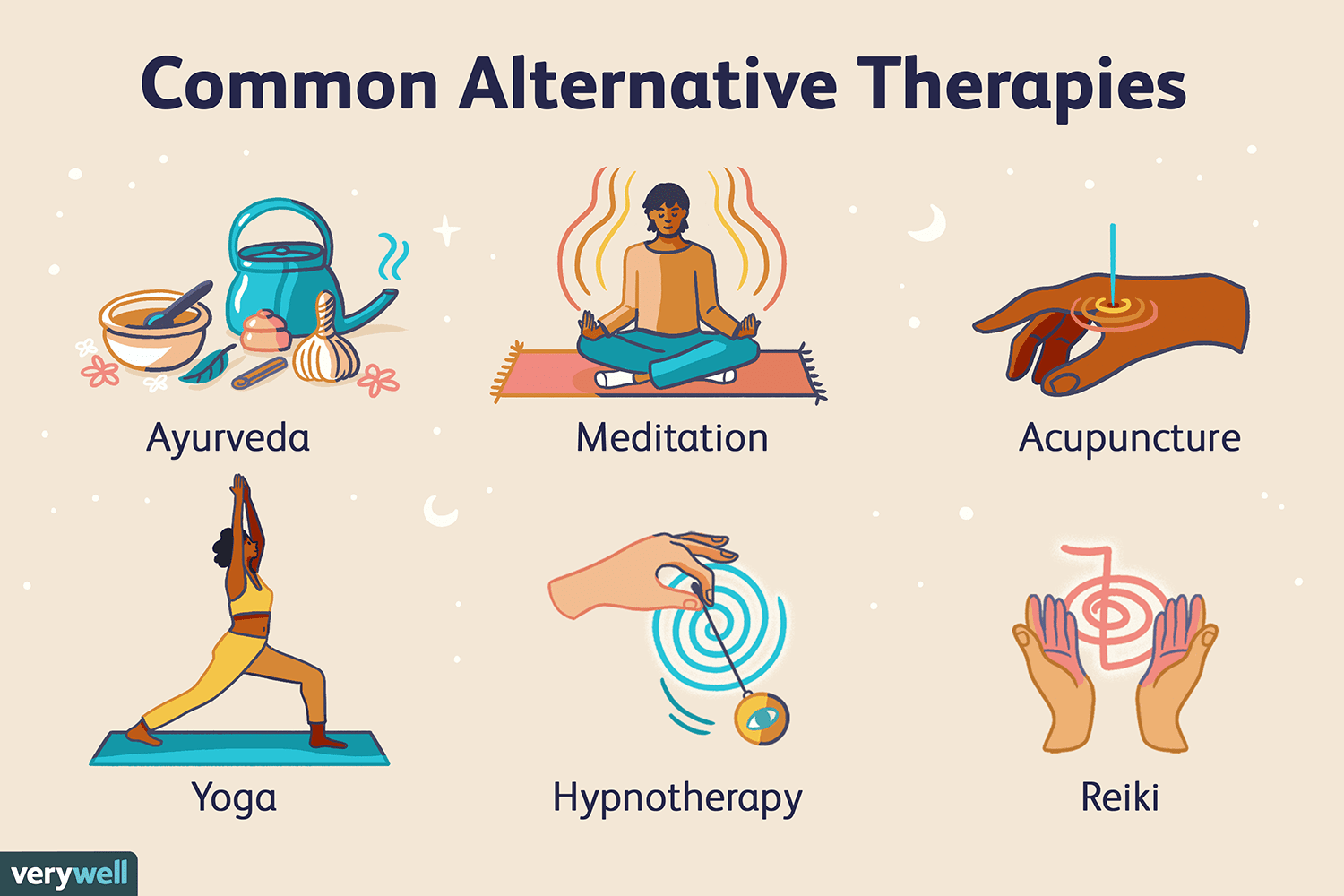
Did you know that there are alternative medicine options available for treating depression and anxiety? In addition to traditional therapies and medications, alternative approaches such as herbal supplements, acupuncture, and meditation have been gaining popularity as complementary treatments. These natural remedies aim to provide relief from symptoms, improve overall mental well-being, and promote a sense of balance and tranquility. So if you’re looking for additional holistic methods to alleviate the challenges of depression and anxiety, exploring alternative medicine could be a promising avenue for you.
1. Herbal Remedies
1.1 St. John’s Wort
St. John’s Wort is a popular herbal remedy for treating depression and anxiety. It has been used for centuries and is known for its mood-enhancing properties. This herb contains active compounds that can increase the levels of neurotransmitters like serotonin, dopamine, and norepinephrine in the brain, which are important for regulating mood. St. John’s Wort is often taken in the form of capsules or tinctures, and it is important to follow the recommended dosage guidelines. However, it is important to note that St. John’s Wort can interact with certain medications, so it’s important to consult with a healthcare professional before using this herbal remedy.
1.2 Lavender
Lavender is a fragrant flowering plant that is commonly used for its calming and relaxing properties. It has been used in aromatherapy to promote a sense of calm and reduce anxiety. The aroma of lavender has been shown to have a positive impact on the brain, increasing the release of neurotransmitters that promote relaxation and reduce stress. Lavender can be used in various forms, such as essential oils, dried flowers, or as a tea. It can also be applied topically in the form of lotions or creams. Incorporating lavender into your daily routine can help alleviate symptoms of depression and anxiety.
1.3 Valerian Root
Valerian root is a natural sedative that has been used for centuries to promote relaxation and sleep. It can help alleviate symptoms of anxiety and insomnia, making it an effective herbal remedy for treating depression and anxiety. Valerian root contains compounds that interact with the brain’s GABA receptors, which regulate anxiety and stress levels. This herb is commonly taken in the form of supplements, teas, or tinctures. It is important to follow the recommended dosage guidelines and consult with a healthcare professional before using valerian root, especially if you are taking other medications.
2. Acupuncture
2.1 Traditional Chinese Medicine
Acupuncture is an ancient Chinese practice that involves inserting thin needles into specific points on the body. According to traditional Chinese medicine, these acupuncture points are connected by pathways or meridians through which vital energy, known as Qi, flows. By stimulating these points, acupuncture can help restore the balance of Qi in the body and alleviate various health conditions, including depression and anxiety. Traditional Chinese medicine views depression and anxiety as an imbalance of energy, and acupuncture aims to restore this balance. It is important to seek out a qualified and licensed acupuncturist to ensure safe and effective treatment.
2.2 Benefits of Acupuncture
Acupuncture offers several benefits for individuals suffering from depression and anxiety. It can help reduce stress levels, promote relaxation, and enhance overall well-being. Acupuncture has been shown to stimulate the release of endorphins and other neurotransmitters in the brain, which can help alleviate symptoms of depression and anxiety. Additionally, acupuncture can help improve sleep quality, boost energy levels, and enhance mental clarity. Regular acupuncture sessions can provide long-term relief from depressive and anxious symptoms and improve overall mental health.
2.3 Acupuncture for Depression and Anxiety
Acupuncture has shown promising results in the treatment of depression and anxiety. A study published in the Journal of Alternative and Complementary Medicine found that acupuncture significantly reduced symptoms of depression after just four weeks of treatment. Another study published in the Journal of Affective Disorders found that acupuncture combined with psychiatric medication was more effective in reducing anxiety symptoms compared to medication alone. Acupuncture is often used as a complementary therapy alongside other conventional treatments for depression and anxiety. However, it is important to consult with a healthcare professional to determine the best treatment approach for your specific condition.
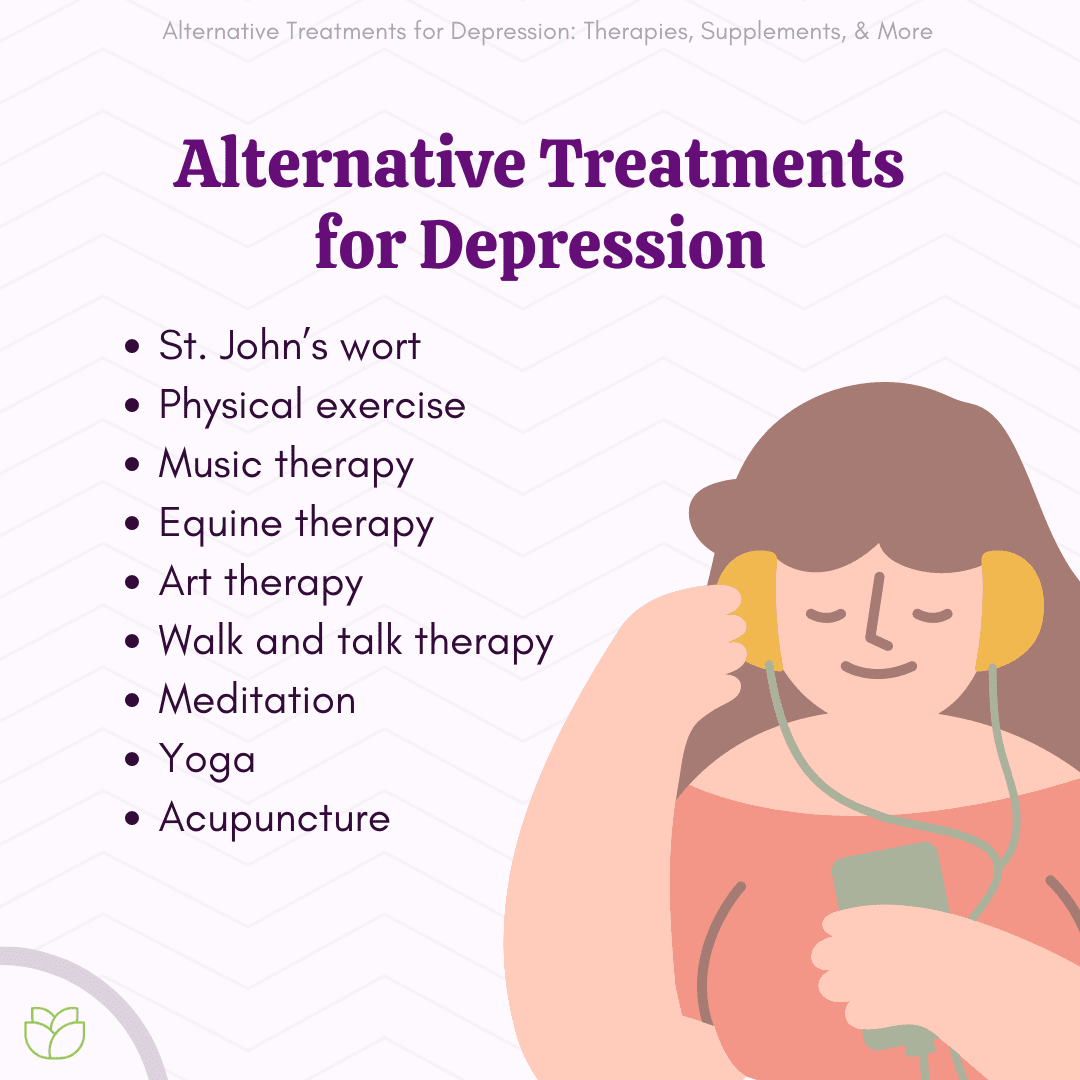
3. Meditation and Mindfulness
3.1 Understanding Meditation
Meditation is a practice that involves focusing the mind in a specific way to achieve a state of mental clarity and emotional calmness. It has been used for centuries as a tool for promoting relaxation, improving focus, and reducing stress. Meditation can take various forms, including mindfulness meditation, transcendental meditation, and loving-kindness meditation. In mindfulness meditation, the focus is on being fully present in the moment and observing thoughts and sensations without judgment. Regular meditation practice can help cultivate a sense of peace and self-awareness, making it an effective tool for managing depression and anxiety.
3.2 Benefits of Meditation for Depression and Anxiety
Meditation offers numerous benefits for individuals struggling with depression and anxiety. It can help calm the mind, reduce racing thoughts, and alleviate symptoms of stress. Research has shown that regular meditation practice can decrease the production of stress hormones, such as cortisol, and increase the levels of neurotransmitters like serotonin, which are important for regulating mood. Meditation can also improve emotional resilience, enhance self-compassion, and promote a positive outlook on life. Incorporating meditation into your daily routine can be a powerful tool for managing depressive and anxious symptoms.
3.3 Mindfulness-Based Cognitive Therapy
Mindfulness-Based Cognitive Therapy (MBCT) is an evidence-based treatment approach that combines mindfulness meditation with cognitive therapy. It is specifically designed to prevent relapse in individuals who have experienced recurrent episodes of depression. MBCT teaches individuals to become more aware of their thoughts and emotions, and to develop more adaptive ways of thinking and responding to challenging situations. This therapy can help individuals break free from negative thinking patterns and reduce the risk of future depressive episodes. If you are seeking a structured and guided approach to managing depression and anxiety, MBCT can be a beneficial option to consider.
4. Yoga and Tai Chi
4.1 Yoga for Mental Health
Yoga is an ancient practice that combines physical postures, breathing exercises, and meditation to promote holistic well-being. It has been shown to have numerous mental health benefits, making it a valuable tool for managing depression and anxiety. Yoga helps calm the mind, reduce stress, and improve self-awareness. The physical postures in yoga release tension from the body and promote relaxation, while the breathing exercises help regulate the nervous system and enhance mental clarity. Regular yoga practice has been linked to decreased symptoms of depression and anxiety, improved sleep quality, and increased overall life satisfaction.
4.2 Tai Chi for Depression and Anxiety
Tai Chi is a gentle martial art that originated in ancient China. It involves slow, flowing movements combined with deep breathing and focused attention. Tai Chi has been shown to have numerous mental health benefits, including reducing symptoms of depression and anxiety. The slow and controlled movements in Tai Chi help relax the body and mind, reduce stress levels, and improve emotional well-being. Regular Tai Chi practice can also improve balance, flexibility, and overall physical health. If you prefer a low-impact exercise that promotes both physical and mental well-being, Tai Chi can be a great option to consider.
4.3 Relaxation Techniques
Yoga and Tai Chi both incorporate relaxation techniques that can be beneficial for managing depression and anxiety. These techniques focus on the breath, promoting deep, diaphragmatic breathing that helps activate the body’s relaxation response. By consciously slowing down the breath and focusing on the present moment, you can help calm your mind, reduce stress, and promote a sense of inner peace. Deep breathing techniques, such as the 4-7-8 breathing technique, can be practiced both during yoga sessions and as standalone relaxation exercises. These techniques can be easily incorporated into your daily routine and can provide immediate relief from depressive and anxious symptoms.
5. Massage Therapy
5.1 Types of Massage for Stress Reduction
Massage therapy is a hands-on therapy that involves manipulating the body’s soft tissues to promote relaxation and relieve muscle tension. There are various types of massage that can be beneficial for reducing stress and managing depression and anxiety. Swedish massage is a popular type of massage that uses long, gliding strokes to relax the muscles and promote overall relaxation. Deep tissue massage focuses on targeting deeper layers of muscle tissue to release tension and alleviate chronic pain. Aromatherapy massage combines the benefits of massage with the use of essential oils for enhanced relaxation and mood enhancement.
5.2 Benefits of Massage Therapy
Massage therapy offers numerous benefits for individuals struggling with depression and anxiety. It can help reduce stress levels, promote relaxation, and improve overall well-being. Massage has been shown to decrease the production of stress hormones, such as cortisol, and increase the release of endorphins, which are natural painkillers and mood enhancers. Regular massage sessions can also help improve sleep quality, boost immune function, and reduce symptoms of anxiety. Additionally, the human touch involved in massage therapy can promote a sense of comfort and connection, which can be particularly beneficial for individuals experiencing feelings of loneliness or isolation.
5.3 Craniosacral Therapy
Craniosacral therapy is a gentle, non-invasive therapy that focuses on the craniosacral system, which includes the bones, membranes, and cerebrospinal fluid that surround and protect the brain and spinal cord. This therapy aims to release restrictions and improve the flow of cerebrospinal fluid, which can help restore balance to the nervous system and promote physical and emotional well-being. Craniosacral therapy has been used to alleviate symptoms of depression and anxiety by promoting relaxation, reducing tension, and improving overall nervous system function. It is a gentle and safe therapy that can be suitable for individuals of all ages.
6. Essential Oils
6.1 Aromatherapy
Aromatherapy is a form of alternative medicine that uses essential oils derived from plants to enhance physical and mental well-being. Essential oils are highly concentrated plant extracts that possess various therapeutic properties. Inhaling the aroma of essential oils or applying them topically can have a profound effect on the mind and body. Aromatherapy has been shown to reduce stress, promote relaxation, and improve mood. It can help alleviate symptoms of depression and anxiety by stimulating the limbic system, which is the part of the brain responsible for emotions and memory. Aromatherapy can be practiced through diffusers, massage oils, or by adding a few drops of essential oil to bathwater.
6.2 Popular Essential Oils for Mental Health
There are several essential oils that are particularly beneficial for promoting mental health and well-being. Lavender essential oil is well-known for its calming and soothing properties, making it effective in reducing stress and anxiety. Lemon essential oil has uplifting and energizing effects, which can help improve mood and promote mental clarity. Bergamot essential oil is often used to alleviate symptoms of depression and promote relaxation. It has a citrusy aroma that can uplift the spirit and help reduce stress levels. Ylang-ylang essential oil is known for its sedative properties and can help reduce feelings of anxiety and promote a sense of tranquility.
6.3 Safe Usage and Precautions
When using essential oils for mental health, it is important to follow safe usage guidelines. Essential oils should always be diluted before applying them topically to avoid skin irritation. They can be mixed with carrier oils, such as coconut oil or jojoba oil, before being applied to the skin. When using essential oils in a diffuser, it is important to follow the recommended dosage and duration to prevent overwhelming the senses. Some essential oils can cause allergic reactions or interact with certain medications, so it is important to do a patch test and consult with a healthcare professional before using essential oils, especially if you have underlying health conditions.
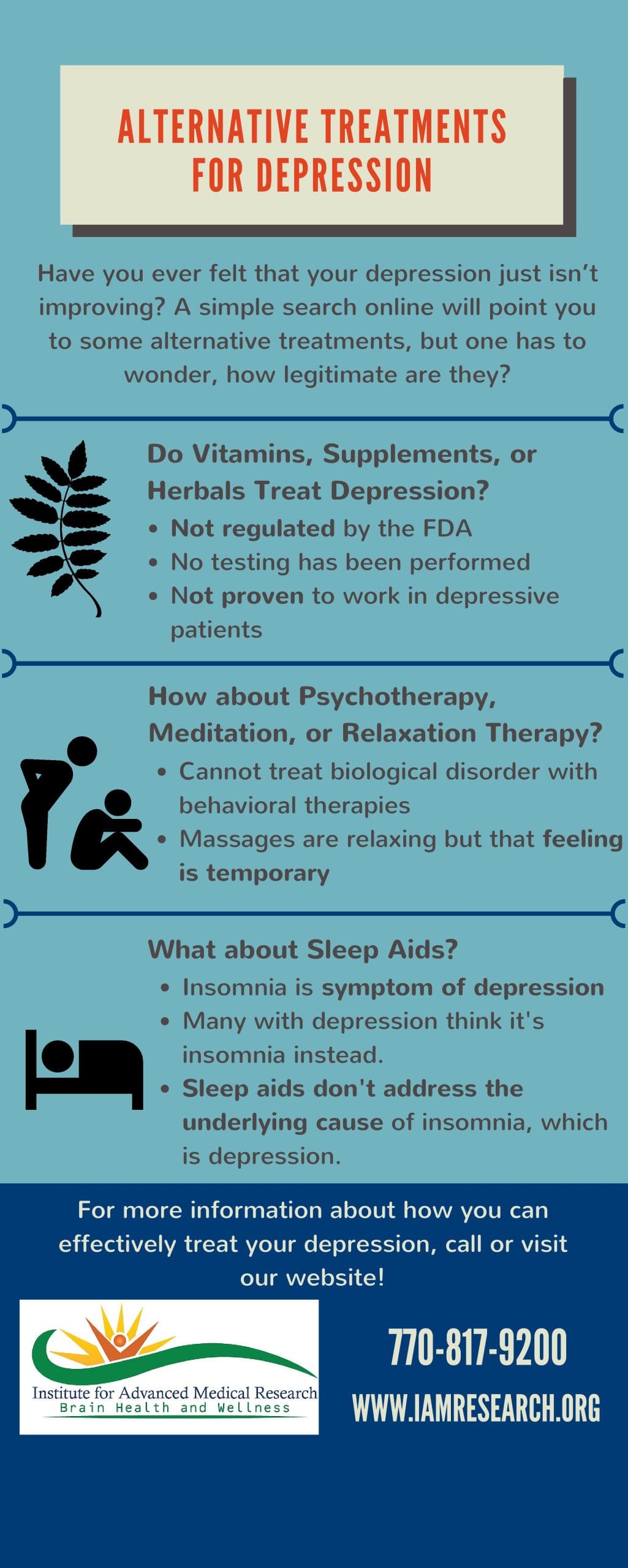
7. Homeopathic Remedies
7.1 Individualized Treatment
Homeopathy is a holistic approach to healthcare that aims to stimulate the body’s natural healing abilities. Homeopathic remedies are highly individualized and are prescribed based on a person’s unique symptoms, emotional state, and overall well-being. Homeopathy views depression and anxiety as disruptions of the vital force or energy within the body, and aims to restore balance through the use of remedies made from natural substances. A qualified homeopathic practitioner will conduct a thorough assessment and develop a personalized treatment plan to address the underlying causes of depression and anxiety.
7.2 Common Homeopathic Remedies for Depression and Anxiety
There are several common homeopathic remedies that can be beneficial for managing depression and anxiety. Ignatia amara is often prescribed for individuals experiencing grief, sadness, and emotional sensitivity. Natrum muriaticum is used for individuals who suppress their emotions and experience long-lasting sadness. Lycopodium is prescribed for individuals who have low self-esteem and fear failure. Sepia is often recommended for individuals experiencing irritability, indifference, and fatigue. These are just a few examples, and a qualified homeopathic practitioner will select the most appropriate remedy based on a comprehensive assessment.
7.3 Safety Considerations
Homeopathy is generally considered safe when practiced by a qualified practitioner and when remedies are used according to the prescribed dosage. However, it is important to consult with a healthcare professional before using homeopathic remedies, especially if you are currently taking other medications. Homeopathy can be used as a complementary therapy alongside conventional treatments, but it is important to inform your healthcare provider about all the treatments you are using. It is also important to note that individual responses to homeopathic remedies can vary, and it may take time to find the most effective remedy for your specific condition.
8. Music and Art Therapy
8.1 Expressive Arts Therapy
Expressive Arts Therapy encompasses various creative modalities, including music therapy and art therapy. These therapies use the creative process to help individuals explore and express their emotions, gain insight, and promote emotional well-being. Music therapy involves using music-based interventions, such as listening to music, playing instruments, or singing, to improve psychological and emotional health. Art therapy uses various art forms, such as painting, drawing, or sculpture, to promote self-expression and emotional healing. Both music therapy and art therapy can be powerful tools for individuals struggling with depression and anxiety, as they provide a safe and creative outlet for processing emotions.
8.2 Healing Power of Music
Music has a profound impact on our emotional state and can evoke powerful emotions and memories. Listening to music can help reduce stress levels, promote relaxation, and improve overall mood. Music therapy uses this powerful therapeutic tool to help individuals manage depressive and anxious symptoms. Music therapists work with individuals to find the most suitable music that resonates with their emotions and create a safe space for self-expression. Playing musical instruments, singing, or participating in group music therapy sessions can have a positive impact on mental health and well-being.
8.3 Art Therapy Techniques
Art therapy provides a non-verbal and creative outlet for individuals experiencing depression and anxiety. The process of creating art can help individuals express their emotions, gain insight, and develop coping strategies. Art therapists provide support and guidance as individuals engage in various art techniques, such as painting, drawing, collage, or sculpting. The focus is on the creative process rather than the final product, allowing individuals to explore their emotions and thoughts without judgment. Art therapy can help individuals process and release difficult emotions, improve self-esteem, and promote a sense of empowerment.
9. Energy Healing
9.1 Reiki
Reiki is an energy healing practice that originated in Japan. It involves the use of gentle touch or non-touch techniques to balance and align the body’s energy. Reiki practitioners believe that imbalances or blockages in the body’s energy can contribute to physical, emotional, and mental health issues. By channeling universal life energy, Reiki practitioners aim to restore the natural flow of energy and promote healing on all levels. Reiki can induce deep relaxation, reduce stress levels, and enhance overall well-being. It can be used as a complementary therapy alongside conventional treatments for depression and anxiety.
9.2 Biofield Therapy
Biofield therapy is a form of energy healing that involves working with the biofield, which is the energy field that surrounds and permeates the human body. Various techniques, such as therapeutic touch, healing touch, or quantum touch, are used to manipulate the biofield and promote balance and healing. Biofield therapy aims to release energy blockages, reduce stress, and promote a sense of calm and relaxation. It is a non-invasive therapy that can be beneficial for individuals experiencing depressive and anxious symptoms.
9.3 Chakra Balancing
Chakras are energy centers within the body that are associated with different aspects of physical, emotional, and spiritual well-being. Imbalances or blockages in the chakras can contribute to various health issues, including depression and anxiety. Chakra balancing involves using various techniques, such as visualization, meditation, or energy healing, to restore the balance and flow of energy in the chakras. By aligning the chakras, individuals can experience improved mental and emotional well-being. Chakra balancing can be practiced through guided meditations, energy healing sessions, or self-care practices such as yoga or breathwork.
10. Ayurvedic Medicine
10.1 Understanding Ayurveda
Ayurveda is an ancient Indian system of medicine that aims to achieve balance and harmony in the body, mind, and spirit. According to Ayurveda, depression and anxiety are caused by imbalances in the doshas, which are the fundamental energies that govern the body. By identifying the underlying doshic imbalances, Ayurvedic practitioners develop personalized treatment approaches to restore balance and promote overall well-being. Ayurveda incorporates various modalities, including herbal remedies, dietary modifications, lifestyle changes, and stress management techniques.
10.2 Ayurvedic Treatment Approaches
Ayurvedic treatment approaches for depression and anxiety focus on addressing the root cause of the imbalances and promoting holistic healing. This may involve a combination of herbal remedies, which are selected based on the individual’s doshic imbalances, as well as dietary and lifestyle modifications. Ayurveda emphasizes the importance of a balanced and nourishing diet, regular exercise, adequate sleep, and stress reduction techniques, such as meditation or yoga. Ayurvedic practitioners also emphasize the importance of maintaining a daily routine, known as dinacharya, to support overall health and well-being.
10.3 Herbs and Remedies
Ayurvedic medicine offers a wide range of herbal remedies that can be beneficial for managing depression and anxiety. Ashwagandha is a popular adaptogenic herb that helps the body adapt to stress and promote overall well-being. Brahmi is a herb known for its calming and cognitive-enhancing properties. Jatamansi is often used to reduce anxiety and promote relaxation. These are just a few examples of Ayurvedic herbs that can be beneficial for managing depressive and anxious symptoms. It is important to consult with an Ayurvedic practitioner to determine the most appropriate herbal remedies based on your doshic imbalances and overall health condition.
In conclusion, alternative medicine offers a diverse range of approaches for managing depression and anxiety. From herbal remedies to meditation and mind-body practices, there are various tools and techniques that can help promote emotional well-being and alleviate symptoms. It is important to approach alternative medicine with an open mind and to consult with qualified healthcare professionals to ensure safe and effective treatment. By exploring alternative medicine options, you can find a holistic approach to managing depression and anxiety that resonates with your unique needs and preferences. Remember to prioritize self-care and to seek support from healthcare professionals and loved ones throughout your journey towards mental wellness.