
Are you searching for effective ways to support your liver health and enhance detoxification? Look no further! In this article, we will explore holistic approaches that can assist you in promoting a healthy liver and facilitating the body’s natural detoxification processes. Discover the power of integrating natural remedies, lifestyle changes, and mindful practices into your daily routine to improve the health of your liver and achieve a greater sense of overall well-being. Say hello to a healthier you and embark on a holistic journey towards optimal liver health and detoxification.
Understanding the Liver
The liver is a vital organ responsible for performing numerous essential functions in the body. Some of its main roles include metabolizing nutrients from the food we eat, filtering toxins from the blood, producing bile to aid in digestion, and storing vitamins and minerals. Without a properly functioning liver, our overall health and well-being can be compromised.
Functions of the Liver
The liver carries out various functions that are crucial for our body’s optimal functioning. Firstly, it plays a key role in metabolizing carbohydrates, proteins, and fats, converting them into usable energy or storing them for future use. Additionally, the liver is responsible for producing bile, which helps in the digestion and absorption of fats. It also filters and detoxifies harmful substances, such as alcohol and medications, from the blood, ensuring they are eliminated from the body.
Importance of Liver Health
Maintaining good liver health is essential for overall well-being. The liver performs vital functions that impact our digestion, energy levels, and the detoxification process. A healthy liver aids in the proper digestion and absorption of nutrients, leading to improved overall nutrient availability for the body. It also helps in regulating blood sugar levels and managing cholesterol levels. By supporting liver health, we can enhance our body’s natural detoxification process and promote optimal functioning of other organs.
Common Liver Diseases
Liver diseases can range from mild to severe, and it is important to be aware of the common conditions that can affect the liver. Some of the most prevalent liver diseases include fatty liver disease, hepatitis (both viral and non-viral), alcoholic liver disease, and cirrhosis. These conditions can be caused by factors like excessive alcohol consumption, viral infections, obesity, and certain medications. It is important to seek medical attention if you experience symptoms such as fatigue, jaundice, abdominal pain, or unusual changes in urine or stool color, as they could be signs of liver dysfunction.
Dietary Approaches
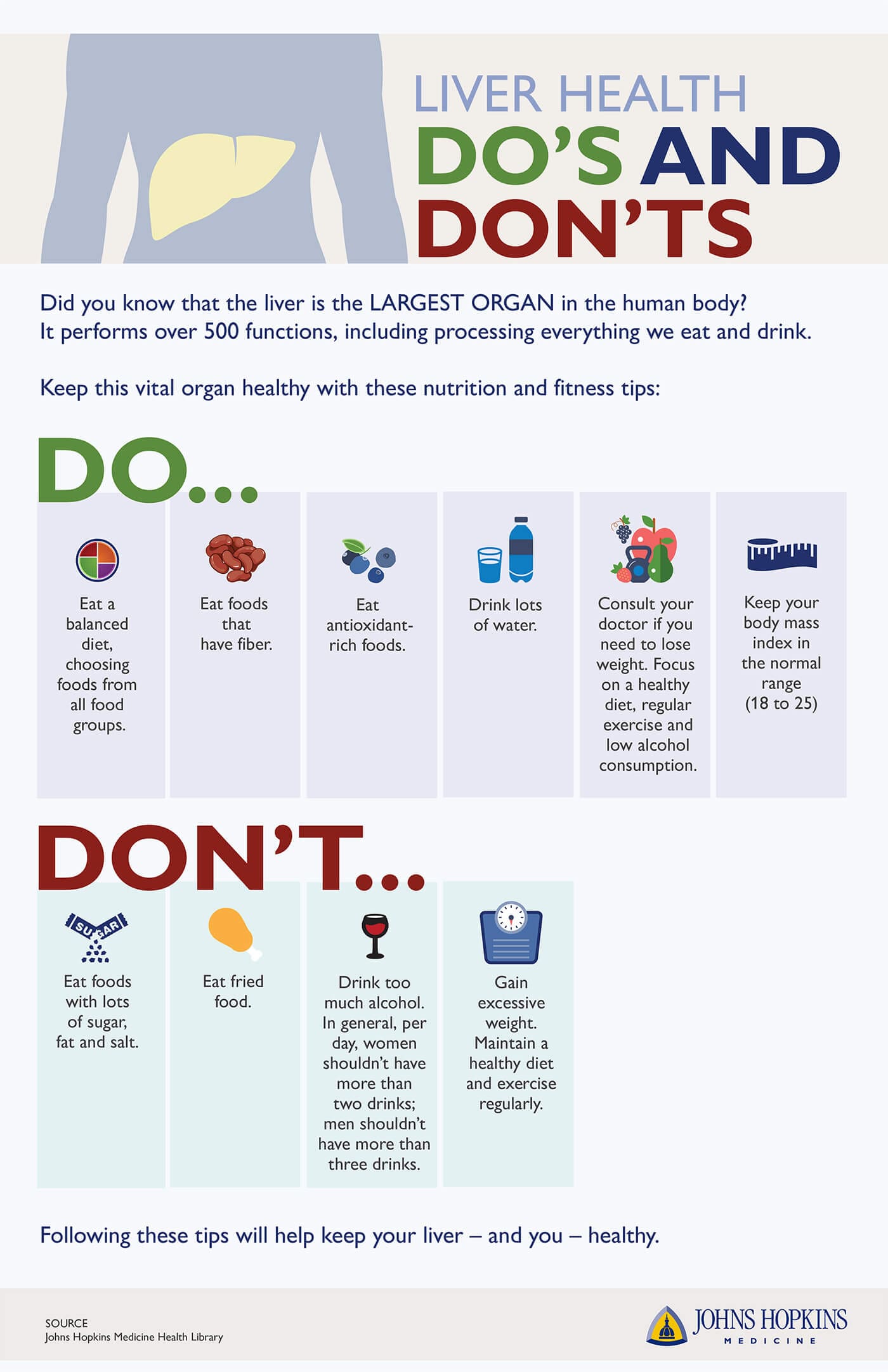
Adopting a healthy diet is crucial for supporting liver health and ensuring its proper functioning. Focus on incorporating foods that promote liver health, such as leafy greens, cruciferous vegetables, and fresh fruits. These foods are rich in antioxidants, vitamins, and minerals that aid in the detoxification process and protect liver cells from damage. Additionally, consuming foods high in fiber, such as whole grains and legumes, can support efficient digestion and prevent the buildup of toxins.
Nutrients for Liver Detoxification
Several nutrients play a key role in supporting liver detoxification. B vitamins, including B12, B6, and folate, help in the breakdown of homocysteine, a harmful amino acid that can damage liver cells. Additionally, antioxidants like vitamin C and vitamin E help combat oxidative stress and protect liver cells from damage. Incorporating foods high in these nutrients, such as citrus fruits, spinach, and nuts, can be beneficial for liver health.
Benefits of a Balanced Diet
Maintaining a balanced diet is important not just for liver health but for overall well-being. A balanced diet provides the necessary nutrients, vitamins, and minerals that support optimal liver function and overall health. It helps maintain a healthy body weight, reduces the risk of developing chronic diseases, and enhances the body’s ability to eliminate toxins effectively. By adopting a balanced diet, you can support liver health and improve your overall quality of life.
Herbal Remedies
Herbs have been used for centuries for their medicinal properties, and some can be particularly beneficial for liver health. Certain herbs possess detoxification properties that support the liver’s natural cleansing process. Milk thistle, dandelion root, and turmeric are well-known herbs that promote liver detoxification. These herbs contain compounds that help protect liver cells, reduce inflammation, and enhance liver function.
Herbs for Liver Detoxification
Milk thistle is one of the most widely studied herbs for liver health. Its active component, silymarin, has antioxidant and anti-inflammatory properties, which aid in protecting liver cells and promoting their regeneration. Dandelion root is another herb often used for its diuretic properties, supporting the liver’s elimination of toxins through urine. Turmeric, with its active compound curcumin, possesses antioxidant and anti-inflammatory properties that help reduce liver inflammation and enhance detoxification processes.
Herbs to Boost Liver Function
In addition to supporting detoxification, certain herbs can also help boost liver function. Schisandra, a herb commonly used in traditional Chinese medicine, has been found to enhance liver function by promoting the production of liver enzymes involved in detoxification. Artichoke leaf extract is another herb known for its liver-protective and bile-enhancing properties, which can help optimize liver function and support healthy digestion.
Teas and Tinctures for Liver Health
Teas and tinctures made from liver-supporting herbs can be a convenient and enjoyable way to incorporate these beneficial ingredients into your daily routine. Sipping on herbal teas like milk thistle or dandelion root tea can provide a soothing and refreshing way to support liver health. Tinctures made from herbs like turmeric or artichoke leaf extract can be added to beverages or consumed directly for a more concentrated and potent dose of liver-boosting properties.
Supplements for Liver Support
In addition to incorporating liver-supporting foods and herbs into your diet, certain supplements can also be beneficial for liver health. Essential vitamins and minerals, such as vitamin A, vitamin D, and zinc, are important for supporting liver function and overall well-being. Antioxidants like glutathione and alpha-lipoic acid help protect liver cells from damage caused by toxins and oxidative stress. Probiotics can also be beneficial for liver health, as they support a healthy gut microbiome, which plays a role in overall liver function.
Exercise and Liver Health
Regular exercise is not only beneficial for weight management and cardiovascular health but also for liver health. Physical activity stimulates blood flow, allowing for increased oxygen and nutrient delivery to the liver. Exercise also promotes the breakdown of fats stored in the liver, reducing the risk of fatty liver disease. Incorporating both cardiovascular exercises and strength training into your routine can be beneficial for overall liver health.
Reducing Alcohol Consumption
Excessive alcohol consumption is one of the leading causes of liver damage and liver diseases. When consumed in large amounts, alcohol can cause inflammation and scarring of liver cells, ultimately leading to conditions such as alcoholic hepatitis and cirrhosis. Limiting alcohol intake or avoiding it altogether is crucial for maintaining a healthy liver. If you suspect you have an alcohol dependence issue, seeking professional help and support is highly recommended.
Quitting Smoking for Liver Support
Smoking tobacco releases harmful substances into the body, which can have detrimental effects on liver health. Smoking has been associated with an increased risk of developing non-alcoholic fatty liver disease and liver cancer. Quitting smoking can significantly improve liver health and reduce the risk of developing liver-related diseases. There are numerous resources available to help individuals quit smoking, such as support groups, nicotine replacement therapies, and counseling services.
Effects of Stress on the Liver
Chronic stress can have a negative impact on liver health. When we experience stress, the body releases stress hormones such as cortisol, which can disrupt the liver’s normal functioning. Prolonged exposure to high levels of cortisol can lead to inflammation and impaired liver function. Additionally, stress can contribute to unhealthy coping mechanisms like excessive alcohol consumption or poor dietary choices, further compromising liver health.
Techniques for Stress Reduction
Managing stress is essential for maintaining liver health and overall well-being. There are various techniques and practices that can help reduce stress levels, such as deep breathing exercises, meditation, and mindfulness. Engaging in regular physical activity, spending time in nature, and practicing hobbies that bring joy and relaxation can also aid in stress reduction. It is important to find what works best for you and prioritize self-care to minimize stress and promote liver health.
Mind-Body Practices for Liver Support
Certain mind-body practices can not only help reduce stress but also directly support liver health. Practices like yoga and tai chi combine movement, breath control, and mindfulness, promoting relaxation and improved liver functioning. These practices can enhance blood circulation, stimulate the lymphatic system, and support the body’s natural detoxification processes. Incorporating these practices into your routine can have a positive impact on both mental and liver health.
Common Toxins Affecting the Liver
Environmental toxins can significantly impact liver health. Chemicals found in household cleaning products, pesticides, air pollution, and certain medications can put a strain on the liver’s detoxification capacity. It is important to be mindful of exposure to these toxins and take steps to minimize their impact on liver health.
Tips for Minimizing Toxin Exposure
To minimize toxin exposure and support liver health, consider using natural and organic household cleaning products. Opt for organic produce when possible to reduce exposure to pesticides. Avoid smoking or exposure to secondhand smoke, as it introduces harmful chemicals into the body. Filter your drinking water to eliminate potential contaminants, and be cautious when taking any medications, ensuring they are necessary and prescribed by a healthcare professional.
Choosing Natural and Organic Products
Choosing natural and organic products can help minimize exposure to harmful toxins and be beneficial for liver health. Look for organic certification labels when purchasing food, personal care products, and household cleaning items. Choose products made from natural ingredients and free from toxic chemicals. By opting for natural and organic options, you can reduce your exposure to potentially harmful substances and support liver health.
Liver-Friendly Recipes
Incorporating liver-friendly recipes into your diet is a delicious way to support liver health and detoxification. Smoothies made with ingredients like spinach, kale, berries, and ginger can provide a refreshing and nutrient-dense option for liver support. Liver-supporting soups can be made with ingredients like turmeric, garlic, and cruciferous vegetables. Salads can be loaded with dark leafy greens, avocado, and beets, which are known for their liver-detoxifying properties.
Alternative Therapies
Various alternative therapies can offer additional support for liver health and detoxification. Acupuncture, an ancient Chinese practice, has been found to promote liver function and improve overall well-being. Massage therapy, particularly lymphatic drainage massage, can help stimulate lymph flow, supporting the body’s natural detoxification processes. Infrared sauna therapy can aid in detoxification by promoting sweating and eliminating toxins through the skin.
Seeking Professional Guidance
When addressing liver health and detoxification, it is important to consult with a healthcare practitioner. A holistic healthcare provider can assess your individual needs and guide you with personalized recommendations. They can help identify any underlying conditions, provide guidance on dietary changes, and determine appropriate supplements or herbal remedies. Regular monitoring of liver health through blood tests and imaging can also be essential in maintaining optimal liver function.
Choosing a Holistic Healthcare Provider
Finding a holistic healthcare provider who specializes in liver health and detoxification is crucial. Look for professionals who have experience and expertise in integrative medicine approaches and who take a comprehensive, patient-centered approach to care. Seek recommendations from trusted sources, such as friends, family, or online reviews. Schedule a consultation to discuss your specific concerns and goals, ensuring that the healthcare provider aligns with your values and promotes a holistic approach to liver health.
Monitoring Liver Health
Regular monitoring of liver health is essential for early detection and prevention of liver diseases. Consult with your healthcare provider to schedule routine blood tests that assess liver function, including liver enzymes and other relevant markers. In some cases, imaging tests, such as ultrasound or MRI, may be recommended to evaluate the liver’s structure and detect any abnormalities. By monitoring liver health, any potential issues can be addressed promptly, leading to better outcomes and overall liver wellness.
In conclusion, taking a holistic approach to supporting liver health and detoxification is essential for overall well-being. By understanding the functions of the liver, adopting a healthy diet, incorporating herbal remedies and supplements, making lifestyle changes, managing stress, minimizing toxin exposure, and considering alternative therapies, you can optimize liver function and support its crucial role in maintaining optimal health. It is important to seek professional guidance, monitor liver health regularly, and make informed choices to promote a healthy liver and overall vitality.