
Are you tired of dealing with common skin conditions like acne, eczema, or dry skin? Look no further, as we have compiled a list of natural remedies that can help alleviate these pesky problems. From the soothing properties of aloe vera to the antibacterial effects of tea tree oil, these simple solutions can provide relief without the use of harsh chemicals. Say goodbye to expensive creams and hello to Mother Nature’s gentle touch.

Acne
Acne is a common skin condition that can be frustrating and bothersome. Thankfully, there are several natural remedies that can help treat acne and improve the appearance of your skin.
Tea Tree Oil
Tea tree oil is a powerful natural remedy for acne. It has antibacterial properties that can help kill the bacteria responsible for acne breakouts. To use tea tree oil, simply dilute a few drops in a carrier oil, such as coconut oil or jojoba oil, and apply it directly to the affected areas of your skin. It’s important to note that tea tree oil can be irritating to some people, so it’s best to do a patch test before applying it to your entire face.
Aloe Vera
Aloe vera is another excellent natural remedy for acne. It has anti-inflammatory properties that can help reduce redness and swelling associated with acne. Additionally, aloe vera can help soothe and moisturize the skin, promoting faster healing of acne lesions. To use aloe vera, simply apply the gel from a freshly cut leaf directly to the affected areas of your skin. Leave it on for 15-20 minutes, then rinse off with warm water.
Apple Cider Vinegar
Apple cider vinegar is a natural remedy that can help balance the pH of your skin and reduce the appearance of acne. It has antibacterial properties that can help kill acne-causing bacteria and unclog pores. To use apple cider vinegar, mix one part vinegar with three parts water and apply it to your skin using a cotton ball. Leave it on for a few minutes, then rinse off with water. It’s important to dilute apple cider vinegar before applying it to your skin, as it can be too harsh in its undiluted form.
Honey
Honey is a natural antibacterial and anti-inflammatory agent that can help treat acne. It has been used for centuries to heal wounds and promote skin health. To use honey as a natural acne remedy, simply apply a thin layer of raw, organic honey to your skin and leave it on for 10-15 minutes. Rinse off with warm water. Honey can also be combined with other natural ingredients, such as lemon juice or cinnamon, for added benefits.
Green Tea
Green tea is not only a refreshing beverage, but it can also be used topically to help treat acne. Green tea contains antioxidants that can help reduce inflammation and fight acne-causing bacteria. To use green tea as a natural remedy for acne, steep a green tea bag in hot water for a few minutes. Allow it to cool, then apply the tea bag to your skin or use a cotton ball to apply the tea to your face. Leave it on for 10-15 minutes, then rinse off with warm water.
Zinc Supplements
Zinc is an essential mineral that plays a crucial role in skin health. It has anti-inflammatory and antimicrobial properties that can help reduce acne flare-ups. Taking zinc supplements can help regulate oil production and promote faster healing of acne lesions. It’s recommended to consult with a healthcare professional before starting any new supplement regimen to determine the appropriate dosage for your specific needs.
Eczema
Eczema is a chronic inflammatory skin condition characterized by dry, itchy, and inflamed patches of skin. While there’s no cure for eczema, there are several natural remedies that can help manage its symptoms and provide relief.
Coconut Oil
Coconut oil is a versatile natural remedy that can help moisturize and soothe eczema-prone skin. It has antimicrobial and anti-inflammatory properties that can help reduce itching and inflammation. To use coconut oil for eczema, apply a thin layer of organic, unrefined coconut oil to the affected areas of your skin. Repeat this process several times a day or as needed to keep the skin moisturized.
Oatmeal Baths
Taking oatmeal baths is a great natural remedy for eczema. Oatmeal has anti-inflammatory properties and forms a protective barrier on the skin, helping to lock in moisture and soothe irritated skin. To prepare an oatmeal bath, grind one cup of oatmeal into a fine powder and add it to a warm bath. Soak in the bath for 15-20 minutes, then pat your skin dry with a soft towel. Repeat this process several times a week or as needed to relieve eczema symptoms.
Chamomile
Chamomile is a gentle and soothing herb that can help alleviate the symptoms of eczema. It has anti-inflammatory and antiseptic properties that can help reduce itching and prevent infection. To use chamomile for eczema, brew a strong chamomile tea and allow it to cool. Use a clean cloth or cotton ball to apply the tea to the affected areas of your skin. Leave it on for 10-15 minutes, then rinse off with water. You can also add a few drops of chamomile essential oil to a carrier oil, such as coconut oil, and apply it directly to your skin.
Honey and Cinnamon
The combination of honey and cinnamon can be a beneficial natural remedy for eczema. Honey has moisturizing and antimicrobial properties, while cinnamon has anti-inflammatory and antioxidant properties. Mix equal parts raw, organic honey and cinnamon to form a paste. Apply the paste to the affected areas of your skin and leave it on for 15-20 minutes. Rinse off with warm water and pat your skin dry. Repeat this process regularly to help manage eczema symptoms.
Evening Primrose Oil
Evening primrose oil is a rich source of gamma-linolenic acid (GLA), an omega-6 fatty acid that has anti-inflammatory properties. Taking evening primrose oil supplements can help reduce inflammation and improve skin barrier function in individuals with eczema. Consult with a healthcare professional to determine the appropriate dosage of evening primrose oil for your specific needs.
Vitamin D
Vitamin D deficiency has been linked to an increased risk of eczema flare-ups. Increasing your intake of vitamin D through supplements or exposure to sunlight can help improve eczema symptoms. It’s important to consult with a healthcare professional before starting any new supplement regimen to determine the appropriate dosage for your specific needs and to ensure that you’re getting enough vitamin D without risking sunburn.
Psoriasis
Psoriasis is a chronic autoimmune skin condition characterized by raised, red, and scaly patches of skin. While there’s no cure for psoriasis, there are several natural remedies that can help alleviate its symptoms and improve the appearance of your skin.
Olive Oil
Olive oil is a natural moisturizer that can help soothe the dry, itchy skin associated with psoriasis. It has anti-inflammatory properties that can help reduce redness and swelling. To use olive oil for psoriasis, apply a generous amount of extra virgin olive oil to the affected areas of your skin and gently massage it in. Leave it on for a few hours or overnight, then rinse off with lukewarm water. Repeat this process regularly to help moisturize and nourish your skin.
Dead Sea Salts
Soaking in a bath with Dead Sea salts can be a beneficial natural remedy for psoriasis. Dead Sea salts are rich in minerals, such as magnesium, calcium, and potassium, which can help reduce inflammation and nourish the skin. To prepare a Dead Sea salt bath, add one cup of Dead Sea salts to warm bathwater and soak for 15-20 minutes. Rinse off with lukewarm water and pat your skin dry. Repeat this process several times a week or as needed to alleviate psoriasis symptoms.
Turmeric
Turmeric is a natural spice with anti-inflammatory and antioxidant properties that can help reduce inflammation and promote healing in psoriasis-affected skin. To use turmeric as a natural remedy for psoriasis, mix one teaspoon of turmeric powder with enough water or olive oil to form a paste. Apply the paste to the affected areas of your skin and leave it on for 10-15 minutes. Rinse off with lukewarm water and pat your skin dry. Repeat this process regularly to help soothe psoriasis symptoms.
Aloe Vera
Aloe vera is a versatile natural remedy for various skin conditions, including psoriasis. It has soothing and moisturizing properties that can help reduce itching and inflammation associated with psoriasis. To use aloe vera for psoriasis, apply the gel from a freshly cut leaf directly to the affected areas of your skin. Leave it on for 15-20 minutes, then rinse off with lukewarm water. Repeat this process regularly to help soothe psoriasis symptoms.
Fish Oil
Fish oil is a rich source of omega-3 fatty acids, which have anti-inflammatory properties that can help reduce inflammation and improve skin health. Taking fish oil supplements can help alleviate the symptoms of psoriasis and promote healthier skin. Consult with a healthcare professional to determine the appropriate dosage of fish oil for your specific needs.
Probiotics
Probiotics are beneficial bacteria that can help restore the balance of gut microbiota and improve immune function. Studies have shown that individuals with psoriasis may have an imbalance in their gut microbiota, and taking probiotic supplements can help alleviate psoriasis symptoms. Consult with a healthcare professional to determine the appropriate probiotic strain and dosage for your specific needs.
Rosacea
Rosacea is a chronic inflammatory skin condition that primarily affects the face, causing redness, flushing, and small bumps. While there’s no cure for rosacea, there are several natural remedies that can help manage its symptoms and reduce flare-ups.
Chamomile
Chamomile is a gentle and soothing herb that can help alleviate the symptoms of rosacea. It has anti-inflammatory and antiseptic properties that can help reduce redness and soothe irritated skin. To use chamomile for rosacea, brew a strong chamomile tea and allow it to cool. Use a clean cloth or cotton ball to apply the tea to the affected areas of your skin. Leave it on for 10-15 minutes, then rinse off with water. You can also add a few drops of chamomile essential oil to a carrier oil, such as coconut oil, and apply it directly to your skin.
Licorice Extract
Licorice extract is a natural remedy that can help reduce inflammation and redness associated with rosacea. It has antioxidant and anti-inflammatory properties that can help soothe and calm the skin. To use licorice extract for rosacea, mix a few drops of licorice extract with a carrier oil, such as jojoba oil or coconut oil, and apply it to the affected areas of your skin. Leave it on for 10-15 minutes, then rinse off with water.
Green Tea
Green tea contains antioxidants and anti-inflammatory compounds that can help reduce redness and inflammation associated with rosacea. To use green tea as a natural remedy for rosacea, steep a green tea bag in hot water for a few minutes. Allow it to cool, then apply the tea bag to your skin or use a cotton ball to apply the tea to your face. Leave it on for 10-15 minutes, then rinse off with water.
Oatmeal
Oatmeal has soothing and anti-inflammatory properties that can help reduce redness and itching associated with rosacea. To use oatmeal as a natural remedy for rosacea, grind one cup of oatmeal into a fine powder and mix it with enough water to form a paste. Apply the paste to the affected areas of your skin and leave it on for 15-20 minutes. Rinse off with water and pat your skin dry. Repeat this process regularly to help soothe rosacea symptoms.
Manuka Honey
Manuka honey is a special type of honey that has stronger antibacterial and anti-inflammatory properties compared to regular honey. It can help reduce inflammation and soothe the skin in individuals with rosacea. To use manuka honey as a natural remedy for rosacea, apply a thin layer of manuka honey to the affected areas of your skin and leave it on for 15-20 minutes. Rinse off with warm water and pat your skin dry. Repeat this process regularly to help manage rosacea symptoms.
Avoiding Triggers
While there are several natural remedies that can help manage rosacea symptoms, it’s also important to avoid triggers that can worsen flare-ups. Common triggers for rosacea include spicy foods, hot beverages, alcohol, extreme temperatures, and certain skincare products. Pay attention to your skin’s reactions and try to identify and avoid triggers as much as possible to help reduce the frequency and severity of rosacea flare-ups.

Dry Skin
Dry skin is a common skin condition characterized by a lack of moisture, leading to rough, flaky, and itchy skin. Thankfully, there are several natural remedies that can help moisturize and nourish dry skin, leaving it soft and supple.
Coconut Oil
Coconut oil is a natural emollient that can help moisturize and soothe dry skin. It has antimicrobial and anti-inflammatory properties that can help protect the skin’s barrier and promote healing. To use coconut oil for dry skin, apply a thin layer of organic, unrefined coconut oil to your skin and gently massage it in. Leave it on for a few minutes to allow the skin to absorb the oil, then pat your skin dry with a soft towel.
Jojoba Oil
Jojoba oil is a natural moisturizer that closely resembles the sebum produced by our skin. It has excellent emollient properties that can help hydrate and nourish dry skin. To use jojoba oil for dry skin, apply a few drops to your skin and gently massage it in. Leave it on for a few minutes to allow the skin to absorb the oil, then pat your skin dry with a soft towel.
Avocado
Avocado is not only a delicious fruit but also a fantastic natural remedy for dry skin. It’s rich in healthy fats and antioxidants that can help moisturize and nourish dry, dull skin. To use avocado as a natural remedy for dry skin, mash half of a ripe avocado and apply it to your skin. Leave it on for 10-15 minutes, then rinse off with warm water and pat your skin dry.
Olive Oil
Olive oil is a versatile natural remedy for various skin conditions, including dry skin. It’s rich in healthy fats and antioxidants that can help moisturize and protect the skin’s barrier. To use olive oil for dry skin, apply a thin layer of extra virgin olive oil to your skin and gently massage it in. Leave it on for a few minutes to allow the skin to absorb the oil, then pat your skin dry with a soft towel.
Shea Butter
Shea butter is a natural moisturizer that can deeply hydrate and nourish dry skin. It has anti-inflammatory properties that can help soothe itching and irritation. To use shea butter for dry skin, take a small amount and warm it up between your palms. Apply it to your skin, focusing on the drier areas, and gently massage it in until fully absorbed. Use shea butter regularly to maintain soft and supple skin.
Hyaluronic Acid
Hyaluronic acid is a natural substance found in the skin that helps retain moisture and keep it plump and hydrated. Using a hyaluronic acid serum or moisturizer can help replenish moisture levels in dry skin. Apply it to your skin after cleansing and toning, and follow with your regular moisturizer. Hyaluronic acid is a lightweight and non-greasy ingredient that can provide long-lasting hydration for dry skin.
Sunburn
Sunburn is a common skin condition caused by excessive exposure to ultraviolet (UV) radiation from the sun. It can cause redness, pain, peeling, and blistering. While prevention is the best way to avoid sunburn, there are several natural remedies that can help soothe and heal sunburned skin.
Aloe Vera
Aloe vera is a well-known natural remedy for sunburn. It has cooling and anti-inflammatory properties that can help reduce redness, relieve pain, and promote healing in sunburned skin. To use aloe vera for sunburn, apply a generous amount of pure aloe vera gel to the affected areas of your skin and gently massage it in. Leave it on for 10-15 minutes, then rinse off with cool water. Repeat this process several times a day until your sunburn has healed.
Cucumber
Cucumber is a soothing and hydrating ingredient that can help alleviate the discomfort of sunburned skin. It has a high water content that can help cool and moisturize the skin. To use cucumber for sunburn, slice a chilled cucumber and apply the slices directly to the affected areas of your skin. Leave them on for 10-15 minutes, then rinse off with cool water. You can also blend a cucumber to create a cooling cucumber paste that can be applied to sunburned skin for added relief.
Cool Compresses
Applying cool compresses to sunburned skin can help reduce redness, swelling, and pain. Soak a clean cloth or towel in cool water and gently press it onto the affected areas of your skin. Leave it on for 10-15 minutes, then re-soak the cloth and repeat the process. Avoid using ice or extremely cold water, as it can further damage the sunburned skin.
Oatmeal Baths
Taking oatmeal baths can help soothe and moisturize sunburned skin. Oatmeal has anti-inflammatory properties that can help reduce redness and itching. To prepare an oatmeal bath, grind one cup of oatmeal into a fine powder and add it to a bathtub filled with cool water. Soak in the bath for 15-20 minutes, then pat your skin dry with a soft towel. Repeat this process several times a day or as needed to relieve sunburn symptoms.
Milk
Milk contains proteins and fats that can help soothe and moisturize sunburned skin. Soak a clean cloth or towel in cold milk and apply it to the affected areas of your skin. Leave it on for 10-15 minutes, then rinse off with cool water. Alternatively, you can fill a spray bottle with cold milk and spritz it onto your sunburned skin for instant relief.
Vitamin E
Vitamin E is a powerful antioxidant that can help promote healing and reduce inflammation in sunburned skin. To use vitamin E for sunburn, pierce a vitamin E capsule and squeeze the oil onto the affected areas of your skin. Gently massage it in until fully absorbed. You can also opt for a moisturizer enriched with vitamin E to provide long-lasting relief and nourishment to sunburned skin.

Dandruff
Dandruff is a common scalp condition characterized by flaky, itchy, and irritated skin. While there are several over-the-counter treatments for dandruff, there are also natural remedies that can help alleviate its symptoms and restore a healthy scalp.
Tea Tree Oil
Tea tree oil is a potent natural remedy for dandruff. It has antifungal and antimicrobial properties that can help kill the yeast-like fungus responsible for dandruff. To use tea tree oil for dandruff, mix a few drops of tea tree oil with a carrier oil, such as coconut oil, and massage it into your scalp. Leave it on for 10-15 minutes, then wash your hair as usual. Repeat this process regularly to help control dandruff.
Apple Cider Vinegar
Apple cider vinegar is a natural ingredient that can help restore the pH balance of your scalp and reduce dandruff. It has antimicrobial properties that can help kill the fungi responsible for dandruff. To use apple cider vinegar for dandruff, mix equal parts water and apple cider vinegar and apply it to your scalp. Leave it on for 10-15 minutes, then rinse your hair thoroughly. Repeat this process regularly to help control dandruff and maintain a healthy scalp.
Baking Soda
Baking soda is a gentle exfoliant that can help remove dead skin cells and reduce dandruff. To use baking soda for dandruff, wet your hair and then apply a small amount of baking soda to your scalp. Gently massage it in for a few minutes, then rinse thoroughly. Be cautious not to use baking soda too frequently, as it can be drying to the scalp.
Lemon Juice
Lemon juice is a natural remedy that can help reduce dandruff and restore the pH balance of your scalp. It has antimicrobial properties that can help kill dandruff-causing fungi. To use lemon juice for dandruff, squeeze the juice of one lemon and apply it directly to your scalp. Leave it on for 5-10 minutes, then rinse your hair thoroughly. Be cautious if you have any open cuts or sores on your scalp, as lemon juice can sting.
Coconut Oil
Coconut oil is a versatile natural remedy that can help moisturize and soothe the scalp, reducing dandruff. It has antimicrobial properties that can inhibit the growth of fungi responsible for dandruff. To use coconut oil for dandruff, warm up a small amount of coconut oil and massage it into your scalp. Leave it on for 30 minutes to overnight, then shampoo and condition your hair as usual. Repeat this process regularly to help moisturize your scalp and control dandruff.
Omega-3 Fatty Acid Supplements
Omega-3 fatty acids are essential fats that can help reduce inflammation and improve overall scalp health. Taking omega-3 fatty acid supplements can help alleviate dandruff and promote a healthy scalp. Consult with a healthcare professional to determine the appropriate dosage of omega-3 fatty acids for your specific needs.
Fungal Infections
Fungal infections of the skin, such as athlete’s foot and ringworm, can be uncomfortable and bothersome. While there are several over-the-counter antifungal treatments available, there are also natural remedies that can help treat fungal infections and promote healing.
Tea Tree Oil
Tea tree oil is a powerful natural antifungal agent that can help kill the fungi responsible for skin infections. It has antimicrobial properties that can inhibit the growth of fungi and promote healing. To use tea tree oil for fungal infections, mix a few drops of tea tree oil with a carrier oil, such as coconut oil, and apply it directly to the affected areas of your skin. Leave it on for 10-15 minutes, then rinse off with warm water. Repeat this process regularly to help treat fungal infections.
Garlic
Garlic is a natural antifungal remedy that has been used for centuries to treat various fungal infections. It contains a compound called allicin, which has antimicrobial properties that can help kill fungi. To use garlic for fungal infections, crush a few garlic cloves and apply the paste to the affected areas of your skin. Leave it on for 15-20 minutes, then rinse off with warm water. Repeat this process regularly to help treat fungal infections.
Yogurt
Yogurt contains beneficial bacteria, such as Lactobacillus acidophilus, that can help restore the natural balance of bacteria on the skin and inhibit the growth of fungi. To use yogurt for fungal infections, apply a thick layer of unsweetened, plain yogurt to the affected areas of your skin. Leave it on for 15-20 minutes, then rinse off with warm water. Repeat this process regularly to help treat fungal infections.
Oregano Oil
Oregano oil is a potent natural antifungal agent that can help kill fungi and promote healing. It contains a compound called carvacrol, which has antimicrobial properties. To use oregano oil for fungal infections, mix a few drops with a carrier oil, such as coconut oil, and apply it directly to the affected areas of your skin. Leave it on for 10-15 minutes, then rinse off with warm water. Repeat this process regularly to help treat fungal infections.
Apple Cider Vinegar
Apple cider vinegar is a natural remedy that can help restore the pH balance of your skin and inhibit the growth of fungi. It has antimicrobial properties that can help kill fungi and promote healing. To use apple cider vinegar for fungal infections, mix equal parts water and apple cider vinegar and apply it to the affected areas of your skin. Leave it on for 10-15 minutes, then rinse off with warm water. Repeat this process regularly to help treat fungal infections.
Colloidal Silver
Colloidal silver is a suspension of microscopic silver particles in water that has antimicrobial properties. It can help kill fungi and promote healing in fungal infections. To use colloidal silver for fungal infections, apply a few drops to the affected areas of your skin and gently massage it in. Leave it on for 10-15 minutes, then rinse off with warm water. Repeat this process regularly to help treat fungal infections.
Wrinkles
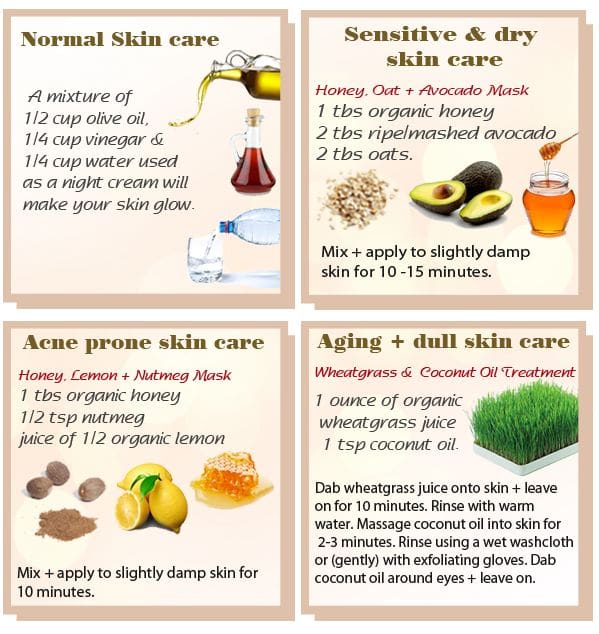
Wrinkles are a natural part of the aging process. While there’s no way to completely prevent wrinkles, there are several natural remedies that can help minimize their appearance and improve the overall health of your skin.
Coconut Oil
Coconut oil is a versatile natural remedy that can help moisturize and nourish the skin, reducing the appearance of wrinkles. It has antioxidant properties that can help protect the skin from damage caused by free radicals. To use coconut oil for wrinkles, warm up a small amount of coconut oil and apply it to your skin. Gently massage it in using circular motions for a few minutes, then leave it on overnight. Repeat this process regularly to help soften and reduce the appearance of wrinkles.
Olive Oil
Olive oil is a natural moisturizer that can help hydrate and nourish the skin, minimizing the appearance of wrinkles. It’s rich in antioxidants, such as vitamin E, that can help protect the skin from damage and promote healthy aging. To use olive oil for wrinkles, warm up a small amount of extra virgin olive oil and apply it to your skin. Gently massage it in using circular motions for a few minutes, then leave it on for 15-20 minutes. Rinse off with warm water and pat your skin dry. Repeat this process regularly to help improve skin elasticity and reduce the appearance of wrinkles.
Jojoba Oil
Jojoba oil is a natural moisturizer that closely resembles the sebum produced by our skin. It can help hydrate and nourish the skin, reducing the appearance of wrinkles. Jojoba oil is easily absorbed by the skin and doesn’t clog pores, making it suitable for all skin types. To use jojoba oil for wrinkles, apply a few drops to your skin and gently massage it in using upward motions. Leave it on overnight and rinse off with warm water in the morning. Repeat this process regularly to help improve skin firmness and reduce the appearance of wrinkles.
Rosehip Oil
Rosehip oil is a natural remedy that can help improve the appearance of wrinkles and promote skin regeneration. It contains antioxidants, such as vitamins A and C, that can help protect the skin from damage and stimulate collagen production. To use rosehip oil for wrinkles, apply a few drops to your skin and gently massage it in using upward motions. Leave it on for 15-20 minutes, then rinse off with warm water. Repeat this process regularly to help improve skin texture and reduce the appearance of wrinkles.
Green Tea
Green tea is not only a refreshing beverage but also a natural remedy that can help minimize the appearance of wrinkles. It contains antioxidants, such as polyphenols, that can help protect the skin from damage and promote healthy aging. To use green tea for wrinkles, brew a cup of green tea and allow it to cool. Use a cotton ball to apply the tea to your skin or use green tea ice cubes as a soothing facial massage. Leave it on for 10-15 minutes, then rinse off with water. Repeat this process regularly to help improve skin elasticity and reduce the appearance of wrinkles.
Vitamin C
Vitamin C is a powerful antioxidant that can help protect the skin from damage caused by free radicals and stimulate collagen production, reducing the appearance of wrinkles. You can use vitamin C serums or creams, or opt for natural sources of vitamin C, such as citrus fruits and leafy green vegetables, in your diet. Consult with a healthcare professional to determine the appropriate dosage of vitamin C supplements for your specific needs. It’s important to note that vitamin C can be irritating to some individuals, so it’s best to do a patch test before applying it to your entire face.
Hyperpigmentation
Hyperpigmentation is a common skin condition characterized by the darkening of certain areas of the skin. It can be caused by various factors, such as sun exposure, hormonal changes, and skin injuries. While there’s no way to completely eliminate hyperpigmentation, there are several natural remedies that can help lighten dark spots and even out the skin tone.
Lemon Juice
Lemon juice is a natural bleaching agent that can help lighten hyperpigmentation. It contains citric acid, which has exfoliating properties that can help remove dead skin cells and promote the growth of new, lighter skin cells. To use lemon juice for hyperpigmentation, squeeze the juice of one lemon and apply it directly to the affected areas of your skin. Leave it on for 10-15 minutes, then rinse off with warm water. Repeat this process regularly to help lighten dark spots and even out the skin tone.
Aloe Vera
Aloe vera is a versatile natural remedy that can help lighten hyperpigmentation and promote healing in the skin. It has soothing and moisturizing properties that can help reduce inflammation and hydrate the skin. To use aloe vera for hyperpigmentation, apply the gel from a freshly cut leaf directly to the affected areas of your skin. Leave it on for 15-20 minutes, then rinse off with warm water. Repeat this process regularly to help lighten dark spots and improve the overall appearance of your skin.
Licorice Extract
Licorice extract is a natural skin lightening ingredient that can help reduce hyperpigmentation and even out the skin tone. It contains a compound called glabridin, which has inhibitory effects on melanin production. To use licorice extract for hyperpigmentation, mix a few drops with a carrier oil, such as coconut oil, and apply it directly to the affected areas of your skin. Leave it on for 10-15 minutes, then rinse off with warm water. Repeat this process regularly to help lighten dark spots and promote a more even skin tone.
Vitamin E
Vitamin E is a powerful antioxidant that can help lighten hyperpigmentation and promote healthy skin. It can inhibit the production of melanin and protect the skin from damage caused by free radicals. To use vitamin E for hyperpigmentation, pierce a vitamin E capsule and squeeze the oil onto the affected areas of your skin. Gently massage it in until fully absorbed. You can also opt for a moisturizer enriched with vitamin E to provide long-lasting nourishment and help lighten dark spots.
Turmeric
Turmeric is a natural ingredient that can help lighten hyperpigmentation and promote an even skin tone. It contains curcumin, which has antioxidant and anti-inflammatory properties that can help reduce melanin production and inflammation. To use turmeric for hyperpigmentation, mix one teaspoon of turmeric powder with enough water or milk to form a paste. Apply the paste to the affected areas of your skin and leave it on for 10-15 minutes. Rinse off with warm water and pat your skin dry. Repeat this process regularly to help lighten dark spots and improve the overall appearance of your skin.
Soy
Soy contains a compound called genistein, which has been shown to inhibit melanin production and lighten hyperpigmentation. You can incorporate soy-based products, such as soy milk or soy-based skincare products, into your skincare routine to help lighten dark spots and promote a more even skin tone. It’s important to note that individuals with soy allergies should avoid using soy-based products. If you have any allergies or sensitivities, it’s recommended to do a patch test before incorporating any new products into your skincare routine.
In conclusion, natural remedies can provide effective solutions for common skin conditions. Whether you’re dealing with acne, eczema, psoriasis, rosacea, dry skin, sunburn, dandruff, fungal infections, wrinkles, or hyperpigmentation, there are various natural ingredients and techniques that can help alleviate symptoms and improve the health of your skin. It’s important to note that while natural remedies can be beneficial, they may not work for everyone, and it’s always recommended to consult with a healthcare professional or dermatologist before starting any new skincare regimen.
