
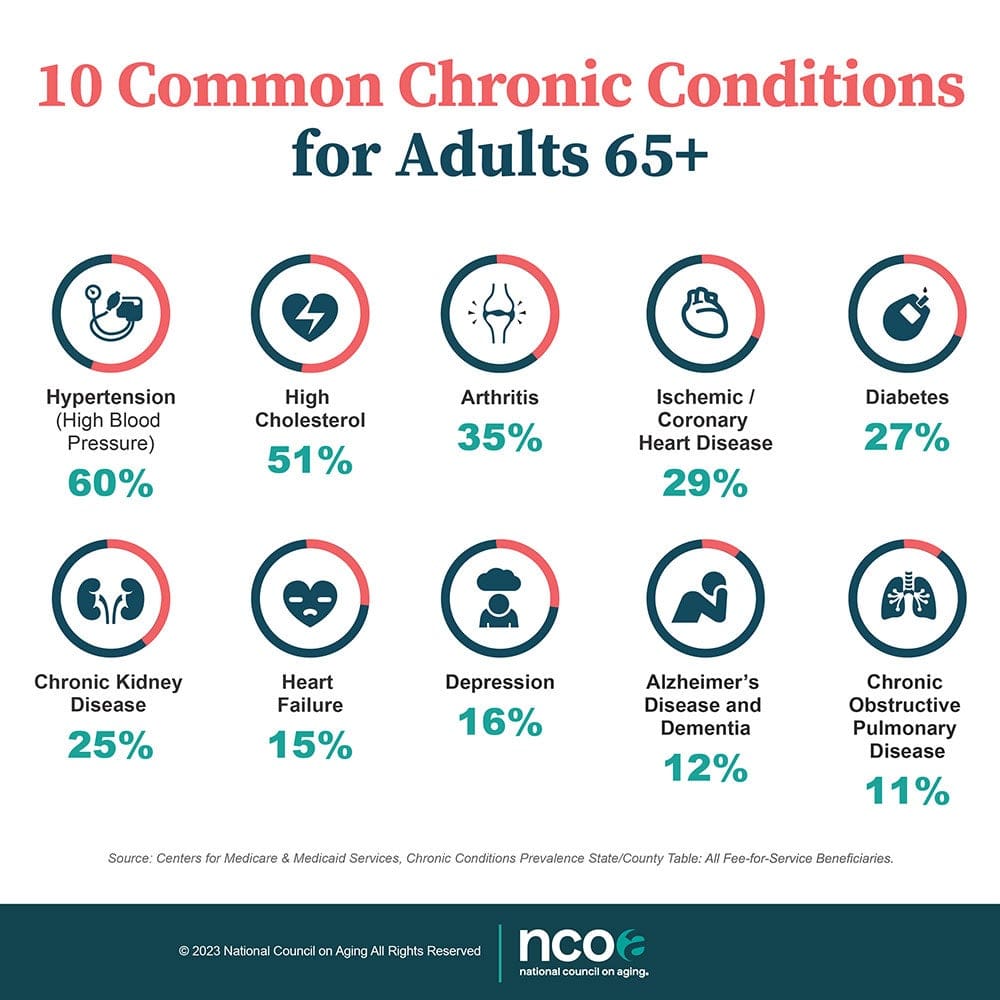
Living with a chronic condition can be a challenging and isolating experience. Feeling disconnected from the world around you can exacerbate the already difficult task of managing your health. However, the power of social connection and peer support should not be underestimated. In this article, we will explore the importance of building and nurturing relationships with others who understand the unique struggles of living with a chronic condition, and how this support network can be a source of strength and resilience during challenging times.
Importance of Social Connection
Social connection plays a crucial role in our overall well-being, particularly when coping with chronic conditions and the challenges they bring. The impact of social isolation on chronic conditions cannot be underestimated, as it can worsen symptoms and hinder the management of these conditions. On the other hand, building and maintaining social connections can provide numerous benefits for effectively managing chronic conditions.
The Impact of Social Isolation on Chronic Conditions
Social isolation, which involves limited social contact and feeling disconnected from others, can have detrimental effects on chronic conditions. Many chronic conditions require ongoing management and self-care, and the lack of social connection can make it more challenging to stay motivated and engaged in healthy behaviors. Social isolation can also lead to increased stress, anxiety, and depression, which can further worsen the symptoms of chronic conditions.
Benefits of Social Connection for Managing Chronic Conditions
On the flip side, social connection can offer significant benefits for individuals coping with chronic conditions. Building meaningful relationships and participating in social activities can provide emotional support, reduce stress levels, and increase overall psychological well-being. Social connections can also provide practical assistance, such as help with daily tasks or transportation to medical appointments. Additionally, being part of a social network can make it easier to access information, resources, and support for managing chronic conditions.
Understanding Chronic Conditions
Chronic conditions are long-lasting medical conditions that require ongoing management and treatment. They can range from common conditions, such as diabetes, heart disease, and arthritis, to less prevalent conditions like fibromyalgia or lupus. These conditions often have no known cure and can significantly impact an individual’s daily life and overall health.
Prevalence of Chronic Conditions
Chronic conditions are highly prevalent worldwide. According to the World Health Organization, chronic diseases account for approximately 60% of all deaths globally. In the United States alone, about 6 in 10 adults have at least one chronic condition, and 4 in 10 have two or more. The increasing prevalence of chronic conditions highlights the importance of addressing the challenges they pose and promoting strategies for effective management.
Challenges of Coping with Chronic Conditions
Coping with chronic conditions can present various challenges that affect individuals physically, emotionally, and financially. The physical limitations and symptoms associated with chronic conditions can significantly impact a person’s ability to engage in daily activities and overall quality of life. Chronic pain, fatigue, mobility issues, and other symptoms may restrict a person’s independence, leading to increased frustration and reduced well-being.
Emotionally and psychologically, chronic conditions can cause distress, anxiety, depression, and feelings of isolation. Dealing with the uncertainty, long-term management, and potential limitations imposed by chronic conditions can take a toll on mental health. Additionally, the financial burden of managing chronic conditions, including medical expenses, medications, and adaptive equipment, can add significant stress and strain to individuals and their families.
The Role of Peer Support
Peer support refers to individuals with similar experiences and conditions coming together to provide each other with practical and emotional support. Peer support can be incredibly powerful when coping with chronic conditions and can greatly contribute to improved overall well-being.
Definition and Benefits of Peer Support
Peer support involves connecting with others who have firsthand experience dealing with chronic conditions. These individuals can provide empathy, understanding, and shared experiences, creating a safe space where people feel heard and supported. The benefits of peer support include reduced feelings of isolation, increased self-confidence, improved coping skills, and access to firsthand knowledge about managing chronic conditions.
Peer-led Support Groups
Peer-led support groups provide an invaluable opportunity for individuals with chronic conditions to connect, share their experiences, and exchange practical advice and emotional support. These groups often meet regularly, either in person or virtually, and can focus on specific chronic conditions or be more general in nature. Peer-led support groups foster a sense of belonging, mutual understanding, and empowerment, allowing individuals to learn from one another and navigate their chronic conditions more effectively.
Online Peer Support Communities
The advent of technology has expanded the possibilities for connecting with others and accessing peer support. Online peer support communities provide a platform for individuals with chronic conditions to connect with each other regardless of geographical location. These communities offer discussion boards, forums, and online chats where individuals can share experiences, ask questions, and provide support. The convenience and accessibility of online peer support communities make them particularly beneficial for those with limited mobility or living in isolated areas.
Building Social Connection
Building and maintaining social connections is a vital component of managing chronic conditions. There are several strategies individuals can employ to foster social connections and enhance their overall well-being.
Reach out to Friends and Family
One of the simplest yet most effective ways to build social connections is to reach out to friends and family. Share your experiences, concerns, and achievements with your loved ones, and actively engage in their lives as well. Regular communication and spending quality time with friends and family can provide emotional support, reduce feelings of isolation, and create a sense of belonging.
Join Local Support Groups
Local support groups specific to your chronic condition provide opportunities for face-to-face interactions with individuals who share similar experiences. Many organizations and healthcare facilities host support groups that meet regularly. Participating in these groups can provide a sense of community, help you learn from others’ experiences, and allow for the exchange of practical advice and information.
Participate in Community Activities
Engaging in community activities can also help build social connections and enhance well-being. Look for local clubs, hobby groups, or volunteering opportunities that align with your interests. Participating in such activities can help you meet new people with similar interests and create social connections outside the context of your chronic condition. This broadens your support network and helps maintain a more diverse social circle.
Utilizing Technology for Connection
Technology offers numerous avenues for social connection and support, especially in the context of chronic conditions. Exploring these opportunities can help bridge geographical and logistical barriers, ensuring access to support and connection.
Virtual Support Groups and Webinars
Virtual support groups and webinars offer the convenience of connecting with others from the comfort of your own home. These online gatherings allow individuals to engage in discussions, share experiences, and receive support, all in a virtual setting. Virtual support groups and webinars are particularly useful for those who may have difficulty attending in-person meetings due to physical limitations or location constraints.
Telehealth and Telemedicine
Telehealth and telemedicine have become increasingly popular options for healthcare delivery, especially in the wake of the COVID-19 pandemic. These services allow individuals to connect with healthcare professionals remotely, reducing the need for in-person visits. Utilizing telehealth and telemedicine not only provides access to medical care but also helps maintain social connections with healthcare providers.
Social Media for Connecting with Others
Social media platforms offer a wide range of opportunities to connect with others and join communities focused on specific chronic conditions. Utilize platforms like Facebook, Twitter, or Instagram to find support groups, follow relevant organizations, and engage in conversations with others facing similar challenges. Social media can be a valuable tool for staying informed, finding support, and fostering connections with others who understand your experiences.
Self-Care Strategies
Taking care of yourself is essential when coping with chronic conditions. Implementing self-care strategies can help improve overall well-being and better manage the challenges that come with chronic conditions.
Managing Stress and Anxiety
Chronic conditions can be a source of stress and anxiety, but managing these emotional responses is crucial. Find stress management techniques that work for you, such as deep breathing exercises, meditation, or engaging in hobbies. Seeking therapy or counseling can also provide valuable tools for coping with stress and anxiety, helping to improve overall mental well-being.
Maintaining a Healthy Lifestyle
Adopting a healthy lifestyle is vital for managing chronic conditions. Focus on maintaining a balanced diet, engaging in regular physical activity suitable for your condition, and getting enough restorative sleep. Building healthy habits can improve your physical well-being and provide a sense of control over your chronic condition.
Engaging in Hobbies and Activities
Participating in hobbies and activities that bring you joy and fulfillment is an important aspect of self-care. Engaging in activities you enjoy can distract from the challenges of chronic conditions, relieve stress, and provide a sense of purpose. Whether it’s reading, painting, gardening, or playing a musical instrument, finding time for activities that bring you joy contributes positively to your overall well-being.
Seeking Professional Help
While self-care strategies and social connections are crucial, sometimes additional support from professionals is necessary when coping with chronic conditions and isolation.
Therapy and Counseling
Therapy and counseling can provide a supportive environment for individuals to navigate the emotional and psychological challenges associated with chronic conditions. Mental health professionals can help develop coping strategies, manage distress, and explore the emotional impact of chronic conditions. Seeking therapy or counseling can be a proactive step toward better mental well-being and improved coping skills.
Medical and Healthcare Professionals
Medical and healthcare professionals play a vital role in managing chronic conditions. Regular check-ups, consultations, and ongoing medical care are essential for effectively managing symptoms and preventing complications. Utilize the support and expertise of medical and healthcare professionals to ensure your condition is well-managed and to address any concerns or questions you may have.
Support from Social Workers or Case Managers
Social workers or case managers can be valuable resources when dealing with the financial, logistical, and emotional challenges of chronic conditions. They can assist in navigating healthcare systems, accessing resources, and connecting you with community support. Reach out to social workers or case managers to explore available assistance programs and support options that can alleviate the burden of managing chronic conditions.
Overcoming Isolation
Overcoming isolation is a key aspect of successful chronic condition management. The following tips can help reduce loneliness and enhance social connections.
Tips for Reducing Loneliness
Combatting loneliness starts with actively seeking out opportunities for social connection. Reach out to friends, family, and acquaintances regularly, whether through phone calls, video chats, or in-person visits. Consider joining clubs, organizations, or interest groups focused on your hobbies or passions. Engage in activities that create opportunities for social interactions and foster a sense of belonging.
Exploring Virtual Opportunities
Virtual opportunities, such as online support groups, webinars, or virtual events, are increasingly available and can help overcome geographical and mobility constraints. Take advantage of these digital platforms to connect with others and engage in meaningful discussions around your chronic condition. Virtual opportunities not only offer socialization but also expand access to educational resources and support.
Reaching Out for Help
Recognize that it is okay to ask for help when navigating through the challenges of chronic conditions and isolation. Reach out to friends, family, support groups, or healthcare professionals when you need emotional support, advice, or assistance. Seeking help and fostering social connections are essential for enhancing your overall well-being and effectively managing chronic conditions.
Advocating for Supportive Environments
Advocacy plays a vital role in raising awareness, improving accessibility, and promoting policies for social support for individuals with chronic conditions.
Raising Awareness about Chronic Conditions and Isolation
Educating the general public about the challenges faced by individuals with chronic conditions and the impact of social isolation is crucial. Share your experiences, stories, and insights to raise awareness among family, friends, healthcare providers, and policymakers. By increasing awareness, we can foster a more supportive and understanding environment for individuals with chronic conditions.
Improving Accessibility and Inclusivity
Advocate for improved accessibility and inclusivity in various aspects of life, such as healthcare facilities, public spaces, and transportation. Push for policies and regulations that ensure accommodations are in place to make it easier for individuals with chronic conditions to participate fully in society. By creating inclusive environments, we can minimize barriers and enhance social connection opportunities for individuals with chronic conditions.
Promoting Policies for Social Support
Encourage the development and implementation of policies that prioritize social support for individuals with chronic conditions. This may involve advocating for increased funding for support groups, the integration of social workers into healthcare systems, and the expansion of telehealth services. By promoting policies that prioritize social support, we can create an environment that recognizes and addresses the unique challenges faced by individuals with chronic conditions.
In conclusion, social connection and peer support are crucial components of effectively managing chronic conditions and overcoming the challenges of isolation. By building and maintaining social connections, seeking peer support, utilizing technology, and implementing self-care strategies, individuals with chronic conditions can enhance their well-being and navigate the complexities of their conditions more effectively. Additionally, advocating for supportive environments and promoting policies for social support can contribute to a more inclusive and understanding society for individuals with chronic conditions. Remember, you are not alone in your journey, and reaching out for support is a proactive step towards better quality of life and overall well-being.