
Do you suffer from frequent migraines or debilitating headaches? If so, you’re not alone. Many people around the world experience the throbbing pain, sensitivity to light, and nausea that often accompany these conditions. While traditional medical treatments can provide relief for some, others are turning to alternative medicine for a different approach. In this article, we will explore some of the natural and holistic remedies that have been found to effectively treat migraines and headaches. Whether you’re looking for a complementary therapy or simply curious about alternative options, this article will provide you with valuable information to help you find relief and improve your quality of life.
Acupuncture
Acupuncture is an ancient practice that originated in China thousands of years ago. It is based on the principle that the body has energy channels, known as meridians, through which vital energy, or qi, flows. According to traditional Chinese medicine, any disruption or imbalance in the flow of qi can lead to various health conditions, including migraines and headaches. Acupuncture involves the insertion of thin needles at specific points along these meridians to restore the balance of qi and promote healing.
How does acupuncture work for migraines and headaches?
When it comes to migraines and headaches, acupuncture aims to alleviate pain by targeting specific points that correspond to the head, neck, and face. By stimulating these points, acupuncture can help release tension and promote the flow of blood and energy to relieve headache symptoms. Additionally, acupuncture may also affect the release of certain neurotransmitters in the brain, such as endorphins, which can help reduce pain and promote a sense of well-being.
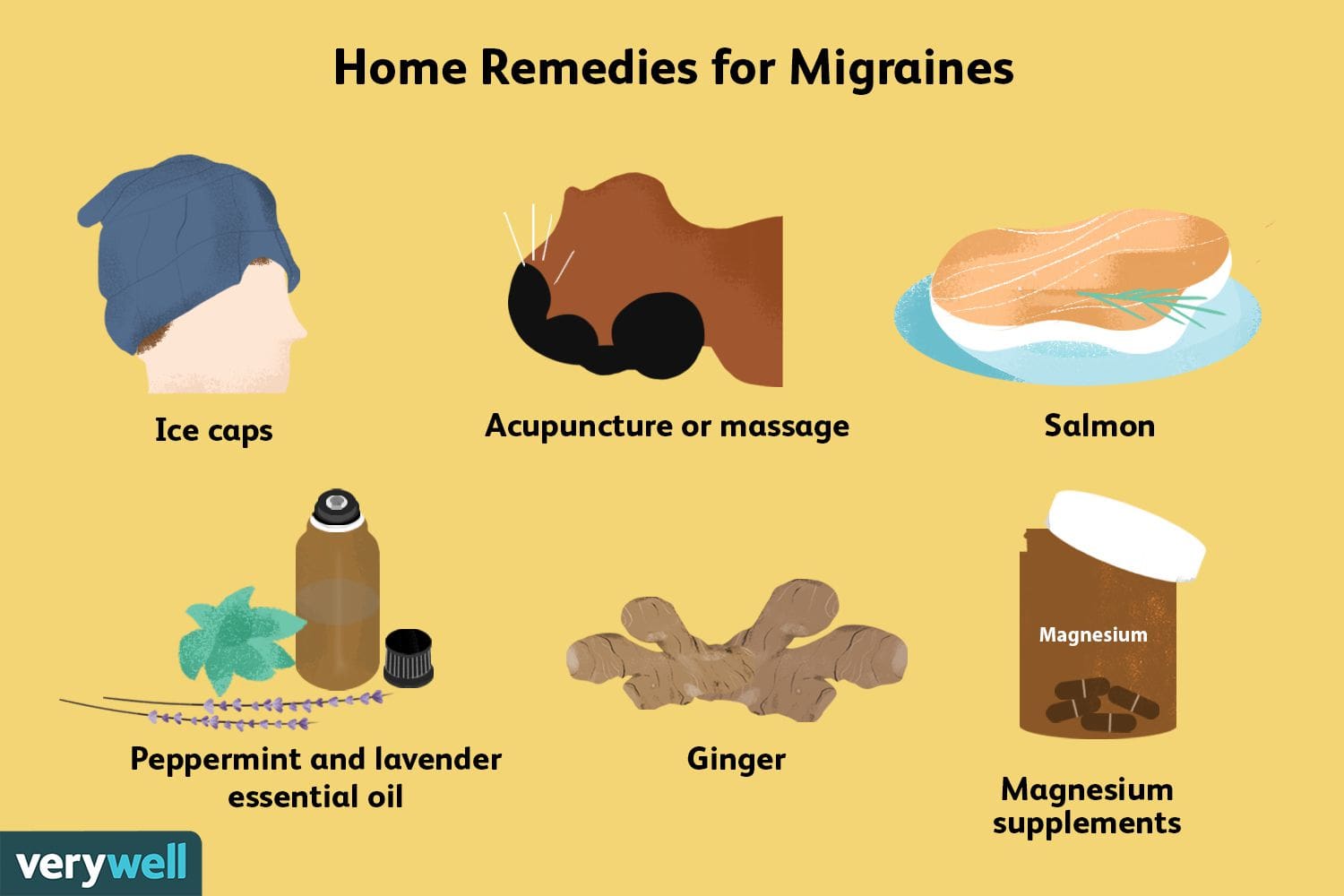
Benefits of acupuncture for migraines and headaches
One of the major benefits of acupuncture for migraines and headaches is its ability to provide drug-free pain relief. Unlike pharmaceutical interventions, acupuncture does not carry the risk of medication side effects or dependency. Acupuncture also offers a holistic approach to treating migraines and headaches by addressing the underlying imbalances in the body. It can not only provide immediate pain relief but also help prevent future episodes by improving overall health and well-being.
Moreover, acupuncture is a safe and well-tolerated treatment option for migraines and headaches. The needles used in acupuncture are extremely thin and are typically inserted shallowly into the skin, making the procedure virtually painless. Many people find acupuncture sessions to be relaxing and enjoyable, providing a much-needed break from the stress and tension associated with migraines and headaches.
Potential risks and considerations
While acupuncture is generally safe, there are some potential risks and considerations to keep in mind. It is important to consult a qualified and licensed acupuncturist who follows proper hygiene practices and uses sterile needles to minimize the risk of infection. Additionally, individuals who have a bleeding disorder or are taking blood-thinning medications may need to exercise caution, as acupuncture involves the insertion of needles.
It is also worth noting that while acupuncture can provide relief for many individuals, individual responses may vary. Some people may experience immediate relief, while others may require several sessions before noticing a significant improvement. It is important to have realistic expectations and to communicate openly with your acupuncturist regarding your symptoms and treatment goals. Combining acupuncture with other approaches, such as lifestyle modifications and stress management techniques, may also enhance its effectiveness.

Herbal remedies
Herbal remedies offer another alternative approach for managing migraines and headaches. Many traditional herbal remedies have been used for centuries to alleviate pain and promote overall well-being.
Common herbal remedies for migraines and headaches
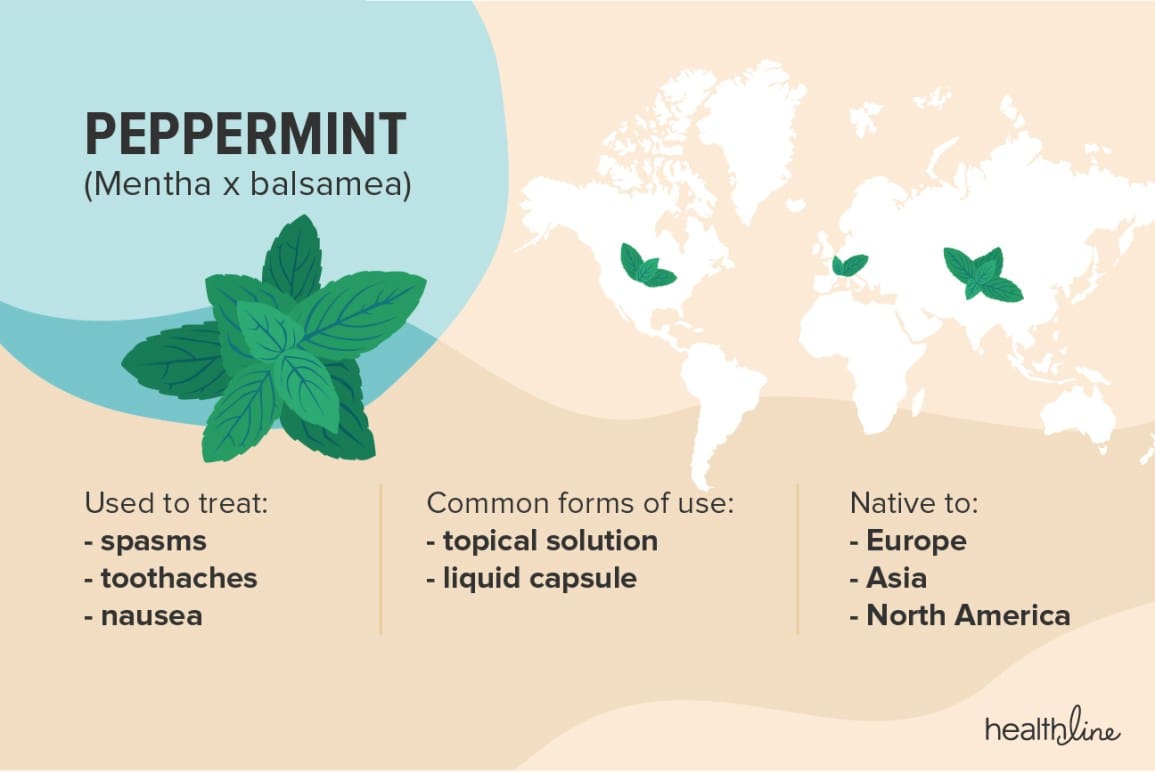
Some commonly used herbal remedies for migraines and headaches include feverfew, butterbur, and ginger. Feverfew is a perennial herb that has been traditionally used to alleviate headaches. It is believed to work by reducing inflammation and preventing the constriction of blood vessels in the brain. Butterbur, another popular herb, has shown promise in reducing the frequency and severity of migraines. It is thought to have anti-inflammatory and antispasmodic properties. Ginger, known for its medicinal properties, is also believed to have pain-relieving effects and can be used to alleviate headaches.
Effectiveness of herbal remedies for migraines and headaches
While herbal remedies have a long history of use in traditional medicine, scientific evidence supporting their effectiveness for migraines and headaches is still limited. Some studies have shown positive results, while others have been inconclusive or conflicting. It is important to consult a healthcare professional knowledgeable in herbal medicine before using any herbal remedies, as they may interact with certain medications or have side effects of their own.
Safety and potential side effects of herbal remedies
Although herbal remedies are generally considered safe, it is crucial to use them with caution and under the guidance of a healthcare professional. Herbal remedies may have potential side effects and can interact with other medications you may be taking. Some common side effects associated with herbal remedies for migraines and headaches include digestive upset, drowsiness, allergic reactions, and interactions with blood-thinning medications. It is essential to inform your healthcare provider about any herbal remedies you are using to ensure optimal safety and efficacy.

Chiropractic care
Chiropractic care focuses on the relationship between the spine and the nervous system and how it impacts overall health. Chiropractors believe that misalignments or subluxations in the spine can interfere with the body’s natural ability to heal itself and can contribute to various health conditions, including migraines and headaches.
Understanding chiropractic care for migraines and headaches
Chiropractic care for migraines and headaches involves the manual adjustment of the spine to correct any misalignments or subluxations. Chiropractors use precise and controlled movements to apply gentle force to the affected area. These adjustments aim to restore proper alignment, reduce tension, and improve the function of the nervous system.
The role of spinal manipulation in relieving migraines and headaches
Spinal manipulation, a key technique used by chiropractors, has shown promise in alleviating migraines and headaches. By realigning the spine, spinal manipulation can help relieve pressure on the nerves and blood vessels in the neck and head, which may contribute to headache symptoms. It can also help relax the surrounding muscles and improve blood flow, reducing the frequency and intensity of migraines and headaches.
Additional techniques used by chiropractors for migraines and headaches
In addition to spinal manipulation, chiropractors may also use other techniques to complement the treatment of migraines and headaches. These may include massage, stretching exercises, and lifestyle modifications. Chiropractors often work in collaboration with other healthcare professionals to provide a comprehensive approach to migraine and headache management.
Evidence and efficacy of chiropractic care for migraines and headaches
While there is limited scientific evidence on the effectiveness of chiropractic care for migraines and headaches, many individuals report significant improvements in their symptoms with chiropractic treatment. Some studies have suggested that chiropractic care may be beneficial in reducing the frequency and intensity of migraines and headaches. However, more research is needed to establish the long-term efficacy and safety of chiropractic care as a standalone or complementary treatment for migraines and headaches.
Continued in the next part.