Living with chronic conditions can be challenging, especially in a multicultural society where diverse backgrounds and beliefs influence healthcare practices. In this article, we will explore the importance of cross-cultural care and understanding for individuals dealing with chronic conditions. By recognizing and respecting cultural differences, healthcare providers can ensure that patients receive the appropriate care and support they need, ultimately improving their quality of life. Join us as we delve into the complexities of navigating chronic conditions in a multicultural society and discover the ways in which cultural competence can positively impact healthcare outcomes.
Importance of Cross-Cultural Care
Enhancing Patient-Centered Care
Cross-cultural care is of utmost importance in today’s multicultural society. It involves understanding and respecting the diverse cultural backgrounds of patients, as well as the impact of their beliefs, practices, and traditions on their health and well-being. By providing care that is sensitive to cultural differences, healthcare providers can enhance the patient-centeredness of their services.
When healthcare providers take the time to learn about their patients’ cultural perspectives, they can tailor their care to meet individual needs. This personalized approach fosters trust, improves patient satisfaction, and promotes better health outcomes. Patient-centered care recognizes that patients are active participants in their own healthcare journey, and by integrating their cultural values and preferences into the treatment plan, healthcare providers can empower patients to make informed decisions about their health.
Promoting Health Equity and Access
Cross-cultural care is also crucial for promoting health equity and access. In many multicultural communities, there are disparities in healthcare access and outcomes. These disparities can be attributed, in part, to cultural barriers. By understanding and addressing these barriers, healthcare providers can strive for health equity for all patients.
Health equity means that all individuals, regardless of their cultural background, have equal opportunities to achieve optimal health. This requires healthcare providers to be sensitive to the unique needs of multicultural patients and to work towards breaking down barriers that prevent them from accessing quality care. By bridging the cultural divide, healthcare providers can help ensure that every individual has an equal chance of attaining and maintaining good health.
Reducing Healthcare Disparities
Addressing healthcare disparities is another essential aspect of cross-cultural care. Healthcare disparities refer to the differences in access to healthcare, quality of care, and health outcomes experienced by different populations. These disparities often disproportionately affect multicultural communities, especially those with limited resources and marginalized backgrounds.
Addressing healthcare disparities requires a multi-faceted approach that takes into account the cultural, social, and economic factors that contribute to these disparities. By understanding the unique challenges faced by multicultural communities, healthcare providers can implement targeted interventions to reduce these disparities. This may include improving access to healthcare services, increasing cultural competence among healthcare providers, and providing support and resources to underprivileged communities.
Understanding Different Cultural Perspectives
Beliefs and Attitudes towards Chronic Conditions
Cultural beliefs and attitudes towards chronic conditions play a significant role in how individuals from diverse backgrounds perceive and manage their health. Cultures may vary in their understanding of the causes and treatments of chronic conditions, as well as their beliefs about the role of healthcare providers in managing these conditions.
For example, some cultures may attribute chronic conditions to factors such as karma or ancestral spirits, while others may focus on biological or environmental causes. Understanding these cultural perspectives is essential for healthcare providers to develop effective treatment plans and support strategies that align with patients’ beliefs and attitudes. By acknowledging and respecting these perspectives, healthcare providers can foster a collaborative approach to care that considers both medical evidence and cultural values.
Cultural Practices and Traditions
Cultural practices and traditions also greatly influence how individuals manage their health. These practices can include dietary preferences, traditional healing methods, religious rituals, and social customs. Healthcare providers need to be aware of these practices and traditions to ensure the provision of culturally sensitive care.
By integrating cultural practices and traditions into the care plan, healthcare providers can promote patient engagement and increase the likelihood of treatment adherence. For instance, incorporating traditional healing methods alongside evidence-based medical treatments may be beneficial for certain patients. By acknowledging and respecting these practices, healthcare providers can foster a holistic approach to care that recognizes the importance of cultural traditions.
Language and Communication Barriers
Language and communication barriers can pose significant challenges in cross-cultural care. Limited English proficiency or unfamiliarity with medical terminology can hinder effective communication between patients and healthcare providers, leading to misunderstandings and potential medical errors.
To overcome language barriers, healthcare providers can utilize medical interpreters who are trained to bridge the communication gap. These interpreters ensure accurate translation, enhance understanding between patients and healthcare providers, and facilitate effective communication. Additionally, healthcare systems can provide resources such as translated materials and multilingual staff to better serve multicultural communities.
Building Cultural Competence in Healthcare
Cultural Sensitivity Training
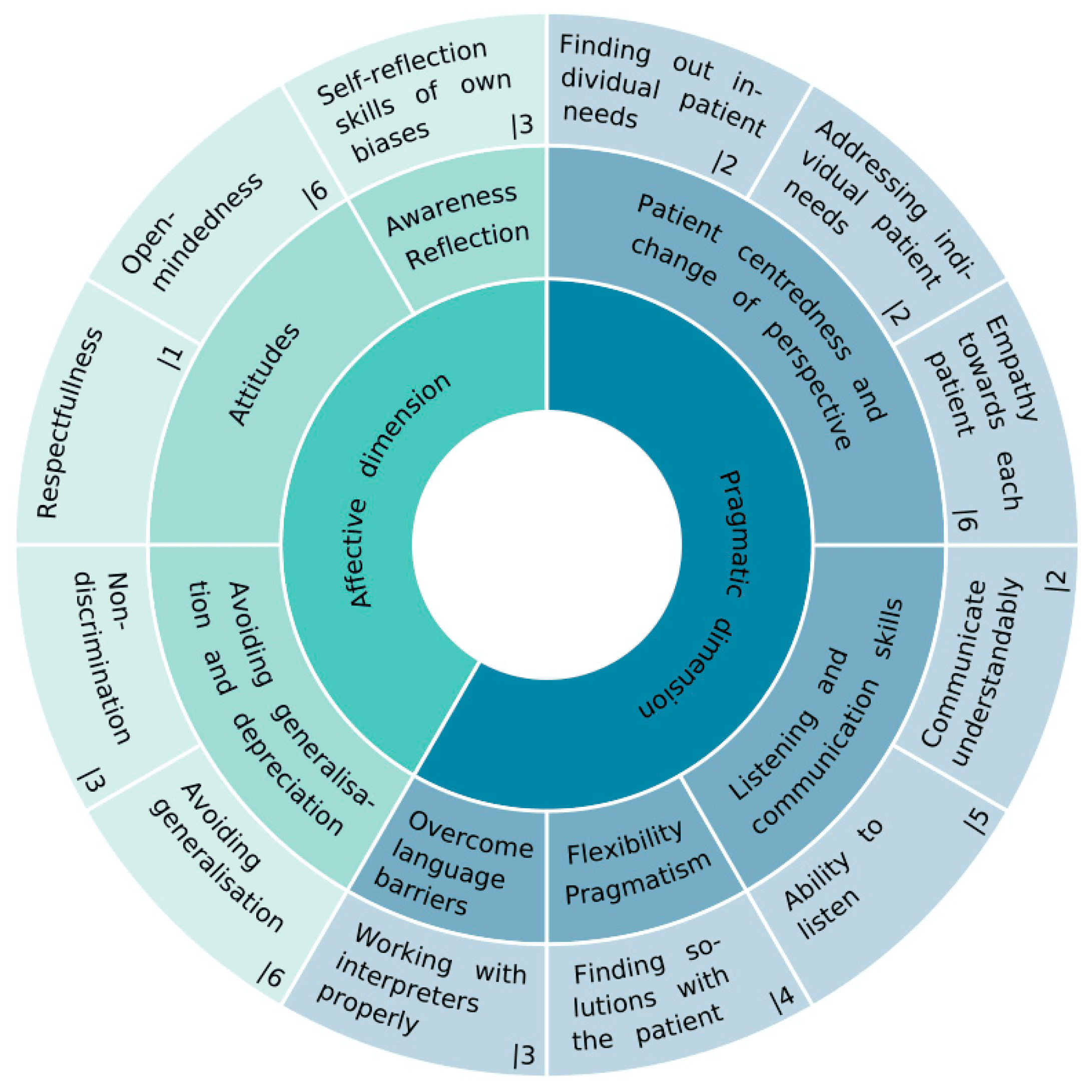
Cultural sensitivity training is a vital component in building cultural competence among healthcare providers. Such training helps healthcare professionals develop awareness and understanding of different cultural values, beliefs, and practices. It also fosters empathy and respect towards multicultural patients.
By participating in cultural sensitivity training, healthcare providers can gain insight into how culture shapes health-related behaviors and preferences. This knowledge empowers them to offer personalized care that respects cultural diversity and facilitates effective communication. Additionally, cultural sensitivity training enhances healthcare providers’ ability to identify and navigate potential biases or prejudices that may impact patient care.
Promoting Diversity in the Healthcare Workforce
Promoting diversity in the healthcare workforce is another crucial step towards building cultural competence. Having a diverse team of healthcare professionals who share the same cultural backgrounds as their patients can help bridge cultural gaps and improve patient-provider communication.
By recruiting and retaining healthcare professionals from diverse cultural backgrounds, healthcare organizations can ensure that their workforce is representative of the communities they serve. This diversity fosters cultural competence by providing patients with providers who understand their unique cultural perspectives, beliefs, and practices. Additionally, diverse healthcare teams can leverage their collective experiences to develop innovative approaches to care that address the needs of multicultural patients.
Adapting Healthcare Systems to Multicultural Needs
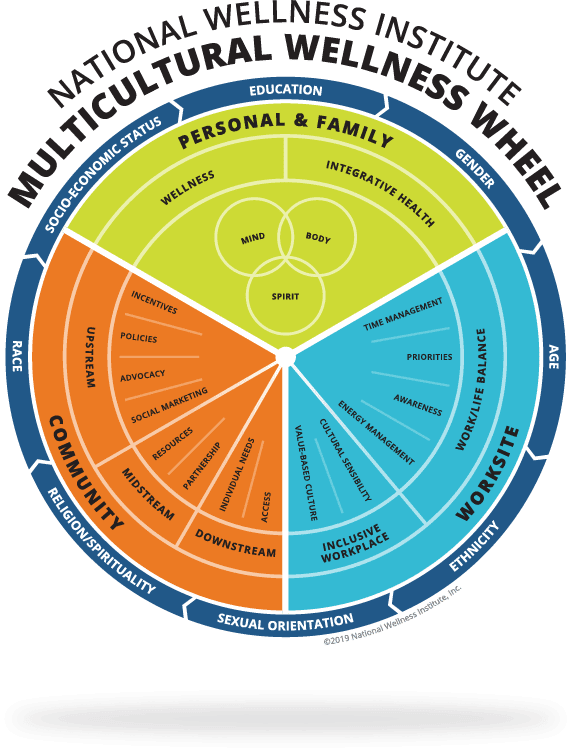
Adapting healthcare systems to meet the needs of multicultural patients is essential for providing equitable and inclusive care. Healthcare organizations can implement policies and practices that promote cultural competence throughout the healthcare system.
This may include providing interpreter services, offering translated materials, and ensuring that staff members receive cultural competence training. Additionally, healthcare organizations can incorporate cultural competency standards into their quality assurance processes to continually assess and improve the provision of culturally sensitive care.
By adapting healthcare systems to multicultural needs, healthcare organizations can create an environment where patients feel respected, understood, and supported. This, in turn, leads to improved patient satisfaction, increased trust in the healthcare system, and better health outcomes for every individual.
Addressing Healthcare Disparities
Recognizing Disparities in Access to Care
Recognizing disparities in access to care is a crucial step towards addressing healthcare disparities in multicultural communities. It is essential to acknowledge that certain populations may face systemic barriers that prevent them from accessing the healthcare they need.
Healthcare providers and policymakers must identify and understand the factors that contribute to these disparities, including socioeconomic status, geographic location, language barriers, and cultural biases. By recognizing these disparities, healthcare organizations can develop targeted interventions to eliminate barriers and ensure equitable access to care for all individuals.
Improving Healthcare Delivery to Marginalized Communities
Improving healthcare delivery to marginalized communities is essential for reducing healthcare disparities. Marginalized communities, including racial and ethnic minorities, immigrants, and low-income populations, often face additional challenges in accessing quality healthcare.
Healthcare providers can take proactive steps to address these challenges by offering outreach programs, mobile clinics, and community health partnerships. By bringing healthcare services directly to marginalized communities, healthcare providers can increase the accessibility of care and ensure that underserved populations receive the attention they deserve.
Providing Culturally Competent Education and Support
Providing culturally competent education and support is critical for addressing healthcare disparities in multicultural communities. Education about chronic conditions, preventive care, and available resources should be tailored to meet the unique cultural and linguistic needs of diverse populations.
Healthcare providers can collaborate with community organizations, cultural leaders, and patient advocacy groups to develop educational materials and programs that resonate with multicultural communities. By providing accurate information in a culturally sensitive manner, healthcare providers can empower individuals to make informed choices about their health and navigate the healthcare system effectively.
Promoting Cross-Cultural Communication
Overcoming Language Barriers
Overcoming language barriers is essential for effective cross-cultural communication in healthcare settings. Language barriers can hinder the exchange of critical information between patients and healthcare providers, potentially compromising patient safety and outcomes.
Healthcare organizations can address language barriers by providing interpreter services, including professional medical interpreters or bilingual staff members. These individuals can facilitate conversations, ensuring accurate communication and understanding between patients and healthcare providers.
Additionally, technology can play a significant role in overcoming language barriers. Healthcare organizations can invest in language translation apps or software that assist in real-time translation, enabling meaningful communication with patients who have limited English proficiency.
Utilizing Medical Interpreters
Utilizing medical interpreters is a key strategy for promoting cross-cultural communication in healthcare settings. Medical interpreters are trained professionals who help facilitate communication between patients and healthcare providers by ensuring accurate and culturally sensitive translation.
Medical interpreters play a crucial role in breaking down language barriers and bridging cultural gaps. They provide a vital link between patients and healthcare providers, ensuring that accurate information is conveyed and understood. Utilizing professional interpreters can prevent misunderstandings, promote patient autonomy, and foster better patient-provider relationships.
Ensuring Effective Doctor-Patient Interactions
Ensuring effective doctor-patient interactions is central to promoting cross-cultural communication. Cultural competence skills are essential for healthcare providers to engage patients from diverse backgrounds in meaningful communication.
Healthcare providers can cultivate effective interactions by demonstrating respect, active listening, and empathy towards patients. They should be attentive to cultural nuances, non-verbal cues, and verbal expressions that may differ across cultures. By tailoring their communication style to suit the needs of each individual patient, healthcare providers can build trust and foster open dialogue.
Supporting Multicultural Patients with Chronic Conditions
Providing Culturally Appropriate Care Plans
An important aspect of cross-cultural care is providing culturally appropriate care plans for multicultural patients with chronic conditions. Cultural factors can significantly influence the management and treatment preferences of patients, and healthcare providers need to recognize and respect these cultural differences.
By involving patients in the decision-making process and taking into account their cultural values, beliefs, and practices, healthcare providers can develop personalized care plans that align with patients’ preferences. This approach increases treatment adherence and empowers patients to actively participate in managing their chronic conditions.
Involving Families and Communities in Care
Involving families and communities in care is another crucial element of supporting multicultural patients with chronic conditions. Many cultures place great importance on family and community involvement when it comes to healthcare decisions and support.
Healthcare providers can collaborate with patients’ families and communities to develop a comprehensive support network. This may include educating family members about the chronic condition, providing guidance on caregiving responsibilities, and facilitating culturally appropriate peer support groups. By involving families and communities in care, healthcare providers can enhance the overall well-being and self-management of multicultural patients.
Recognizing and Respecting Cultural Differences
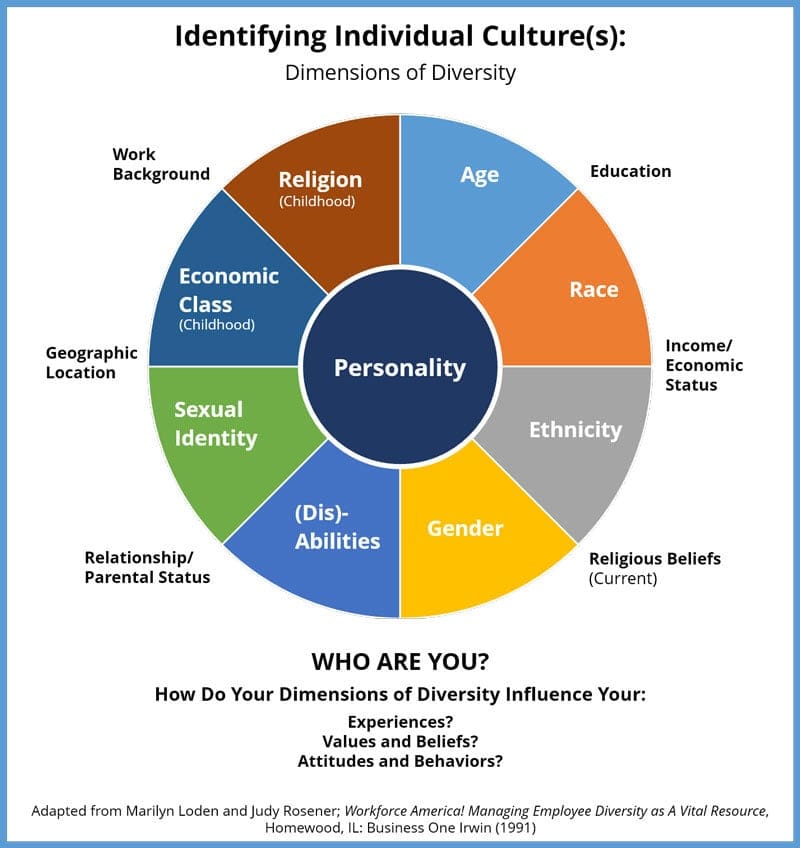
Recognizing and respecting cultural differences is paramount in supporting multicultural patients with chronic conditions. Each individual has unique experiences, beliefs, and cultural customs that influence their understanding and management of health.
Healthcare providers must approach the care of multicultural patients with a non-judgmental attitude and a willingness to learn. They should avoid making assumptions based on stereotypes and take the time to understand each patient’s cultural background. By recognizing and respecting cultural differences, healthcare providers can establish trust, foster open communication, and deliver care that is tailored to meet the specific needs of each patient.
Integrating Traditional and Western Medicine
Understanding Traditional Healing Practices
Understanding traditional healing practices is essential for effectively integrating traditional and Western medicine. Many multicultural communities have unique traditional healing practices that are deeply rooted in their cultural heritage.
Healthcare providers can enhance their cultural competence by familiarizing themselves with these practices and their role in patients’ health beliefs. This knowledge allows healthcare providers to acknowledge and validate the value of traditional healing practices while integrating evidence-based Western medicine.
Collaborating with Traditional Healers
Collaborating with traditional healers can promote holistic and patient-centered care for multicultural patients with chronic conditions. Traditional healers possess valuable knowledge and expertise in their respective cultural systems of healing.
Healthcare providers can collaborate with traditional healers by establishing partnerships, sharing information, and coordinating care. By working together, they can leverage the strengths of both traditional and Western medicine to provide comprehensive and culturally sensitive care options for patients. This collaboration also fosters mutual respect and facilitates referrals between traditional healers and Western healthcare providers when appropriate.
Integrating Complementary Therapies
Integrating complementary therapies is an effective way to blend traditional and Western medicine for multicultural patients with chronic conditions. Complementary therapies, such as acupuncture, herbal medicine, or mind-body interventions, may be valued and widely used in certain cultures.
By incorporating complementary therapies into the care plan, healthcare providers acknowledge and respect patients’ cultural beliefs and preferences. This integration promotes a patient-centered approach that utilizes a variety of treatment modalities to address patients’ physical, emotional, and spiritual needs.
Navigating Cultural Differences in Treatment
Understanding Medication Beliefs and Practices
Understanding medication beliefs and practices is crucial for navigating cultural differences in treatment. Different cultures may have diverse views on the use of medications, including preferences for natural remedies, concerns about side effects, or mistrust of Western pharmaceuticals.
Healthcare providers should engage in open and non-judgmental conversations with patients about their medication beliefs and practices. By understanding patients’ perspectives, healthcare providers can address any misconceptions, provide education about the benefits and risks of medications, and collaborate with patients to find treatment options that align with their cultural preferences.
Adapting Treatment Plans to Cultural Preferences
Adapting treatment plans to cultural preferences ensures that patients’ beliefs and values are taken into account when making decisions about their healthcare. Healthcare providers should actively involve patients in treatment decisions by providing them with information, explaining potential benefits and risks, and respecting their preferences.
By incorporating patients’ cultural preferences into treatment plans, healthcare providers can enhance treatment adherence and promote better health outcomes. It is essential to establish a partnership between healthcare providers and patients that values shared decision-making and patient autonomy.
Incorporating Alternative Therapies
Incorporating alternative therapies as part of the treatment plan can be a way to bridge cultural differences and meet the needs of multicultural patients. Alternative therapies, such as acupuncture, herbal medicine, or traditional healing practices, may be valued and trusted by certain cultural groups.
By integrating alternative therapies into the treatment plan, healthcare providers acknowledge patients’ cultural beliefs and offer them a range of options that align with their preferences. This integrative approach demonstrates respect for cultural diversity and promotes a comprehensive and patient-centered model of care.
Promoting Self-Management in Multicultural Communities
Providing Culturally Appropriate Education and Resources
Providing culturally appropriate education and resources is crucial for promoting self-management in multicultural communities. Education about chronic conditions, treatment options, and lifestyle modifications should be tailored to meet the specific cultural and linguistic needs of diverse populations.
Healthcare providers can collaborate with community organizations and cultural leaders to develop educational materials and programs that resonate with multicultural communities. By providing information in a culturally sensitive and accessible manner, healthcare providers can empower individuals to take an active role in managing their health, make informed choices, and adopt self-management strategies.
Tailoring Self-Management Strategies to Cultural Context
Tailoring self-management strategies to the cultural context ensures that interventions are relevant and effective for multicultural communities. Self-management strategies should consider cultural attitudes, beliefs, and practices related to health and well-being.
Healthcare providers can work collaboratively with patients to identify culturally appropriate self-management strategies. This may involve incorporating traditional healing practices, acknowledging cultural values related to food and physical activity, and adapting interventions to consider social support networks. By tailoring self-management strategies to the cultural context, healthcare providers can enhance engagement and self-efficacy among multicultural patients.
Empowering Patients to Take Ownership of their Health
Empowering patients to take ownership of their health is a fundamental goal of self-management support. This requires healthcare providers to shift from a prescriptive approach to a collaborative one that recognizes patients as active participants in their own care.
Healthcare providers can empower multicultural patients by providing education, resources, and support that align with their cultural values and preferences. By fostering a sense of autonomy and self-efficacy, healthcare providers can help multicultural patients develop the knowledge, skills, and confidence needed to self-manage their chronic conditions successfully.
Creating Supportive Environments for Multicultural Patients
Fostering Inclusive Healthcare Spaces
Fostering inclusive healthcare spaces is essential for creating a supportive environment for multicultural patients. Healthcare organizations should strive to provide a welcoming and culturally sensitive atmosphere that respects diversity and promotes equity.
This can be achieved by training staff on cultural competence, implementing policies that enforce non-discrimination and inclusivity, and ensuring that the physical environment is accessible and accommodating to diverse populations. A welcoming and inclusive healthcare space encourages multicultural patients to seek care and ensures that they feel comfortable and valued throughout their healthcare journey.
Promoting Peer Support Networks
Promoting peer support networks is a valuable resource for multicultural patients in managing their chronic conditions. Peer support offers individuals the opportunity to interact with others who share similar experiences and challenges, creating a sense of belonging and understanding.
Healthcare providers can facilitate the development of peer support networks by connecting patients with similar backgrounds or conditions. These networks can be in the form of support groups, online communities, or culturally specific organizations. By promoting peer support, healthcare providers can enhance social connections, improve self-management skills, and foster mutual empowerment among multicultural patients.
Engaging in Community Outreach and Advocacy
Engaging in community outreach and advocacy is crucial for creating supportive environments for multicultural patients. Healthcare organizations can actively reach out to multicultural communities, establish partnerships with community organizations, and participate in advocacy efforts that address health disparities.
By actively engaging with multicultural communities, healthcare providers can build trust, raise awareness about available services, and identify barriers to care. This community-centered approach promotes collaboration, facilitates access to healthcare resources, and ensures that the unique needs of multicultural patients are addressed in healthcare policies and programs.
In conclusion, cross-cultural care plays a vital role in enhancing patient-centered care, promoting health equity and access, reducing healthcare disparities, and fostering better health outcomes. Understanding different cultural perspectives, building cultural competence in healthcare, addressing healthcare disparities, and promoting cross-cultural communication are essential components of delivering culturally sensitive care. Supporting multicultural patients with chronic conditions, integrating traditional and Western medicine, navigating cultural differences in treatment, promoting self-management, and creating supportive environments further contribute to the provision of comprehensive cross-cultural care. By embracing diversity and implementing strategies that recognize and respect cultural differences, healthcare providers can ensure that every individual receives equitable and personalized care that meets their unique needs.