
Hello there! In this article, we will explore some of the most popular medications for managing high blood pressure. It’s important to take care of your health and consult with your healthcare provider to find the best treatment options. Let’s dive in and learn more about these common medications that can help control and lower your blood pressure. Have you been diagnosed with high blood pressure and are wondering what medications are commonly used to manage this condition? Let’s explore the most popular medications for managing high blood pressure together.
Understanding High Blood Pressure
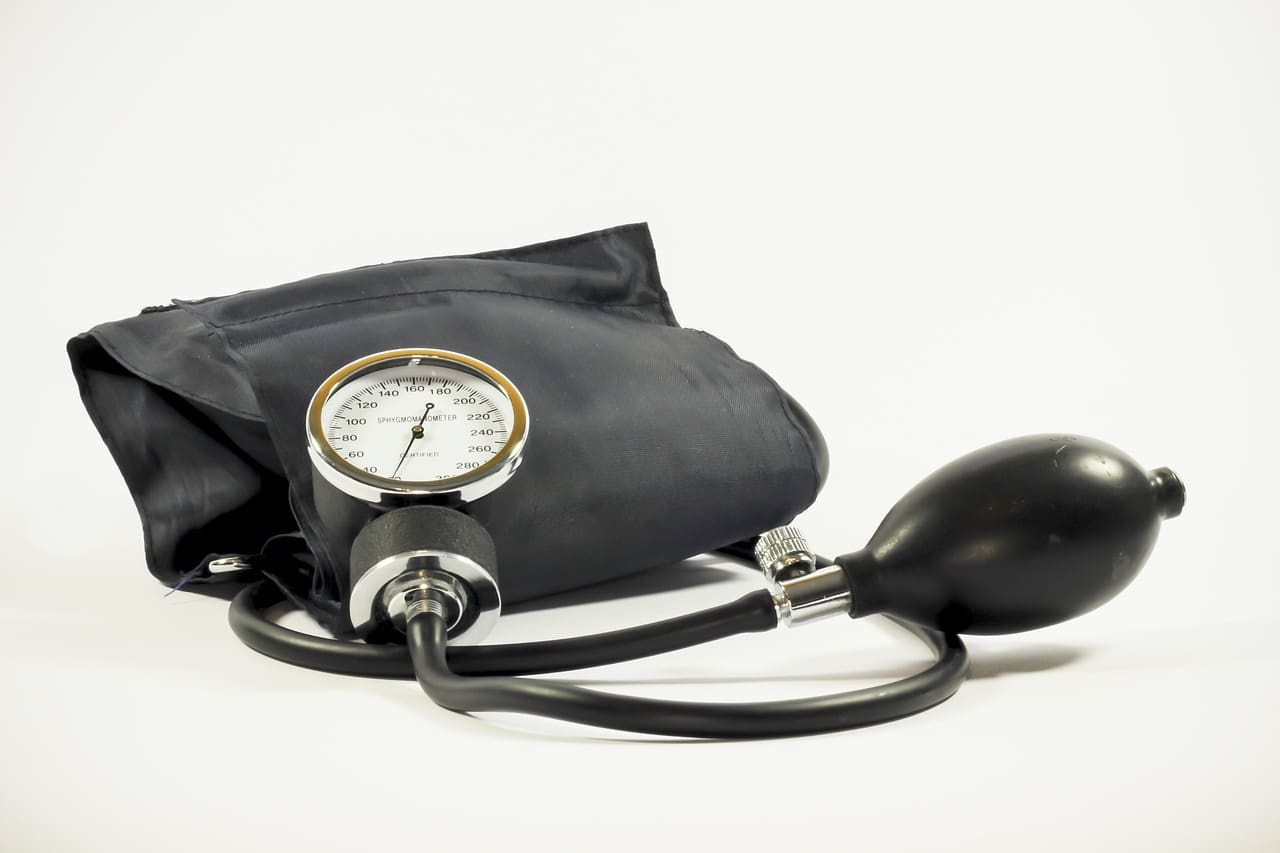
Before we dive into the different medications used to manage high blood pressure, let’s first understand what this condition is. High blood pressure, also known as hypertension, is when the force of blood against the walls of your arteries is consistently too high. This can lead to serious health issues such as heart disease, stroke, and kidney problems.
What causes High Blood Pressure?
There are several factors that can contribute to high blood pressure, including genetics, unhealthy lifestyle choices, such as a diet high in salt and lack of physical activity, stress, and underlying health conditions.
Lifestyle Changes to Manage High Blood Pressure
Aside from medications, lifestyle changes play a crucial role in managing high blood pressure. Eating a healthy diet rich in fruits, vegetables, whole grains, and lean proteins, maintaining a healthy weight, staying physically active, limiting alcohol intake, and reducing stress can all help in lowering blood pressure.
Importance of Lifestyle Changes
Lifestyle changes are often the first-line treatment for high blood pressure, and medications are usually prescribed when these changes alone are not sufficient to control blood pressure.
Most Popular High Blood Pressure Medications
There are several classes of medications that are commonly prescribed to manage high blood pressure. Let’s explore them in detail.
1. ACE Inhibitors
ACE inhibitors work by relaxing blood vessels, which helps reduce blood pressure. These medications also help to decrease the amount of water that the kidneys reabsorb, which further lowers blood pressure levels. Some common ACE inhibitors include lisinopril, enalapril, and captopril.
2. Angiotensin II Receptor Blockers (ARBs)
ARBs work by blocking the action of angiotensin II, a hormone that causes blood vessels to constrict. By blocking this hormone, ARBs help to relax blood vessels and lower blood pressure. Losartan, Valsartan, and Irbesartan are some examples of commonly prescribed ARBs.
3. Beta-Blockers
Beta-blockers work by blocking the effects of adrenaline, which helps to slow down the heart rate and reduce the force of the heart’s contractions. This leads to lower blood pressure levels. Some commonly prescribed beta-blockers include metoprolol, carvedilol, and atenolol.
4. Calcium Channel Blockers
Calcium channel blockers help relax blood vessels and increase the supply of blood and oxygen to the heart, which helps lower blood pressure. Amlodipine, Diltiazem, and Verapamil are examples of calcium channel blockers commonly used to manage high blood pressure.
5. Diuretics
Diuretics, also known as water pills, help the body get rid of excess sodium and water, which helps lower blood volume and, in turn, blood pressure. Hydrochlorothiazide, Furosemide, and Spironolactone are common diuretics prescribed for high blood pressure.
6. Alpha Blockers
Alpha-blockers work by relaxing the muscles in the walls of blood vessels, which helps to lower blood pressure. These medications are often prescribed in combination with other classes of blood pressure medications. Doxazosin, Prazosin, and Terazosin are some examples of alpha-blockers.
7. Alpha-Beta Blockers
Alpha-beta blockers work by blocking the action of both adrenaline and noradrenaline, which helps to lower blood pressure. These medications are often used in the treatment of high blood pressure in specific situations where other classes of medications are not effective. Carvedilol and Labetalol are common alpha-beta blockers.
Side Effects of High Blood Pressure Medications
While high blood pressure medications are effective in managing blood pressure levels, they can also have side effects. It’s important to be aware of these side effects and discuss them with your healthcare provider.
Common Side Effects
Some common side effects of high blood pressure medications include dizziness, fatigue, headaches, increased urination, constipation, and sexual dysfunction. It’s essential to report any side effects to your healthcare provider to determine if any changes in medication are necessary.
Serious Side Effects
In rare cases, high blood pressure medications can cause more severe side effects, such as allergic reactions, low blood pressure, electrolyte imbalances, and liver or kidney problems. If you experience any severe side effects, seek medical attention immediately.
Importance of Regular Monitoring
Regular monitoring of blood pressure levels is crucial when managing high blood pressure. Your healthcare provider will likely recommend regular blood pressure checks to ensure that your blood pressure is under control and adjust your medications if necessary.
Home Blood Pressure Monitoring
In addition to regular visits to your healthcare provider, monitoring your blood pressure at home can help you keep track of your blood pressure levels between appointments. Home blood pressure monitors are easy to use and provide valuable information to share with your healthcare provider.
When to Consult your Healthcare Provider
It’s essential to consult your healthcare provider if you experience any concerning symptoms or side effects while taking high blood pressure medications. Your healthcare provider can help adjust your medications, recommend lifestyle changes, or explore other treatment options to better manage your blood pressure.
Concerning Symptoms
If you experience symptoms such as chest pain, shortness of breath, severe headache, vision changes, or signs of an allergic reaction while taking high blood pressure medications, seek medical attention immediately. These symptoms may indicate a serious complication that requires prompt medical attention.
Conclusion
Managing high blood pressure requires a combination of lifestyle changes and medications. By understanding the most popular medications used to manage high blood pressure and being aware of their side effects, you can work with your healthcare provider to develop an effective treatment plan tailored to your needs.
Remember to follow your healthcare provider’s recommendations, monitor your blood pressure regularly, and seek medical attention if you experience any concerning symptoms. With proper management, high blood pressure can be controlled, reducing your risk of complications and improving your overall health and well-being.