
Welcome to a comprehensive guide on healthcare policy and advocacy! In this article, you will learn about the importance of staying informed on healthcare policy changes and how you can advocate for improvements in the healthcare system. Whether you’re a healthcare professional, patient, or caregiver, knowing the ins and outs of healthcare policy and advocacy can make a significant impact on the quality of care you receive or provide. Let’s dive in and explore how you can stay engaged and advocate for positive change in healthcare. Have you ever wondered how healthcare policy and advocacy directly impact you and your loved ones?
Understanding Healthcare Policy
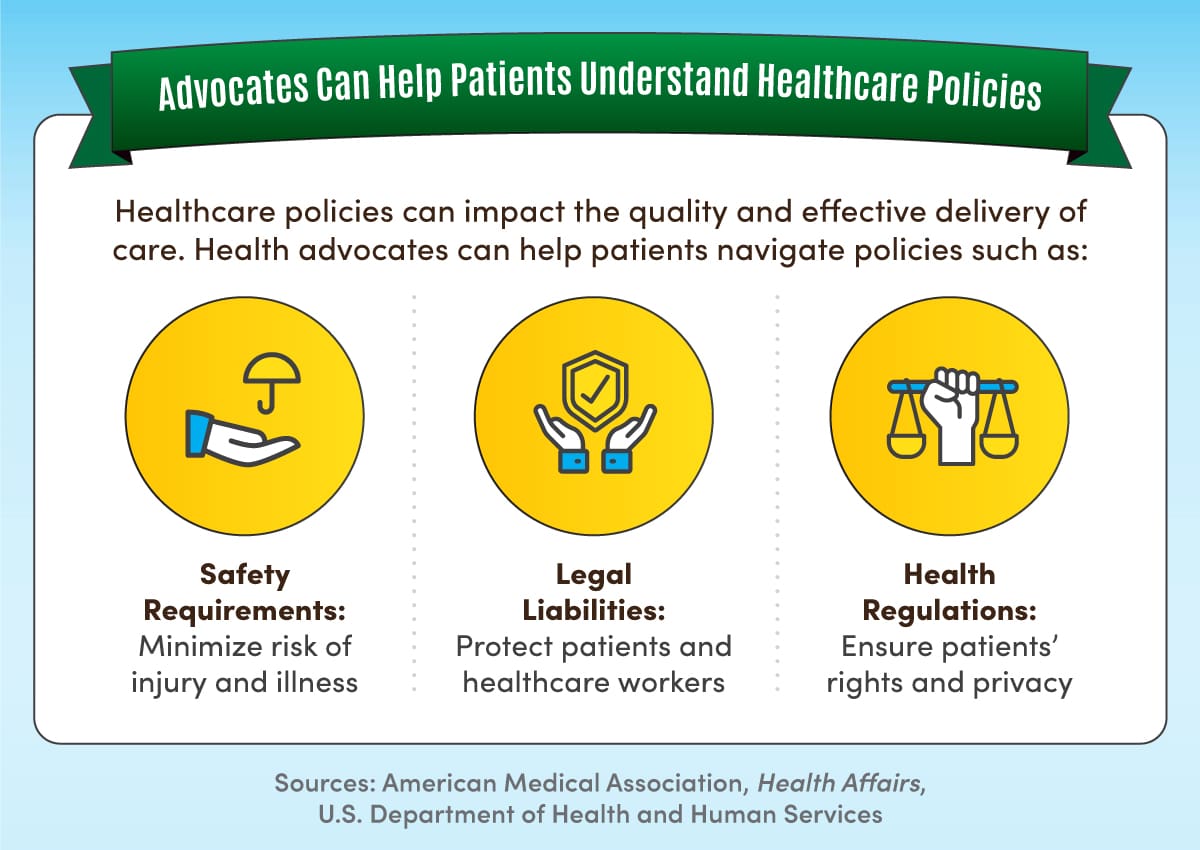
Healthcare policy refers to the rules, regulations, and laws that govern the healthcare system in a particular country or region. These policies shape how healthcare services are delivered, who has access to them, and how they are paid for. Understanding healthcare policy is crucial as it affects the quality, accessibility, and affordability of healthcare for everyone.
Types of Healthcare Policies
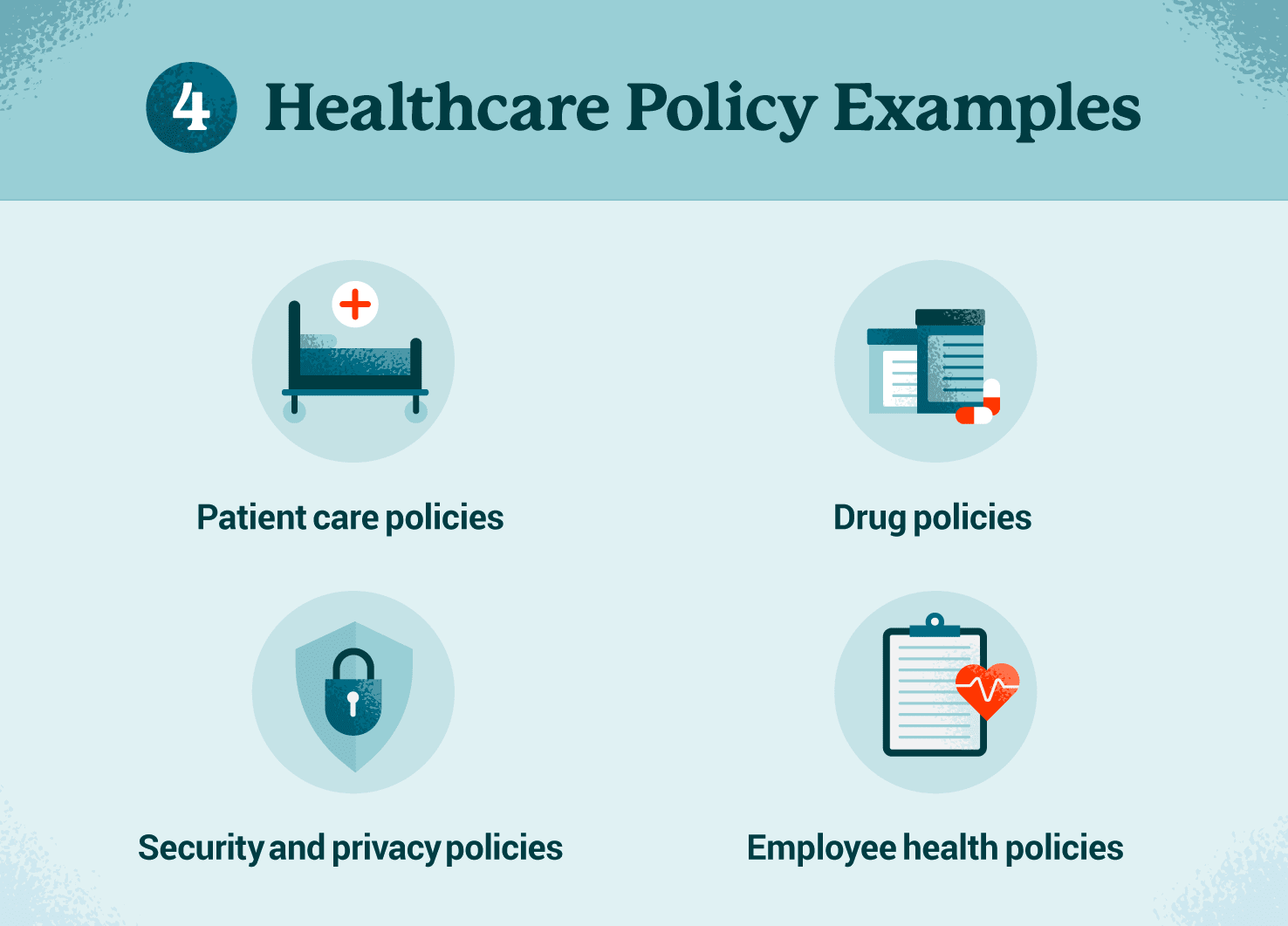
There are several types of healthcare policies that can impact individuals and communities. Some common examples include:
- Insurance Policies: These policies determine which services are covered by health insurance plans, how much individuals have to pay out of pocket, and who is eligible for coverage.
- Regulatory Policies: These policies set standards for healthcare providers, such as licensing requirements, quality standards, and safety protocols.
- Public Health Policies: These policies focus on promoting and protecting the health of the population as a whole, such as vaccination requirements, smoking bans, and disease prevention initiatives.
Understanding the different types of healthcare policies can help you navigate the complex healthcare system and advocate for changes that benefit you and your community.
The Role of Advocacy in Healthcare
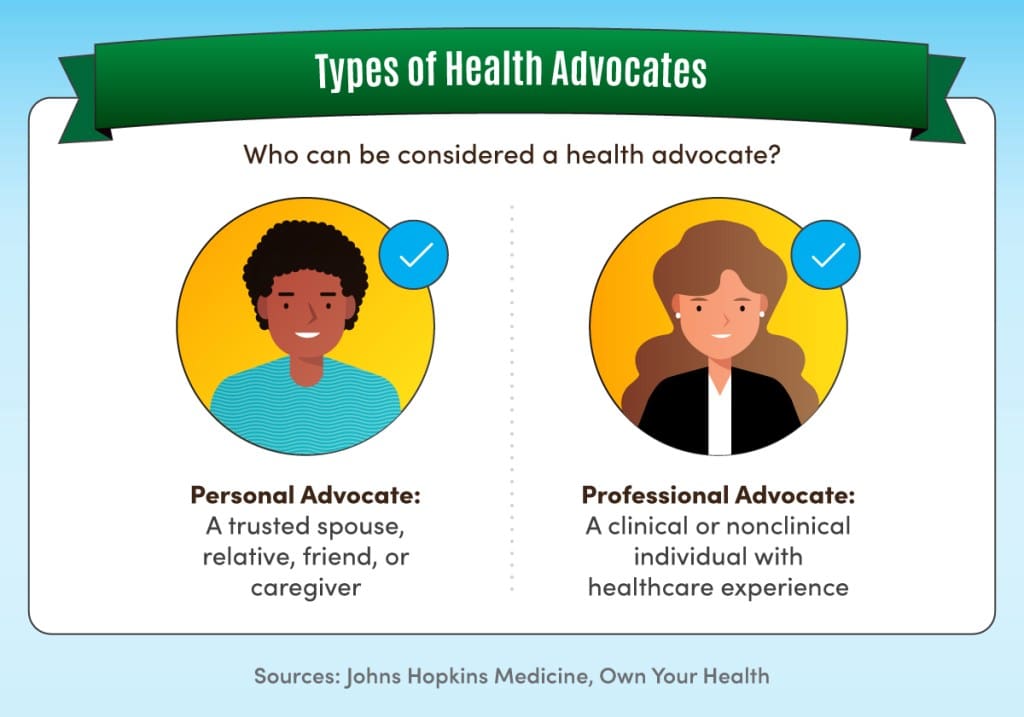
Advocacy in healthcare involves speaking up for the needs and rights of patients, healthcare providers, and other stakeholders. Advocates work to influence healthcare policy, raise awareness about key issues, and promote positive change within the healthcare system.
Why Advocacy Matters
Advocacy is important because it gives a voice to those who may not have the power or resources to effect change on their own. By advocating for better healthcare policies, individuals can help improve access to care, promote quality and safety in healthcare, and address disparities in health outcomes.
When you engage in healthcare advocacy, you are not only advocating for yourself but also for the well-being of your community and future generations.
How to Get Involved in Healthcare Advocacy
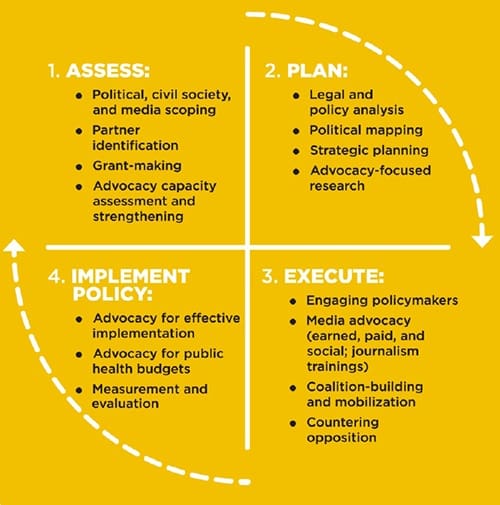
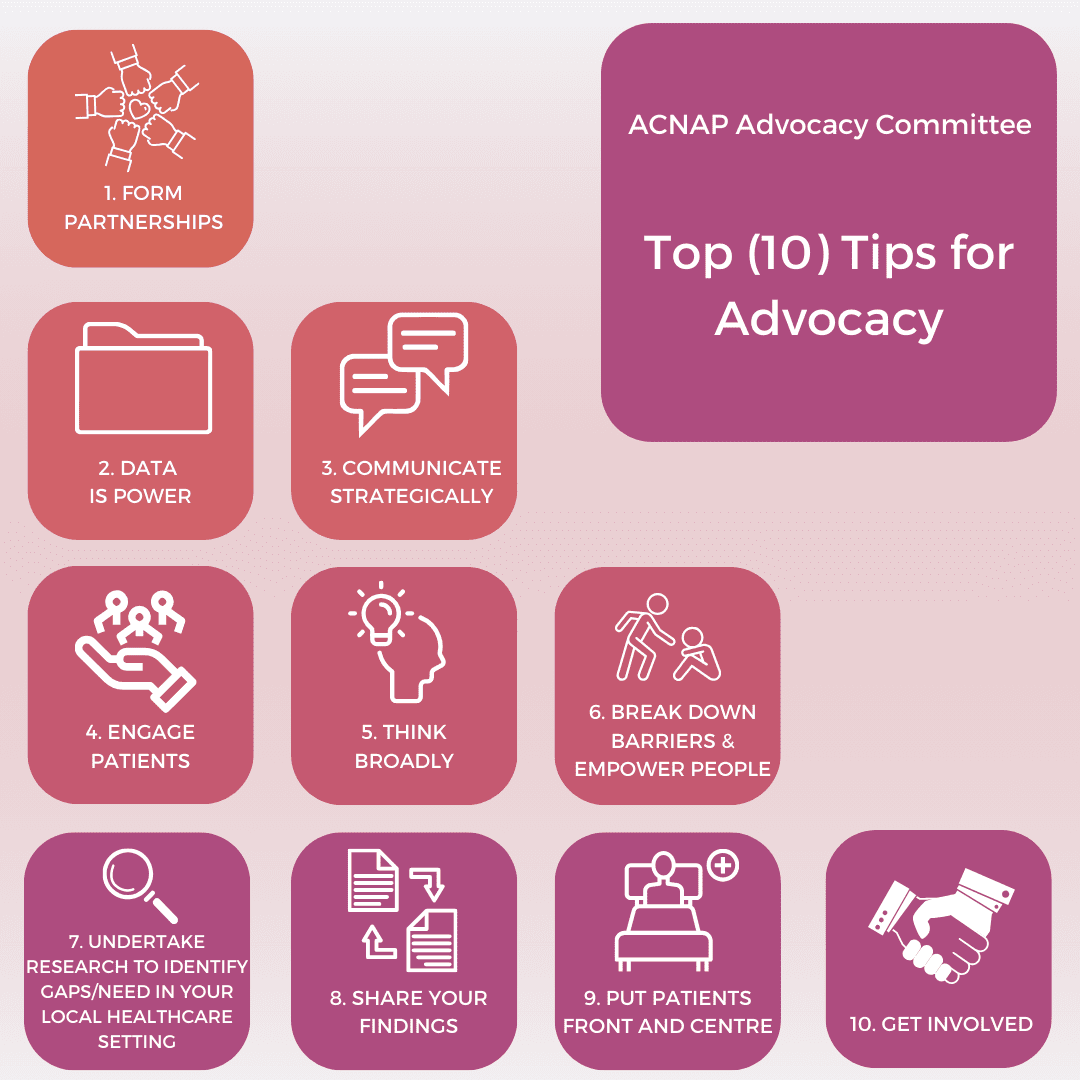
Getting involved in healthcare advocacy can seem daunting, but there are many ways to make a difference and have your voice heard. Here are some tips to help you get started:
Join a Healthcare Advocacy Group
One of the best ways to get involved in healthcare advocacy is to join a local or national advocacy group. These groups work on a variety of healthcare issues, from insurance reform to mental health awareness. By becoming a member, you can connect with like-minded individuals, stay informed about key issues, and take action to influence policy.
Contact Your Elected Officials
Another way to advocate for healthcare policy changes is to contact your elected officials. You can write letters, make phone calls, or attend town hall meetings to share your concerns and priorities. Elected officials rely on feedback from their constituents to inform their policy decisions, so speaking up can have a real impact.
Attend Healthcare Policy Events
Attending healthcare policy events, such as conferences, forums, and rallies, is a great way to learn more about key issues and connect with other advocates. These events often feature expert speakers, informational sessions, and opportunities to network with policymakers and industry leaders.
Use Social Media to Raise Awareness
Social media is a powerful tool for raising awareness about healthcare issues and mobilizing support for advocacy campaigns. By sharing information, resources, and personal stories on platforms like Twitter, Facebook, and Instagram, you can reach a large audience and engage others in meaningful conversations about healthcare policy.
Educate Yourself and Others
Finally, educating yourself about healthcare policy and advocacy is key to being an effective advocate. Stay informed about current events, research key issues, and learn how to communicate your message clearly and compellingly. You can also help educate others by sharing your knowledge and encouraging them to get involved in advocacy efforts.
Getting involved in healthcare advocacy may seem overwhelming at first, but every small action you take can make a difference in shaping healthcare policy and improving the lives of others.
Advocating for Healthcare Equity
Healthcare equity means that everyone has the opportunity to access the care they need, regardless of their background, income, or other factors. Unfortunately, disparities in healthcare access and outcomes persist, and advocating for healthcare equity is crucial to ensuring that everyone has a fair chance at good health.
Addressing Health Disparities
Health disparities are differences in health outcomes between groups of people, often based on social, economic, or demographic factors. These disparities can result in unequal access to care, poorer health outcomes, and higher rates of disease in marginalized communities.
By advocating for policies that address health disparities, you can help ensure that all individuals have equal opportunities to live healthy lives and access the care they need.
Promoting Diversity and Inclusion in Healthcare
Diversity and inclusion in healthcare are essential for providing culturally competent care and promoting positive health outcomes. Advocating for policies that support diversity in the healthcare workforce, address implicit bias, and improve access to care for underserved populations can help create a more equitable healthcare system for everyone.
Supporting Vulnerable Populations
Vulnerable populations, such as children, the elderly, people with disabilities, and low-income individuals, often face unique challenges in accessing healthcare. By advocating for policies that prioritize the needs of these populations, you can help ensure that they receive the care and support they deserve.
Fighting for Healthcare Access for All
Access to healthcare is a fundamental human right, yet millions of people around the world still lack access to essential services. By advocating for universal healthcare coverage, affordable insurance options, and comprehensive benefits, you can help ensure that everyone has the opportunity to live a healthy life.
Advocating for healthcare equity is an ongoing effort that requires collaboration, persistence, and a commitment to social justice. By working together to address disparities and promote inclusion, we can create a more equitable healthcare system for all.
Conclusion
In conclusion, healthcare policy and advocacy play a critical role in shaping the healthcare system and improving the well-being of individuals and communities. By understanding healthcare policy, getting involved in advocacy efforts, and advocating for healthcare equity, you can make a real difference in the lives of others and contribute to positive change in the healthcare system.
Remember, your voice matters, and your actions can have a meaningful impact on healthcare policy and advocacy. So, take the first step today to become an advocate for better healthcare for all.