
Are you seeking new ways to improve and maintain your health and wellness? Look no further than alternative medicine practices specifically tailored for women. In this article, we will explore a range of holistic approaches that can help support women’s health and well-being. From acupuncture and herbal medicine to yoga and meditation, these alternative practices offer natural and empowering solutions to common health issues. Whether you are searching for relief from menstrual pain, seeking balance during menopause, or simply aiming to enhance your overall vitality, alternative medicine practices can provide a gentle and effective path to optimal health. So, let us embark on this journey together, discovering the healing power of alternative medicine for women’s health and wellness.
Acupuncture
Overview of acupuncture
Acupuncture, a key component of Traditional Chinese Medicine (TCM), is a holistic healing practice that has been used for centuries to promote overall well-being and treat a variety of ailments. This ancient practice involves the insertion of thin needles into specific points on the body, stimulating the body’s natural healing process. By accessing these points, acupuncture aims to restore the balance of energy, known as Qi, in the body. Acupuncture is believed to have a wide range of benefits, particularly for women’s health.
Effectiveness in women’s health
Acupuncture has shown great promise in addressing various women’s health concerns. It is commonly used to regulate menstrual cycles and alleviate symptoms of premenstrual syndrome (PMS) such as bloating, mood swings, and cramps. Acupuncture can also be beneficial for women experiencing infertility issues by improving blood flow to the reproductive organs and optimizing hormonal balance. Additionally, many women have found relief from menopausal symptoms through acupuncture treatments, including hot flashes, night sweats, and insomnia.
Conditions treated with acupuncture
In addition to addressing specific women’s health issues, acupuncture can assist in managing a range of other conditions. Some of the common ailments that can be treated with acupuncture include chronic pain, digestive disorders, anxiety and depression, migraines, and even skin conditions like acne or eczema. Acupuncture takes a holistic approach, treating the underlying imbalances in the body that contribute to these conditions rather than just alleviating symptoms.
Benefits and risks of acupuncture
One of the major advantages of acupuncture is its minimal side effects. Unlike many pharmaceutical medications, acupuncture is a natural treatment that does not introduce any chemicals into the body. This makes it a safe option for many women seeking relief from various health issues. Moreover, acupuncture can be used alongside conventional medical treatments and is often seen as a complementary therapy.
It’s important to note that while acupuncture is generally safe, it should always be performed by a licensed and experienced practitioner. The risk of infection is very low, as reputable acupuncturists use sterile, single-use needles. However, there may be some mild discomfort during the insertion of the needles or a sensation of heaviness or tingling at the needle sites during the treatment. It is always advisable to discuss acupuncture with your healthcare provider before starting any new treatment.
Herbal Medicine
Introduction to herbal medicine
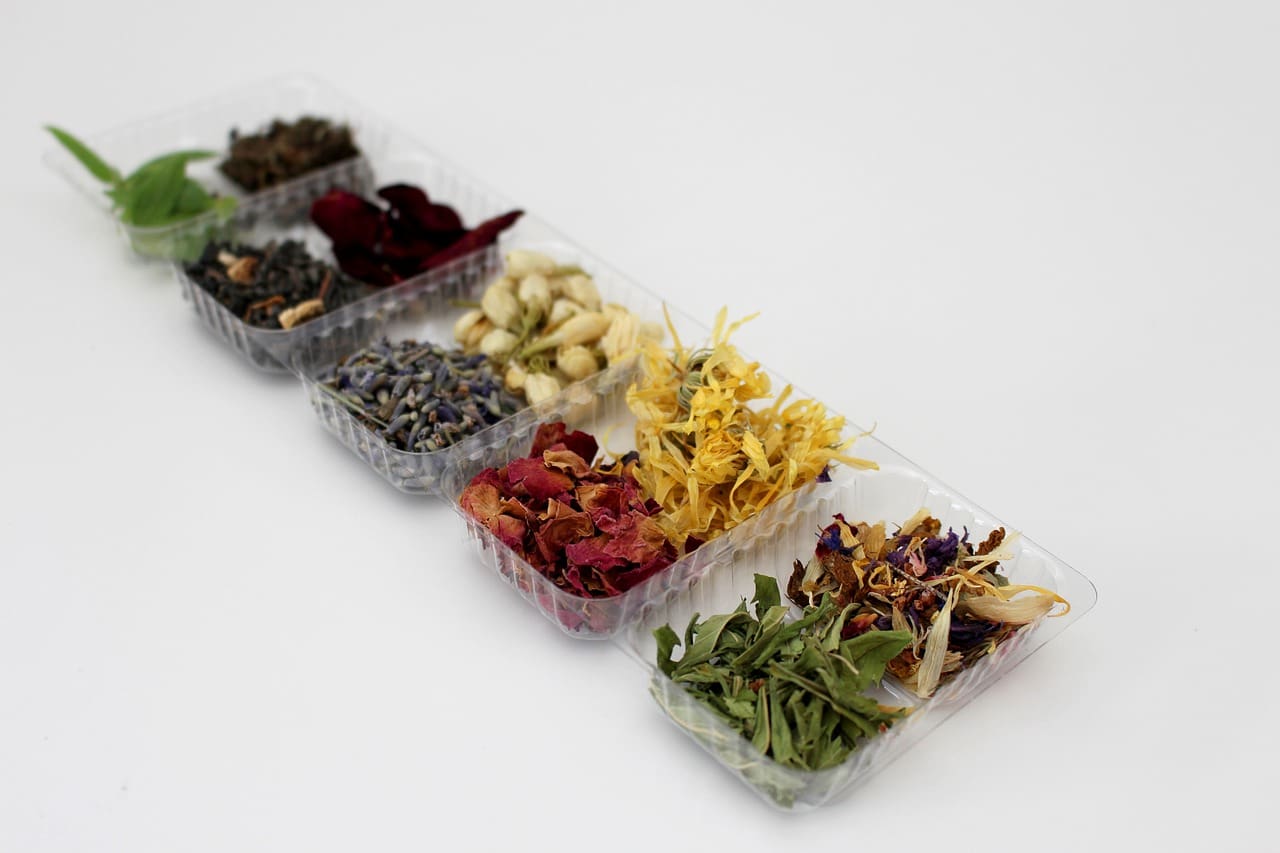
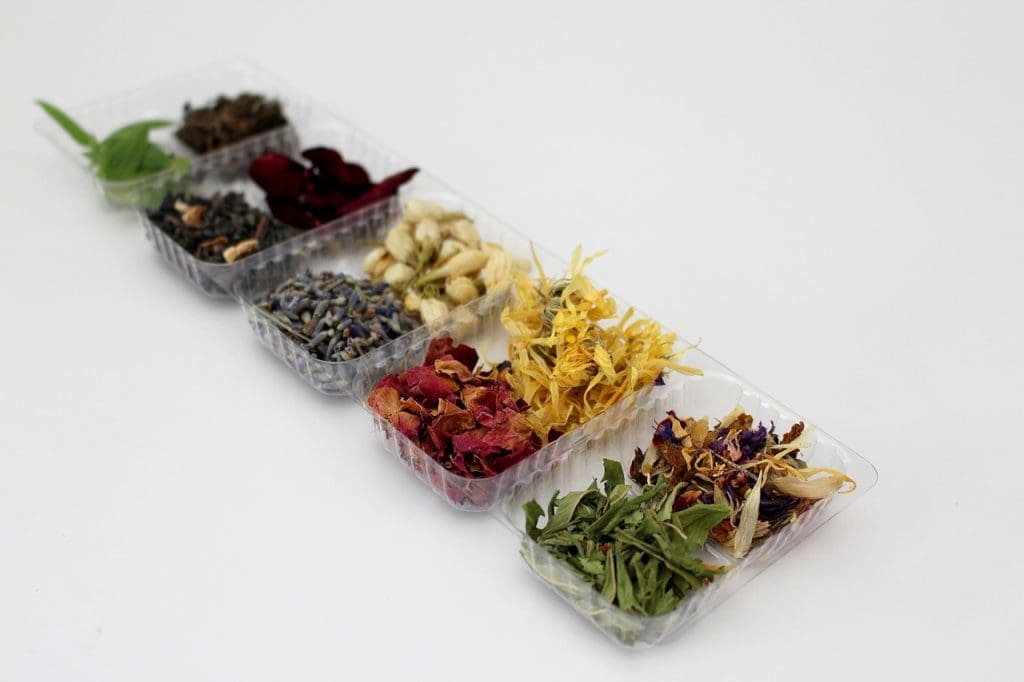
Herbal medicine, also known as herbalism or botanical medicine, is a practice that utilizes the healing properties of plants to improve overall health and treat various health conditions. For centuries, different cultures around the world have used herbs and plant-based remedies to promote well-being. Herbal medicine takes a holistic approach, considering not only the physical symptoms but also the underlying imbalances in the body that contribute to illness.
Common herbs used for women’s health
There are several herbs commonly used in herbal medicine for promoting women’s health. One such herb is Dong Quai, also known as the “female ginseng,” which is often used to regulate menstrual cycles and ease menstrual cramps. Another herb, Vitex Agnus-Castus, is known for its ability to balance hormones and alleviate PMS symptoms. Additionally, Black Cohosh is frequently used for menopausal symptoms such as hot flashes and night sweats.
Hormonal balance and herbal remedies
Hormonal imbalances can contribute to a variety of women’s health issues, including irregular menstrual cycles, PMS, infertility, and menopausal symptoms. Herbal remedies can play a significant role in restoring hormonal balance. For instance, the herb Vitex Agnus-Castus acts on the pituitary gland, helping regulate the production of hormones that control the menstrual cycle. Dong Quai, mentioned earlier, also helps balance hormones by increasing blood flow to the reproductive organs.
Safety precautions for herbal medicine
While herbal medicine is generally considered safe, it is essential to approach it with caution. Not all herbal remedies are suitable for everyone, and some may interact with certain medications or medical conditions. It is crucial to consult with a qualified herbalist or healthcare professional experienced in herbal medicine before starting any herbal regimen. They can help guide you in selecting the appropriate herbs, dosages, and potential contraindications. Also, it is important to ensure the quality and purity of the herbal products you use, as some may be adulterated or of lower quality.
Yoga and Meditation
Benefits of yoga for women’s health
Yoga, an ancient practice originating in India, combines physical postures, breathing exercises, and meditation to promote physical, mental, and spiritual well-being. For women, yoga offers numerous health benefits. Regular yoga practice can help improve flexibility, increase strength, and promote overall body awareness. It can also aid in managing menstrual discomfort, reducing stress, and improving sleep quality.
Specific yoga poses for menstrual discomfort
Certain yoga poses can be particularly beneficial for alleviating menstrual discomfort. For example, the Child’s Pose gently stretches the lower back and helps relax the pelvic muscles, relieving menstrual cramps. The Legs-Up-The-Wall pose, where you lie on your back with your legs resting vertically against a wall, improves blood circulation in the pelvis and can help reduce bloating and discomfort. Additionally, the Supine Twist pose, which involves lying on your back and twisting your legs to one side, can release tension in the lower back and abdomen.
Relieving stress and anxiety through meditation
Meditation is a practice that involves focusing the mind and achieving a state of calm and tranquility. It has been used for centuries as a tool to reduce stress, anxiety, and promote overall mental well-being. For women, who often juggle multiple responsibilities and face unique challenges, meditation can be particularly helpful in managing stress and finding balance. Regular meditation practice can improve mood, enhance concentration, and cultivate a sense of inner peace and resilience.
Combining yoga and meditation practices
Combining yoga and meditation practices can create a powerful synergy, providing both physical and mental benefits. Yoga postures can prepare the body for meditation by releasing physical tension and increasing flexibility. After a yoga practice, settling into a seated meditation posture becomes more comfortable, aiding in achieving a calm and focused state of mind. By integrating both practices into your routine, you can experience a holistic approach to self-care and well-being.
Ayurveda
Understanding Ayurvedic principles
Ayurveda, a traditional holistic healing system from ancient India, focuses on maintaining a balance between mind, body, and spirit to achieve optimal health. According to Ayurvedic principles, each person has a unique mind-body constitution, known as doshas, which are composed of five elements: ether, air, fire, water, and earth. Understanding one’s dosha and balancing it is essential for promoting women’s health and addressing specific health concerns.
Balancing doshas for women’s health
Ayurveda recognizes three doshas – Vata, Pitta, and Kapha – and the imbalance of these doshas can cause various health issues. For women’s health, balancing the doshas is crucial. For example, imbalances in Vata dosha can lead to irregular menstrual cycles, anxiety, and digestive problems. Pitta imbalances may contribute to hormonal disturbances and skin issues, while Kapha imbalances can result in weight gain, lethargy, and excessive mucus production. Ayurveda offers various treatments and lifestyle recommendations to help balance these doshas and maintain overall well-being.
Ayurvedic treatments for gynecological issues
Ayurveda offers a holistic approach to addressing gynecological issues by focusing on both the physical and energetic aspects of the body. In the case of menstrual irregularities, Ayurvedic treatments may involve herbal remedies, dietary changes, lifestyle modifications, and specific practices like self-massage or detoxification techniques. These treatments aim to balance the doshas, regulate hormonal function, and support the body’s natural healing processes.
Diet and lifestyle recommendations
Ayurveda emphasizes the importance of maintaining a balanced diet and lifestyle to support overall health and well-being. For women’s health, Ayurveda recommends a diet tailored to the individual’s dosha, incorporating nourishing foods, herbs, and spices that support hormonal balance and boost vitality. Additionally, Ayurveda suggests daily routines and self-care practices, known as dinacharya, such as tongue scraping, oil pulling, and regular exercise, to promote balance, energy, and optimal health.
Chiropractic Care
Role of chiropractic care in women’s health
Chiropractic care focuses on the relationship between the spine and the nervous system and aims to optimize the body’s natural healing abilities. While chiropractic care is often associated with the management of back and neck pain, it can also play a significant role in maintaining women’s health. Through spinal adjustments, chiropractors can ensure proper nerve function, improving overall health and well-being.
Benefits for pregnancy and postpartum
Chiropractic care can offer various benefits during pregnancy and in the postpartum period. During pregnancy, as the body undergoes significant changes to accommodate the growing baby, chiropractic adjustments can help alleviate discomfort, reduce back pain, and support proper alignment. In the postpartum period, chiropractic care can assist in pelvic realignment, aiding in the recovery process and relieving any strain caused by pregnancy and childbirth.
Relieving menstrual pain through chiropractic adjustments
Chiropractic care may provide relief from menstrual pain by addressing any underlying misalignments or imbalances in the spine. By adjusting the spine, chiropractors can potentially alleviate nerve pressure and improve blood flow to the pelvic area, reducing menstrual cramps and discomfort. It is important to consult with a chiropractor experienced in women’s health and menstrual issues to determine if chiropractic adjustments may be beneficial for your specific condition.
Safety considerations for chiropractic care
Chiropractic care is generally safe and well-tolerated, but it is important to choose a qualified and experienced chiropractor. During the initial consultation, the chiropractor will perform a thorough examination and discuss any specific concerns or health issues. It is crucial to communicate openly about your medical history, including any previous injuries, surgeries, or pre-existing conditions. Additionally, pregnant women or individuals with certain health conditions, such as osteoporosis or spinal abnormalities, should consult with their healthcare provider before seeking chiropractic care.
Homeopathy
Introduction to homeopathy
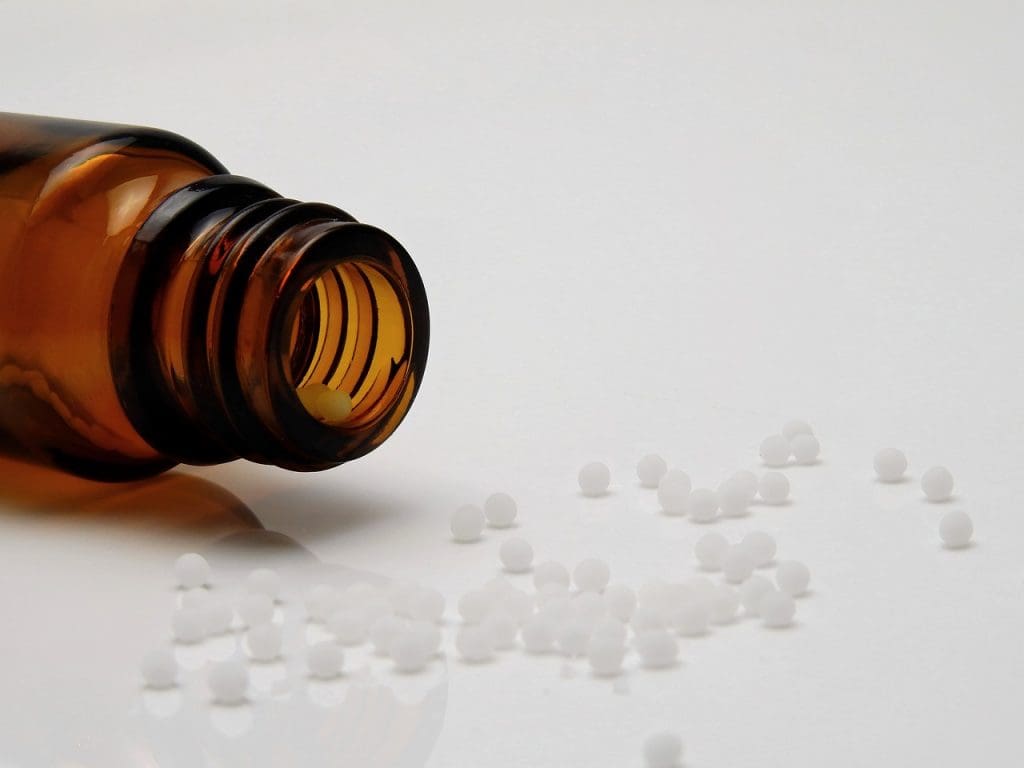
Homeopathy is a natural system of medicine that uses highly diluted substances to stimulate the body’s innate healing abilities. Based on the principle of “like cures like,” homeopathic remedies are prepared from natural sources and are chosen to match the individual’s symptoms and constitution. Homeopathy takes a holistic approach, considering the physical, mental, and emotional aspects of health.
Specific remedies for women’s health concerns
Homeopathy offers a wide range of remedies that can address various women’s health concerns. For example, Pulsatilla, derived from the windflower, is often used for irregular menstrual cycles, mood swings, and digestive issues. Sepia, made from the ink of the cuttlefish, is commonly prescribed for hormonal imbalances, menstrual irregularities, and emotional symptoms. Each remedy is carefully selected based on the individual’s unique symptoms and overall picture.
Using homeopathic treatments for PMS
PMS, or premenstrual syndrome, is a common concern among many women. Homeopathy can offer individualized treatments for PMS symptoms, such as mood swings, bloating, breast tenderness, and irritability. Remedies like Lachesis, Natrum Muriaticum, or Ignatia may be prescribed based on the specific symptoms experienced. Homeopathic treatments aim to address the underlying imbalances in the body, providing gentle and effective relief.
Possible limitations of homeopathy
While homeopathy has been used for centuries and has a large following worldwide, it is important to note that the scientific evidence supporting its effectiveness is still a subject of debate. While some studies suggest positive outcomes, others question homeopathy’s mechanism of action and argue that any perceived benefits may be due to the placebo effect. It is crucial to approach homeopathy with an open mind, consult with a professional homeopath, and consider it as a complementary therapy alongside conventional medical treatments.
Aromatherapy
Overview of aromatherapy
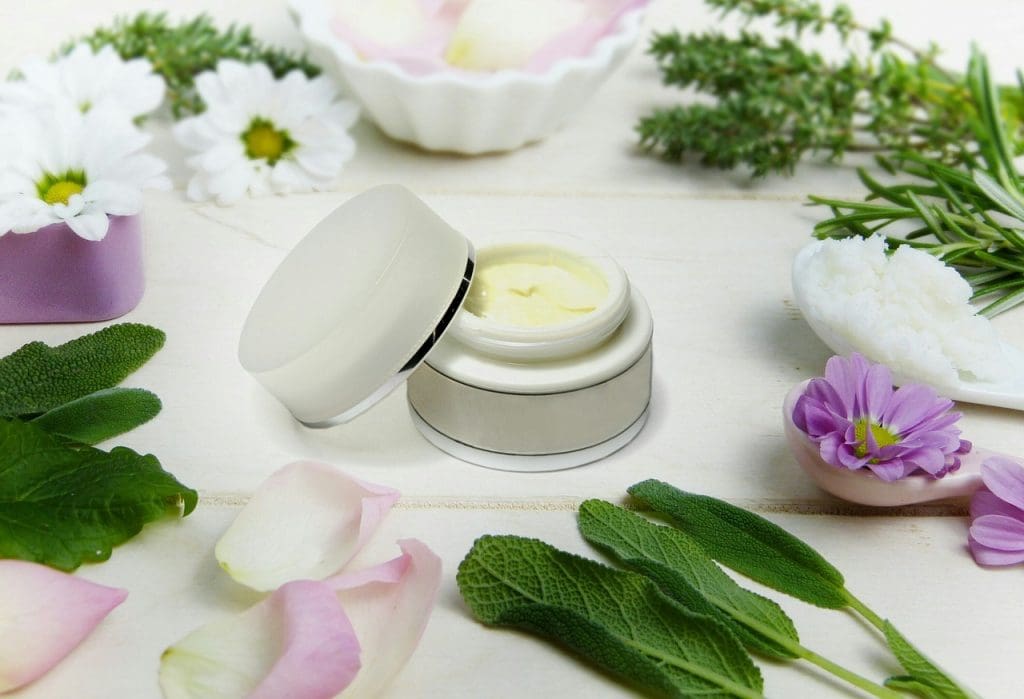
Aromatherapy is a holistic healing practice that utilizes the therapeutic properties of essential oils derived from plants to promote physical, emotional, and mental well-being. The aromas of these oils can impact the brain’s limbic system, which is involved in emotions, memory, and stress response. Aromatherapy can be used in various ways, including inhalation, topical application, and diffusion.
Essential oils for women’s health
There are several essential oils commonly used in aromatherapy to support women’s health. For menstrual discomfort, Clary Sage and Lavender can help alleviate cramps, reduce tension, and promote relaxation. Geranium and Rose oils are often utilized to balance hormones and support emotional well-being. Additionally, oils such as Ylang Ylang and Jasmine can enhance mood, boost libido, and improve overall vitality.
Using aromatherapy for stress management
Stress is a common issue that affects many women’s well-being. Aromatherapy can be a valuable tool in managing stress and promoting relaxation. Essential oils like Lavender, Bergamot, and Chamomile have calming properties that can help reduce anxiety, induce sleep, and create a sense of tranquility. Whether used in a diffuser, added to a bath, or applied topically, these oils can be integrated into a self-care routine to combat everyday stressors.
Precautions and guidelines for aromatherapy
While generally safe when used correctly, there are a few precautions to consider when using aromatherapy. Essential oils are highly concentrated and should always be properly diluted before topical application. Some oils may cause skin irritation or sensitivity, especially if used in high concentrations. It is crucial to perform a patch test before using any new essential oil and to consult with a qualified aromatherapist or healthcare professional, particularly if you are pregnant, nursing, or have any pre-existing medical conditions.
Traditional Chinese Medicine
Key principles of Traditional Chinese Medicine
Traditional Chinese Medicine (TCM) is a comprehensive medical system rooted in ancient Chinese philosophy and encompasses various practices, including acupuncture, herbal medicine, massage, and dietary therapy. TCM is based on the belief that the body is a harmonious balance of opposing forces, known as Yin and Yang, and that disease occurs when this balance is disrupted. TCM seeks to restore balance and harmony to the body, leading to improved health and well-being.
Balancing Yin and Yang in women’s health
In TCM, maintaining the balance of Yin and Yang is essential for women’s health. Yin represents the feminine, nourishing, and cooling aspects, while Yang represents the masculine, active, and warming aspects. Imbalances in Yin and Yang can manifest as health issues. TCM treatments aim to restore this balance by utilizing acupuncture, herbal medicine, and dietary and lifestyle recommendations tailored to the individual’s specific needs.
Traditional Chinese Medicine remedies for menstrual irregularities
Traditional Chinese Medicine offers various remedies for addressing menstrual irregularities by focusing on the underlying imbalances in the body. TCM practitioners may determine the pattern of disharmony, such as Blood Stagnation, Qi Deficiency, or Liver Qi Stagnation, and recommend specific acupuncture points, herbal formulas, and dietary modifications to rebalance the body. By addressing the root cause, TCM aims to regulate menstrual cycles and promote overall well-being.
Acupuncture and herbal medicine in TCM
Acupuncture and herbal medicine are integral components of Traditional Chinese Medicine. Acupuncture aims to restore the flow of Qi, or vital energy, through the body’s meridians by inserting thin needles at specific points. Herbal medicine utilizes a combination of plants, minerals, and animal products to address specific imbalances and promote healing. Together, acupuncture and herbal medicine complement each other in restoring balance and optimizing women’s health.
Reflexology
Understanding reflexology
Reflexology is a healing practice that involves applying pressure to specific points on the feet, hands, or ears that are believed to correspond to different organs and systems in the body. By stimulating these reflex points, reflexologists aim to promote relaxation, improve circulation, and facilitate the body’s natural healing processes. Reflexology is a non-invasive and gentle approach that can provide various benefits for women’s health.
Focusing on women’s health through reflexology
Reflexology can be particularly beneficial for women’s health concerns. By targeting specific reflex points associated with the reproductive organs, such as the ovaries, uterus, and breasts, reflexology aims to support hormonal balance, reduce menstrual discomfort, and promote overall reproductive health. Additionally, reflexology can address other common issues faced by women, such as stress, digestive problems, and headaches.
Reflexology for fertility and pregnancy
Reflexology is frequently utilized as a complementary therapy for fertility and during pregnancy. For women struggling with infertility, reflexology can help reduce stress, balance hormones, and improve blood flow to the reproductive organs, potentially enhancing fertility. During pregnancy, reflexology can aid in alleviating common discomforts such as morning sickness, back pain, and swelling, promoting relaxation and overall well-being.
Effectiveness and limitations of reflexology
Reflexology has been widely used and appreciated for its potential benefits, but it is essential to acknowledge that scientific research supporting its effectiveness is limited. As with many alternative therapies, individual experiences and outcomes can vary. While reflexology may offer relief and relaxation, it should not replace conventional medical care. It is important to consult with a qualified reflexologist and maintain open communication with your healthcare provider when considering reflexology as part of your healthcare routine.
Magnetic Therapy
Introduction to magnetic therapy
Magnetic therapy is an alternative healing approach that involves applying magnets or magnetic fields to the body to promote healing and relieve pain. This practice is based on the belief that the body has its electromagnetic energy, and imbalances in this energy can lead to illness. Magnetic therapy seeks to rebalance the body’s energy fields by using magnets in various forms, such as bracelets, pads, or jewelry.
Using magnets for menstrual pain relief
Magnet therapy has been explored as a potential treatment for menstrual pain, also known as dysmenorrhea. The application of magnets to the lower abdomen during menstruation is believed to improve blood circulation, relax uterine muscles, and alleviate cramps. While some women may find relief from menstrual pain through magnetic therapy, it is important to note that scientific evidence supporting the effectiveness of this practice is limited.
Potential benefits of magnetic therapy in menopause
Magnetic therapy has also been investigated as a possible treatment for menopausal symptoms. Some women report relief from hot flashes, night sweats, and mood swings when using magnets. The exact mechanisms behind these benefits are not yet fully understood, but it is believed that magnets may help regulate the body’s natural energy flow and rebalance hormonal activity. However, more research is needed to determine the efficacy of magnetic therapy in managing menopausal symptoms.
Safety considerations when using magnetic therapy
Magnetic therapy is generally considered safe, but it is important to exercise caution and be mindful of certain considerations. Strong magnets or improperly used magnets may interfere with medical devices like pacemakers or insulin pumps, and it is crucial to consult with a healthcare professional if you have any implanted devices. Additionally, magnets should not be placed directly on open wounds, and pregnant women should avoid using magnets on their abdomen. It is always advisable to discuss magnetic therapy with a qualified practitioner and inform your healthcare provider before starting this treatment.
Incorporating alternative medicine practices into your health and wellness routine can provide a holistic approach to managing various women’s health concerns. From acupuncture and herbal medicine to yoga, meditation, and more, there are a plethora of options to explore. It is important to remember that alternative medicine should complement, not replace, conventional medical treatments. Always consult with qualified practitioners and maintain open communication with your healthcare provider to ensure the best possible care for your overall well-being.