
Welcome to the world of Ayurveda, where ancient practices have been used for centuries to promote detoxification and cleansing of the body. Through methods such as herbal supplements, dietary changes, oil pulling, and yoga, Ayurveda offers a holistic approach to removing toxins and rejuvenating the body. By incorporating these practices into your daily routine, you can experience increased energy, improved digestion, and a renewed sense of well-being. Let’s explore the benefits of Ayurvedic detoxification and cleansing together. Have you been feeling sluggish and in need of a reset? Ayurveda, an ancient system of medicine from India, offers a variety of practices to help detoxify and cleanse your body. By incorporating these Ayurvedic techniques into your daily routine, you can support your body’s natural detoxification processes and promote overall health and well-being. In this article, we will explore some of the most effective Ayurvedic practices for detoxification and cleansing.
Understanding Ayurveda: The Basics
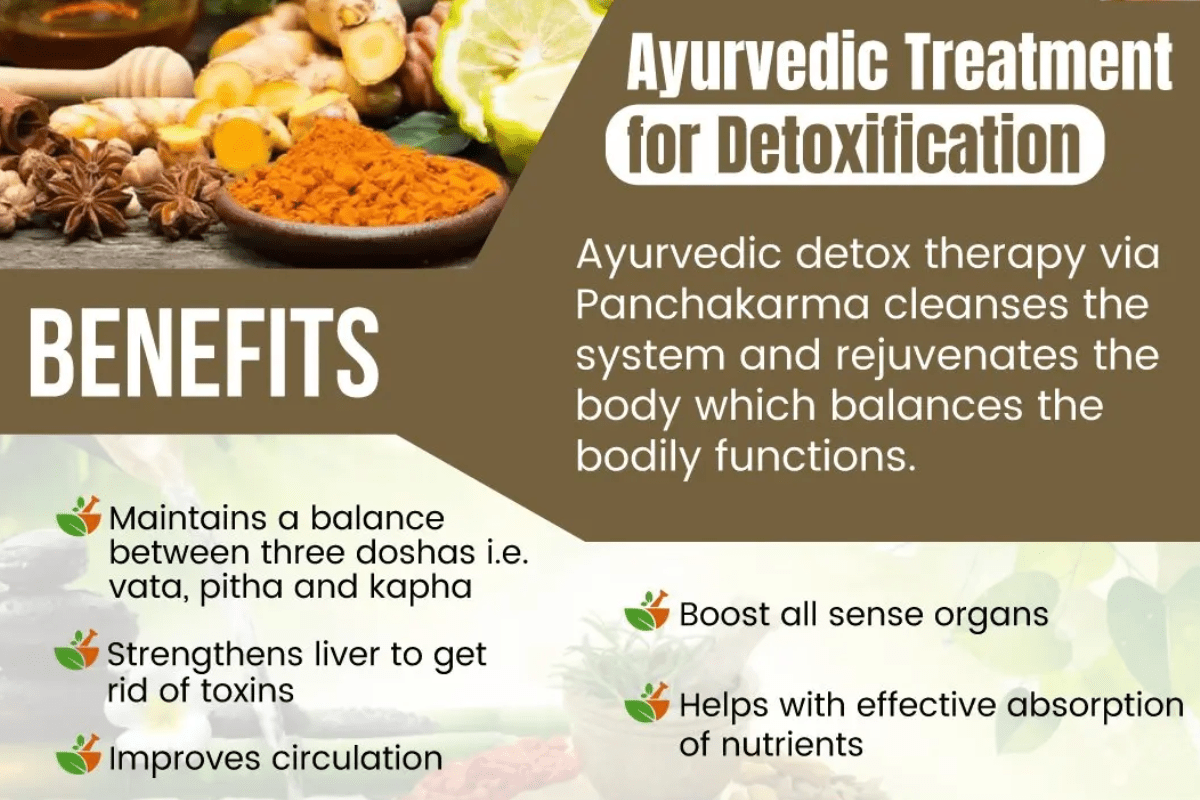
Before delving into Ayurvedic practices for detoxification and cleansing, it’s important to understand the basic principles of Ayurveda. Ayurveda is a holistic system of healing that aims to balance the mind, body, and spirit to promote overall health and well-being. According to Ayurveda, each person has a unique constitution, or dosha, that influences their physical, mental, and emotional characteristics. There are three primary doshas: Vata, Pitta, and Kapha. By understanding your dosha and following a lifestyle that supports it, you can achieve optimal health and wellness.
Discover Your Dosha
To determine your dosha, you can take an online quiz or consult with an Ayurvedic practitioner. Once you know your dosha, you can tailor your diet, lifestyle, and self-care practices to support it. For example, if you have a Pitta dosha, you may need to avoid spicy foods and incorporate cooling herbs and activities into your routine. By aligning your lifestyle with your dosha, you can optimize your health and well-being.
Ayurvedic Practices for Detoxification and Cleansing
Ayurveda offers a variety of practices for detoxification and cleansing that can help remove toxins from the body, improve digestion, and boost overall health. Incorporating these practices into your daily routine can help you feel lighter, more energized, and rejuvenated. Let’s explore some of the most effective Ayurvedic practices for detoxification and cleansing.
Abhyanga: Self-Massage with Herbal Oils
One of the cornerstone practices of Ayurveda is Abhyanga, or self-massage with herbal oils. Abhyanga helps stimulate the lymphatic system, improve circulation, and remove toxins from the body. To perform Abhyanga, warm up a small amount of herbal oil in your hands and massage it into your skin in long, gentle strokes. Focus on areas where toxins tend to accumulate, such as the abdomen, thighs, and joints. This practice can help nourish the skin, calm the mind, and support detoxification.
Tongue Scraping: Cleansing the Taste Buds
Tongue scraping is another simple yet effective Ayurvedic practice for detoxification and cleansing. By scraping your tongue first thing in the morning, you can remove ama, or toxic residue, that has accumulated overnight. Ayurveda teaches that the tongue is connected to the internal organs, so by removing toxins from the tongue, you can support the body’s detoxification process and improve digestion. To scrape your tongue, use a stainless steel or copper tongue scraper and gently scrape from back to front several times. Rinse your mouth with warm water afterwards. This practice can help freshen your breath, improve taste perception, and support overall health.
Neti Pot: Nasal Cleansing
Nasal cleansing with a Neti pot is a traditional Ayurvedic practice that helps remove excess mucus, pollen, and other allergens from the nasal passages. By using a Neti pot regularly, you can support respiratory health, improve breathing, and reduce the risk of sinus infections. To use a Neti pot, mix warm saline solution in the pot, tilt your head to one side over a sink, and pour the solution into one nostril. Let the solution flow through your nasal passages and out the other nostril. Repeat on the other side. This practice can help clear the sinuses, improve mental clarity, and promote overall well-being.
Oil Pulling: Oral Detoxification
Oil pulling is an ancient Ayurvedic practice that involves swishing oil in your mouth for several minutes to remove toxins and improve oral health. Oil pulling helps remove harmful bacteria, plaque, and toxins from the mouth, which can support overall detoxification and improve digestion. To perform oil pulling, swish a tablespoon of warm sesame or coconut oil in your mouth for 15-20 minutes, making sure not to swallow the oil. Spit out the oil into a trash can afterwards and rinse your mouth with warm water. This practice can help freshen your breath, reduce oral bacteria, and promote healthy gums.
Ayurvedic Diet for Detoxification and Cleansing
In Ayurveda, diet plays a crucial role in detoxification and cleansing. By following a diet that supports your dosha and incorporates cleansing foods and herbs, you can help remove toxins from the body, improve digestion, and support overall health. Let’s explore some of the key principles of an Ayurvedic diet for detoxification and cleansing.
Eat According to Your Dosha
To support detoxification and cleansing, it’s important to eat foods that align with your dosha. For example, if you have a Vata dosha, you may need to include warm, nourishing foods such as soups, stews, and cooked grains in your diet. If you have a Pitta dosha, you may need to opt for cooling foods such as salads, fresh fruits, and coconut water. By eating according to your dosha, you can balance your body and promote detoxification.
Include Cleansing Foods and Herbs
Certain foods and herbs have cleansing and detoxifying properties that can help remove toxins from the body. Some of the best cleansing foods and herbs in Ayurveda include:
- Triphala: A combination of three fruits that supports digestion and detoxification.
- Turmeric: A powerful antioxidant and anti-inflammatory spice that supports liver health.
- Ginger: A warming herb that aids digestion, reduces inflammation, and supports detoxification.
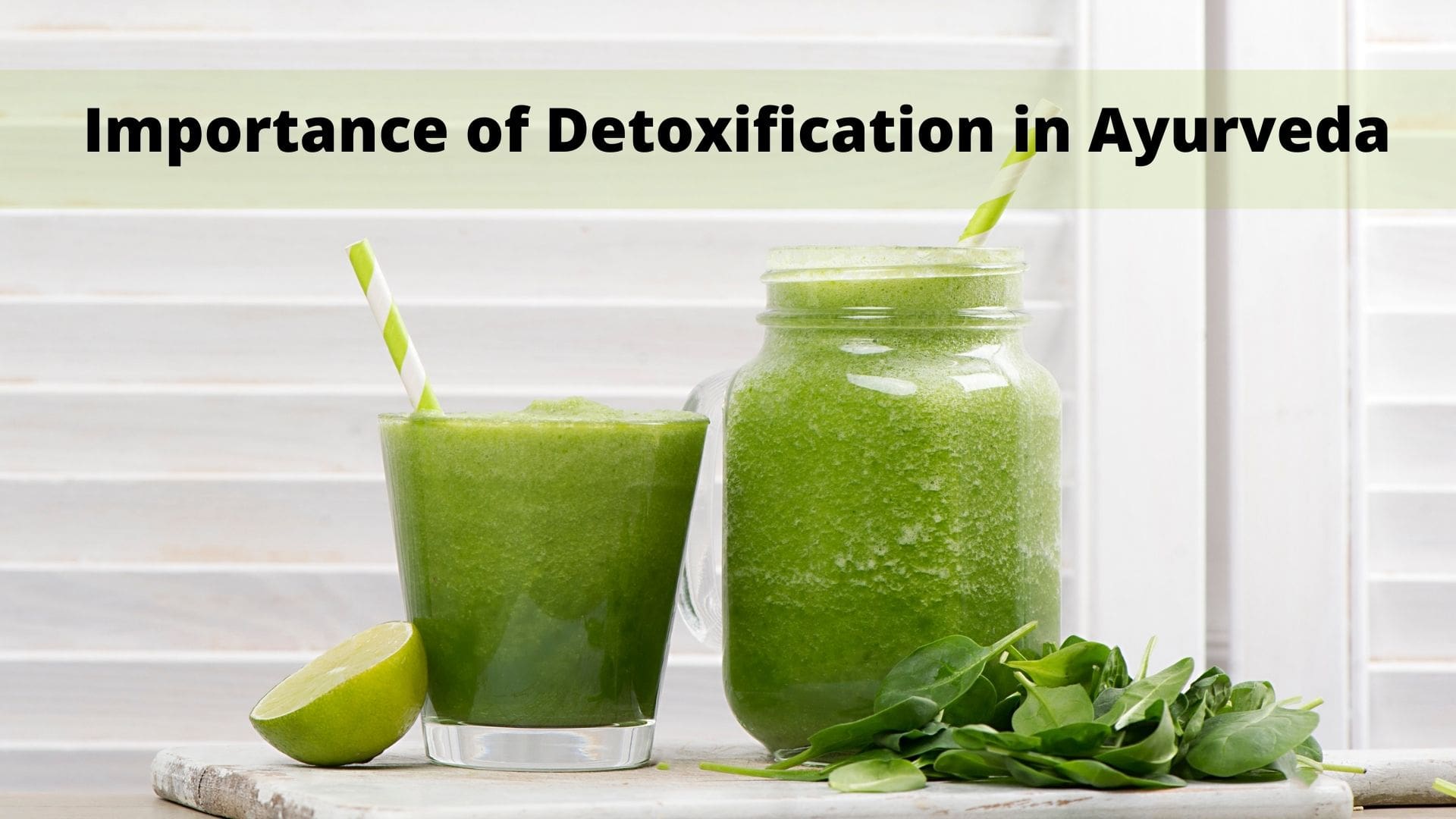
- Leafy Greens: Rich in vitamins, minerals, and antioxidants that support detoxification and promote overall health.
- Mung Beans: A cleansing legume that supports digestion, removes toxins, and balances the doshas.
By incorporating these cleansing foods and herbs into your diet, you can support your body’s natural detoxification processes, improve digestion, and boost overall health.
Practice Mindful Eating
In Ayurveda, how you eat is just as important as what you eat. To support detoxification and cleansing, it’s important to practice mindful eating, or eating with awareness and intention. By slowing down, savoring each bite, and paying attention to your body’s hunger and fullness cues, you can improve digestion, reduce bloating, and promote detoxification. Aim to eat in a calm, relaxed environment without distractions such as TV or phones. This practice can help you connect with your food, improve nutrient absorption, and support overall well-being.

Ayurvedic Lifestyle Practices for Detoxification and Cleansing
In addition to diet and self-care practices, Ayurveda emphasizes the importance of lifestyle practices for detoxification and cleansing. By incorporating healthy lifestyle habits into your daily routine, you can support your body’s natural detoxification processes, reduce stress, and promote overall health. Let’s explore some of the key Ayurvedic lifestyle practices for detoxification and cleansing.
Daily Routine: Establish a Healthy Routine
Ayurveda teaches the importance of establishing a daily routine, or Dinacharya, to support detoxification and cleansing. By waking up and going to bed at the same time each day, eating meals at regular times, and incorporating self-care practices into your routine, you can support your body’s natural rhythms and promote balance. Aim to wake up early, drink a glass of warm water, and practice self-care activities such as Abhyanga, yoga, and meditation. This routine can help regulate your digestion, improve sleep, and promote overall well-being.
Exercise: Move Your Body
Regular exercise is key to supporting detoxification and cleansing in Ayurveda. By moving your body and breaking a sweat, you can improve circulation, stimulate lymphatic flow, and remove toxins from the body. Choose activities that align with your dosha and preferences, such as yoga, walking, swimming, or dancing. Aim to exercise for at least 30 minutes each day to support detoxification, improve energy levels, and boost overall health.
Stress Management: Reduce Stress Levels
Stress is a common factor that can contribute to toxin buildup in the body. In Ayurveda, managing stress is crucial for promoting detoxification and cleansing. By incorporating stress-reducing practices into your daily routine, such as yoga, meditation, deep breathing, or spending time in nature, you can support your body’s natural detoxification processes and promote overall well-being. Aim to identify sources of stress in your life and take steps to reduce or eliminate them. This practice can help improve mental clarity, reduce inflammation, and support detoxification.
Conclusion
Incorporating Ayurvedic practices for detoxification and cleansing into your daily routine can help you feel lighter, more energized, and rejuvenated. By following a diet that supports your dosha, incorporating self-care practices such as Abhyanga and tongue scraping, and establishing healthy lifestyle habits, you can support your body’s natural detoxification processes and promote overall health and well-being. Remember to consult with an Ayurvedic practitioner before making any significant changes to your diet or lifestyle. By embracing the wisdom of Ayurveda, you can detoxify and cleanse your body to achieve optimal health and wellness.