
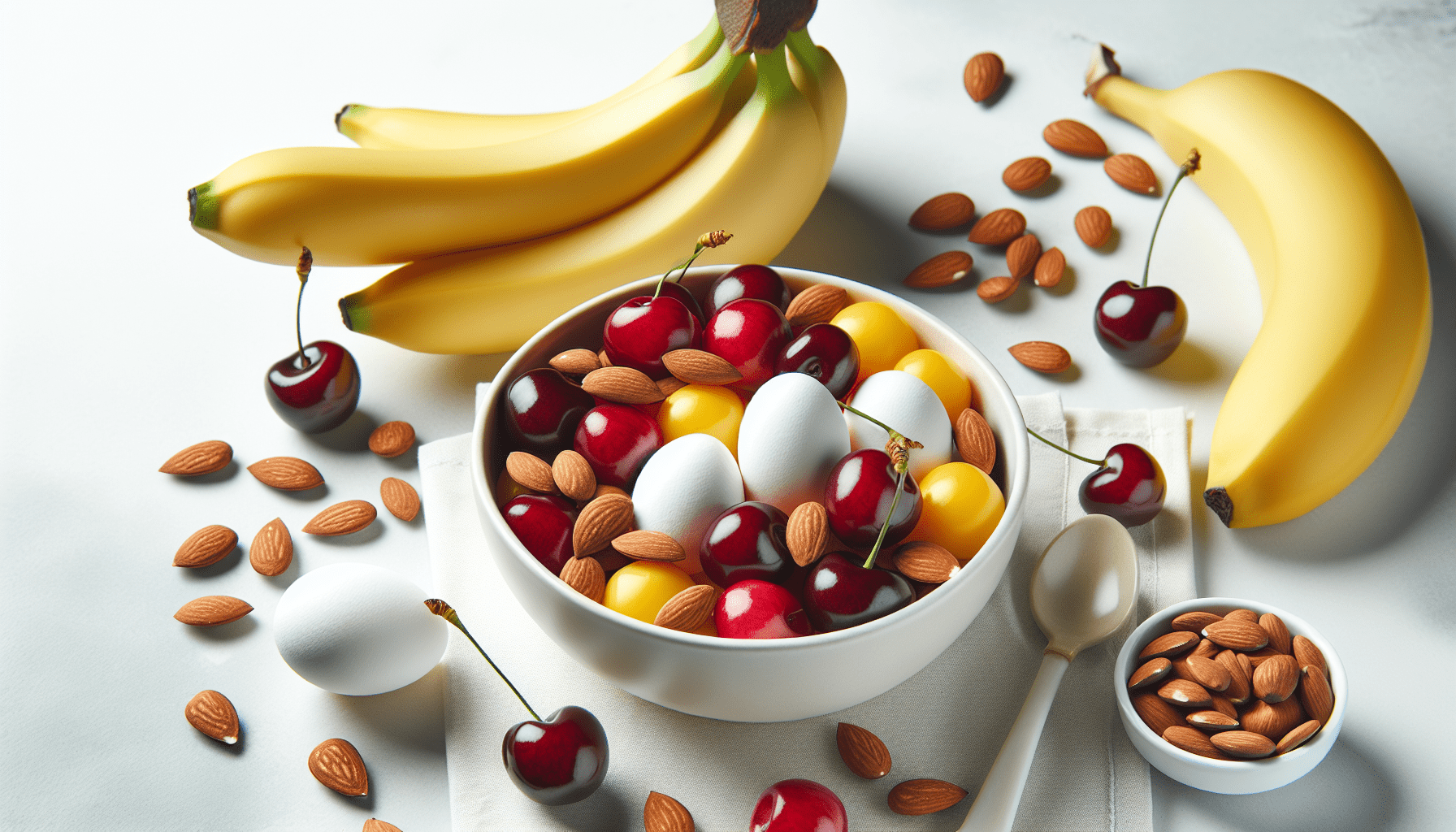
Welcome to an article all about the best foods to help you get a good night’s sleep. Are you tired of tossing and turning all night? Look no further, as we discuss the top foods that can promote better sleep. From cherries and bananas to almonds and eggs, incorporating these foods into your diet can make a big difference in your sleep quality. Say goodbye to counting sheep and hello to restful nights with the help of these sleep-inducing foods. So sit back, relax, and learn about the delicious foods that will have you snoozing in no time. Have you ever found yourself tossing and turning in bed, unable to fall asleep? It can be incredibly frustrating when you’re trying to get some much-needed rest, but your body just won’t cooperate. The good news is that there are foods you can incorporate into your diet to help improve your sleep quality. In this article, we’ll explore some of the best foods for better sleep and how they can make a difference in your nightly routine.
Importance of Good Nutrition for Sleep
Getting a good night’s sleep is essential for overall health and well-being. However, many people overlook the impact that diet can have on sleep quality. Consuming certain foods before bed can either hinder or promote sleep, so it’s important to choose wisely. By incorporating the right foods into your diet, you can help regulate your sleep-wake cycle and improve the quality of your sleep.
Why is Sleep Important?
You’ve probably been told countless times about the importance of getting enough sleep, but do you really know why it’s so crucial? Sleep plays a vital role in maintaining overall health and well-being. It helps to regulate mood, improve cognitive function, and support physical health. Without adequate sleep, you may find yourself struggling with irritability, memory problems, and an increased risk of chronic conditions such as heart disease and diabetes.
Nutrients That Promote Better Sleep
Certain nutrients in food can help support the body’s natural sleep cycles and improve sleep quality. By including these nutrients in your diet, you can help regulate your body’s internal clock and promote relaxation, making it easier to fall asleep and stay asleep throughout the night.
Magnesium
Magnesium is a mineral that plays a key role in supporting sleep. It helps regulate neurotransmitters that are responsible for calming the body and mind, such as GABA. Magnesium also helps regulate the body’s stress response and can reduce anxiety levels, making it easier to relax and fall asleep.
Foods Rich in Magnesium
- Almonds
- Spinach
- Pumpkin seeds
- Avocado
Tryptophan
Tryptophan is an essential amino acid that the body uses to make serotonin, a neurotransmitter that promotes relaxation and sleep. Tryptophan is also a precursor to melatonin, a hormone that regulates the sleep-wake cycle. Including tryptophan-rich foods in your diet can help improve sleep quality and promote feelings of relaxation.
Foods High in Tryptophan
- Turkey
- Chicken
- Tofu
- Salmon
Vitamin B6
Vitamin B6 is essential for the production of neurotransmitters such as serotonin and melatonin, both of which play a role in promoting relaxation and sleep. By including foods rich in vitamin B6 in your diet, you can help support the body’s natural sleep processes and improve sleep quality.
Foods High in Vitamin B6
- Chickpeas
- Potatoes
- Bananas
- Quinoa
Best Foods for Better Sleep
Now that you understand the importance of good nutrition for sleep and the nutrients that can promote better sleep, let’s dive into some of the best foods you can incorporate into your diet to help improve your sleep quality. These foods are not only delicious but can also have a positive impact on your ability to fall asleep and stay asleep throughout the night.
Warm Milk
You may have heard that warm milk can help promote sleep, and there’s a reason for that. Milk contains tryptophan, which can help regulate the sleep-wake cycle and promote relaxation. It also contains calcium, which helps the brain produce melatonin, a hormone that signals the body when it’s time to sleep.
Almonds
Almonds are a great source of magnesium, a mineral that can help relax the muscles and promote feelings of calm. They also contain tryptophan and melatonin, making them a great bedtime snack to help improve sleep quality. Try having a handful of almonds before bed to help you unwind and prepare for sleep.
Chamomile Tea
Chamomile tea has long been used as a natural remedy for promoting relaxation and improving sleep quality. It contains apigenin, an antioxidant that binds to certain receptors in the brain that may help initiate sleep. Drinking a warm cup of chamomile tea before bed can help calm the mind and prepare the body for sleep.
Kiwi
Kiwi is a nutrient-dense fruit that is rich in serotonin, a neurotransmitter that promotes relaxation and sleep. It also contains antioxidants and vitamins C and E, which can help reduce inflammation and support overall health. Eating kiwi before bed may help regulate the sleep-wake cycle and improve sleep quality.
Bananas
Bananas are a great source of tryptophan and magnesium, making them an excellent bedtime snack to promote relaxation and sleep. They also contain vitamin B6, which plays a role in producing neurotransmitters that support sleep. Eating a banana before bed can help calm the body and mind, making it easier to fall asleep.
Oatmeal
Oatmeal is a complex carbohydrate that can help regulate blood sugar levels and promote feelings of relaxation. It is also a good source of melatonin, a hormone that signals the body when it’s time to sleep. Eating a bowl of oatmeal before bed can help stabilize blood sugar levels and promote a restful night’s sleep.
Tips for Incorporating Sleep-Promoting Foods into Your Diet
Now that you know about some of the best foods for better sleep, you may be wondering how to incorporate them into your diet. Here are some tips to help you make the most of these sleep-promoting foods and improve your sleep quality:
Plan Your Meals
Take some time to plan your meals in advance to ensure that you’re including sleep-promoting foods in your diet. Be sure to include a variety of foods rich in magnesium, tryptophan, and vitamin B6 to support your body’s natural sleep cycles.
Have a Bedtime Snack
Instead of reaching for unhealthy snacks before bed, opt for sleep-promoting foods such as almonds, bananas, or a warm cup of chamomile tea. These snacks can help relax the body and mind and prepare you for a restful night’s sleep.
Avoid Caffeine and Alcohol
Caffeine and alcohol can disrupt the body’s sleep-wake cycle and hinder your ability to fall asleep. Avoid consuming these substances close to bedtime to ensure that your body can relax and prepare for sleep.
Create a Relaxing Bedtime Routine
Incorporate sleep-promoting foods into a relaxing bedtime routine to help signal to your body that it’s time to wind down and prepare for sleep. Try to engage in calming activities such as reading, meditating, or taking a warm bath to promote relaxation.
Stay Hydrated
Hydration is key to overall health and can also play a role in supporting sleep quality. Be sure to drink plenty of water throughout the day and opt for hydrating foods such as fruits and vegetables to help maintain your body’s natural sleep cycles.
Conclusion
Getting a good night’s sleep is essential for overall health and well-being. By incorporating the best foods for better sleep into your diet, you can help support your body’s natural sleep cycles and improve sleep quality. From almonds and chamomile tea to kiwi and bananas, there are plenty of delicious and nutritious options to choose from. So next time you’re struggling to fall asleep, reach for a sleep-promoting snack and let the natural benefits of food help guide you to a restful night’s sleep. Sweet dreams!