Looking to explore alternative therapies and holistic approaches to healthy aging? Look no further! This comprehensive beginner’s guide is your go-to resource for understanding and incorporating alternative therapies into your daily routine. Whether you’re curious about acupuncture, herbal medicine, or mindfulness practices, this article will provide you with valuable insights and tips to help you embark on your journey towards a healthier and more balanced lifestyle. Say goodbye to conventional methods and join the growing movement towards holistic approaches to aging gracefully.
Understanding Alternative Therapies and Holistic Approaches
What are alternative therapies?
Alternative therapies, also known as complementary or integrative therapies, are non-conventional approaches to health and well-being that aim to support the body’s natural healing abilities. These therapies often utilize techniques and practices that are outside of mainstream medicine and can include a wide range of treatments such as acupuncture, aromatherapy, chiropractic care, and homeopathy.
What are holistic approaches?
Holistic approaches, on the other hand, take into account the entirety of an individual’s physical, mental, and spiritual well-being. Rather than focusing solely on treating symptoms or isolated health concerns, holistic approaches aim to address the root causes of imbalances in the body and promote overall wellness. This can involve lifestyle changes, dietary modifications, stress management techniques, and the use of alternative therapies.
The connection between alternative therapies and holistic approaches
While alternative therapies and holistic approaches are distinct in their focus and techniques, they often go hand in hand. Many alternative therapies embrace a holistic perspective by considering the whole person and their interconnectedness. By adopting a holistic approach, individuals can maximize the benefits of alternative therapies and achieve optimal well-being.
Benefits of Alternative Therapies and Holistic Approaches for Healthy Aging
Promoting physical health and vitality
Alternative therapies and holistic approaches offer numerous benefits for healthy aging. These practices can help improve physical health and vitality by reducing pain, increasing mobility, and boosting energy levels. Techniques such as acupuncture, chiropractic care, and exercise can address musculoskeletal issues and improve overall physical function, allowing you to maintain an active and fulfilling lifestyle as you age.
Supporting mental and emotional well-being
In addition to physical health, alternative therapies and holistic approaches can significantly impact mental and emotional well-being. Practices like aromatherapy, meditation, and stress management techniques can promote relaxation, reduce anxiety, and enhance overall mental clarity. These therapies provide valuable tools and coping mechanisms for navigating the challenges of daily life and promoting emotional resilience as you age.
Enhancing spiritual growth and self-awareness
Alternative therapies and holistic approaches also offer opportunities for spiritual growth and self-awareness. Practices such as meditation, mindfulness, and energy healing can deepen your connection to yourself and the world around you. They can help you cultivate a sense of purpose, meaning, and inner peace, allowing for a more fulfilling and spiritually enriched life as you age.
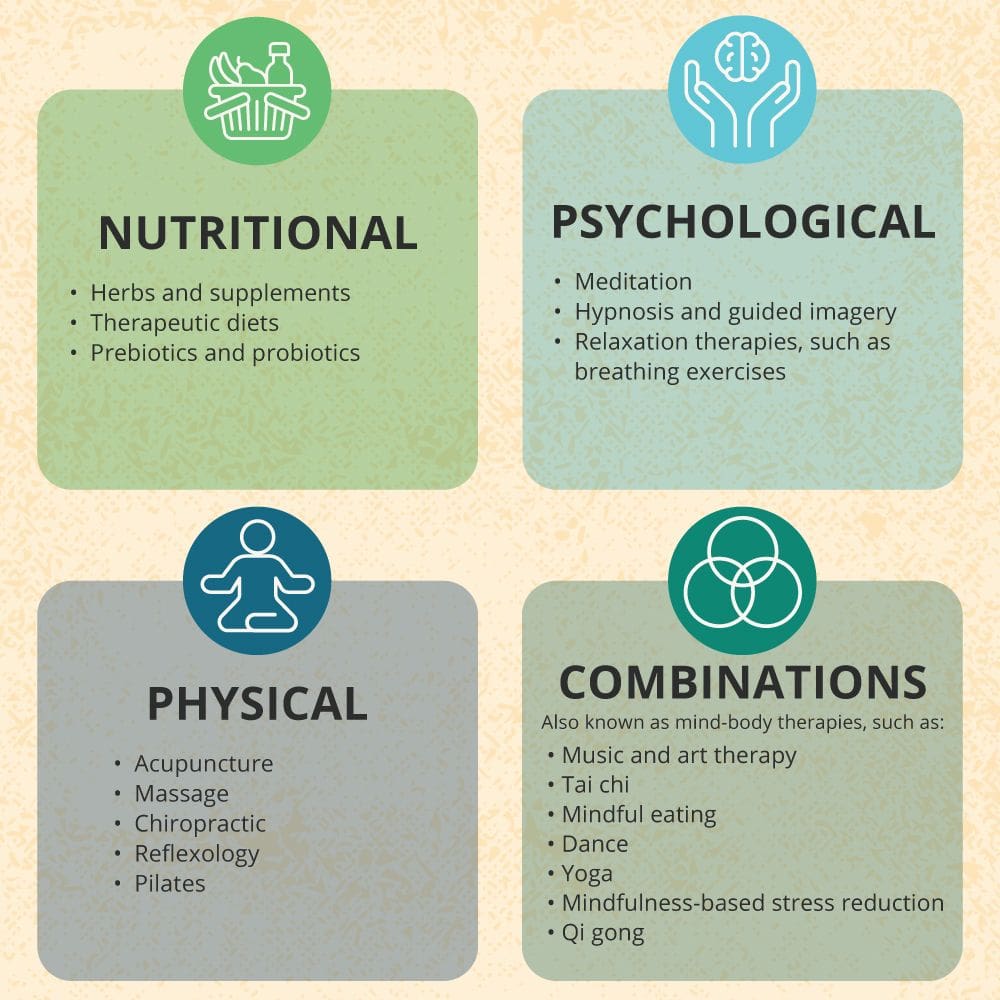
Popular Alternative Therapies for Healthy Aging
Acupuncture
Acupuncture is a traditional Chinese medicine practice that involves the insertion of thin needles into specific points on the body. It is believed to stimulate energy flow, or Qi, and promote healing. Acupuncture can be effective in alleviating pain, reducing inflammation, and improving overall well-being. As a safe and non-invasive therapy, it provides a natural and holistic approach to addressing various health concerns.
Aromatherapy
Aromatherapy harnesses the power of essential oils derived from plants to promote physical, emotional, and spiritual well-being. By inhaling or applying these oils topically, individuals can experience a range of benefits, including relaxation, stress reduction, improved mood, and enhanced cognitive function. Aromatherapy can be easily incorporated into daily routines through the use of essential oil diffusers, massage oils, or bath products.
Chiropractic care
Chiropractic care is a manual therapy that focuses on the diagnosis and treatment of musculoskeletal conditions, particularly of the spine. By utilizing spinal adjustments, joint manipulations, and other techniques, chiropractors aim to alleviate pain, improve joint function, and enhance overall physical well-being. Chiropractic care can be particularly beneficial for individuals experiencing chronic back or neck pain and is often used in conjunction with other holistic approaches.
Homeopathy
Homeopathy is a system of alternative medicine based on the principle of “like cures like.” It involves the use of highly diluted substances to stimulate the body’s innate healing abilities. Homeopathic remedies come in various forms, including tablets, liquids, or powders. By promoting individualized and holistic treatment, homeopathy aims to address the underlying causes of health concerns and restore balance in the body.
Holistic Approaches for Healthy Aging
Nutrition and dietary changes
Nutrition plays a critical role in healthy aging, and adopting a holistic approach to diet can have profound benefits. Choosing whole, nutrient-rich foods, and avoiding processed and sugary foods can support optimal physical and mental health. Additionally, incorporating specific dietary changes, such as increasing antioxidant-rich foods or incorporating anti-inflammatory spices, can help mitigate age-related illnesses and promote overall well-being.
Exercise and physical activity
Regular exercise and physical activity are crucial components of a holistic approach to healthy aging. Engaging in activities such as walking, swimming, yoga, or strength training can help maintain muscle mass, improve cardiovascular health, and enhance overall mobility. Exercise also releases endorphins, which promote feelings of happiness and well-being, contributing to both physical and mental health.
Stress management and relaxation techniques
Stress management is vital for healthy aging, as chronic stress can contribute to various health issues. Holistic approaches emphasize the importance of relaxation techniques such as deep breathing exercises, meditation, and mindfulness. These practices help reduce stress levels, promote emotional well-being, and improve overall resilience to life’s challenges.
Meditation and mindfulness
Meditation and mindfulness are practices that involve focusing attention on the present moment, cultivating awareness, and observing thoughts and emotions without judgment. These practices have been shown to reduce stress, improve concentration, and enhance overall well-being. By incorporating meditation and mindfulness into your daily routine, you can experience increased mental clarity, emotional balance, and a greater sense of overall contentment.
Choosing the Right Alternative Therapist or Practitioner
Researching credentials and qualifications
When considering alternative therapies, it is essential to research the credentials and qualifications of practitioners. Look for licensed or certified professionals with relevant training and experience in their respective fields. Consult reputable sources, such as professional organizations or regulatory bodies, to ensure that the therapist’s qualifications meet the necessary standards.
Seeking recommendations and referrals
Word-of-mouth recommendations from friends, family, or healthcare professionals can be invaluable when choosing an alternative therapist. Consider seeking referrals from individuals who have had positive experiences with the therapy you are interested in. Additionally, you can consult online review platforms or support groups to gather insights and feedback from others who have undergone similar treatments.
Interviewing potential practitioners
Before committing to a specific alternative therapist, schedule an initial consultation or interview. This allows you to ask questions, discuss your health concerns, and evaluate the practitioner’s approach, communication style, and overall compatibility. Consider factors such as the therapist’s empathy, listening skills, and willingness to collaborate in developing a personalized treatment plan.
Integrating Alternative Therapies and Holistic Approaches into Your Lifestyle
Creating a holistic wellness plan
Integrating alternative therapies and holistic approaches into your lifestyle requires developing a comprehensive and personalized wellness plan. Start by identifying your health goals and determining which therapies or approaches align with your needs and preferences. Consider consulting with healthcare professionals or holistic practitioners to help create a plan that addresses all aspects of your well-being.
Incorporating alternative therapies into your daily routine
To fully benefit from alternative therapies, it is essential to make them a consistent part of your daily routine. Create a schedule or set reminders to ensure regular practice or treatment sessions. Whether it’s setting aside time for meditation, scheduling acupuncture appointments, or incorporating aromatherapy into your self-care rituals, consistency is key to experiencing the full potential of these therapies.
Maintaining consistency and commitment
Maintaining consistency and commitment to alternative therapies and holistic approaches can yield the best results. While some therapies may offer immediate relief or noticeable changes, others may require long-term dedication to achieve desired outcomes. Stay committed to your wellness plan, be patient with the healing process, and keep track of your progress to stay motivated and continue experiencing the benefits of these approaches.
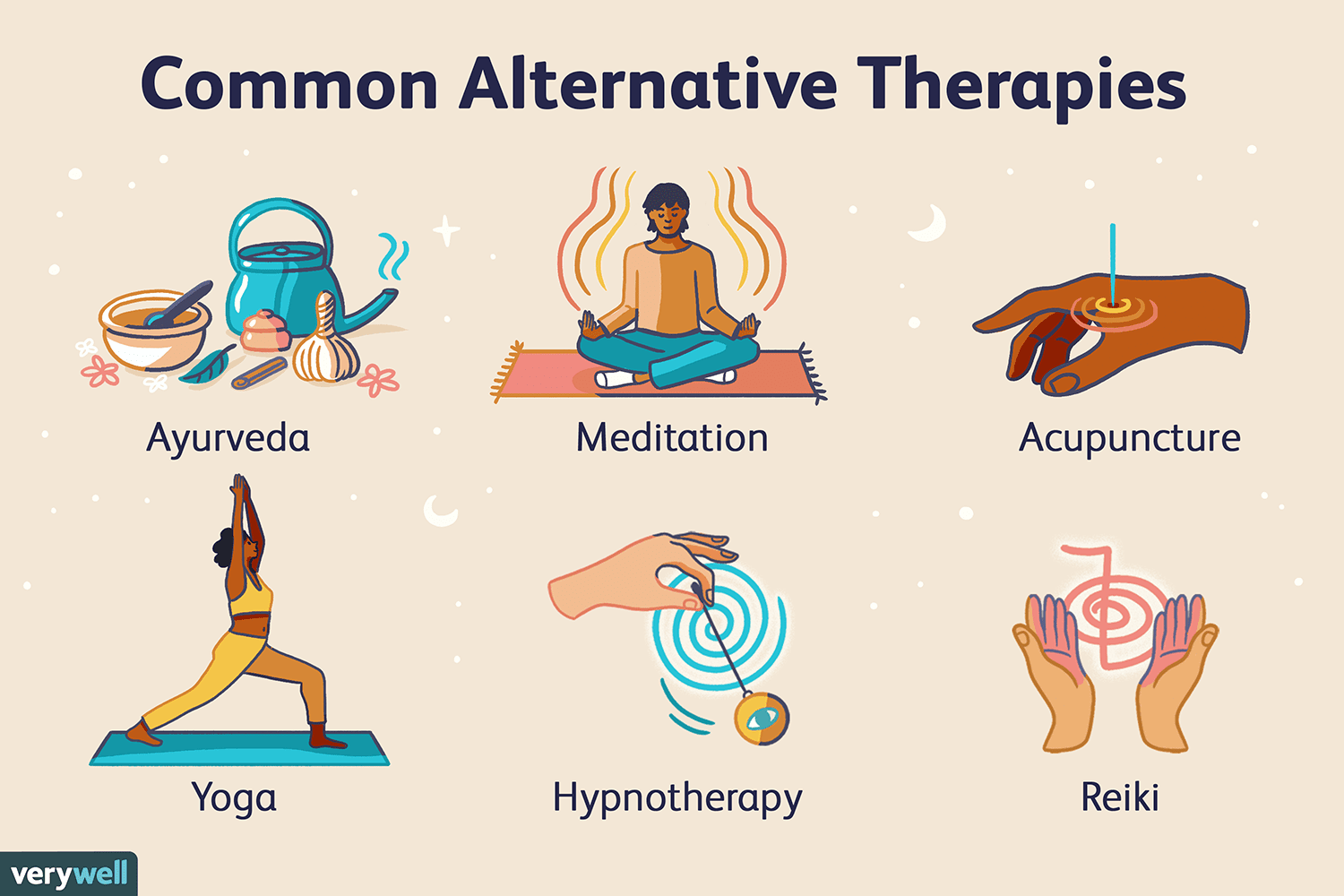
Common Misconceptions and Controversies Surrounding Alternative Therapies
Lack of scientific evidence and skepticism
One common misconception surrounding alternative therapies is the belief that they lack scientific evidence. While some therapies may have limited research or conflicting studies, many have shown promising results in improving health outcomes and well-being. It is important to acknowledge that the scientific community continuously evolves and that new evidence may emerge over time.
Potential risks and side effects
Like any form of medical intervention, alternative therapies carry the potential for risks and side effects. It is crucial to consult with qualified practitioners and disclose any existing medical conditions, medications, or allergies to ensure the safety and appropriateness of the therapy. Open communication and informed consent are essential for minimizing risks and optimizing the potential benefits of alternative therapies.
Legal and regulatory issues
Another controversy surrounding alternative therapies relates to legal and regulatory issues. The scope of practice, licensure, and regulation varies among different therapies and countries. It is important to be aware of the legal framework and regulations in your jurisdiction to protect yourself as a consumer. Seek practitioners who adhere to ethical guidelines and are compliant with local regulations.
Personal Experiences and Success Stories of Healthy Aging with Alternative Therapies
Testimonials from individuals who have benefited from alternative therapies
Countless individuals have shared their success stories and positive experiences with alternative therapies. Many have reported improvements in various aspects of their health, including pain reduction, enhanced well-being, and increased vitality. By exploring personal testimonials and stories, you can gain insights into how alternative therapies have positively impacted real people’s lives.
Case studies showcasing positive outcomes
Case studies provide a scientific perspective on the efficacy of alternative therapies. These studies often present in-depth analyses of individual cases, documenting the treatment process, outcomes, and overall impact on health and well-being. Reviewing such case studies can offer valuable insights into the potential benefits of alternative therapies and their effectiveness for specific conditions or concerns.
Precautions and Considerations when Exploring Alternative Therapies
Consultation with healthcare professionals
When considering alternative therapies, it is crucial to involve your primary healthcare provider. They can offer guidance and ensure that the chosen therapy aligns with your overall treatment plan and medical history. Open communication between your alternative therapist and healthcare professionals is essential to provide comprehensive care and monitor your progress effectively.
Awareness of contraindications and interactions with conventional treatments
Certain alternative therapies may have contraindications or interactions with conventional medical treatments or medications. It is important to inform your healthcare providers and alternative therapist about all medications, treatments, and ongoing health conditions to minimize potential risks and optimize the therapeutic outcomes. Maintaining open communication among all parties involved in your care is paramount to ensure safety and efficacy.
Financial considerations and insurance coverage
Alternative therapies are often not covered by traditional health insurance plans. It is important to consider the financial implications of these therapies and determine if they are a viable investment in your health and well-being. Explore alternative options such as health saving accounts, flexible spending accounts, or specialized insurance plans that may offer coverage or reimbursement for specific therapies.
Continuing Education and Resources for Alternative Therapies and Holistic Approaches
Books, websites, and online courses
There are numerous resources available to further your understanding and knowledge of alternative therapies and holistic approaches. Books, websites, and online courses provide valuable education, allowing you to deepen your understanding, explore new therapies, and stay up to date with the latest research in the field. Consult reputable sources and consider recommendations from trusted experts or practitioners.
Workshops, seminars, and conferences
Attending workshops, seminars, and conferences related to alternative therapies can provide valuable learning opportunities and exposure to new techniques and approaches. These events often feature renowned experts, practitioners, and researchers who share their knowledge and insights. Participating in these events allows you to connect with like-minded individuals and immerse yourself in a supportive and educational environment.
Professional organizations and certifications
Joining professional organizations relevant to the alternative therapy or holistic approach you are interested in can provide a wealth of resources and networking opportunities. These organizations often offer certifications, ongoing education, and forums to connect with practitioners and experts in the field. Embracing continued learning and professional development can enhance your understanding and competence in alternative therapies.
In conclusion, alternative therapies and holistic approaches offer a wide range of benefits for healthy aging. By integrating these practices into your lifestyle, you can promote physical health and vitality, support mental and emotional well-being, enhance spiritual growth, and improve overall quality of life. While it’s important to approach alternative therapies with open-mindedness and caution, personal testimonials and scientific evidence suggest that these approaches have the potential to positively impact your well-being as you age.