
In this article, you will discover a practical guide on advocating for an often overlooked topic: men’s reproductive health rights. As society continues to evolve, it is crucial to recognize the importance of ensuring equitable access and support for both men and women in matters of reproductive health. By understanding the unique challenges men may face in this realm and learning effective ways to advocate for their rights, you can contribute to creating a more inclusive and supportive environment for all individuals. Whether you are a concerned citizen, a healthcare professional, or someone personally impacted, this article will provide valuable insights and practical tips to help you become an advocate for men’s reproductive health rights.
Understanding Men’s Reproductive Health Rights
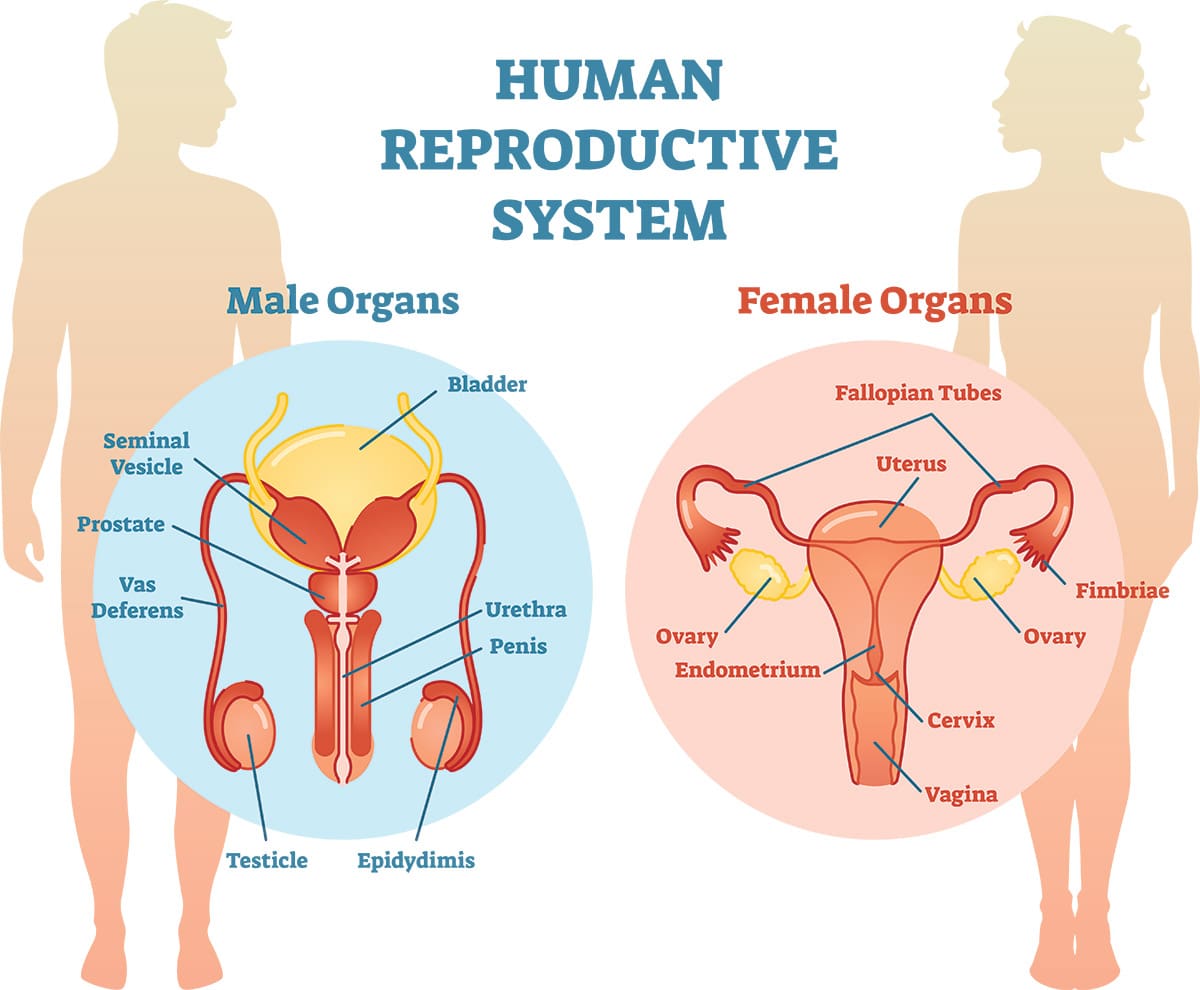
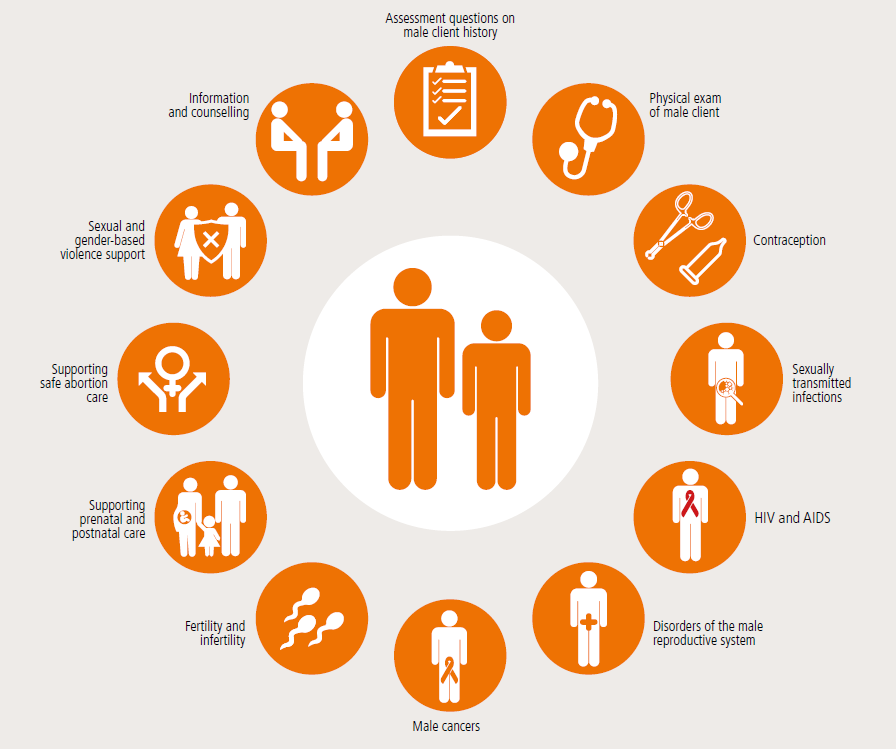
Men’s reproductive health rights encompass the rights of men to access and receive comprehensive and unbiased healthcare services related to their reproductive health. This includes issues such as family planning, contraception, sexually transmitted infections (STIs), fertility, and reproductive cancers. Understanding and advocating for men’s reproductive health rights is crucial to ensure equal access to healthcare for all genders and address the current gaps that exist in this area.
The Importance of Advocating for Men’s Reproductive Health Rights
Advocating for men’s reproductive health rights is crucial for several reasons. Firstly, it promotes gender equality by recognizing that reproductive health is not solely a women’s issue. Men also have rights and responsibilities when it comes to their reproductive health. Secondly, it contributes to overall well-being by addressing and preventing reproductive health issues that can have long-term physical and emotional consequences. By raising awareness and advocating for men’s reproductive health rights, we can improve healthcare outcomes and quality of life for men.
Exploring the Current Gaps in Men’s Reproductive Health Rights
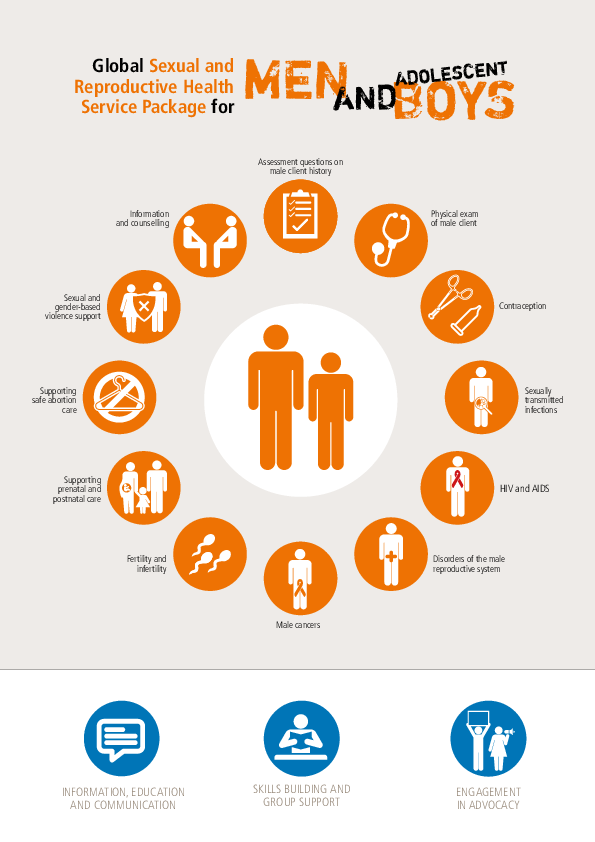
While progress has been made in recent years, there are still significant gaps in men’s reproductive health rights. One of the main gaps lies in the limited availability and accessibility of reproductive healthcare services specifically tailored to men’s needs. This includes a lack of information and resources regarding male contraceptives, male reproductive cancers, and male-specific STI prevention and treatment options. Additionally, cultural and societal norms may contribute to the neglect of men’s reproductive health rights, with a focus on women’s reproductive health often taking precedence. It is crucial to bridge these gaps and ensure equal and comprehensive reproductive healthcare for all.
Examining the Societal Factors that Contribute to the Neglect of Men’s Reproductive Health Rights
Various societal factors contribute to the neglect of men’s reproductive health rights. Traditional gender roles and stereotypes often perpetuate the idea that men are solely responsible for impregnating a partner and have limited involvement in reproductive health decisions. This narrow viewpoint not only limits men’s access to healthcare services but also hinders progress in research and funding dedicated to men’s reproductive health. Stigma surrounding men seeking reproductive health services further exacerbates the issue. By examining and challenging these societal factors, we can promote a more inclusive and equitable approach to men’s reproductive health.
Educating Yourself and Others
To effectively advocate for men’s reproductive health rights, it is essential to educate yourself and others about the specific issues faced by men in reproductive health. Researching and staying informed about the latest developments, studies, and legislation is a crucial first step. This knowledge equips you with the necessary information to engage in meaningful conversations and raise awareness about men’s reproductive health. By understanding the unique challenges men face, such as the limited range of contraceptive options or the lack of screening programs for male reproductive cancers, you can amplify the importance of advocating for these rights.
Sharing your knowledge with others is another vital aspect of advocacy. By initiating conversations, participating in workshops, or even writing articles about men’s reproductive health rights, you can raise awareness and encourage dialogue. Friends, family, colleagues, and the wider community can benefit from learning about this often-overlooked area of healthcare. By breaking the silence and providing accurate information, you contribute to creating a more informed and supportive environment for men seeking reproductive healthcare services.
Building Support and Allies
Advocating for men’s reproductive health rights requires building a strong support network and forming alliances with like-minded individuals and organizations. By forming or joining advocacy groups focused on men’s reproductive health rights, you can collaborate with others who share your passion for this cause. These groups provide a platform to amplify your collective voices, organize campaigns, and push for policy changes.
Additionally, collaborating with other organizations and initiatives that focus on reproductive health can provide valuable insights and resources. Women’s reproductive health organizations, for example, often have longstanding experience and expertise in advocating for reproductive rights and can offer guidance and support. Working together in a unified front ensures a more comprehensive approach to reproductive health advocacy.
Reaching out to influencers, policymakers, and healthcare professionals is also a crucial step in building support. Influencers have the power to reach large audiences and can help raise awareness about men’s reproductive health rights. By engaging them in conversations and collaborating on initiatives, you can leverage their platform to amplify your advocacy efforts. Policymakers play a significant role in making legislative changes, so it is essential to communicate your concerns and recommendations to them. Healthcare professionals, on the other hand, can benefit from your insights and knowledge, enabling them to provide more holistic and inclusive care to their male patients.
Engaging in Legislative Advocacy
Legislative advocacy plays a vital role in shaping policies and laws that impact men’s reproductive health rights. It is essential to identify relevant legislation and policies that pertain to men’s reproductive health and understand their implications. By understanding the existing legal framework, you can identify areas that need improvement and make targeted advocacy efforts.
Writing letters, making calls, or even meeting with elected officials are effective ways to express concerns and advocate for change. Personal stories, backed by facts and research, can be powerful tools in conveying the importance of men’s reproductive health rights. By engaging in direct communication with policymakers, you can influence their decision-making process and highlight the need for legislative advancements in this area.
Supporting organizations that work towards legislative advancements is another impactful way to advocate for men’s reproductive health rights. Donating to these organizations or volunteering your time and expertise can contribute to their efforts, allowing them to continue fighting for improved policies and laws. By collaborating and pooling resources, organizations can have a stronger and more far-reaching impact on legislative changes.
Promoting Inclusive Health Services
Promoting inclusive health services is crucial to ensuring that men’s reproductive health needs are met. Encouraging healthcare providers to prioritize men’s reproductive health is an essential step towards achieving this goal. By engaging in conversations, hosting workshops, or providing resources to healthcare professionals, you can promote awareness and education about the specific needs of men in reproductive health. This, in turn, can lead to improved training, more comprehensive care, and increased access to services.
Addressing the stigma surrounding men seeking reproductive health services is another important aspect of promoting inclusive health services. Society often associates reproductive healthcare with women, and this bias can deter men from seeking the care they need. By challenging and debunking these stereotypes, we can create an environment where men feel comfortable and supported in seeking reproductive healthcare. Open discussions, public campaigns, and media representation can help in dismantling the stigma and ensuring equal access for all.
Advocating for comprehensive insurance coverage for men’s reproductive health needs is also crucial. Insurance coverage plays a significant role in determining access to healthcare services. By advocating for inclusive policies that cover contraceptive methods, fertility treatments, and reproductive cancer screenings for men, we can ensure that financial barriers do not impede access to vital reproductive healthcare.
Supporting Research and Funding
Supporting research and funding is essential to advance knowledge and understanding of men’s reproductive health. Donating to organizations and initiatives focused on men’s reproductive health research allows for the exploration and development of new treatments, interventions, and preventive measures. By contributing to research funding, you play a direct role in improving the quality of care and outcomes for men.
Participating in clinical trials and studies related to men’s reproductive health is another way to support research efforts. These studies often require participants, and by volunteering your time and experiences, you can contribute to the development of evidence-based practices. Your participation can pave the way for advancements in treatment options and shape future healthcare guidelines.
Encouraging both governmental and private funding for men’s reproductive health research is crucial for sustained progress in this field. Engaging with policymakers, writing letters of support, and raising awareness about the importance of research funding can help secure resources necessary for advancements within the male reproductive health sphere.
Raising Awareness through Media and Communication
Media and communication play a significant role in raising awareness about men’s reproductive health rights. Using social media platforms to share information and personal stories can reach a wide audience and spark important conversations. By utilizing hashtags, engaging with influencers, and sharing reputable resources, you contribute to breaking the silence surrounding men’s reproductive health.
Writing articles or blog posts about men’s reproductive health rights is another effective way to communicate your advocacy message. By sharing accurate and well-researched information, you can contribute to public discourse and educate others about the importance of men’s reproductive health. Additionally, collaborating with journalists or media outlets to cover these issues can help amplify the message to an even broader audience.
Organizing events and campaigns is a powerful way to promote awareness of men’s reproductive health rights on a larger scale. Whether it’s hosting panel discussions, workshops, or community outreach programs, these initiatives bring people together, foster dialogue, and create spaces for knowledge exchange. Engaging the media to cover these events can further extend their reach and impact, generating public interest and support.
Addressing Mental Health and Emotional Support
Reproductive health issues can have a significant psychological impact on men, and it is crucial to address mental health and emotional support as part of men’s reproductive health advocacy. Recognizing the psychological consequences of reproductive health issues, such as infertility, can help prompt necessary conversations and promote pathways to support.
Promoting access to counseling and support groups specifically tailored to men’s reproductive health is essential. These spaces provide individuals with the opportunity to share their experiences, seek guidance, and find solace in knowing they are not alone. By connecting men to the resources they need, we can ensure that their mental health and emotional well-being are addressed alongside their physical reproductive health needs.
Advocating for inclusive and compassionate healthcare practices is another critical element of addressing mental health and emotional support. By encouraging healthcare providers to adopt a holistic approach and consider the emotional impact of reproductive health issues, we can ensure that men receive the support they need throughout their healthcare journey.
Fostering Partnerships with Women’s Reproductive Health Advocates
Fostering partnerships with women’s reproductive health advocates is an important strategy in advancing men’s reproductive health rights. Collaborating with women’s reproductive health organizations allows for shared advocacy efforts, amplifying the message and the impact. Recognizing the interconnectedness of reproductive health rights for all genders promotes a more inclusive and comprehensive approach to reproductive healthcare.
Supporting women’s reproductive health rights should also be an integral part of overall reproductive health advocacy. By acknowledging the struggle for gender equality in reproductive health and actively supporting initiatives to improve women’s access to care, we foster a united front for reproductive rights. Recognizing that both women and men should have equal control and access to reproductive healthcare creates a stronger advocacy movement that can drive lasting change.
Celebrating Progress and Pushing for Further Change
Acknowledging and sharing success stories in men’s reproductive health rights advocacy is essential for celebrating progress and inspiring further change. By highlighting the positive impact of advocacy efforts, we motivate and encourage others to join the movement. Sharing success stories also provides hope and reassurance to individuals who may be facing reproductive health challenges.
While celebrating progress, it is crucial to remain committed to ongoing improvements and advancements. Men’s reproductive health rights still face many obstacles, and it is important to continue advocating for change. Engaging in ongoing dialogue and evaluation of the movement ensures that strategies remain effective, and new approaches can be explored.
In conclusion, advocating for men’s reproductive health rights is a crucial step towards achieving gender equality and ensuring comprehensive healthcare for all. By educating ourselves and others, building support and allies, engaging in legislative advocacy, promoting inclusive health services, supporting research and funding, raising awareness through media and communication, addressing mental health and emotional support, fostering partnerships with women’s reproductive health advocates, and celebrating progress while pushing for further change, we can drive meaningful impact and transform the landscape of men’s reproductive health. Together, we can create a future where men’s reproductive health is prioritized and equal rights are upheld for all genders.