
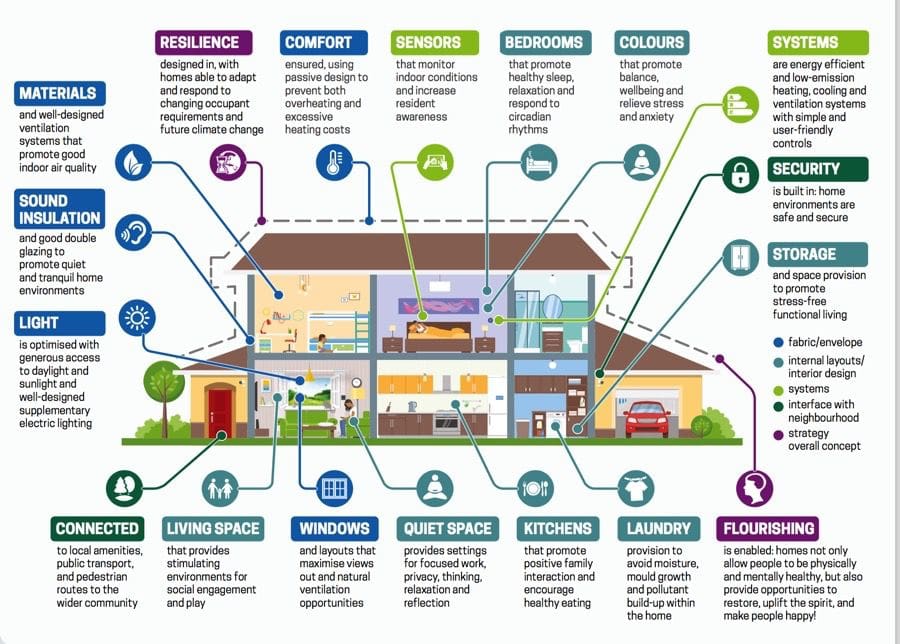
Creating a healthy home environment is essential for your overall well-being, and taking a holistic approach can offer numerous benefits. By considering the interconnectedness of various aspects of your living space, such as air quality, natural lighting, and the use of eco-friendly materials, you can create a nurturing and harmonious atmosphere that promotes physical and mental health. This article explores the importance of holistic approaches to creating a healthy home environment and provides practical tips to help you transform your living space into a sanctuary for optimal well-being.
Green Cleaning Products
Switching to Natural Cleaning Products
When it comes to maintaining a clean and healthy home, many people turn to harsh chemical cleaning products. However, these conventional cleaners may contain toxins and chemicals that can be harmful to your health and the environment. Making the switch to natural cleaning products is a simple and effective way to create a healthier home environment. Natural cleaning products are made from non-toxic ingredients, such as plant-based oils and extracts, and are free from harmful chemicals like ammonia and chlorine. By using natural cleaning products, you can ensure that your home stays clean and safe without compromising your health.
Making Your Own Cleaning Solutions
Another great way to embrace green cleaning is by making your own cleaning solutions. By using common household ingredients like vinegar, baking soda, and lemon juice, you can create effective and non-toxic cleaners for every area of your home. For example, mixing equal parts of vinegar and water can create a powerful all-purpose cleaner, while sprinkling baking soda can help remove tough stains and odors. Making your own cleaning solutions not only saves you money, but it also gives you control over the ingredients used in your cleaners.
Using Essential Oils as Natural Cleaners
Essential oils are not only known for their aromatic properties but also for their natural cleaning abilities. Many essential oils, such as lemon, tea tree, and lavender, have powerful antimicrobial properties that can help kill germs and bacteria around your home. By adding a few drops of essential oil to your homemade cleaning solutions, you can enhance their cleaning power and leave your home smelling fresh and natural. Additionally, essential oils have mood-boosting benefits and can create a calming and relaxing atmosphere in your home while you clean.
Air Quality Improvement
Ensuring Proper Ventilation
One of the easiest and most effective ways to improve indoor air quality is by ensuring proper ventilation throughout your home. Proper ventilation helps to remove stale air and replaces it with fresh air from outside. To improve ventilation, open windows and doors regularly to allow for airflow. You can also use exhaust fans in areas with high humidity, such as the bathroom or kitchen. By allowing fresh air to circulate, you can reduce the concentration of air pollutants and create a healthier living environment.
Using Houseplants to Purify the Air
Houseplants not only add beauty to your home but also act as natural air purifiers. Certain plants, such as spider plants, peace lilies, and snake plants, have the ability to absorb harmful toxins from the air, helping to improve indoor air quality. These plants can remove common household toxins such as formaldehyde, benzene, and trichloroethylene. By incorporating houseplants into your home decor, you can create a healthier and more oxygen-rich environment for you and your family.
Eliminating Indoor Air Pollutants
Indoor air pollutants can have a significant impact on your health and wellbeing. Common sources of indoor air pollutants include tobacco smoke, cleaning products, and materials used in home construction. To reduce indoor air pollutants, try to minimize smoking indoors and opt for natural and non-toxic cleaning products. Additionally, be mindful of the materials used in your home by choosing low-VOC paints, furniture with low emissions, and avoiding synthetic materials. Eliminating indoor air pollutants will greatly contribute to a healthier living environment.
Reducing Electromagnetic Radiation
Limiting Exposure to EMFs
Electromagnetic fields (EMFs) are invisible but ever-present in our modern lives. They are emitted from various electronic devices, such as cell phones, laptops, and Wi-Fi routers. Excessive exposure to EMFs has been linked to various health concerns, including headaches, fatigue, and disrupted sleep patterns. To reduce your exposure to EMFs, limit the use of electronic devices, especially in the bedroom. Avoid placing electronic devices close to your body whenever possible, and consider using wired devices instead of wireless ones.
Using EMF-blocking Devices
If reducing your exposure to EMFs is a top priority, you can consider using EMF-blocking devices. These devices are designed to absorb or deflect EMFs, reducing their impact on your body. EMF-blocking phone cases, laptop shields, and EMF-blocking fabrics are just a few examples of products available on the market. While the scientific evidence on the effectiveness of these devices is still debated, many people find peace of mind by using them to minimize their exposure to EMFs.
Creating EMF-free Zones
To further reduce your exposure to EMFs, you can create EMF-free zones within your home. These are designated areas where you limit the use of electronic devices and minimize exposure to EMFs. For example, you can make your bedroom an EMF-free zone by keeping electronic devices out of the room and opting for a wired internet connection instead of Wi-Fi. Creating EMF-free zones allows your body to have moments of respite from constant exposure to electromagnetic radiation, promoting overall health and wellbeing.
Natural Pest Control
Using Non-Toxic Methods to Prevent Pests
Dealing with pests can be a hassle, but using toxic chemicals to eliminate them can pose risks to your health and the environment. Instead, opt for non-toxic methods to prevent pests from entering your home. Seal cracks and openings in your home’s exterior to prevent insects from sneaking inside. Use natural pest deterrents like lavender, mint, or essential oils to repel pests, and try diatomaceous earth, a natural powder, to control crawling insects like ants and cockroaches. By taking a non-toxic approach to pest control, you can keep unwanted pests at bay without compromising your health or the planet.
Attracting Beneficial Insects
Not all insects are pests; some can actually help control pests naturally. By attracting beneficial insects to your garden, you can create a balanced ecosystem that naturally regulates pest populations. Planting flowers like marigolds, lavender, and sunflowers can attract beneficial insects such as ladybugs and lacewings, which feed on aphids and other garden pests. Avoid using pesticides that harm beneficial insects, and provide food and habitat for these insects to thrive. By promoting a diverse and insect-friendly environment, you can reduce the need for chemical pesticides and support a healthier ecosystem.
Maintaining a Clean and Clutter-Free Home
Keeping your home clean and clutter-free is another important aspect of natural pest control. Pests are often attracted to food crumbs, spills, and areas of clutter where they can hide. By regularly cleaning and vacuuming your home, you can eliminate potential food sources for pests and reduce their habitat. Pay attention to areas like kitchens and pet feeding areas, as these are common hotspots for pests. Additionally, decluttering your home can remove hiding places for pests and make it easier to spot signs of an infestation early on.
Water Filtration Systems
Investing in a Whole House Water Filtration System
The quality of the water you use in your home can have a significant impact on your health. Municipal tap water often contains impurities like chlorine, heavy metals, and pesticides that can affect the taste and quality of the water. Investing in a whole house water filtration system can provide you with clean and safe water for every tap in your home. These filtration systems remove impurities and contaminants, ensuring that you have access to high-quality water for drinking, cooking, and bathing.
Installing a Faucet Water Filter
If a whole house water filtration system is not feasible for you, installing a faucet water filter is a great alternative. These filters attach directly to your kitchen sink and provide clean and filtered water for drinking and cooking. Faucet water filters use activated carbon or other filtering methods to remove impurities, such as chlorine, lead, and sediment. By using a faucet water filter, you can easily access clean and great-tasting water without the need for bottled water or expensive filtration systems.
Using Shower Filters
In addition to filtering your drinking water, it’s important to consider the quality of the water you use for showering. Chlorine and other chemicals present in tap water can be absorbed through the skin and can cause dryness, irritation, and even hair damage. Installing a shower filter can help remove these impurities, providing you with healthier water for bathing. Shower filters can reduce chlorine, heavy metals, and other contaminants, leading to softer hair, smoother skin, and better overall health.
Reducing Chemical Exposure
Choosing Non-Toxic Building Materials
When building or renovating your home, choosing non-toxic building materials is crucial for creating a healthy living space. Many conventional building materials, such as certain types of carpet, paint, and insulation, can release harmful volatile organic compounds (VOCs) into the air. These VOCs can contribute to poor indoor air quality and cause health issues. Opt for non-toxic alternatives, such as natural fiber carpeting, low-VOC paints, and eco-friendly insulation materials. By selecting non-toxic building materials, you can create a healthier and safer home environment for you and your family.
Opting for Low-VOC Paints
Painting your walls is a quick and cost-effective way to freshen up your space. However, conventional paints often contain VOCs that can release harmful fumes into the air, known as off-gassing. To avoid these potential health hazards, opt for low-VOC or zero-VOC paints. These paints are formulated with fewer or no VOCs, reducing the impact on indoor air quality. Low-VOC paints are widely available in various colors and finishes, allowing you to create your desired look without compromising your health.
Avoiding Synthetic Fabrics and Furnishings
The fabrics and furnishings in your home can also contribute to chemical exposure. Synthetic fabrics, such as polyester and nylon, are often treated with chemicals like flame retardants and stain-resistant treatments that can off-gas toxins into the air. Avoiding synthetic fabrics and opting for natural materials like cotton, linen, or wool can reduce chemical exposure in your home. Additionally, choose furniture made from solid wood or certified sustainable materials to minimize the use of toxic adhesives and finishes.
Natural Light Optimization
Maximizing Natural Light Sources
One of the simplest and most effective ways to create a healthy home environment is by maximizing natural light sources. Natural light not only enhances the aesthetics of your space but also provides numerous health benefits. Exposure to natural light helps regulate your circadian rhythm, improves mood, and boosts vitamin D production. To maximize natural light, keep curtains and blinds open during the day, place furniture away from windows, and consider installing skylights or light tubes to bring in more natural light.
Using Light-Reflective Paints and Surfaces
To further optimize natural light in your home, consider using light-reflective paints and surfaces. Light-reflective paints have a higher light-reflectance value (LRV), which means they bounce more light back into the room, making it appear brighter. Light-colored furniture, mirrors, and shiny surfaces can also help reflect and distribute natural light. By choosing light-reflective paints and surfaces, you can make the most of natural light and create a brighter and more inviting living space.
Positioning Furniture Strategically
The placement of your furniture can also impact the amount of natural light that enters your home. Avoid blocking windows with large or heavy furniture pieces that obstruct the flow of light. Instead, position furniture strategically to allow for optimal light penetration. Place furniture along the perimeter of the room, leaving the center open for light to reach all corners. By optimizing the placement of your furniture, you can ensure that natural light is evenly distributed throughout your home.
Creating a Relaxing Space
Incorporating Indoor Plants and Greenery
Creating a relaxing space in your home is essential for your overall well-being. Indoor plants and greenery not only add beauty to your space but also provide numerous health benefits. Plants release oxygen, improve air quality, and have a calming effect on the mind and body. Incorporate a variety of indoor plants, such as peace lilies, pothos, or ferns, to create a soothing and natural atmosphere. Place plants in rooms where you spend the most time, such as the living room or bedroom, to enhance relaxation and promote a sense of tranquility.
Adding Feng Shui Elements
Feng Shui is an ancient Chinese practice that focuses on creating harmony and balance in living spaces. Incorporating Feng Shui elements in your home can contribute to a more relaxing and harmonious environment. Arrange furniture and decor according to the principles of Feng Shui, such as using a natural color palette, decluttering and organizing your space, and incorporating elements of nature like water or wind chimes. By aligning your home with Feng Shui principles, you can create a space that promotes relaxation, positive energy, and overall well-being.
Using Aromatherapy and Essential Oils
Aromatherapy is the use of essential oils for their therapeutic properties. Essential oils can be used to create a relaxing and inviting atmosphere in your home. Lavender, chamomile, and ylang-ylang are just a few examples of essential oils that have calming and stress-relieving properties. Diffusing essential oils, using them in homemade room sprays, or adding them to baths can help create a soothing environment and enhance relaxation. By incorporating aromatherapy and essential oils into your daily routine, you can create a peaceful and rejuvenating space for yourself and your loved ones.
Reducing Noise Pollution
Soundproofing Walls and Windows
Noise pollution can negatively impact your health and well-being. Excessive and prolonged exposure to noise can lead to stress, sleep disturbances, and reduced cognitive function. To reduce noise pollution in your home, consider soundproofing your walls and windows. Adding insulation materials to walls, installing double-glazed windows, or using soundproof curtains can help block outside noise and create a quieter living environment. By minimizing noise pollution, you can create a peaceful and more restful space for relaxation and rejuvenation.
Using White Noise Machines or Fans
If you live in a noisy neighborhood or have trouble falling asleep due to external sounds, using white noise machines or fans can be a beneficial solution. White noise machines emit a soothing sound that masks other background noises, helping to create a more peaceful and calming environment. Fans can also serve a similar purpose, providing a gentle and consistent sound that helps mask other noises. By using white noise machines or fans, you can drown out unwanted sounds and create a more serene atmosphere in your home.
Strategic Furniture Placement
The way you arrange your furniture can also contribute to reducing noise pollution. Positioning heavy furniture, such as bookshelves or cabinets, against walls shared with noisy neighbors can help absorb and dampen sound vibrations. Placing rugs and carpets on hard flooring surfaces can also help reduce sound reflection and echo in a room. By strategically placing furniture and employing sound-absorbing materials, you can minimize the transmission of noise and create a quieter living space.
Encouraging Mindful Living
Practicing Mindfulness and Meditation
Mindfulness and meditation are practices that promote a deeper connection to the present moment and enhance overall well-being. Incorporating mindfulness and meditation into your daily routine can help reduce stress, improve mental clarity, and increase emotional resilience. Create a dedicated space in your home for mindfulness and meditation practice. It can be a simple corner with a comfortable cushion, soft lighting, and calming elements like plants or candles. By setting aside time for mindfulness and meditation, you can foster a sense of inner peace and balance in your home.
Creating Quiet Spaces for Reflection
In addition to practicing mindfulness and meditation, it’s important to create quiet spaces within your home that promote reflection and relaxation. These spaces can be designed for quiet activities such as reading, journaling, or simply sitting in stillness. Choose a room or area in your home that is free from distractions and clutter, and fill it with comfortable seating, soft lighting, and calming decor. By having a dedicated quiet space, you can retreat and recharge whenever you need a break from the noise and busyness of daily life.
Using Relaxing Colors and Decor
The colors and decor in your home can greatly influence your mood and overall well-being. Incorporating relaxing colors like blues, greens, and neutrals can create a soothing and calming atmosphere. Soft and natural materials like cotton or wool can enhance the cozy and calming feeling of a space. Decorate your home with artwork, photos, or objects that evoke positive emotions and reflect your personal style. By choosing relaxing colors and decor, you can create a nurturing and welcoming environment that supports mindful living.
Creating a healthy home environment is crucial for your well-being and overall quality of life. By embracing holistic approaches and implementing the tips and strategies mentioned above, you can transform your home into a sanctuary that promotes physical, mental, and emotional wellness. From using natural cleaning products to reducing noise pollution and practicing mindfulness, every small step towards a healthy home environment makes a positive impact on your health and the environment. Start incorporating these holistic approaches today and enjoy the benefits of a healthier and happier home.