
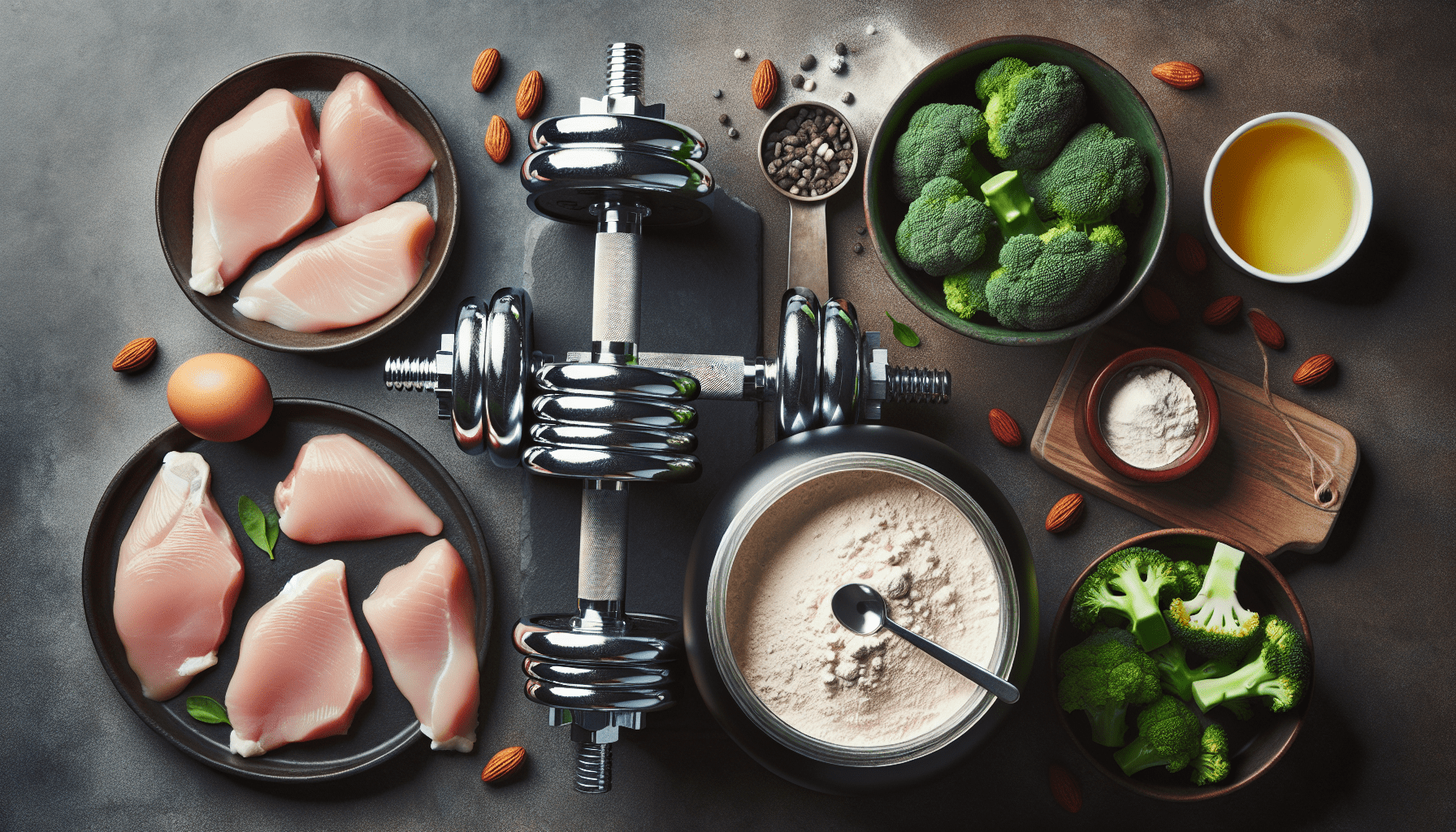
Welcome to the Beginner’s Guide to Building Muscle and Strength for Men! In this article, you will learn the basics of strength training, muscle building, and proper nutrition to help you achieve your fitness goals. Whether you are just starting out on your fitness journey or looking to take your workouts to the next level, this guide will provide you with essential tips and techniques to help you build muscle, increase strength, and improve your overall health and well-being. So grab your dumbbells and get ready to transform your body and feel stronger than ever before!
Have you ever wanted to increase your muscle mass and strength but weren’t sure where to start? Building muscle and strength can seem overwhelming at first, but with the right guidance and knowledge, you can achieve your fitness goals. In this beginner’s guide, we will walk you through the steps to help you build muscle and strength effectively and safely.
Understanding Muscle Building
Before diving into the nitty-gritty of building muscle and strength, it’s essential to understand the basics of how muscle growth occurs. When you engage in resistance training, such as weightlifting, you create microscopic tears in your muscle fibers. These tears then repair and grow back stronger and larger, leading to muscle hypertrophy. This process requires adequate nutrition, rest, and recovery to maximize muscle growth.
How Muscles Grow
Muscle growth, also known as hypertrophy, occurs in two primary ways: myofibrillar hypertrophy and sarcoplasmic hypertrophy. Myofibrillar hypertrophy involves an increase in the size and strength of muscle fibers, while sarcoplasmic hypertrophy focuses on increasing the volume of fluid and energy substrates within the muscle cell. Both types of hypertrophy play a role in muscle growth and strength development.
Understanding how muscles grow can help you tailor your training program to target specific muscle fibers and achieve your desired results effectively.
Setting Realistic Goals
Setting realistic goals is crucial when embarking on a muscle-building journey. It’s essential to establish achievable objectives that align with your fitness level, lifestyle, and commitment to training. Whether your goal is to gain a certain amount of muscle mass, increase your strength, or enhance your overall physique, having clear and attainable goals will help you stay motivated and focused throughout your fitness journey.
SMART Goals
When setting goals for muscle building and strength training, it’s helpful to follow the SMART criteria:
- Specific: Clearly define what you want to achieve.
- Measurable: Set quantifiable metrics to track your progress.
- Achievable: Ensure your goals are realistic and within reach.
- Relevant: Align your goals with your fitness aspirations and values.
- Time-bound: Establish a deadline or timeline to achieve your goals.
By creating SMART goals, you can stay organized and motivated on your path to building muscle and strength effectively.

Designing Your Workout Routine
Creating a well-structured workout routine is essential for maximizing muscle growth and strength development. Your training program should include a combination of resistance training, cardiovascular exercise, and flexibility work to achieve a balanced fitness regimen. When designing your workout routine, consider your fitness goals, experience level, time availability, and preferences to tailor a program that suits your needs.
Resistance Training
Resistance training, such as weightlifting, is a fundamental component of any muscle-building program. When performing resistance exercises, focus on compound movements that target multiple muscle groups simultaneously, such as squats, deadlifts, bench presses, and rows. Incorporating a variety of exercises that work different muscle groups will help ensure balanced muscle development and prevent muscular imbalances.
Cardiovascular Exercise
While resistance training is essential for building muscle and strength, cardiovascular exercise also plays a vital role in overall fitness and health. Incorporating cardiovascular activities, such as running, cycling, swimming, or HIIT workouts, can improve your cardiovascular endurance, aid in fat loss, and support recovery between resistance training sessions. Aim to include a mix of both resistance and cardiovascular exercise in your workout routine for optimal results.
Flexibility and Mobility Work
In addition to resistance and cardiovascular training, don’t forget to prioritize flexibility and mobility work in your routine. Stretching exercises, yoga, and mobility drills can help improve your joint range of motion, reduce the risk of injury, and enhance overall performance in your workouts. Incorporating flexibility and mobility work can also aid in recovery, reduce muscle soreness, and promote better muscle function.
Nutrition for Muscle Growth
Proper nutrition plays a significant role in supporting muscle growth and strength development. To achieve optimal results from your training program, you must fuel your body with the right nutrients at the right times. A well-balanced diet rich in protein, carbohydrates, healthy fats, vitamins, and minerals is essential for providing energy, promoting muscle recovery, and facilitating muscle growth.
Protein
Protein is often referred to as the building block of muscle and is essential for muscle repair and growth. To maximize muscle protein synthesis, aim to consume an adequate amount of protein from high-quality sources, such as lean meats, poultry, fish, eggs, dairy, legumes, and plant-based proteins. Depending on your fitness goals and activity level, a general recommendation is to consume 0.8-1 gram of protein per pound of body weight per day.
Carbohydrates
Carbohydrates are the primary energy source for your muscles during exercise and play a critical role in replenishing muscle glycogen stores post-workout. Consuming an adequate amount of carbohydrates before and after your workouts can help fuel your training sessions, support recovery, and optimize muscle growth. Focus on consuming complex carbohydrates, such as whole grains, fruits, vegetables, and legumes, for sustained energy and nutrient-dense fuel.
Healthy Fats
Healthy fats are essential for hormone production, joint health, and overall well-being. Including sources of healthy fats, such as avocados, nuts, seeds, olive oil, and fatty fish, in your diet can help support muscle growth, reduce inflammation, and improve overall body composition. Aim to incorporate a balance of unsaturated fats into your meals to promote optimal health and performance.
Hydration
Staying hydrated is crucial for maintaining optimal performance, supporting muscle function, and aiding in recovery. Dehydration can negatively impact your training sessions, energy levels, and overall health, so it’s essential to drink an adequate amount of water throughout the day. Aim to consume at least eight 8-ounce glasses of water per day, and adjust your intake based on your activity level, climate, and sweat rate.

Rest and Recovery
Rest and recovery are often overlooked aspects of muscle building and strength training, but they are essential for achieving optimal results. Your muscles need time to repair and grow stronger after intense workouts, so adequate rest, sleep, and recovery strategies are crucial for preventing burnout, injury, and overtraining. Implementing effective rest and recovery practices into your routine can help maximize muscle growth, performance, and overall well-being.
Sleep
Quality sleep is vital for muscle recovery, hormone regulation, and overall health. Aim to get 7-9 hours of uninterrupted sleep per night to support muscle growth, repair tissue, and recharge your body for the next day. Creating a bedtime routine, optimizing your sleep environment, and prioritizing rest can help improve your recovery, performance, and overall fitness progress.
Active Recovery
In addition to adequate sleep, incorporating active recovery strategies can help enhance muscle repair, reduce soreness, and improve mobility. Activities such as walking, yoga, foam rolling, and light stretching can promote blood flow, flush out metabolic waste, and support overall recovery between intense training sessions. By incorporating active recovery into your routine, you can help prevent overtraining, promote recovery, and maintain optimal performance.
Tracking Progress
Tracking your progress is essential for monitoring your muscle-building journey, assessing your results, and adjusting your training program as needed. By keeping track of key metrics, such as strength gains, muscle measurements, body weight, and workout performance, you can identify areas of improvement and celebrate your achievements along the way. Utilizing progress tracking tools, such as workout logs, training apps, and body composition assessments, can help you stay accountable and motivated on your path to building muscle and strength.
Progress Photos
Taking progress photos at regular intervals can provide visual feedback on your muscle growth, body composition changes, and overall progress. By comparing photos over time, you can see visible changes in muscle definition, size, and symmetry, which can help you stay motivated and track your transformation. Consider taking front, side, and back photos in consistent lighting and poses to accurately capture your progress.
Strength Gains
Tracking your strength gains in the gym is an excellent way to gauge progress, measure improvements, and set new goals for muscle building and strength development. Keeping a workout log, recording your lifts, and monitoring your progress on key exercises can help you track your performance, increase intensity, and push yourself to new limits. Celebrate small victories along the way, and use your strength gains as motivation to keep pushing forward.
Body Measurements
Measuring your body composition, such as muscle mass, body fat percentage, and waist circumference, can help you assess changes in your physique and track your progress over time. Utilizing tools like tape measures, calipers, and body composition scales can provide valuable insights into your body composition changes, muscle growth, and overall fitness progress. Remember that progress takes time, consistency, and dedication, so stay patient and trust the process.

Final Thoughts
Embarking on a muscle-building journey can be both exciting and challenging, but with the right mindset, knowledge, and commitment, you can achieve your fitness goals and build muscle and strength effectively. By understanding the principles of muscle growth, setting realistic goals, designing a well-rounded workout routine, prioritizing nutrition, rest, and recovery, and tracking your progress, you can optimize your muscle-building journey and make significant gains in strength and physique.
Remember that building muscle and strength is a gradual process that requires patience, consistency, and dedication. Stay focused on your goals, listen to your body, and adjust your training program as needed to maximize your results. With perseverance, hard work, and a positive attitude, you can transform your body, improve your fitness, and reach new heights in your muscle-building journey. Keep pushing yourself, stay motivated, and enjoy the journey to a stronger, healthier, and more muscular you!