Welcome to “Stress-Free Living: A Guide for Men”! In this article, you will discover practical tips and techniques to help you navigate the challenges of daily life with ease and confidence. From cultivating a positive mindset to managing your time effectively, this guide is designed to empower you to live a more stress-free and fulfilling life. Dive in and start your journey towards a happier and calmer you. Have you ever felt overwhelmed by stress and looking for ways to live a more relaxed and balanced life? Well, you’re in the right place! In this article, we will explore practical tips and techniques specifically tailored for men to help you achieve a stress-free lifestyle. From managing work-related stress to improving your mental health, we’ve got you covered! So sit back, relax, and let’s dive into the world of stress-free living.
Understanding Stress: What is Stress and How Does It Affect Men?
Before we delve into the strategies for living a stress-free life, it is essential to understand what stress is and how it can impact men’s lives. Stress is your body’s natural response to any demand or challenge, whether it’s physical, mental, or emotional. While stress can be beneficial in small doses, chronic stress can have detrimental effects on your overall health and well-being.
As a man, you may face unique stressors that can contribute to elevated stress levels. From work-related pressures to societal expectations of masculinity, these factors can take a toll on your mental and physical health. It’s essential to recognize the signs of stress and take proactive steps to manage it effectively.
Signs of Stress in Men:
- Irritability and anger outbursts
- Changes in sleep patterns
- Fatigue and low energy levels
- Difficulty concentrating
- Physical symptoms like headaches and muscle tension
If you’re experiencing any of these symptoms regularly, it’s crucial to address your stress levels before they escalate. By understanding the root causes of your stress and implementing healthy coping mechanisms, you can minimize its impact on your life and well-being.
Strategies for Stress Management: Tips for Cultivating Inner Peace and Balance
Now that we’ve covered the basics of stress and its effects on men, let’s explore practical strategies for managing and reducing stress in your daily life. By incorporating these tips into your routine, you can cultivate inner peace, improve your mental resilience, and live a more fulfilling life.
Practice Mindfulness and Meditation:
One of the most effective ways to reduce stress is by practicing mindfulness and meditation. These techniques can help you center yourself, focus on the present moment, and calm your mind amidst the chaos of daily life. By setting aside a few minutes each day for mindfulness practice, you can enhance your emotional well-being and improve your overall outlook on life.
Engage in Regular Physical Activity:
Exercise is not only beneficial for your physical health but also plays a crucial role in managing stress. Physical activity releases endorphins, the body’s natural mood-boosting chemicals, which can help alleviate stress and anxiety. Whether you prefer weightlifting at the gym, going for a run outdoors, or practicing yoga, find a form of exercise that brings you joy and make it a regular part of your routine.
Prioritize Sleep and Rest:
Getting an adequate amount of quality sleep is essential for managing stress and maintaining your overall well-being. Lack of sleep can exacerbate feelings of stress and make it more challenging to cope with daily challenges. Aim to create a bedtime routine, limit screen time before bed, and create a restful sleep environment to promote restful and rejuvenating sleep.
Develop Healthy Eating Habits:
Eating a balanced diet rich in fruits, vegetables, whole grains, and lean proteins can have a significant impact on your stress levels. Certain nutrients, such as omega-3 fatty acids found in fatty fish, and magnesium, present in leafy greens and nuts, have been linked to stress reduction. By fueling your body with nutritious foods, you can support your mental and emotional well-being.
Build Strong Relationships and Support Networks:
Maintaining healthy relationships with friends, family, and loved ones is essential for managing stress effectively. Social support can provide you with a sense of belonging, love, and acceptance, which can help buffer the impact of stress on your mental health. Make time for meaningful connections, engage in open and honest communication, and seek support when needed.
Managing Work-Related Stress: Strategies for Maintaining a Healthy Work-Life Balance
As a man, you may face additional stressors related to your career and professional life. Work-related stress can have a significant impact on your overall well-being, relationships, and mental health. By implementing strategies to maintain a healthy work-life balance, you can reduce stress, increase productivity, and enhance your quality of life.
Set Boundaries and Prioritize Self-Care:
One of the keys to managing work-related stress is setting boundaries and prioritizing self-care. Establish clear boundaries between work and personal life, and avoid bringing work-related stressors into your home environment. Make time for activities that bring you joy and relaxation, such as hobbies, exercise, or spending time with loved ones.
Communicate Effectively and Seek Support:
Open and honest communication with your colleagues, supervisors, and employees is crucial for managing work-related stress. If you’re feeling overwhelmed or struggling with work responsibilities, don’t hesitate to seek support from your peers or supervisor. By discussing your concerns and challenges, you can work together to find solutions and reduce stress in the workplace.
Delegate Tasks and Manage Time Efficiently:
Learning to delegate tasks and manage your time effectively can help you reduce work-related stress and increase your productivity. Identify tasks that can be delegated to others, prioritize your workload based on urgency and importance, and set realistic goals and deadlines for completion. By organizing your work effectively, you can prevent burnout and maintain a healthy work-life balance.
Take Regular Breaks and Practice Relaxation Techniques:
Incorporating regular breaks and relaxation techniques into your workday can help you recharge and combat stress. Take short breaks to stretch, meditate, or go for a walk to clear your mind and refocus your energy. Practice deep breathing exercises, progressive muscle relaxation, or visualization techniques to promote relaxation and reduce tension in your body and mind.
Seek Professional Help if Needed:
If work-related stress is significantly impacting your mental health and well-being, don’t hesitate to seek professional help. A mental health professional, such as a therapist or counselor, can provide you with the support, guidance, and coping strategies necessary to navigate work-related stress effectively. Remember that it’s okay to ask for help when you need it and prioritize your mental health above all else.
Improving Mental Health: Strategies for Enhancing Emotional Well-Being and Resilience
In addition to managing stress, it’s essential to focus on improving your mental health and emotional well-being as a man. Mental health challenges, such as anxiety, depression, and burnout, can significantly impact your overall quality of life if left unaddressed. By implementing strategies to enhance emotional resilience and well-being, you can build a strong foundation for a healthy and fulfilling life.
Practice Self-Compassion and Acceptance:
Treating yourself with kindness, compassion, and acceptance is crucial for improving your mental health and emotional well-being. Practice self-compassion by acknowledging your strengths, successes, and areas for growth without judgment or criticism. Embrace yourself as you are, with all your imperfections and vulnerabilities, and cultivate a sense of self-acceptance and worthiness.
Challenge Negative Thought Patterns:
Negative thought patterns can exacerbate stress and impact your mental health. By challenging and reframing negative thoughts, you can cultivate a more positive and realistic outlook on life. Practice cognitive-behavioral techniques, such as identifying irrational beliefs, questioning negative assumptions, and replacing them with more balanced and constructive thoughts.
Develop Coping Strategies for Stressful Situations:
Having healthy coping strategies in place can help you navigate stressful situations and challenges effectively. Identify activities that bring you comfort, joy, and relaxation, such as listening to music, spending time in nature, or engaging in creative outlets. Practice mindful breathing, progressive muscle relaxation, or visualization techniques to refocus your energy and alleviate stress in the moment.
Prioritize Mental Health Check-Ins and Self-Care:
Regularly checking in with your mental health and well-being is essential for proactively managing stress and maintaining emotional resilience. Make time for self-care activities that nurture your mind, body, and soul, such as journaling, practicing gratitude, or engaging in mindfulness practices. Prioritize activities that bring you joy, fulfillment, and a sense of purpose to enhance your emotional well-being.
Cultivate Emotional Intelligence and Communication Skills:
Developing emotional intelligence and effective communication skills can help you navigate challenging emotions and interpersonal relationships with ease. Practice active listening, empathy, and assertiveness to communicate your needs, boundaries, and emotions effectively. Cultivate self-awareness, self-regulation, and social awareness to enhance your emotional intelligence and build strong, meaningful connections with others.
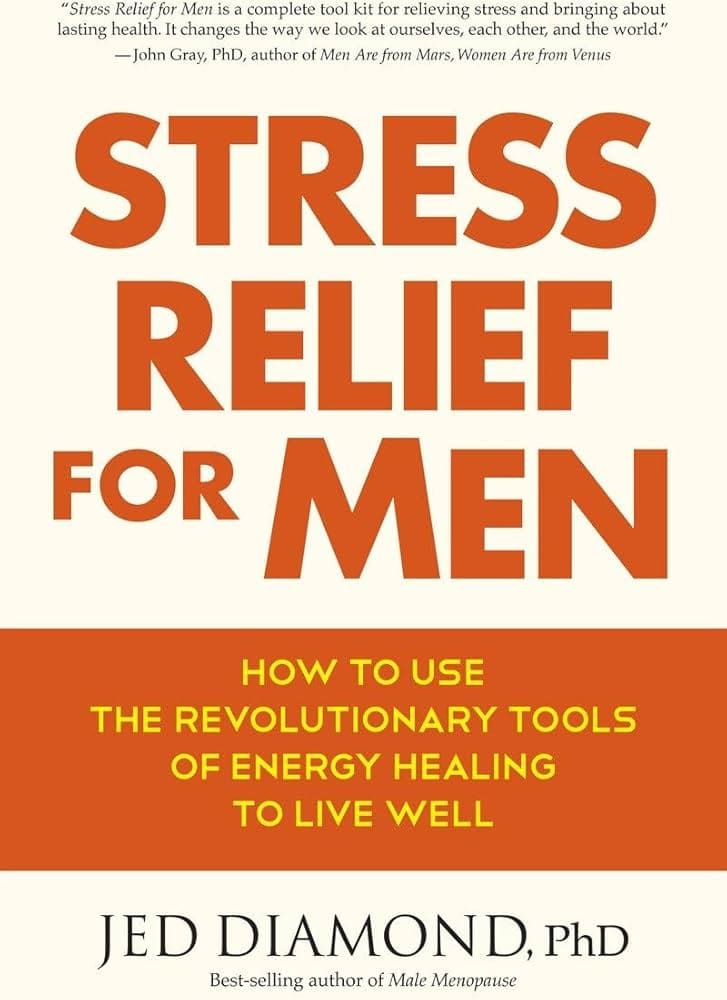
Conclusion: Embracing a Stress-Free Lifestyle as a Man
In conclusion, living a stress-free life as a man is achievable with the right mindset, strategies, and support systems in place. By prioritizing self-care, managing work-related stress, improving mental health, and cultivating emotional resilience, you can create a solid foundation for a balanced and fulfilling life. Remember to practice self-compassion, set boundaries, seek support when needed, and prioritize your well-being above all else. With dedication, patience, and a commitment to self-improvement, you can embrace a stress-free lifestyle and live your best life as a man. So go ahead, take the first step towards a more relaxed and harmonious existence – you deserve it!