Welcome to the world of foam rolling! In this article, you will discover the most popular foam rolling techniques for post-workout recovery. From targeting specific muscle groups to releasing tension and improving flexibility, these techniques are sure to help you feel your best after a tough workout. So grab your foam roller and get ready to take your recovery to the next level. Have you ever wondered how professional athletes recover and take care of their muscles after an intense workout? Maybe you’ve heard of foam rolling but aren’t sure where to start. In this article, I will guide you through the most popular foam rolling techniques for post-workout recovery. Let’s dive in and learn how to take care of your muscles like a pro!
What is Foam Rolling?
Foam rolling is a self-myofascial release technique that helps to alleviate muscle tightness, improve blood flow, and increase range of motion. Using a foam roller, you apply pressure to specific points on your muscles to release tension and knots. It’s like giving yourself a deep tissue massage without the hefty price tag.
Why should you foam roll?
Foam rolling is a crucial component of any post-workout recovery routine. It helps to reduce muscle soreness, prevent injuries, and improve overall muscle performance. By incorporating foam rolling into your regimen, you can speed up recovery time and enhance your athletic abilities. Plus, who doesn’t love the feeling of a good foam rolling session after a tough workout?
Different Foam Rolling Techniques
There are various foam rolling techniques that target different muscle groups and areas of the body. Each technique serves a specific purpose and offers unique benefits. Let’s explore some of the most popular foam rolling techniques to help you recover effectively after your workout.
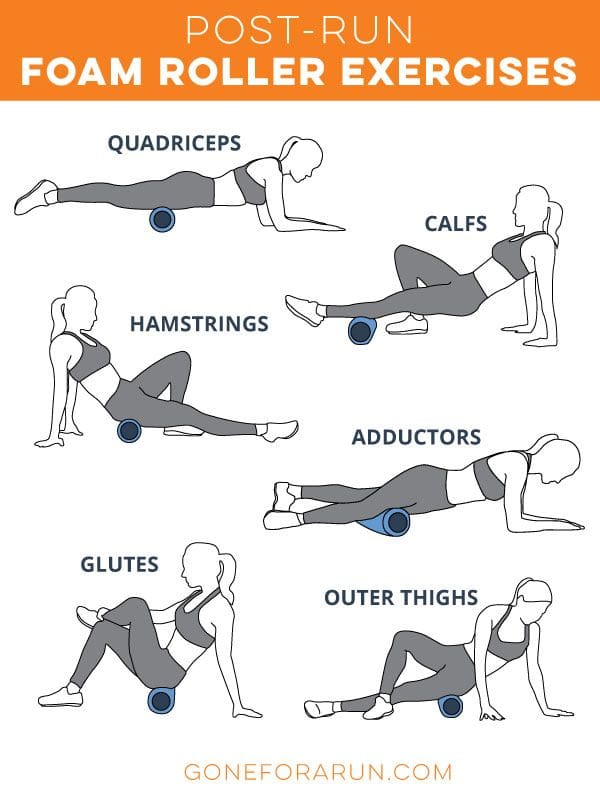
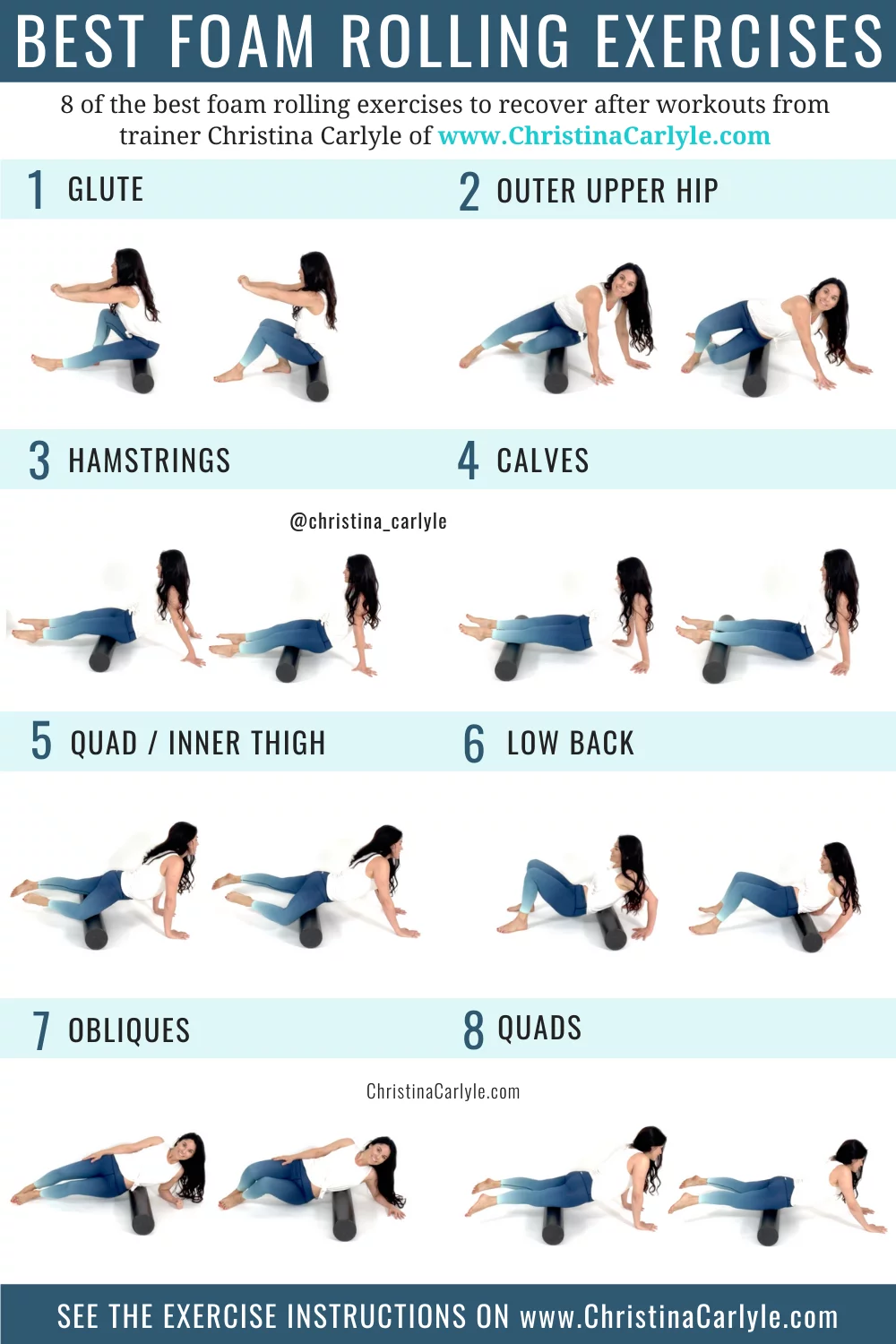
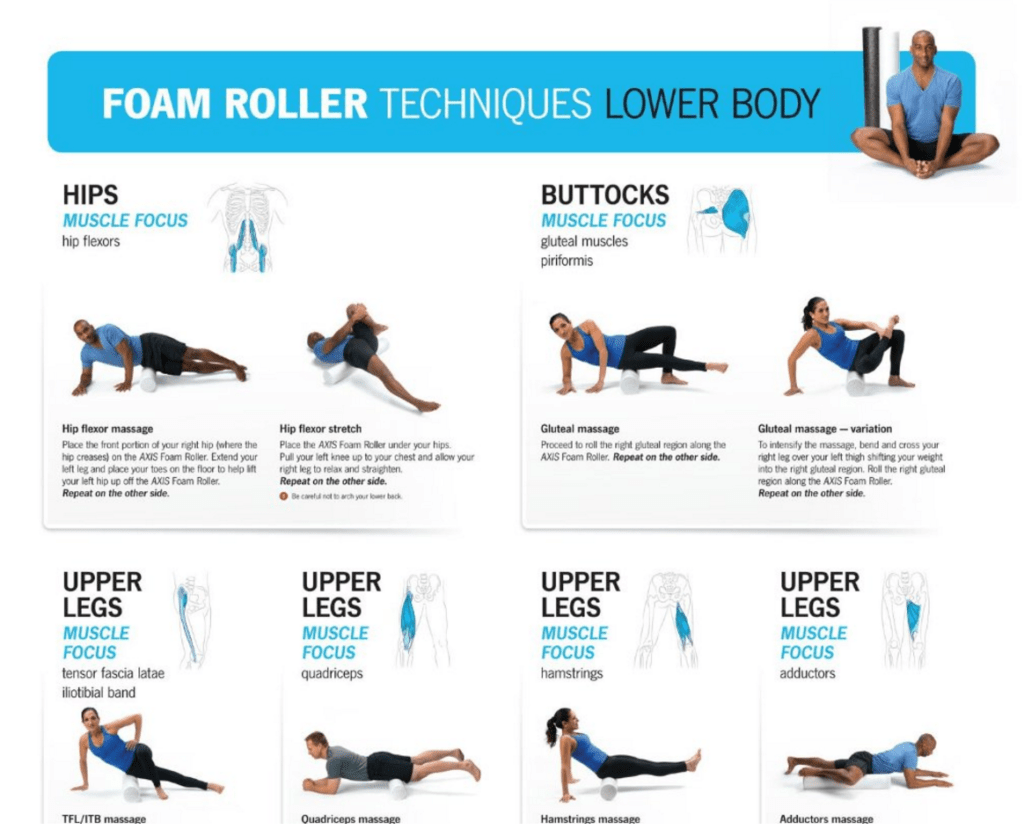
Quadriceps
Your quadriceps are the muscles located on the front of your thighs and are often tight from activities such as running or cycling. To foam roll your quadriceps, follow these steps:
- Lie facedown on the floor with the foam roller placed under your thighs.
- Support your upper body with your forearms and roll from your hips to just above your knees.
- Pause and hold on any tender spots for a few seconds before continuing.
Hamstrings
The hamstrings are the muscles at the back of your thighs and can become tight from activities like deadlifts or squats. Here’s how to foam roll your hamstrings:
- Sit on the floor with the foam roller under your thighs.
- Place your hands behind you for support and roll from your hips to just above your knees.
- Remember to breathe and relax as you roll out any tension in your hamstrings.
Glutes
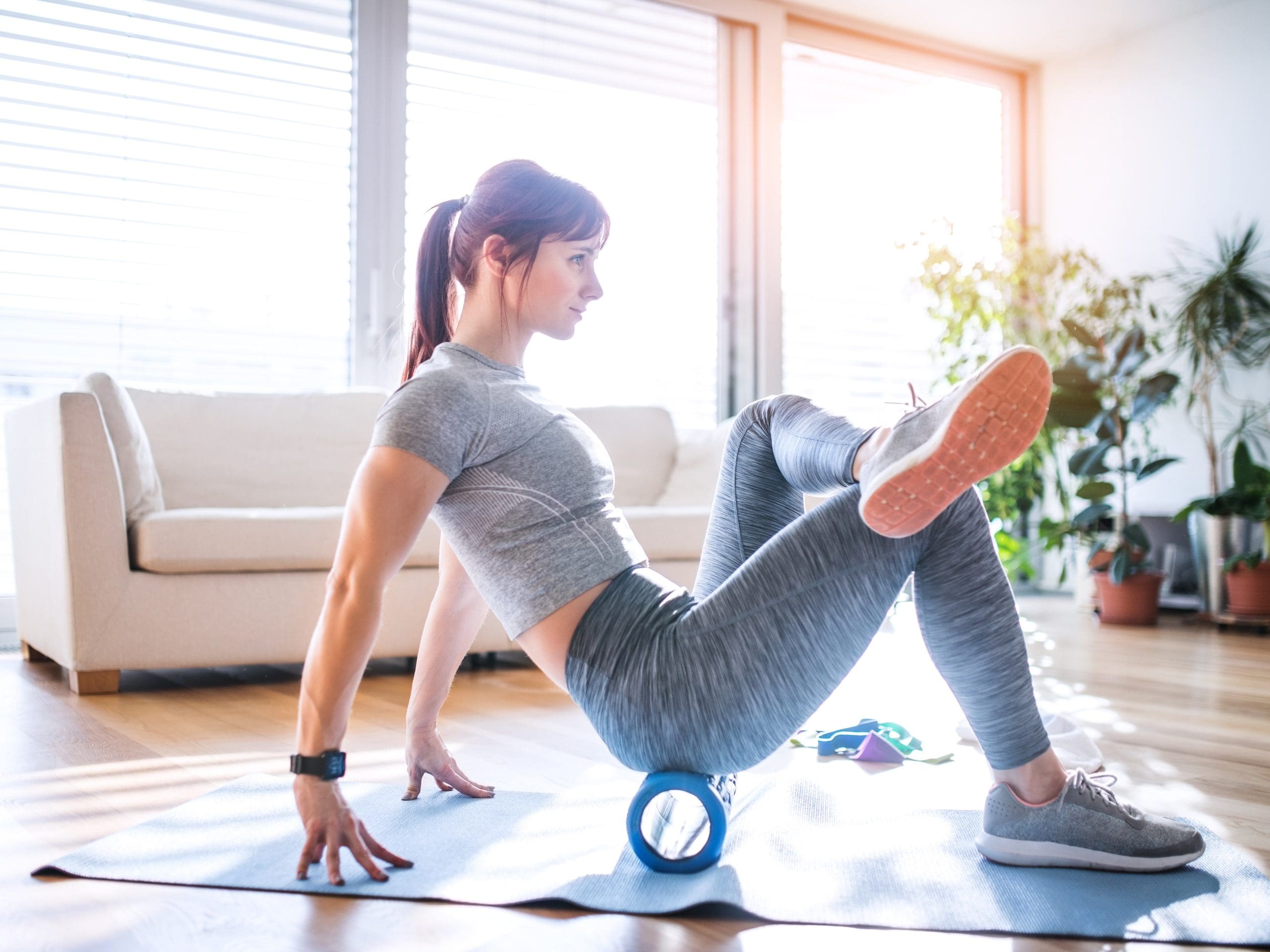
The glutes, or your buttocks muscles, can also benefit from foam rolling. Tight glutes can lead to lower back pain and limited hip mobility. To foam roll your glutes:
- Sit on the foam roller with your right ankle crossed over your left knee.
- Lean slightly to the right and roll back and forth to target the muscles in your buttocks.
- Switch sides and repeat on your left glute.
Calves
Your calf muscles are essential for activities like walking or running and can get tight easily. Here’s how to foam roll your calves:
- Sit on the floor with the foam roller under your calves.
- Place your hands behind you for support and roll from just above your ankles to just below your knees.
- You can also angle your calves inward or outward to target different areas of the muscle.
IT Band
The iliotibial (IT) band is a thick band of fascia that runs along the outside of your thigh and can become tight from activities like running or cycling. To foam roll your IT band:
- Lie on your side with the foam roller placed under your outer thigh.
- Use your top foot to support some of your body weight and roll from your hip to just above your knee.
- This technique can be intense, so be mindful of how much pressure you apply.
Tips for Effective Foam Rolling
To get the most out of your foam rolling sessions, here are some tips to keep in mind:
- Breathe: Remember to breathe deeply and relax into the foam roller. Holding your breath can increase tension in your muscles and reduce the effectiveness of the technique.
- Apply the right amount of pressure: You should feel some discomfort while foam rolling, but it should not be excruciating. Listen to your body and adjust the pressure accordingly.
- Stay hydrated: Drinking water before and after foam rolling can help flush out toxins released during the myofascial release process.
- Roll slowly: Take your time and focus on each muscle group individually. Rushing through foam rolling can limit its effectiveness and increase the risk of injury.
Frequency of Foam Rolling
Ideally, you should foam roll for 10-15 minutes after every workout to reap the full benefits of the technique. However, if you’re short on time, even a quick 5-minute foam rolling session can make a difference in how your muscles recover. Consistency is key, so try to incorporate foam rolling into your daily routine to maintain muscle health and prevent injuries.
Foam Rolling Mistakes to Avoid
While foam rolling is a simple and effective recovery tool, there are common mistakes that many people make when using a foam roller. Avoid these pitfalls to ensure that you’re getting the most out of your foam rolling practice.
Rolling Too Fast
One of the most common mistakes people make when foam rolling is rolling too quickly. Rolling too fast does not allow enough pressure to be applied to the muscles, reducing the effectiveness of the technique. Slow down and take your time to feel the full benefits of foam rolling.
Spending Too Little Time on Each Muscle Group
Another mistake to avoid is spending too little time on each muscle group. To release tension and knots in your muscles effectively, you need to spend an adequate amount of time foam rolling each area. Aim for at least 30-60 seconds per muscle group to experience the full benefits.
Rolling Directly on Joints or Bones
Foam rolling is meant to target the soft tissue of your muscles, not your joints or bones. Avoid rolling directly on your joints, as this can cause discomfort and potential injury. Focus on rolling the muscle belly and avoid the bony areas of your body.
Holding Your Breath
As mentioned earlier, it’s essential to breathe deeply and relax while foam rolling. Holding your breath can increase muscle tension and limit the effectiveness of the technique. Focus on your breath and exhale as you roll out tension in your muscles.
Conclusion
Foam rolling is a valuable tool for post-workout recovery and muscle maintenance. By incorporating foam rolling into your routine, you can speed up muscle recovery, reduce soreness, and prevent injuries. Remember to target different muscle groups with specific foam rolling techniques and avoid common mistakes to maximize the benefits of this practice. Start foam rolling today and give your muscles the care and attention they deserve. Your body will thank you!