
Are you curious about detox diets and cleanses but not sure where to start? Look no further than this Beginner’s Guide to Detox Diets and Cleanses, where we will explore the basics of this popular wellness trend. Get ready to learn about the benefits of detoxing, different types of detox diets, and useful tips for a successful cleanse. Whether you’re a complete beginner or simply looking for new insights, this guide has got you covered. So, get ready to embark on a journey towards improved health and vitality with the help of detox diets and cleanses.
What is a Detox Diet?
Definition
A detox diet is a short-term dietary plan that involves eliminating certain foods and incorporating specific foods or drinks to cleanse the body of toxins. It aims to give the digestive system a break and support the body’s natural detoxification processes.
Purpose
The purpose of a detox diet is to eliminate harmful toxins from the body, promote weight loss, improve digestion, boost energy levels, and enhance overall well-being. By eliminating processed foods and unhealthy habits, a detox diet provides an opportunity for the body to reset and recharge.
Benefits
Detox diets offer various benefits, including improved digestion, increased energy levels, enhanced immune function, clearer skin, weight loss, improved mental clarity, and reduced inflammation. By eliminating toxins and incorporating nutrient-rich foods, detox diets can help improve overall health and vitality.
Types of Detox Diets
Juice Cleanses
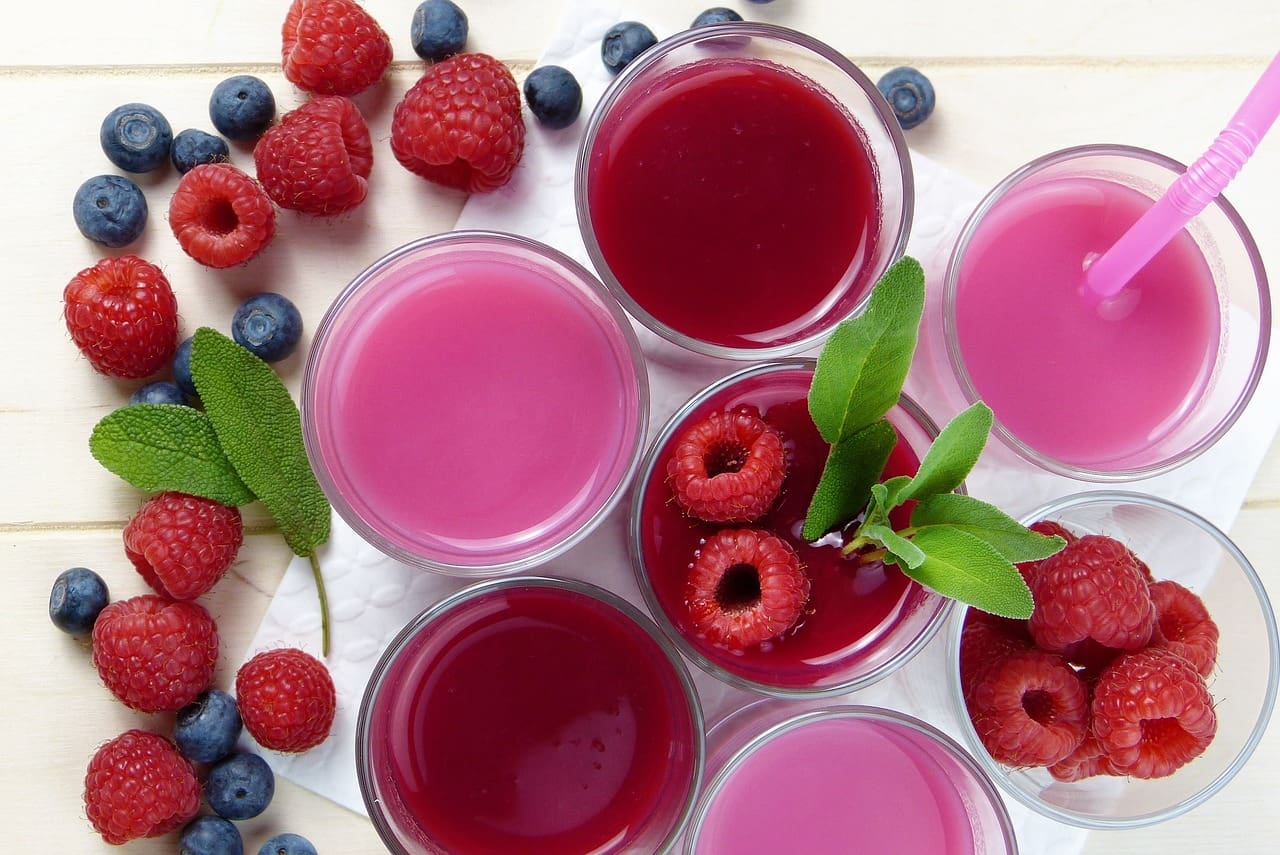
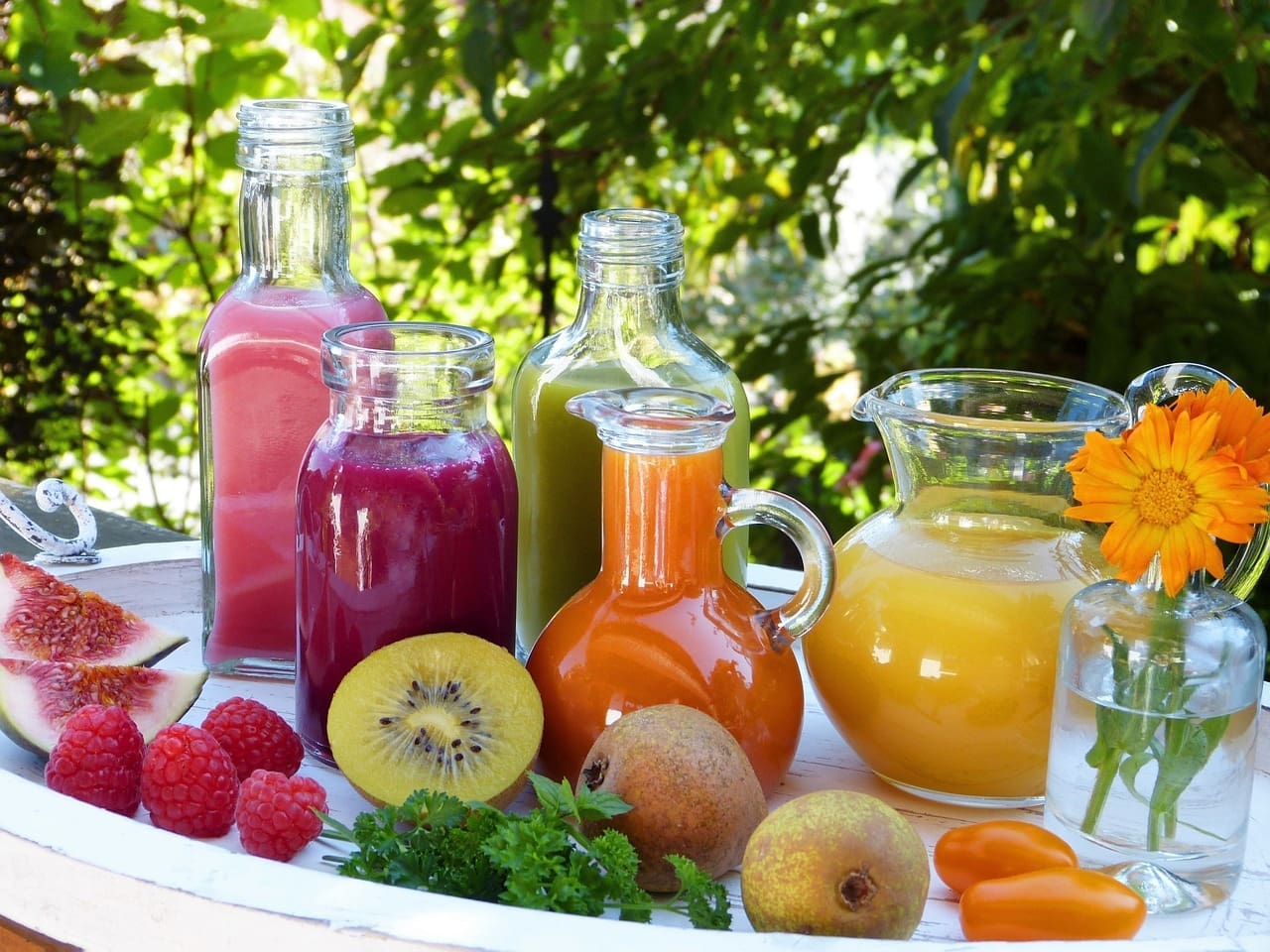
Juice cleanses involve consuming only fresh juices extracted from fruits and vegetables for a specific period. These juices are rich in vitamins, minerals, and antioxidants, providing the body with necessary nutrients while giving the digestive system a break.
Tea Detoxes
Tea detoxes involve replacing regular beverages with herbal teas that have detoxifying properties. These teas, such as dandelion tea or green tea, help support liver function and aid in the elimination of toxins from the body.
Fruit and Vegetable Detoxes
Fruit and vegetable detoxes focus on consuming a variety of fresh fruits and vegetables while avoiding processed foods and animal products. These diets provide essential nutrients, antioxidants, and dietary fiber, which aid in detoxification and support overall health.
Choosing a Detox Plan
Consulting a Healthcare Professional
Before starting a detox diet, it is important to consult with a healthcare professional or a registered dietitian. They can assess your specific health needs and guide you in choosing the right detox plan that aligns with your goals and overall health.
Considering Personal Goals
Different detox plans may offer varying results, so it is important to consider your personal goals. Whether you are aiming for weight loss, improved digestion, or increased energy, choosing a detox plan that aligns with your objectives will help you stay motivated and achieve the desired outcome.
Taking Lifestyle Factors into Account
When choosing a detox plan, it is crucial to consider your lifestyle factors. If you have a busy schedule, a juice cleanse that requires extensive preparation may not be practical. Look for a detox plan that fits your lifestyle and is sustainable in the long run.
Common Detox Techniques
Colon Cleansing
Colon cleansing involves the use of herbal supplements, enemas, or irrigation devices to remove toxins and waste buildup from the colon. This technique aims to improve digestive health and reduce the risk of toxin reabsorption.
Liver Flushes
Liver flushes are procedures that stimulate the liver to eliminate toxins and gallstones. These flushes often involve consuming a mixture of olive oil, lemon juice, and Epsom salts to promote liver detoxification.
Skin Brushing
Skin brushing is a technique that involves using a dry brush to gently exfoliate the skin and stimulate the lymphatic system. This technique promotes the elimination of toxins through the skin and can improve circulation and skin health.
What to Eat on a Detox Diet
Whole Foods
A detox diet emphasizes the consumption of whole foods that are minimally processed and free from additives. This includes whole grains, legumes, nuts, and seeds that provide essential nutrients and fiber to support detoxification.
Fresh Fruits and Vegetables
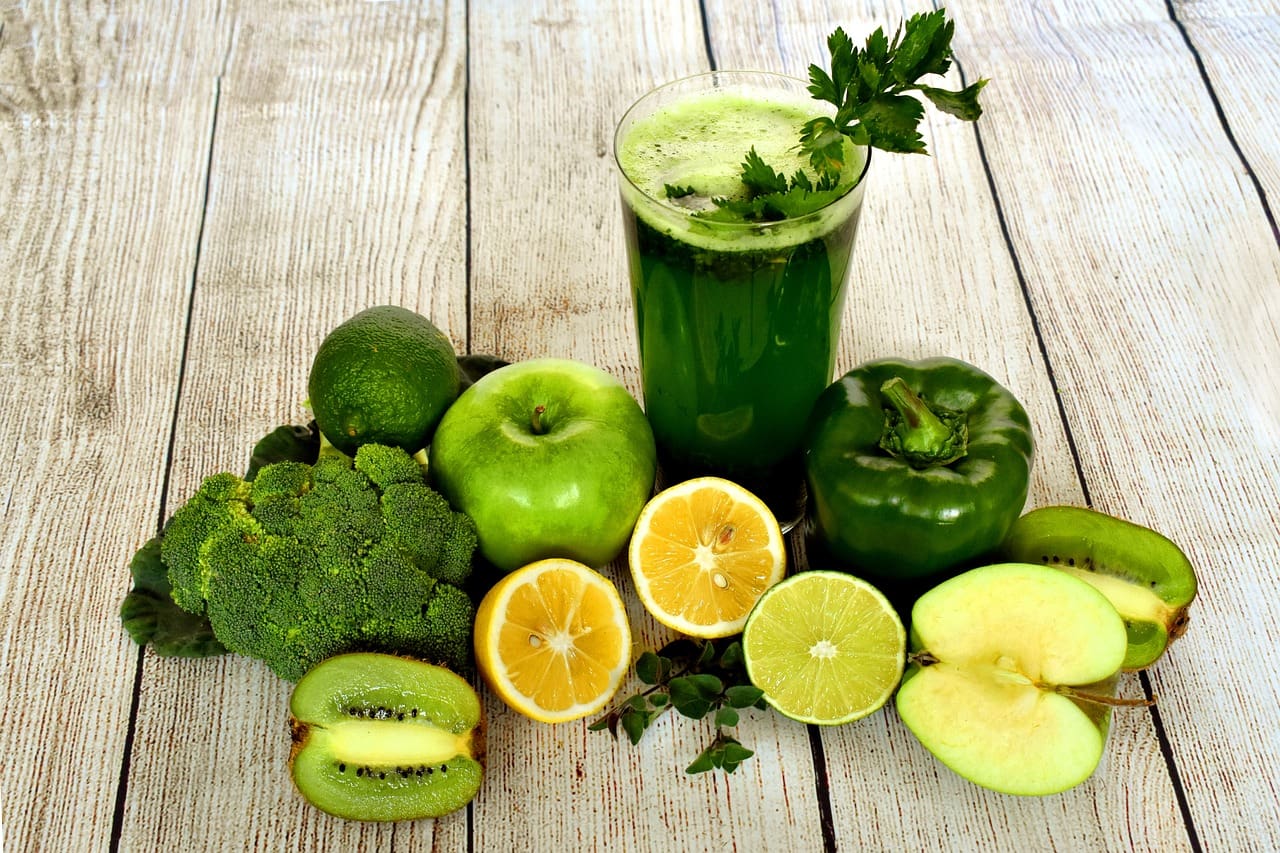
Fresh fruits and vegetables are rich in vitamins, minerals, antioxidants, and dietary fiber. They help nourish the body and support the detoxification process. Incorporate a variety of colorful fruits and vegetables into your detox diet for optimal nutrition.
Healthy Fats and Proteins
Including healthy fats and proteins in your detox diet is important for satiety and overall well-being. Opt for sources like avocados, nuts, seeds, and lean proteins such as fish or tofu.
Foods and Drinks to Avoid
Processed Foods
During a detox diet, it is crucial to avoid processed foods that are high in additives, preservatives, and artificial ingredients. These foods can hinder the body’s natural detoxification processes and may contribute to inflammation and poor health.
Sugar
Added sugars, such as those found in sugary drinks, desserts, and processed snacks, should be avoided on a detox diet. Excessive sugar consumption can lead to inflammation, impaired detoxification, and weight gain.
Alcohol and Caffeine
Alcohol and caffeine can put a strain on the liver and kidneys, hindering the detoxification process. During a detox diet, it is recommended to avoid or minimize alcohol and caffeine intake to optimize the benefits of the cleanse.
Detox Diet Side Effects
Headache and Fatigue
Some individuals may experience temporary side effects during a detox diet, such as headaches and fatigue. These symptoms are often a result of the body adjusting to the dietary changes and eliminating toxins. Staying hydrated and resting when needed can help alleviate these side effects.
Digestive Issues
Detox diets can sometimes cause digestive issues, such as bloating or changes in bowel movements. These symptoms are often temporary and should improve as the body adjusts. Incorporating fiber-rich foods and staying hydrated can support healthy digestion throughout the detox process.
Nutrient Deficiencies
Eliminating certain foods during a detox diet may lead to temporary nutrient deficiencies. It is important to ensure that the detox plan includes a variety of nutrient-dense foods and, if necessary, consider incorporating high-quality supplements to meet the body’s nutritional needs.
Supplements and Herbs for Detox
Milk Thistle
Milk thistle is a herb that has been traditionally used to support liver health and detoxification. Its active compound, silymarin, has antioxidant properties and helps protect liver cells from damage.
Dandelion Root
Dandelion root has diuretic properties that can support the liver and kidneys in removing toxins from the body. It also aids in digestion, making it a popular choice for detox diets.
Psyllium Husk
Psyllium husk is a natural fiber supplement that can support healthy digestion and regular bowel movements. It helps eliminate waste and toxins from the body and can be beneficial during a detox diet.
Importance of Hydration
Water as a Detoxifier
Water is an essential component of any detox diet. It helps flush out toxins, supports proper organ function, and aids in digestion. Aim to drink an adequate amount of water daily to support the body’s detoxification processes.
Incorporating Herbal Teas
Herbal teas, such as ginger or chamomile tea, can be a refreshing addition to a detox diet. These teas not only provide hydration but also offer additional detoxifying benefits, depending on the herbs used.
Avoiding Sugary Beverages
During a detox diet, it is important to avoid sugary beverages such as soda or juice concentrates. These can hinder your progress by adding unnecessary sugar and toxins to your body. Opt for water, herbal teas, or freshly squeezed juices instead.
Tips for a Successful Detox
Gradual Transitioning
Transitioning into and out of a detox diet gradually can help your body adapt to the changes more easily. Start by reducing processed foods and gradually incorporate healthier choices. After completing a detox, slowly reintroduce foods back into your diet to avoid overwhelming your digestive system.
Creating a Supportive Environment
To ensure a successful detox, it is important to create a supportive environment. Remove temptations by clearing your kitchen of unhealthy foods and snacks. Surround yourself with like-minded individuals who can provide encouragement and support throughout your detox journey.
Listening to Your Body
Each person’s detox experience may vary, so it is important to listen to your body’s needs and adjust the detox plan accordingly. Pay attention to how you feel physically and emotionally, and make modifications to optimize your well-being. Remember, your detox journey is unique to you.
Incorporating a detox diet into your wellness routine can be a great way to give your body a fresh start and support overall health. By understanding the different types of detox diets, considering your personal goals and lifestyle factors, and following the tips for success, you can embark on a detox journey that enhances your well-being and leaves you feeling revitalized. Remember to consult with a healthcare professional before starting any detox diet and make sure to listen to your body throughout the process. Here’s to a healthier, toxin-free you!