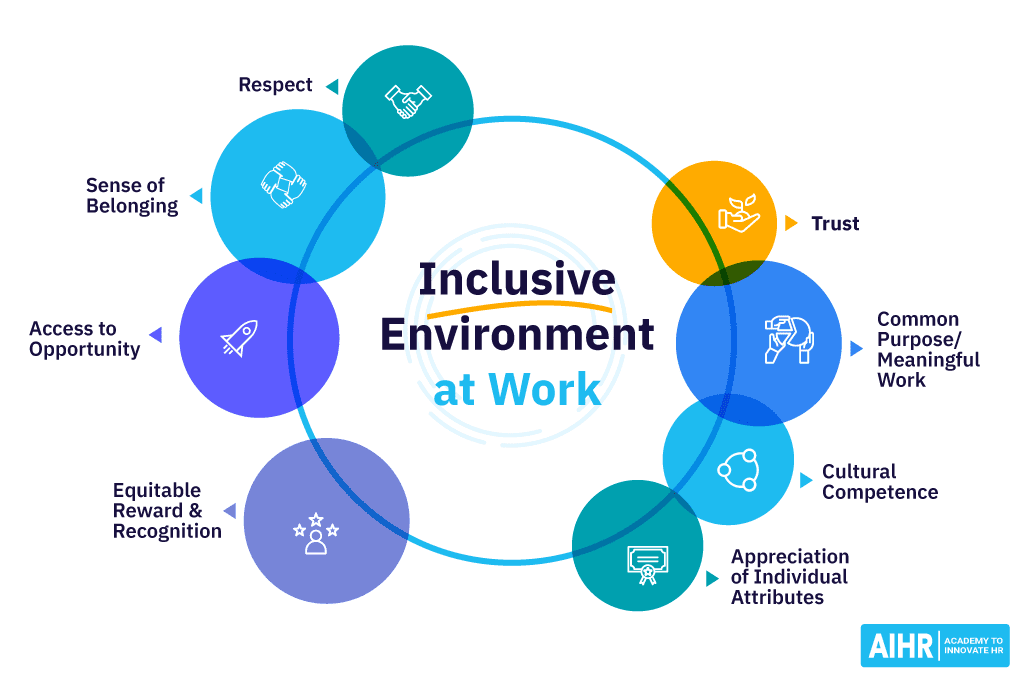
In the ever-evolving landscape of healthcare policy, creating inclusive systems has become increasingly essential. This article explores the best approaches to promote inclusivity in healthcare policy, ensuring that no one is left behind. By examining the methods that have proven successful, we can pave the way for a more accessible and equitable healthcare system that caters to the needs of all individuals, regardless of their background or circumstances. Whether through comprehensive education, diverse representation, or targeted outreach programs, fostering inclusivity in healthcare policy is crucial for providing quality care to every person in our society.
Ensuring Equal Access to Healthcare
Creating Affordable Healthcare Options
Creating affordable healthcare options is an essential step in promoting inclusivity in healthcare policy. Access to affordable healthcare is crucial for individuals from all socioeconomic backgrounds to receive the necessary medical care they need. By implementing policies that prioritize affordability, such as price controls on medications and medical procedures, subsidies for low-income individuals, and the expansion of Medicaid eligibility, everyone can have equal access to quality healthcare services without financial barriers.
Expanding Health Insurance Coverage
Expanding health insurance coverage is another effective way to ensure equal access to healthcare. By implementing policies that increase the availability and affordability of health insurance plans, more individuals will be able to obtain coverage and receive essential medical care. This can be achieved through the expansion of public health insurance programs like Medicaid and the creation of state-based health insurance exchanges that offer a range of affordable plans for individuals at various income levels.
Removing Discriminatory Practices
Removing discriminatory practices is crucial in promoting inclusivity in healthcare policy. Discrimination based on race, ethnicity, gender, sexual orientation, or any other personal characteristic should have no place in the healthcare system. Implementing policies that prohibit discriminatory practices, both at the provider level and the institutional level, will ensure that all individuals receive equitable treatment and access to healthcare services. This includes addressing disparities in treatment, diagnosis, and access to specialized care for marginalized communities.
Increasing Cultural Competence
Providing Cultural Sensitivity Training
Providing cultural sensitivity training is vital to ensure that healthcare providers can effectively meet the needs of diverse patient populations. Training programs that educate healthcare professionals about different cultural practices, beliefs, and languages can help reduce biases and miscommunication. By fostering a better understanding of cultural nuances and practices, healthcare providers can deliver more personalized and respectful care to patients from various backgrounds.
Hiring and Retaining Diverse Healthcare Providers
Hiring and retaining diverse healthcare providers is crucial for promoting inclusivity in healthcare policy. Having a diverse workforce that reflects the population they serve is essential in creating an environment where individuals feel comfortable seeking care. By actively recruiting and retaining healthcare professionals from different racial, ethnic, and cultural backgrounds, healthcare organizations can ensure that their staff is better equipped to understand and address the unique needs and challenges faced by diverse patient populations.
Translating Healthcare Materials
Translating healthcare materials into multiple languages is essential to overcome language barriers and promote inclusivity in healthcare policy. By providing information in languages that patients understand, healthcare organizations can ensure that individuals from non-English speaking backgrounds have access to the same resources and information as English-speaking patients. This includes translating patient education materials, consent forms, appointment reminders, and other important documents to ensure effective communication and understanding.
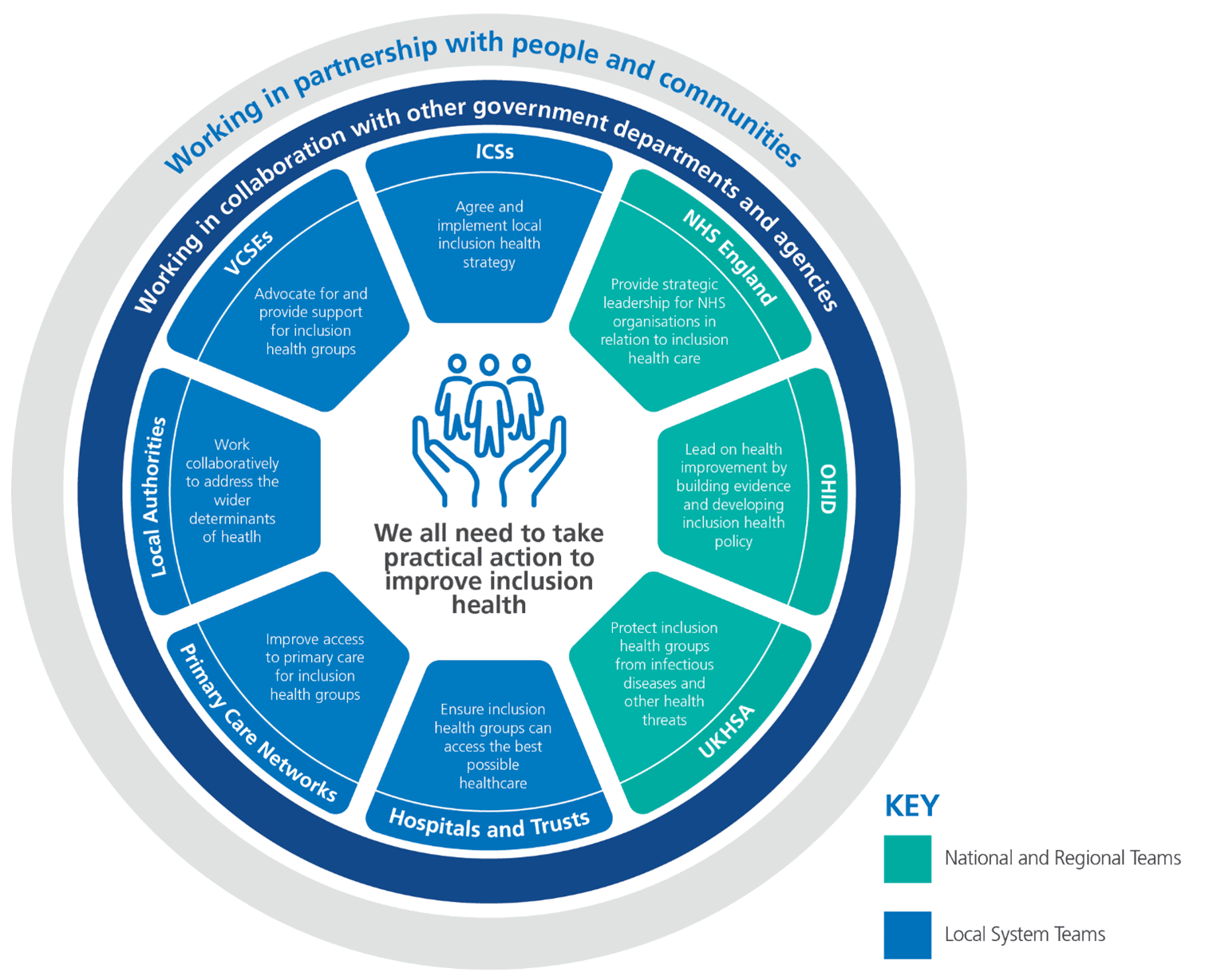
Implementing Anti-Discrimination Policies
Developing and Enforcing Non-Discrimination Laws
Developing and enforcing non-discrimination laws is crucial in promoting inclusivity in healthcare policy. These laws protect individuals from discriminatory practices in healthcare settings and ensure that every patient is treated with respect and dignity. By creating legislation that explicitly prohibits discrimination based on race, ethnicity, gender, sexual orientation, or any other protected characteristic, healthcare organizations will be held accountable for providing equitable care to all patients, regardless of their background.
Addressing Implicit Bias
Addressing implicit bias is a critical component of promoting inclusivity in healthcare policy. Implicit biases, which are unconscious attitudes or stereotypes that affect our decisions and actions, can lead to disparities in healthcare treatment and outcomes. Healthcare organizations should implement training programs and initiatives that help healthcare providers recognize and address their own biases, promoting unbiased and equitable care for all patients.
Establishing Reporting Mechanisms
Establishing reporting mechanisms is essential to ensure that instances of discrimination or bias are addressed promptly and effectively. Creating clear channels for patients and healthcare professionals to report incidents of discrimination, bias, or unfair treatment can help identify systemic issues and enable appropriate action to be taken. Whistleblower protection and anonymous reporting options should also be implemented to encourage individuals to come forward without fear of retaliation.
Improving Language Access
Offering Interpreter Services
Offering interpreter services is crucial for individuals with limited English proficiency to access quality healthcare. Language barriers can hinder effective communication between patients and healthcare providers, leading to misunderstandings and suboptimal care. By providing professional interpreter services, either in-person or through telecommunication platforms, healthcare organizations can bridge the language gap and ensure that all patients can convey their medical concerns and understand the information provided to them.
Offering Multilingual Staff
In addition to interpreter services, healthcare organizations should strive to have multilingual staff members who can communicate directly with patients in their preferred language. Having healthcare professionals who are fluent in multiple languages allows for a more direct and culturally appropriate communication between patients and providers. This can greatly enhance the overall patient experience and improve health outcomes for individuals from non-English speaking backgrounds.
Providing Translated Documents
Providing translated documents is vital to ensure that patients can access information about their healthcare, such as medication instructions, discharge summaries, and appointment reminders. By translating important documents into multiple languages, healthcare organizations can empower patients to take an active role in their healthcare journey and make informed decisions about their treatment. This also demonstrates a commitment to inclusivity and respect for patients from diverse linguistic backgrounds.
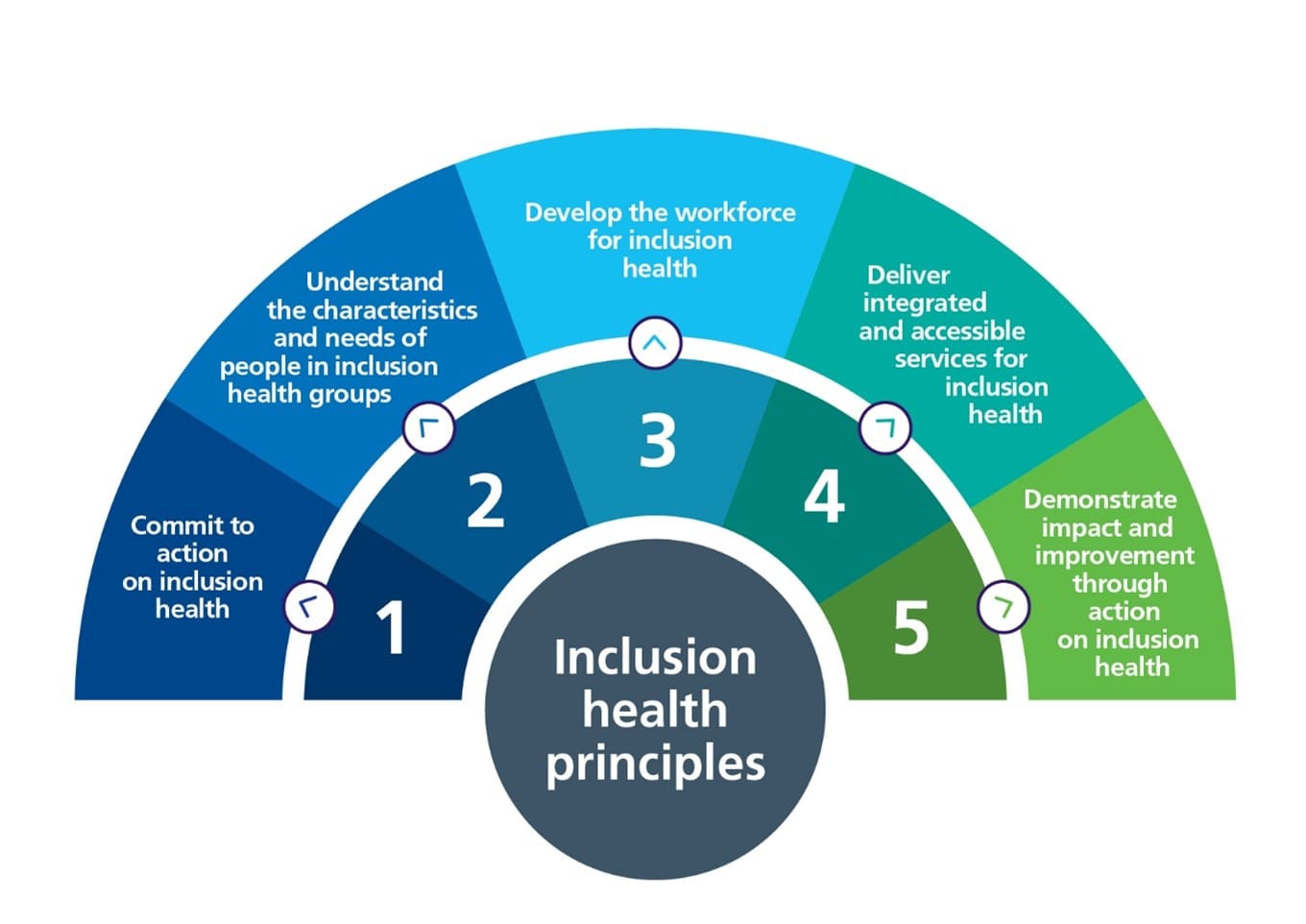
Empowering Patient Advocacy
Promoting Patient Engagement and Participation
Promoting patient engagement and participation is essential for fostering inclusivity in healthcare policy. By involving patients in their own care decisions and treatment plans, healthcare organizations can empower individuals to take an active role in their healthcare journey. This can be achieved through shared decision-making, patient education programs, and initiatives that encourage patients to ask questions, voice concerns, and provide feedback on their healthcare experiences.
Providing Education on Patient Rights
Providing education on patient rights is crucial for promoting inclusivity in healthcare policy. Patients need to be aware of their rights and the resources available to them to address any concerns or grievances they may have. Healthcare organizations should provide clear information to patients about their rights to non-discrimination, privacy, informed consent, and access to medical records. This education should be accessible in multiple languages and easily understandable for individuals with varying levels of health literacy.
Establishing Grievance Procedures
Establishing grievance procedures is important to ensure that patients can voice their concerns and seek resolution in case of any issues with their healthcare experience. Healthcare organizations should have clear channels and policies in place to address patient grievances, including complaints related to discrimination, bias, or other forms of mistreatment. These procedures should be transparent, accessible, and include mechanisms for patients to escalate their concerns if they are not adequately addressed at the initial stage.
Collaborating with Community Organizations
Partnering with Community Health Centers
Partnering with community health centers is an effective way to promote inclusivity in healthcare policy. Community health centers serve as crucial access points for underserved populations, providing essential primary care services regardless of an individual’s ability to pay. By collaborating with these centers, healthcare organizations can expand their reach to underserved communities and ensure that individuals have access to comprehensive and culturally competent care.
Engaging with Minority and Underrepresented Groups
Engaging with minority and underrepresented groups is vital for promoting inclusivity in healthcare policy. Healthcare organizations should actively seek input and involvement from these communities to identify their unique healthcare needs, challenges, and priorities. By establishing community-based advisory boards or engaging in outreach initiatives, healthcare organizations can ensure that their policies and services are designed to meet the specific needs of diverse populations, thereby reducing health disparities.
Supporting Health Outreach Programs
Supporting health outreach programs can greatly impact inclusivity in healthcare policy. These programs aim to provide health education, screenings, and support services to underserved populations, particularly those who face barriers to accessing care. By partnering with community-based organizations and supporting their outreach efforts, healthcare organizations can improve health outcomes and promote wellness within underserved communities. This collaborative approach helps to address inequities and establish a healthcare system that is inclusive and accessible for all.
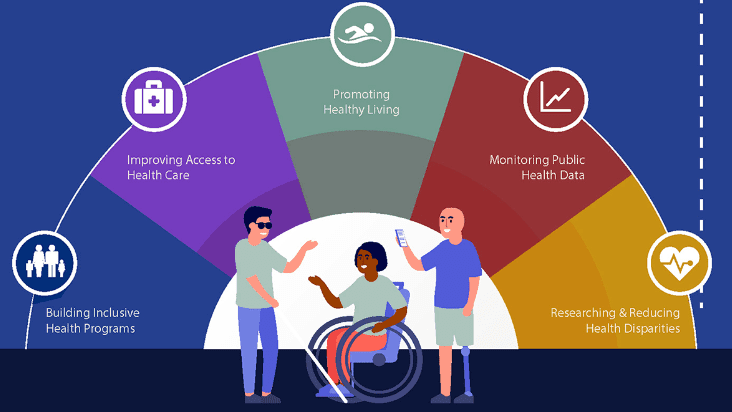
Conducting Equity Audits
Identifying Disparities in Healthcare Access
Conducting equity audits is crucial in uncovering disparities in healthcare access among different populations. By analyzing demographic data, utilization patterns, and health outcomes, healthcare organizations can identify gaps in access to care and health disparities. This information is essential for designing targeted interventions and policies to address these inequities, ensuring that all individuals have equal opportunities to receive the care they need.
Analyzing Health Outcomes Across Different Groups
Analyzing health outcomes across different groups is essential for understanding and addressing disparities in healthcare. By comparing health outcomes among various populations, healthcare organizations can identify disparities in disease prevalence, treatment outcomes, and mortality rates. This analysis helps to pinpoint specific areas where interventions and resources are needed to improve health outcomes for marginalized communities and ensure equitable health outcomes for all individuals.
Designing Strategies to Address Inequities
Based on the findings of equity audits and health outcome analysis, healthcare organizations can develop strategies to address healthcare inequities. These strategies may involve targeted interventions, resource allocation, policy changes, and community partnerships. By implementing evidence-based approaches and continuously monitoring the impact on health outcomes, healthcare organizations can create an inclusive healthcare system that provides equitable care for everyone, regardless of their social or demographic background.
Promoting Diversity in Research
Including Underrepresented Populations in Clinical Trials
Promoting diversity in research is crucial for ensuring that healthcare interventions and treatments are effective for all populations. Historically, clinical trials have underrepresented minority and marginalized groups, resulting in a lack of data on the safety and efficacy of medical treatments specifically tailored to these populations. By actively including underrepresented populations in clinical trials and research studies, healthcare organizations can advance scientific knowledge, develop more precise treatments, and eliminate health disparities.
Supporting Minority Researchers
Supporting minority researchers is vital for promoting inclusivity in healthcare policy. By providing mentorship, funding, and research opportunities to underrepresented individuals in the healthcare field, healthcare organizations can foster diversity in research. Encouraging and empowering minority researchers enables them to explore healthcare disparities, develop culturally competent interventions, and contribute to the broader scientific community. Their unique perspectives and expertise can significantly improve healthcare policy and practices to benefit all individuals.
Addressing Health Disparities in Research
Addressing health disparities in research is essential to promote inclusivity in healthcare policy. Research studies should focus on understanding and addressing the root causes of health disparities, such as socioeconomic factors, systemic biases, and access to healthcare. By prioritizing research that explores the impact of these factors on health outcomes, healthcare organizations can inform policy decisions and interventions aimed at reducing disparities and improving health equity.
Integrating Social Determinants of Health
Understanding the Impact of Socioeconomic Factors
Integrating social determinants of health is crucial for promoting inclusivity in healthcare policy. Socioeconomic factors, such as income, education, housing, and employment, play a significant role in shaping an individual’s health outcomes. Healthcare organizations should incorporate an understanding of these factors into their policies and initiatives, ensuring that individuals from disadvantaged backgrounds have equal opportunities to access healthcare and receive support for addressing social determinants that impact their health.
Addressing Housing and Food Insecurities
Addressing housing and food insecurities is essential to promote inclusivity in healthcare policy. Lack of stable housing and access to nutritious food can have a significant impact on an individual’s health and well-being. Healthcare organizations should collaborate with community partners to develop interventions and resources that address these social determinants of health. This may involve referring patients to social service agencies, providing assistance with housing applications, or connecting individuals with food banks and nutritional support programs.
Collaborating with Social Services
Collaborating with social services is crucial for integrating social determinants of health into healthcare policy. By partnering with social service organizations, healthcare organizations can provide comprehensive support to individuals with complex needs. This collaboration may involve facilitating referrals, sharing data and insights, and coordinating care with social service providers. By working together, healthcare and social service organizations can address the underlying social determinants that impact health and achieve better health outcomes for all individuals.
Advocating for Policy Change
Engaging in Legislative Efforts
Advocating for policy change is a powerful way to promote inclusivity in healthcare policy. Healthcare organizations should actively engage in legislative efforts by working with government officials, participating in advocacy campaigns, and providing expert input on healthcare policies. By influencing the development and implementation of legislation, healthcare organizations can ensure that policies prioritize inclusivity, address disparities, and promote equitable access to healthcare services.
Supporting Policy Initiatives that Promote Inclusivity
Supporting policy initiatives that promote inclusivity is crucial for driving positive change in healthcare policy. Healthcare organizations should endorse and actively support policies that prioritize health equity, diversity, and inclusion. This may include initiatives focused on affordable healthcare, non-discrimination protections, cultural competency training, and access to essential services. By championing these policies, healthcare organizations can help shape a more inclusive and equitable healthcare system.
Raising Awareness about Healthcare Disparities
Raising awareness about healthcare disparities is essential for promoting inclusivity in healthcare policy. Healthcare organizations should play an active role in educating the public, policymakers, and other stakeholders about the existence and impact of disparities in healthcare access and outcomes. By disseminating information through public campaigns, community events, and educational materials, healthcare organizations can mobilize support, drive policy change, and inspire collective action to address healthcare disparities and promote inclusivity.
In conclusion, promoting inclusivity in healthcare policy requires a comprehensive and multifaceted approach. By creating affordable healthcare options, increasing cultural competence, implementing anti-discrimination policies, improving language access, empowering patient advocacy, collaborating with community organizations, conducting equity audits, promoting diversity in research, integrating social determinants of health, and advocating for policy change, healthcare organizations can work towards creating a healthcare system that is accessible, equitable, and inclusive for all individuals. Through these efforts, we can strive to eliminate healthcare disparities and ensure that everyone has the opportunity to achieve optimal health and well-being.