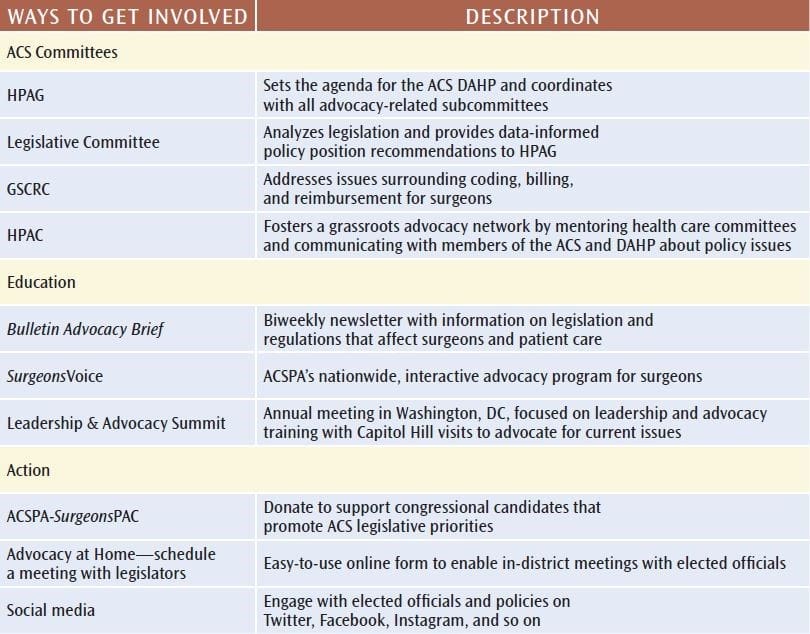
Are you passionate about making a difference in healthcare policy? If so, you’re in the right place! In this article, we will explore the top ways for you to get involved in healthcare policy advocacy. From attending town hall meetings to contacting your representatives, this article will provide you with the tools and tips you need to actively participate in shaping healthcare policy. So, get ready to lend your voice and make a meaningful impact in advocating for a better healthcare system. Let’s dive right in!
Joining Professional Organizations
Benefits of joining professional organizations
Joining professional organizations in the healthcare field can provide you with numerous benefits. These organizations offer opportunities for networking, professional development, and advocacy. By being a member of these organizations, you will gain access to resources, conferences, and events that can help you stay updated on the latest healthcare policies and industry trends. Additionally, being part of a professional organization can enhance your credibility and visibility within the field.
Finding relevant professional organizations
To find relevant professional organizations in healthcare policy advocacy, you can start by conducting a simple online search. Look for organizations that align with your interests and goals. You can also seek recommendations from colleagues, mentors, or professors who are already involved in healthcare advocacy. Professional journals and publications may also feature articles or advertisements about these organizations. Take the time to research and evaluate each organization to ensure it aligns with your values and career aspirations.
How to become a member
Once you have identified the professional organizations you are interested in, you can usually become a member by visiting their official website. Look for a “Join” or “Membership” section, where you will find information about the requirements, fees, and benefits of membership. Fill out the necessary forms, submit any required documents, and pay the membership dues. Some organizations may also require references or letters of recommendation. Once your application is reviewed and accepted, you will become an official member and can start enjoying the benefits of being part of the organization.
Access to networking opportunities
One of the key benefits of joining professional organizations is the access to networking opportunities. These organizations often host conferences, seminars, and networking events where you can meet and connect with like-minded professionals in the healthcare policy field. Networking allows you to expand your professional contacts, learn from experienced individuals, and potentially find new job opportunities or collaborations. Building relationships within the industry can be instrumental in your career development and ongoing advocacy efforts.
Participating in advocacy initiatives
Professional organizations actively engage in advocacy initiatives to promote positive change in healthcare policies. By joining these organizations, you can actively participate in these advocacy efforts. This can involve contributing to the development of policy positions, advocating for specific policy changes, and engaging with policymakers and stakeholders. It provides a platform for your voice to be heard and allows you to contribute to the overall improvement of healthcare policy. Engaging in advocacy initiatives can be rewarding and impactful, as it allows you to make a tangible difference in the field of healthcare policy.
Volunteering for Non-Profit Organizations
Finding non-profit organizations in healthcare policy advocacy
If you are interested in volunteering for non-profit organizations that focus on healthcare policy advocacy, there are several ways to find them. Start by conducting an online search using keywords such as “healthcare policy advocacy non-profit organizations.” You can also reach out to local community organizations, government agencies, or academic institutions that may have connections to these non-profit organizations. Additionally, attending healthcare policy conferences and events can provide opportunities to connect with representatives from various non-profit organizations.
Types of volunteer work available
Non-profit organizations in healthcare policy advocacy offer a wide range of volunteer opportunities. Depending on your skills and interests, you can contribute in various ways. Some organizations may need volunteers for research and data analysis, while others may require assistance in organizing events and campaigns. You might also have the opportunity to contribute to policy development, community outreach, or communications efforts. Non-profit organizations greatly value volunteers and are usually flexible in accommodating various levels of time commitment.
How to sign up as a volunteer
To sign up as a volunteer for a non-profit organization, start by visiting their official website. Look for a “Get Involved” or “Volunteer” section, where you will find information about the volunteer opportunities available and the application process. Some organizations may require you to fill out an online application form, while others may ask you to reach out to a specific contact person. Take the time to carefully read the instructions and provide any requested documents or information. Once your application is accepted, the organization will guide you through the next steps in getting involved as a volunteer.
Gaining experience in policy advocacy
Volunteering for non-profit organizations in healthcare policy advocacy provides a valuable opportunity to gain experience in policy advocacy. You will have the chance to work alongside experienced professionals and learn about the intricacies of advocating for healthcare policy change. Through your volunteer work, you will gain exposure to policy research, analysis, and the development of advocacy strategies. This experience will not only enhance your knowledge and skills but also offer valuable insights into the realities of healthcare policy advocacy.
Contributing to the mission of the organization
By volunteering for non-profit organizations in healthcare policy advocacy, you contribute directly to the mission of the organization. Your efforts help further their goals of improving healthcare policies and making a positive impact on the healthcare system. Whether it is through grassroots organizing, community outreach, or research and analysis, your contribution plays a vital role in advancing the organization’s mission. Volunteering allows you to be actively involved in creating change and brings a sense of fulfillment by knowing that your efforts are making a difference in the field of healthcare policy.
Attending Healthcare Policy Conferences and Events
Benefits of attending conferences and events
Attending healthcare policy conferences and events offers numerous benefits for individuals interested in healthcare policy advocacy. These events provide opportunities for networking, learning, and staying updated on the latest policy initiatives and industry trends. Conference sessions and workshops are led by experts in the field, allowing you to gain valuable insights and information. Additionally, conferences and events often feature keynote speakers who are policymakers or industry leaders, providing unique perspectives on healthcare policy. Attending these events allows you to connect with like-minded professionals and expand your professional network.
Finding relevant conferences and events
To find relevant healthcare policy conferences and events, you can start by researching organizations and institutions that focus on healthcare policy advocacy. Check their websites for information on upcoming conferences or events. Additionally, professional organizations and associations often organize or participate in conferences that cover healthcare policy topics. Stay updated on their event calendars or newsletters to be aware of any upcoming opportunities. Online platforms and social media groups dedicated to healthcare policy may also share information about conferences and events.
Registering for attendance
Once you have identified a conference or event that aligns with your interests, visit the official website for registration information. Look for a “Register” or “Attend” section, where you will find details about the registration process, fees, and any required documents. Some conferences may offer early bird registration discounts, so it is beneficial to register early. Follow the registration instructions, provide the necessary information, and make the payment if required. Once registered, you will receive further information about the event, including the schedule and any additional requirements.
Networking opportunities with experts
Healthcare policy conferences and events provide unique networking opportunities with experts and professionals in the field. Take advantage of these opportunities to connect with individuals who share similar interests and goals. Engage in conversations, ask questions, and share your own experiences and perspectives. Networking can lead to valuable connections, potential collaborations, and future mentorship opportunities. Building relationships with experts in the field can also provide insights into career pathways and guide your future advocacy efforts.
Learning about current policy initiatives
Attending healthcare policy conferences and events allows you to stay updated on current policy initiatives. Sessions and workshops often cover topics such as policy analysis, implementation, and evaluation. You will have the opportunity to learn about successful policy initiatives and understand the challenges associated with policy change. By staying informed about current policies and initiatives, you can effectively contribute to the ongoing advocacy efforts in the healthcare policy field. The knowledge gained from these events can inform your own advocacy strategies and help shape your understanding of the broader policy landscape.
Educating Yourself About Healthcare Policies
The importance of understanding healthcare policies
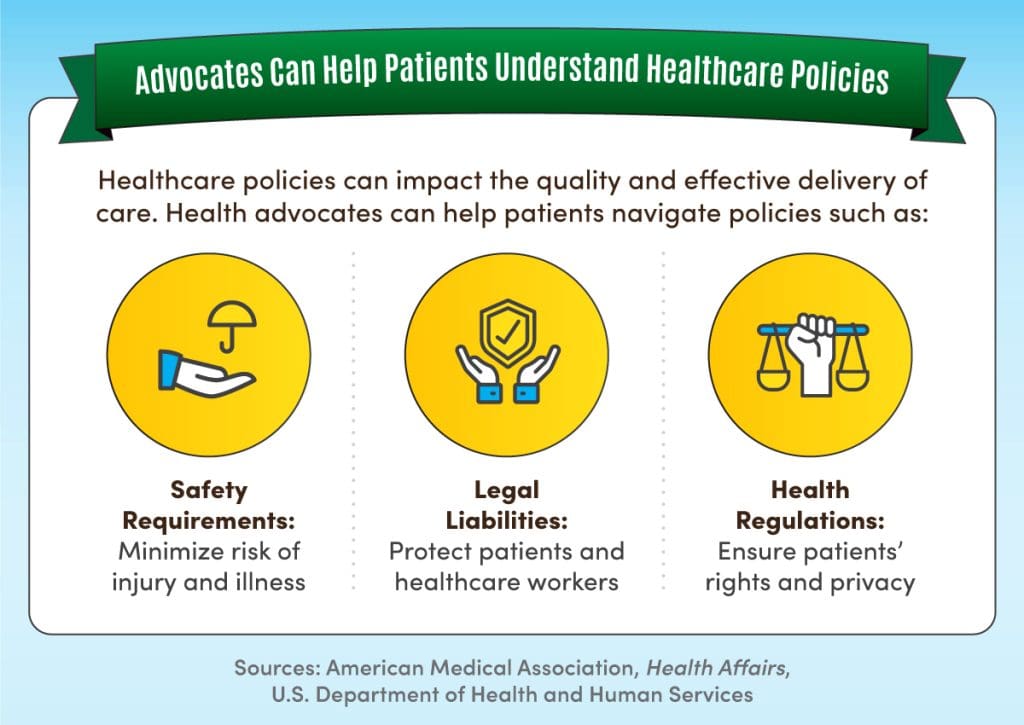
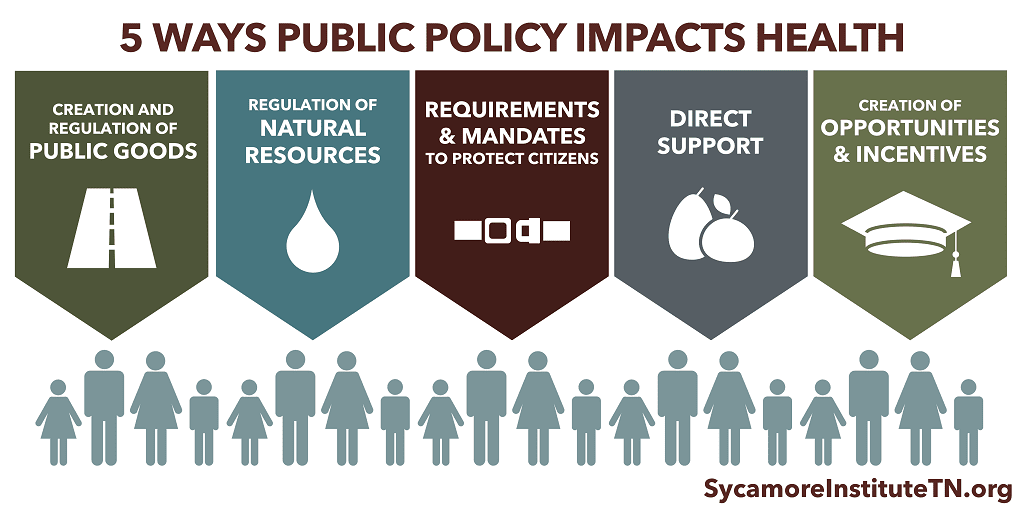
Understanding healthcare policies is essential for anyone interested in healthcare policy advocacy. Policies shape the healthcare system, impacting access to care, quality of care, and health outcomes. By understanding the complexities of healthcare policies, you can effectively advocate for change and contribute to the development of evidence-based policies. Additionally, understanding healthcare policies allows you to navigate the system and advocate for individuals and communities who may face barriers in accessing healthcare services. Education about healthcare policies empowers you to be an informed advocate and make a meaningful impact.
Staying updated on policy changes
Healthcare policies are dynamic and subject to change. Staying updated on policy changes is crucial for effective advocacy. Subscribe to policy-focused newsletters, follow relevant government agencies’ social media accounts, and join online communities dedicated to healthcare policy. These sources will provide timely information and updates on policy changes, proposed legislation, and public consultations. Keeping informed allows you to analyze the potential impact of policy changes and adapt your advocacy efforts accordingly.
Resources for healthcare policy education
Various resources are available to educate yourself about healthcare policies. Academic institutions offer courses and programs in healthcare policy, which can provide in-depth knowledge and practical skills. Online platforms, such as Coursera and edX, offer free or low-cost courses specifically focused on healthcare policy. Additionally, government websites, think tanks, and non-profit organizations often publish reports, policy briefs, and research articles related to healthcare policies. Engage with these resources to enhance your understanding of the policy landscape and strengthen your advocacy efforts.
Reading academic journals and articles
Academic journals and articles are valuable resources for gaining insights into healthcare policies. Subscribe to relevant journals or access them through academic databases available at libraries or educational institutions. These journals publish peer-reviewed research articles that provide evidence-based analysis and evaluation of healthcare policies. Reading academic journals allows you to understand the nuances of policy development, implementation, and evaluation, enabling you to make informed decisions and recommendations in your advocacy work.
Attending policy-focused webinars and workshops
Policy-focused webinars and workshops offer interactive learning experiences and the opportunity to engage with experts in the field. Many organizations offer online events where policy experts share their knowledge and experiences. These events often cover specific policy topics, providing in-depth analysis and practical insights. Participating in webinars and workshops allows you to expand your understanding of healthcare policies and gain insights into effective advocacy strategies. These events also offer opportunities to connect with other individuals interested in healthcare policy advocacy and build a network of like-minded professionals.
Writing and Researching Policy Briefs
How policy briefs influence decision-making
Policy briefs are concise documents that provide policymakers with an overview of a specific policy issue, its background, and potential solutions. These documents are designed to inform and influence policy decisions. Policy briefs condense complex information into easily digestible formats, making it easier for policymakers to understand the issue and consider evidence-based solutions. By writing and disseminating policy briefs, you can play a significant role in shaping policy decisions and advocating for change.
Identifying policy gaps
Before writing a policy brief, it is essential to identify policy gaps or areas where existing policies are inadequate or ineffective. Conduct thorough research, review existing policies and legislation, and analyze the current state of affairs. Identify issues and challenges that require attention and can be addressed through policy reform. The identification of policy gaps provides the foundation for your policy brief, allowing you to focus on areas where changes are needed.
Researching evidence-based solutions
Effective policy briefs rely on evidence-based solutions. Research and gather data from reputable sources to support your proposals and recommendations. This can involve reviewing academic literature, conducting surveys or interviews, and analyzing relevant case studies or best practices from other regions. Evidence-based solutions provide credibility to your policy brief and increase the likelihood of policymakers considering your recommendations.
Structuring and formatting a policy brief
The structure and format of a policy brief are key to effectively communicate your message to policymakers. Start with a concise executive summary that highlights the issue, the proposed solution, and the expected impact. Follow with an introduction that provides background information on the policy issue. In the main body, present the evidence supporting your recommendations, including relevant data, research findings, and successful policy examples. Conclude with a clear call to action, summarizing your key recommendations and urging policymakers to take specific steps.
Submitting policy briefs to relevant stakeholders
Once you have prepared your policy brief, it is important to submit it to relevant stakeholders. Identify the policymakers, government agencies, or organizations that have the authority to effect change in the policy area you are addressing. Follow the submission guidelines provided by these stakeholders, which may include specific formatting requirements or submission deadlines. Consider sharing your policy brief with other stakeholders, such as professional organizations or advocacy groups, who can amplify your message and support your advocacy efforts. Make sure your brief reaches the right individuals who have the power to act on your recommendations.
Engaging in Grassroots Advocacy
Understanding grassroots advocacy and its impact
Grassroots advocacy involves mobilizing individuals within local communities to influence policy change. It emphasizes the power of collective action and community organizing to bring about meaningful and sustainable change. Grassroots advocacy has a significant impact as it amplifies the voices of ordinary individuals who are directly affected by healthcare policies. By engaging in grassroots advocacy, you can strengthen the democratic process and ensure that policies align with the needs and aspirations of the communities they serve.
Mobilizing local communities
To engage in grassroots advocacy, start by mobilizing local communities. Connect with individuals who are passionate about healthcare policy reform and educate them about the issue at hand. This can involve hosting community meetings, distributing information materials, and engaging in door-to-door outreach. Encourage community members to share their personal stories and experiences, as these can be powerful tools for raising awareness and gaining support. Building relationships with other community organizations and leaders can also strengthen your grassroots efforts.
Organizing town hall meetings and public forums
Town hall meetings and public forums provide platforms for open and inclusive dialogue on healthcare policy issues. Organize these events in collaboration with community organizations, elected officials, or local healthcare providers. Invite policymakers, experts, and community members to participate and share their perspectives. These events foster community engagement, allow for the exchange of ideas, and create opportunities for collective action. Through town hall meetings and public forums, you can engage community members and generate support for your advocacy efforts.
Collaborating with community leaders
Community leaders play a vital role in grassroots advocacy. They have established relationships and influence within their respective communities. Collaborate and seek partnerships with community leaders, such as religious leaders, healthcare providers, or nonprofit organization heads. Their support can help amplify your message, mobilize more individuals, and lend credibility to your advocacy efforts. By working together with community leaders, you can create a united front and strengthen the impact of grassroots advocacy.
Forming advocacy campaigns
Advocacy campaigns provide a structured and coordinated approach to grassroots advocacy. Formulate clear goals and objectives for your campaign, ensuring they align with the policy changes you seek. Develop a campaign strategy that includes timelines, milestones, and specific tactics for community engagement. Utilize various mediums, such as social media, local newspapers, or community events, to spread your message and raise awareness. Encourage individuals to take specific actions, such as writing to their elected officials or attending public hearings. By forming advocacy campaigns, you can effectively mobilize grassroots support and create a powerful force for policy change.
Participating in Legislative Advocacy
Understanding the legislative process
Legislative advocacy involves engaging with elected officials and policymakers to influence policy decisions. To effectively participate in legislative advocacy, it is important to understand the legislative process. Familiarize yourself with the structure and functions of your local, state, or national legislature. Learn about the committees that are relevant to healthcare policy, as well as the procedures for introducing and passing legislation. Understanding the legislative process provides insights into the opportunities and avenues for advocacy within the system.
Building relationships with elected officials
Building relationships with elected officials is a crucial aspect of legislative advocacy. Research and identify the elected officials who have a say in healthcare policy decisions. Attend town hall meetings or other public events where they are present and introduce yourself. Engage with them by expressing your concerns and highlighting the policy changes you advocate for. Establishing a rapport with elected officials allows you to bring your perspective to their attention and fosters the potential for collaboration in advancing healthcare policy reforms.
Writing letters to representatives
Writing letters to your elected representatives is a powerful form of legislative advocacy. Craft well-thought-out letters that clearly articulate your position, provide evidence-based arguments, and include any personal experiences or stories that highlight the impact of healthcare policies. By communicating your concerns and recommendations in writing, you ensure that your message is documented and can be referred to by the elected officials and their staff. Be concise, respectful, and professional in your letters, and clearly state the action you would like the representative to take.
Meeting with legislators
Meeting face-to-face with legislators provides an opportunity to have a direct impact on their decision-making process. Request a meeting with your elected officials to discuss healthcare policy matters. Prepare talking points or a brief presentation that outlines your position and recommendations. Be respectful, concise, and persuasive in presenting your case. Meetings with legislators allow you to establish a personal connection, humanize the issues at hand, and potentially influence their stance on healthcare policies. Follow up with a written thank-you note and any additional information that may be relevant to the discussion.
Testifying at public hearings
Public hearings offer individuals the chance to provide testimony on proposed legislation or policy changes. Often, legislative bodies hold hearings to gather public input and perspectives before making decisions. Stay informed about upcoming public hearings related to healthcare policies and register to testify. Prepare a concise statement that clearly outlines your position, supports your recommendations with evidence, and appeals to the broader public interest. Public hearings provide an influential platform to voice your concerns and advocate for specific policy changes, as your testimony becomes part of the official record that legislators consider.
Contributing to Healthcare Policy Research
Identifying research opportunities in healthcare policy
If you are passionate about healthcare policy and interested in contributing to research efforts, there are various ways to identify research opportunities. Consider collaborating with academic institutions, healthcare organizations, or think tanks that conduct research in healthcare policy. Connect with researchers or faculty members who are engaged in healthcare policy research and express your interest in getting involved. Additionally, stay updated on funding opportunities or grants that support research in healthcare policy. Engaging in research allows you to contribute meaningful insights and data to inform evidence-based policy recommendations.
Collaborating with academic institutions and think tanks
Academic institutions and think tanks often conduct research on healthcare policy. Collaborating with these institutions can provide access to resources, expertise, and data. Reach out to faculty members or researchers who focus on healthcare policy and inquire about potential collaboration opportunities. Offer your skills, knowledge, or willingness to assist with research projects. Think tanks also conduct policy research and analysis, offering opportunities to contribute to their publications or research initiatives. Collaborating with academic institutions and think tanks enhances your credibility and enables you to contribute to impactful research efforts.
Conducting research studies
Conducting research studies in healthcare policy allows you to generate new knowledge and insights that can inform policy decisions. Start by identifying a research question or an area of inquiry within healthcare policy that interests you. Develop a research plan, including methodology, data collection, and analysis strategies. Obtain ethical approval if required, and begin collecting and analyzing data. Depending on the scope of your study, you may collaborate with other researchers, experts, or community organizations to ensure the validity and reliability of your findings. Present your research results in a clear and comprehensive manner, which can include reports, white papers, or academic publications.
Publishing research findings
Publishing your research findings in academic journals or policy-focused publications is an essential step in contributing to healthcare policy research. Identify journals or publications that focus on healthcare policy and align with the topic or findings of your research study. Review their submission guidelines and prepare your manuscript accordingly. Peer-reviewed journals follow rigorous review processes to evaluate the quality and validity of submitted research. Be prepared to address feedback and revisions suggested by the reviewers. Publishing your research findings allows you to share your knowledge with the broader research community and policymakers, contributing to evidence-based policy-making.
Presenting research at conferences
Presenting your research at healthcare policy conferences provides an opportunity to showcase your work and engage with other researchers and policymakers. Look for conferences that specifically focus on healthcare policy or those that feature policy-related sessions. Submit an abstract or proposal outlining the objectives, methods, and results of your research study. If accepted, prepare a presentation that effectively summarizes your research findings and their policy implications. Presenting at conferences allows you to receive feedback, gain exposure, and potentially collaborate with other researchers or policymakers in the field of healthcare policy.
Utilizing Social Media for Policy Advocacy
The power of social media in advocacy
Social media platforms offer powerful tools for advocacy and can amplify your voice in healthcare policy discussions. With billions of users worldwide, social media platforms such as Twitter, Facebook, LinkedIn, and Instagram provide opportunities to connect with policymakers, influencers, and the general public. Utilize social media to share information, raise awareness, and mobilize support for healthcare policy reforms. The viral nature of social media makes it an effective medium for spreading messages, shaping public opinion, and driving action.
Building an online presence
Building an online presence is essential for effective social media advocacy. Create profiles on relevant social media platforms and establish a consistent brand identity. Use a professional photo and craft a compelling bio that highlights your expertise in healthcare policy advocacy. Connect with organizations, individuals, and communities that share similar interests and goals. Share your own insights, research findings, or advocacy efforts regularly to establish yourself as a credible and trusted source of information. Actively engage with your audience by responding to comments, sharing relevant content, and participating in discussions.
Sharing policy-related content
Social media platforms provide a medium for sharing policy-related content with a wide audience. Share informative articles, policy briefs, or research findings that are relevant to the healthcare policy issues you advocate for. Craft engaging copy that highlights the key points or implications of the content you are sharing. Use hashtags and tag relevant organizations or individuals to increase the visibility of your posts. Sharing policy-related content allows you to raise awareness and educate your audience about the importance of specific policy changes.
Engaging with policymakers and influencers
Social media provides a unique opportunity to directly engage with policymakers and influencers in the healthcare policy field. Follow and connect with policymakers, government agencies, and influential individuals who have a say in healthcare policy decisions. Engage with their posts by sharing your insights, asking questions, or expressing your concerns. By actively participating in conversations and demonstrating your knowledge and passion, you can capture the attention of policymakers and influencers and potentially influence their decision-making process.
Participating in healthcare policy discussions
Engage in healthcare policy discussions on social media platforms. Join relevant groups or communities focused on healthcare policy advocacy and actively participate in discussions. Share your perspectives, ask thought-provoking questions, and read and respond to other individuals’ posts. Networking with like-minded individuals and engaging in policy discussions allows you to broaden your knowledge, gain diverse perspectives, and refine your advocacy strategies. By providing valuable insights and contributing to discussions, you establish yourself as a trusted and active member of the healthcare policy community.
Campaigning for Healthcare Policy Change
Identifying areas for policy change
To campaign effectively for healthcare policy change, it is important to identify specific areas that require reform. Research existing policies, review current challenges, and analyze the impact of healthcare policies on individuals and communities. Identify areas where policies are inadequate, inequitable, or outdated. Focus on prioritizing areas that align with your passion, expertise, and the potential for meaningful change. By clearly defining the areas for policy change, you can develop targeted advocacy campaigns that address specific needs.
Developing strategic advocacy campaigns
Developing strategic advocacy campaigns is vital for successful healthcare policy change. Clearly define the goals, objectives, and target audience of your campaign. Craft key messages that resonate with your target audience and drive home the importance of policy change. Develop a comprehensive plan that includes specific tactics and timelines for advocating your cause. Consider utilizing a mix of grassroots organizing, digital campaigns, media outreach, and collaboration with other advocacy organizations. Strategic advocacy campaigns allow you to maximize your impact and build momentum for policy change.
Mobilizing supporters
Mobilizing supporters is central to the success of your healthcare policy advocacy campaign. Engage individuals who share your passion for policy change, including community members, healthcare professionals, and other advocacy organizations. Utilize various tactics such as social media campaigns, email newsletters, or phone banking to engage and activate supporters. Encourage supporters to take specific actions, such as signing petitions, contacting elected officials, or attending public hearings. By mobilizing a broad base of supporters, you demonstrate the widespread demand for healthcare policy change.
Using grassroots and digital campaigns
Grassroots and digital campaigns are powerful tools in healthcare policy advocacy. Grassroots campaigns involve mobilizing individuals within local communities to advocate for policy change. Engage community members through door-to-door outreach, public meetings, or community events. Digital campaigns leverage social media, email, and online platforms to reach a wider audience. Utilize digital strategies such as targeted advertisements, social media hashtags, or online petitions to raise awareness and garner support for your cause. Integrating grassroots and digital campaigns allows you to amplify your message and engage individuals across diverse platforms.
Lobbying for policy reform
Lobbying involves directly influencing policymakers and key stakeholders to support policy reform. Attend lobby days, meet with elected officials, or participate in advocacy events to directly advocate for your proposed policy changes. Prepare clear talking points, evidence-based arguments, and compelling personal stories to effectively convey your message. Develop relationships with policymakers and their staff to ensure continued engagement and follow-up. Lobbying for policy reform requires persistence, diplomacy, and the ability to navigate the political landscape. By actively lobbying, you can influence the decision-making process and drive meaningful change in healthcare policies.