
As you age, maintaining your health becomes increasingly important, and one crucial element to focus on is your protein intake. Adequate protein intake is essential for healthy aging, as it plays a significant role in several aspects of your overall well-being. From supporting muscle strength and function to promoting bone health and aiding in the repair and maintenance of cells, protein is a key nutrient that should not be overlooked. In this article, we will explore the importance of adequate protein intake for healthy aging and how it can positively impact your overall quality of life.
What is healthy aging?
Definition of healthy aging
Healthy aging refers to the process of maintaining good physical, mental, and emotional well-being as we age. It involves making choices and adopting habits that optimize our overall health and wellness. Healthy aging focuses on promoting longevity, independence, and quality of life as we grow older.
How aging affects the body
As we age, various changes occur in our bodies. Our metabolism slows down, making it harder to maintain a healthy weight. The production of certain hormones decreases, which can affect our energy levels and mood. Our muscles and bones also become weaker and more prone to injury. Additionally, our immune system may not function as efficiently, making us more susceptible to illnesses.
Factors that contribute to healthy aging
Several factors play a role in healthy aging. Genetics, lifestyle choices, and environmental factors can all impact how well we age. Maintaining a balanced diet, engaging in regular physical activity, getting enough sleep, managing stress, and avoiding harmful habits like smoking and excessive alcohol consumption are all crucial for healthy aging. Additionally, social connections, intellectual stimulation, and a positive mindset contribute to overall well-being as we age.
What is protein?
Definition of protein
Protein is an essential macronutrient that is made up of building blocks called amino acids. It plays a fundamental role in our bodies, serving as a vital component of cells, tissues, and organs. Protein is involved in numerous bodily functions, including growth and repair, enzyme production, hormone regulation, and immune system support.
Functions of protein in the body
Protein has several important functions in the body. It is the main structural component of muscles, tendons, ligaments, and skin. It aids in the formation and maintenance of healthy bones, cartilage, and blood. Protein is also necessary for the production of enzymes, which facilitate chemical reactions in the body. Additionally, it helps transport vital substances, such as oxygen, throughout the body.
Recommended protein intake for adults
The recommended protein intake for adults varies depending on factors such as age, sex, weight, and physical activity levels. Generally, it is recommended that adults consume between 0.8 to 1.2 grams of protein per kilogram of body weight per day. This translates to approximately 46 to 75 grams of protein for women and 56 to 91 grams for men.
Sources of protein
Protein can be obtained from both animal and plant sources. Animal-based sources of protein include meat, poultry, seafood, eggs, and dairy products. These sources are considered complete proteins as they provide all essential amino acids. Plant-based sources of protein include legumes, nuts, seeds, tofu, tempeh, and certain grains. While plant-based proteins may be incomplete, combining different plant protein sources can provide all essential amino acids.
The role of protein in healthy aging
Protein and muscle health
Protein plays a crucial role in maintaining muscle health, especially as we age. It provides the necessary building blocks for muscle growth and repair. Adequate protein intake supports muscle mass, strength, and function. This is particularly important for older adults who may be at risk of muscle loss and frailty.
Protein and bone health
Protein is also essential for maintaining healthy bones and preventing age-related bone loss. It aids in the absorption of calcium, a mineral necessary for strong and dense bones. Additionally, protein supports the production of collagen, a protein that forms the structural framework for bones and connective tissues.
Protein and immune function
Protein plays a vital role in supporting a healthy immune system. It aids in the production of antibodies, which help fight off infections and diseases. Protein also supports the production of immune cells, such as white blood cells, that help defend the body against harmful pathogens.
Protein and cognitive function
Emerging research suggests that protein intake may influence cognitive function and brain health. Protein is involved in the synthesis of neurotransmitters, which are essential for proper brain function. Adequate protein intake may help maintain cognitive function, memory, and attention as we age.
Protein intake guidelines for older adults
Recommended daily protein intake for older adults
Older adults have slightly different protein needs compared to younger individuals. It is recommended that adults over the age of 65 consume 1 to 1.2 grams of protein per kilogram of body weight per day. This higher protein intake is beneficial for maintaining muscle mass, preventing age-related muscle loss, and promoting overall health in older adults.
Factors influencing protein requirements in older adults
Several factors can influence the protein requirements of older adults. These include physical activity levels, overall health status, and any underlying medical conditions. Older adults who are physically active or recovering from an illness or injury may have higher protein needs. Consulting with a healthcare professional can help determine individual protein requirements in older adults.
Challenges in meeting protein needs in older adults
Meeting protein needs can be challenging for older adults due to various factors. Age-related changes in appetite and taste perception can lead to decreased food intake. Additionally, some older adults may have difficulty chewing or swallowing, making it harder to consume protein-rich foods. Social isolation and limited access to nutritious meals can also contribute to inadequate protein intake in older adults.
Effects of inadequate protein intake in older adults
Muscle loss and weakness
Inadequate protein intake can contribute to muscle loss and weakness in older adults. Age-related muscle loss, known as sarcopenia, is a common issue among older individuals. Without adequate protein, the body cannot properly maintain and repair muscle tissue, leading to a decline in muscle mass and function.
Increased risk of falls and fractures
Inadequate protein intake can increase the risk of falls and fractures in older adults. Strong muscles and bones are crucial for maintaining balance and stability. Insufficient protein intake can lead to decreased muscle strength and bone density, making older adults more vulnerable to falls and fractures.
Impaired immune function
Protein is essential for a healthy immune system. Inadequate protein intake can impair immune function, making older adults more susceptible to infections and illnesses. Poor immune function can also delay the healing process and prolong recovery from injuries or illnesses.
Cognitive decline
Emerging evidence suggests that inadequate protein intake may be linked to cognitive decline in older adults. Protein is involved in the synthesis of neurotransmitters and the maintenance of brain health. Insufficient protein intake may contribute to memory loss, decreased cognitive function, and an increased risk of neurodegenerative diseases such as Alzheimer’s disease.
Strategies to ensure adequate protein intake
Choosing protein-rich foods
To ensure adequate protein intake, it is important to include protein-rich foods in your diet. Animal-based sources such as lean meats, poultry, fish, eggs, and low-fat dairy products are excellent options. Plant-based sources like legumes, nuts, seeds, and tofu are also rich in protein. Incorporating a variety of protein sources into your meals and snacks can help meet your protein needs.
Meal planning and portion control
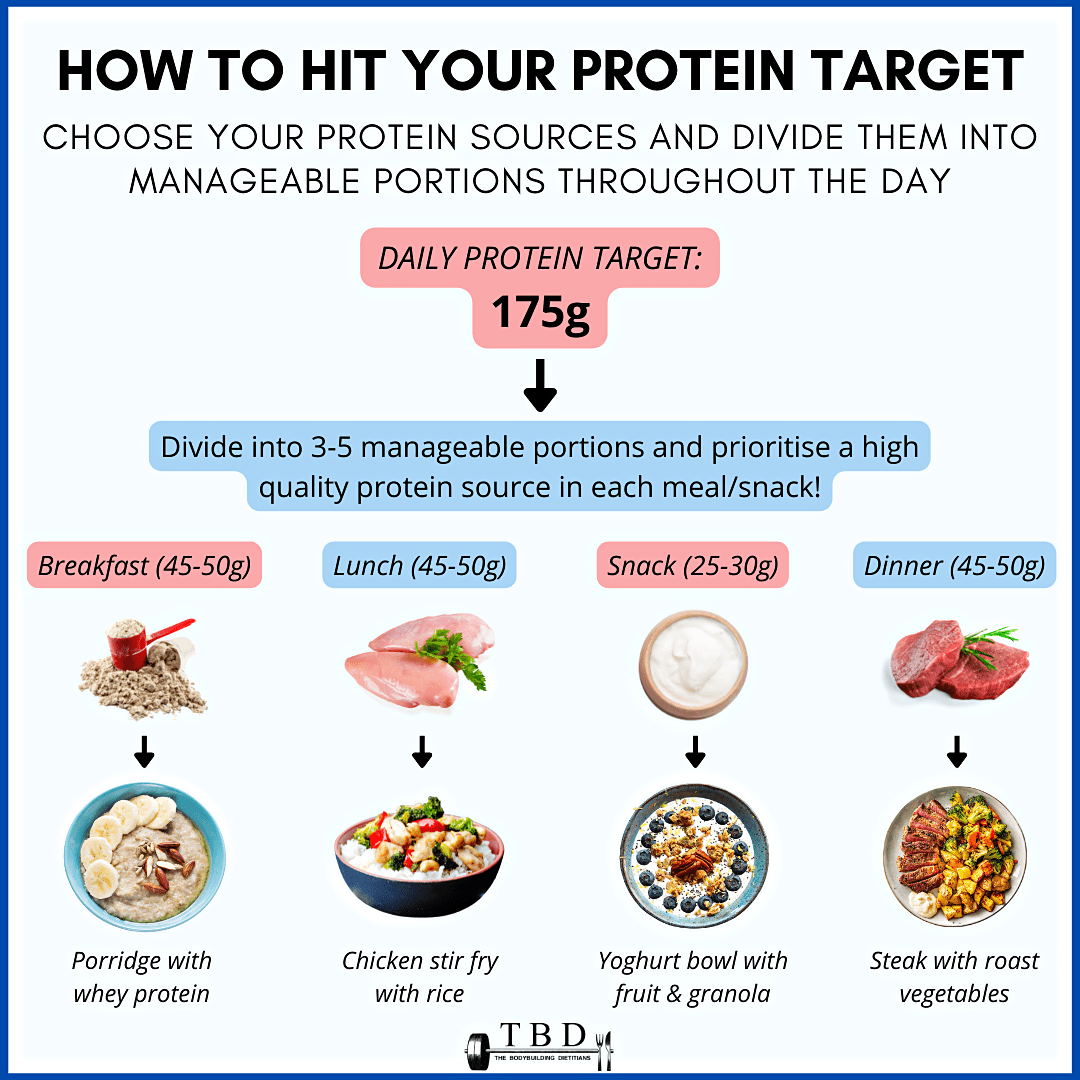
Meal planning and portion control can assist in meeting protein needs. Including a source of protein in each meal, such as lean meat, fish, or plant-based alternatives, can ensure a balanced intake throughout the day. Dividing protein intake into smaller, frequent meals can be beneficial for older adults who may struggle with large portions or decreased appetite.
Alternative protein sources for vegetarians or vegans
For individuals following a vegetarian or vegan diet, there are plenty of alternative protein sources available. Legumes, tofu, tempeh, seitan, quinoa, and certain grains like amaranth and buckwheat are all excellent plant-based protein options. Including a variety of these foods in your diet can help meet your protein needs without relying on animal products.
Supplementation if necessary
In some cases, older adults may require protein supplementation to meet their needs. Protein powders or ready-to-drink protein beverages can be used as a convenient and easily digestible option. However, it is important to consult with a healthcare professional before starting any supplementation to ensure it is appropriate for your specific needs.
Importance of protein distribution throughout the day
Effect of protein distribution on muscle protein synthesis
Distributing protein intake evenly throughout the day can optimize muscle protein synthesis. Muscle protein synthesis is the process by which the body builds and repairs muscle tissue. Consuming an adequate amount of protein at each meal stimulates muscle protein synthesis, promoting muscle growth and maintenance.
Recommended protein distribution for optimal benefits
To maximize the benefits of protein intake, it is recommended to evenly distribute protein throughout the day. Aim to include a source of protein in each meal and snack. This can help provide a steady supply of amino acids to support muscle health, bone health, immune function, and cognitive function.
Meal timing and protein-rich snacks
In addition to distributing protein throughout the day, meal timing can also play a role in optimizing protein utilization. Consuming a source of protein within 30 to 60 minutes after exercise can help promote muscle recovery and repair. Including protein-rich snacks between meals can also help maintain a constant supply of amino acids for muscle protein synthesis.
Potential risks and considerations
Potential risks of excessive protein intake
While protein is essential for health, it is important to be mindful of excessive protein intake. Consuming significantly more protein than the recommended daily amount can put strain on the kidneys and may lead to long-term health issues. It is crucial to follow the recommended protein guidelines and consult with a healthcare professional if considering a high-protein diet or supplementation.
Role of overall diet and lifestyle in healthy aging
Protein is just one piece of the puzzle when it comes to healthy aging. A balanced and varied diet that includes a wide range of nutrients is essential. Alongside adequate protein intake, it is important to consume plenty of fruits, vegetables, whole grains, and healthy fats. Regular physical activity, sufficient sleep, stress management, and avoidance of harmful habits also contribute to overall health and well-being as we age.
Consulting with a healthcare professional
It is always recommended to consult with a healthcare professional, such as a registered dietitian or doctor, before making significant changes to your diet or lifestyle. They can provide personalized guidance and recommendations based on your individual needs, health conditions, and goals.
Conclusion
The role of protein in healthy aging cannot be overstated. Adequate protein intake is essential for maintaining muscle health, bone health, immune function, and cognitive function as we age. Older adults have slightly higher protein requirements and may face challenges in meeting them. However, with careful meal planning, portion control, and the inclusion of protein-rich foods, it is possible to ensure adequate protein intake. The distribution of protein throughout the day, along with considering alternative protein sources and supplementation if necessary, can further optimize the benefits of protein intake. Overall, prioritizing protein and adopting a well-rounded approach to healthy aging can have a significant impact on overall well-being and quality of life in older adults.