

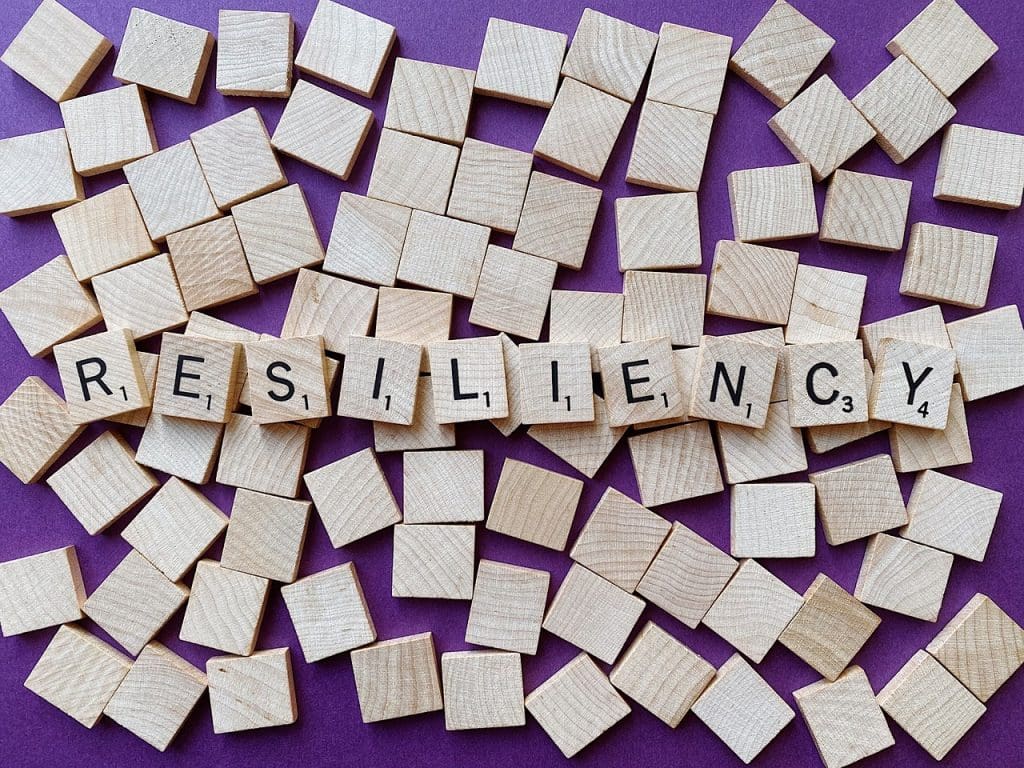
In the pursuit of a fulfilling retirement, it becomes essential to cultivate resilience and inner strength, allowing you to gracefully navigate the challenges that may arise during this new chapter of your life. With the tumultuous pace of our modern world, it is crucial to empower yourself with the tools necessary to maintain a positive mindset and embrace the changes that retirement brings. By adopting certain practices and adopting a growth mindset, you can develop the resilience and inner strength needed to thrive and make the most of your retirement years.
Maintain a Positive Mindset
Retirement can be a significant transition in your life, and it’s essential to approach it with a positive mindset. One way to cultivate positivity is through practicing gratitude. Take a moment each day to reflect on the things you are grateful for, whether it’s a beautiful sunset, a supportive friend, or a good book. This simple practice can shift your focus from what you don’t have to what you do, fostering a sense of contentment and happiness.
Another powerful tool for maintaining a positive mindset is to focus on the present moment. Often, we find ourselves worrying about the past or future, which can create unnecessary stress and anxiety. By staying present and fully engaged in the activities you’re doing, whether it’s gardening, cooking, or spending time with loved ones, you can find joy and fulfillment in the here and now.
Challenging negative thoughts is also crucial for maintaining a positive mindset. Our minds tend to generate negative thoughts automatically, but that doesn’t mean we have to believe them. When negative thoughts arise, question their validity and replace them with more positive and empowering thoughts. For example, if you catch yourself thinking, “I’m too old to try new things,” challenge that thought with, “Age is just a number, and I have the wisdom and experience to explore new adventures.”
Stay Physically Active
Physical activity is not only essential for maintaining your physical health but also plays a significant role in your emotional well-being. Engaging in regular exercise can boost your mood, reduce stress, and improve overall cognitive function. Whether it’s a daily walk, a swim, or a yoga class, find an activity that you enjoy and make it a priority.
In addition to regular exercise, trying new physical activities can help keep things interesting and prevent boredom. Consider exploring activities like dance classes, cycling, or even rock climbing. Trying new things not only challenges you physically but also stimulates your mind and offers you new opportunities for personal growth.
As you prioritize your physical health, don’t forget about self-care. Make sure to take care of yourself by maintaining good hygiene, staying hydrated, and nourishing your body with a balanced and nutritious diet. Remember to listen to your body’s needs and rest when necessary to avoid burnout.
Cultivate Social Connections
Retirement may bring changes in your social circle, as you may no longer have daily interactions with colleagues or work-related events. However, it’s crucial to cultivate social connections during this phase of life. Joining community groups or clubs related to your interests can provide opportunities to meet new people who share your passions. Whether it’s a gardening club, a book club, or a hiking group, engaging with like-minded individuals can foster a sense of belonging and provide a support system.
Staying connected with friends and family is also essential for your overall well-being. Schedule regular phone calls, outings, or even virtual hangouts to maintain those relationships. Plan gatherings or get-togethers to create lasting memories with those who are important to you.
Volunteering or engaging in meaningful activities is another way to cultivate social connections while giving back to your community. Consider volunteering at a local charity, mentoring a younger person, or getting involved in a cause you are passionate about. Not only will you meet new people, but you will also feel a sense of purpose and fulfillment by making a positive impact on the lives of others.
Embrace Lifelong Learning
Retirement is a perfect time to explore new hobbies and interests that you’ve always wanted to pursue. Taking up new hobbies or interests not only keeps your mind active but also provides opportunities for personal growth and self-expression. Whether it’s painting, gardening, photography, or cooking, find something that sparks your curiosity and invest time in it.
Enrolling in classes or workshops can also be an enriching experience. Many universities and community centers offer a wide range of courses for retirees, covering various subjects, including art, history, literature, and technology. Learning in a structured environment can help you stay motivated and provide opportunities for intellectual stimulation and social interaction.
Reading books or listening to educational podcasts is another way to engage in lifelong learning. Choose topics that interest you and dive into the world of literature or podcasts. This not only expands your knowledge but also keeps your mind sharp and engaged.

Create a Purposeful Routine
Setting goals and objectives can provide a sense of direction and purpose in your retirement. Take some time to reflect on what matters most to you and what you desire to achieve. Set both short-term and long-term goals that align with your values and interests. Whether it’s learning a new language, starting a small business, or traveling to new destinations, having goals can keep you motivated and focused.
Once you have established your goals, develop a daily schedule that allows you to work towards them. Having a routine not only brings structure to your life but also ensures that you allocate time for activities that bring you joy and fulfillment. Plan your days in a way that balances productivity, leisure, and relaxation.
While sticking to a routine is important, make sure to engage in activities with a sense of purpose. Even simple tasks like cooking a healthy meal, tending to your garden, or organizing your living space can be approached with mindfulness and intentionality. By infusing purpose into every aspect of your life, you can cultivate a fulfilling and meaningful retirement.
Practice Stress Management Techniques
Retirement may come with its own set of challenges and stressors. However, it’s essential to prioritize your mental and emotional well-being by incorporating stress management techniques into your daily routine.
Meditation or mindfulness practices can help calm your mind and reduce stress levels. Find a quiet and comfortable space, sit in a relaxed position, and focus on your breath. Allow your thoughts to come and go without judgment, and return your attention to the present moment. Even a few minutes of meditation each day can have profound effects on your overall well-being.
Engaging in deep breathing exercises is another effective way to manage stress. Take slow, deep breaths and focus on the sensation of breath entering and leaving your body. Deep breathing activates the body’s relaxation response, reducing stress and promoting a sense of calm.
If you’re looking for a more active way to manage stress, consider trying relaxation techniques like yoga or tai chi. These practices combine movement, breathwork, and mindful awareness, providing a holistic approach to stress reduction.
Seek Support and Guidance
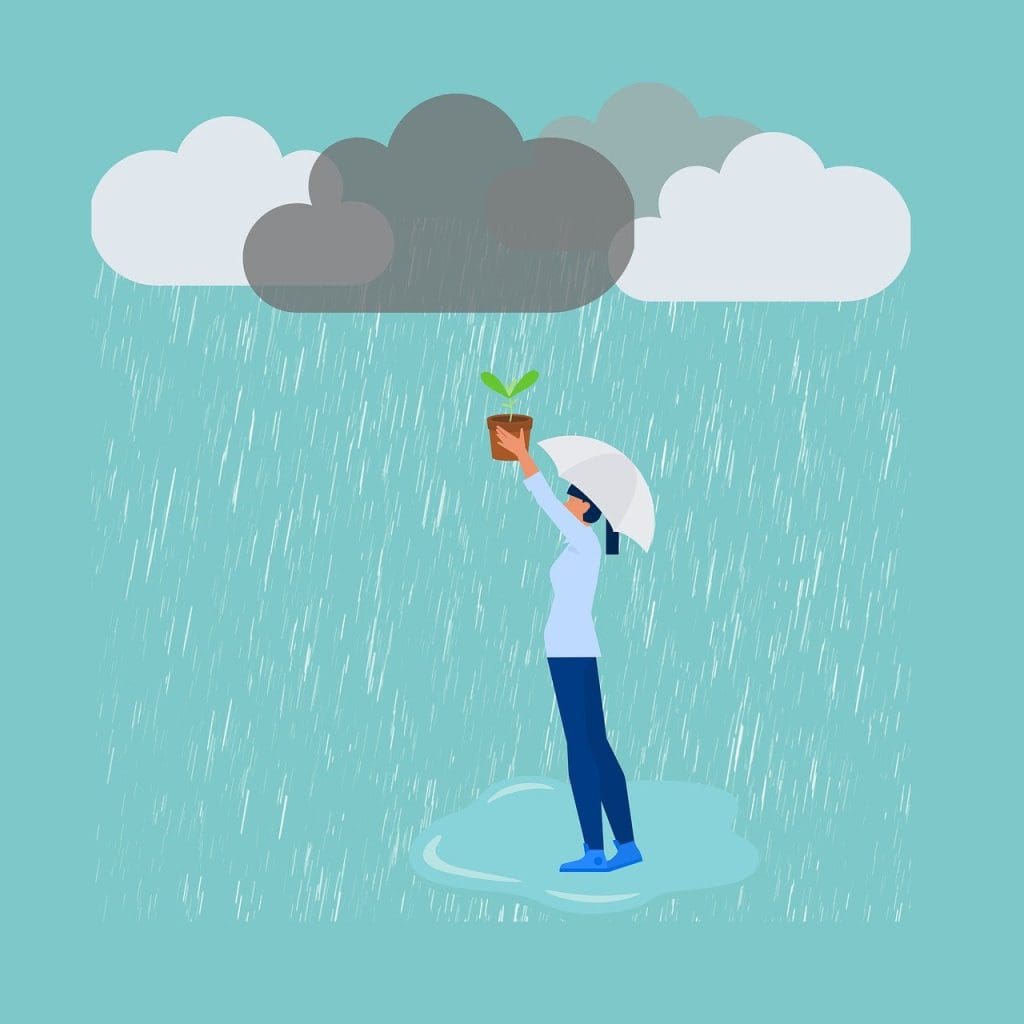
Sometimes, it’s important to seek support and guidance when facing challenges or navigating through life’s transitions. Consider consulting with a therapist or counselor who can provide you with valuable insights, tools, and coping strategies. Therapy can be particularly helpful if you’re experiencing feelings of anxiety, loss, or uncertainty during your retirement.
Joining support groups or counseling programs specifically designed for retirees can be beneficial as well. These groups offer a safe space to share experiences, connect with others who are going through similar situations, and receive emotional support.
Lastly, don’t hesitate to reach out to friends and family for emotional support. Close relationships can provide comfort, understanding, and encouragement during challenging times. Sharing your thoughts and feelings with loved ones can help alleviate stress and provide a sense of connection and belonging.
Maintain a Healthy Lifestyle
Maintaining a healthy lifestyle is vital for your overall well-being during retirement. Eating a balanced diet that includes a variety of fruits, vegetables, whole grains, lean proteins, and healthy fats is essential for optimal physical and mental health. Stay hydrated by drinking plenty of water and limit your consumption of processed foods and sugary drinks.
Getting sufficient sleep is equally important for your well-being. Aim for a consistent sleep schedule and create a calming bedtime routine to enhance the quality of your sleep. Create a sleep-friendly environment by keeping your bedroom dark, cool, and free from distractions. If necessary, consult with a healthcare professional if you’re facing sleep difficulties.
While it’s natural to enjoy a glass of wine or a celebratory toast occasionally, it’s important to avoid excessive alcohol or substance use. These substances can negatively impact your physical health, mental well-being, and overall quality of life. If you find yourself struggling with addiction, seek professional help and support.
Engage in Creative Expression
Engaging in creative activities can be a powerful way to express yourself, tap into your inner creativity, and find joy in the process. Whether it’s painting, drawing, sculpting, or any other artistic activity, allow yourself to explore and experiment without judgment or expectations. Embrace the process rather than focusing solely on the outcome.
Writing or keeping a journal is another form of creative expression that can provide a cathartic release and serve as a record of your thoughts and experiences. Write about your reflections, dreams, and aspirations. Use your journal as a tool for self-discovery and personal growth.
If music has always intrigued you, why not explore it further? Learn to play an instrument, join a choir, or simply enjoy music as a way to relax and uplift your mood. Music has the power to evoke emotions, memories, and a sense of connection with oneself and others.
Embrace Change and Adaptability
Retirement often brings about significant changes in lifestyle, routine, and identity. It’s crucial to embrace change and practice adaptability to navigate through this phase with resilience and inner strength. Accept that change is a natural part of life and that adapting to new circumstances is necessary for growth.
Acknowledge and embrace new challenges that come your way. Each challenge presents an opportunity for personal growth and self-improvement. Instead of shying away from change, have the courage to step outside of your comfort zone and embrace new possibilities.
Learn to let go of what is beyond your control. Understand that not everything will go according to plan, and that’s okay. Instead of dwelling on what could have been, focus on the present moment and find solutions to the challenges you face. Trust in your ability to adapt and find creative solutions.
In conclusion, cultivating resilience and inner strength in your retirement involves maintaining a positive mindset, staying physically active, cultivating social connections, embracing lifelong learning, creating a purposeful routine, practicing stress management techniques, seeking support and guidance when needed, maintaining a healthy lifestyle, engaging in creative expression, and embracing change and adaptability. By incorporating these strategies into your life, you can navigate this new phase with confidence, resilience, and a sense of fulfillment. Retirement can be an exciting opportunity for personal growth, exploration, and self-discovery. Embrace it with an open heart and mind, and you’ll find that the possibilities are endless.