
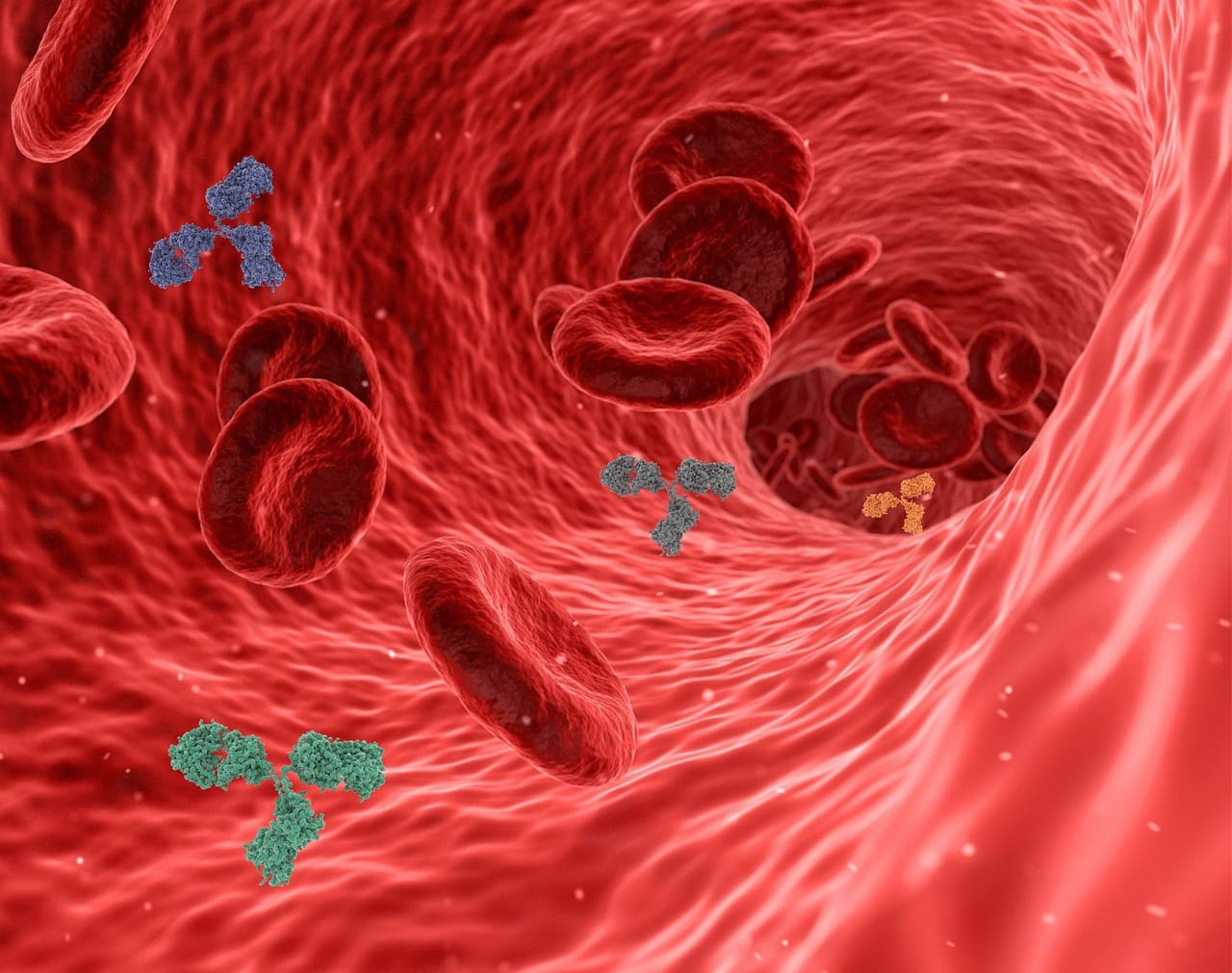
During cold and flu season, it’s essential to take proactive steps in supporting your immune system to keep yourself healthy. From getting enough sleep, eating a nutritious diet, staying hydrated, and practicing good hygiene, there are various ways to strengthen your body’s defenses. Additionally, incorporating immune-boosting supplements and regularly exercising can further enhance your immune system’s ability to fight off viruses and bacteria. By adopting these simple yet effective strategies, you can give your immune system the support it needs to stay strong and protect you during this chilly time of the year.
Maintain a Healthy Diet
Eating a variety of fruits and vegetables is crucial for supporting your immune system. These colorful foods are packed with essential vitamins, minerals, and antioxidants that help strengthen your body’s defenses against cold and flu viruses. Aim to incorporate a rainbow of fruits and vegetables into your meals to ensure you’re getting a wide range of nutrients.
Including lean protein sources in your diet is also important for immune health. Protein is necessary for the production of antibodies, which are vital for fighting off infections. Opt for lean meats like chicken, turkey, and fish, as well as plant-based sources such as beans, lentils, and tofu. These protein-rich foods will not only support your immune system but also help keep you feeling satisfied and energized throughout the day.
Increasing your intake of immune-boosting foods is another way to support your body’s defenses. Foods rich in vitamin C, such as oranges, strawberries, and bell peppers, are known to enhance immune function. Additionally, incorporating foods that contain zinc, like seafood, nuts, and seeds, can help strengthen your immune system’s response to viruses. Don’t forget to include probiotic-rich foods like yogurt, sauerkraut, and kefir to support your gut health, as a healthy gut is closely linked to a robust immune system.
Lastly, staying hydrated is essential for maintaining a strong immune system. Drinking plenty of water and herbal teas throughout the day helps flush out toxins and keeps your body functioning optimally. Avoid excessive consumption of sugary or caffeinated beverages, as these can dehydrate your body and weaken your immune system.
Get Regular Exercise
Engaging in regular exercise is not only beneficial for your overall health but also for supporting your immune system. Aim for at least 150 minutes of moderate-intensity physical activity each week, such as brisk walking, swimming, or cycling. Exercise helps improve blood circulation, reduce inflammation, and promote the production of immune cells, all of which contribute to a stronger immune system.
Whenever possible, try to exercise outdoors to benefit from fresh air and sunlight. Sunlight provides your body with vitamin D, which plays a crucial role in immune function. Just remember to protect your skin from excessive sun exposure by wearing sunscreen and appropriate clothing.
Incorporating activities that reduce stress levels is equally important for supporting your immune system. High levels of stress can have a negative impact on your immune system, making you more susceptible to illness. Consider adding stress-reducing activities such as yoga, meditation, or tai chi to your exercise routine. These practices help promote relaxation, reduce inflammation, and improve overall well-being.
Prioritize Good Sleep Habits
Establishing a consistent sleep schedule is vital for a healthy immune system. Your body needs adequate sleep to repair and rejuvenate itself, ensuring optimal immune function. Aim for 7-9 hours of quality sleep each night, and try to stick to a consistent sleep-wake cycle, even on weekends. This helps regulate your body’s internal clock and promotes better overall health.
Creating a relaxing bedtime routine can help signal to your body that it’s time to wind down and prepare for sleep. Consider activities such as taking a warm bath, reading a book, or practicing gentle stretches or deep breathing exercises. Avoid engaging in stimulating activities or using electronic devices close to bedtime, as the blue light emitted from screens can interfere with your sleep quality.
Ensure that your sleep environment is comfortable and conducive to good sleep. Invest in a supportive mattress and pillow, and keep your bedroom cool, dark, and quiet. If necessary, use earplugs, an eye mask, or a white noise machine to create a peaceful sleep environment.
To further support your sleep and immune health, limit exposure to electronic devices before bed. The blue light emitted by smartphones, tablets, and computers can disrupt your sleep patterns and make it harder for you to fall asleep. Instead, try engaging in relaxing activities like reading a book, listening to calming music, or practicing deep breathing exercises to promote relaxation and prepare your body for sleep.
Practice Good Hygiene
Practicing good hygiene is crucial for preventing the spread of cold and flu viruses. One of the simplest yet most effective ways to protect yourself is to wash your hands frequently with soap and water. Proper handwashing should involve scrubbing your hands with soap for at least 20 seconds, paying close attention to the palms, back of the hands, between the fingers, and under the nails. Remember to dry your hands thoroughly with a clean towel or air dryer.
Avoid close contact with sick individuals, especially during cold and flu season. Viruses are easily transmitted through respiratory droplets when an infected person coughs, sneezes, or talks. If you find yourself in close proximity to someone who is sick, consider wearing a mask or maintaining a distance to minimize your risk of exposure.
Covering your mouth and nose when coughing or sneezing is another important hygiene practice. Use a tissue or your bent elbow to cover your mouth and nose to prevent respiratory droplets from spreading. Dispose of used tissues immediately and wash your hands afterward.
Regularly cleaning and disinfecting frequently-touched objects and surfaces in your home or workplace can help prevent the spread of viruses. Use appropriate cleaning products, such as disinfectant wipes or sprays, and focus on areas that are frequently touched, such as doorknobs, light switches, countertops, and electronic devices.

Manage Stress Levels
While it may not be possible to eliminate stress entirely, managing stress levels is crucial for supporting your immune system. Chronic stress can have a negative impact on your immune function, making you more vulnerable to illnesses such as colds and flu. Fortunately, there are various stress-reducing activities and strategies you can incorporate into your daily routine.
Engaging in stress-reducing activities such as yoga, meditation, or deep breathing exercises can help promote relaxation and calmness. These practices activate the body’s relaxation response, reducing the production of stress hormones and boosting immune function. Dedicate some time each day to these activities to help reduce stress and improve your overall well-being.
Spending time doing hobbies or activities you enjoy is another effective way to manage stress levels. Engaging in activities such as painting, gardening, playing a musical instrument, or cooking can provide a sense of fulfillment and relaxation. Find activities that bring you joy and make time for them regularly to support your mental and emotional well-being.
Connecting with friends and loved ones for emotional support is also vital for managing stress. Share your worries and concerns with trusted individuals, as talking about your feelings can help alleviate stress. Seek social support when needed, whether through phone calls, video chats, or in-person interactions (while adhering to social distancing guidelines). Remember, you don’t have to face stress alone – reach out to your support network and lean on them when needed.
If stress becomes overwhelming and begins to interfere with your daily life, don’t hesitate to seek professional help. Speak to a mental health professional who can provide guidance and support tailored to your specific needs. They will help you develop healthy coping strategies and provide tools to manage stress effectively.
Consider Supplements
Supplements can be a useful addition to a healthy lifestyle, but it’s important to consult with a healthcare professional before taking any. They can assess your specific needs and recommend appropriate supplements that may be beneficial for supporting your immune system.
Ensuring you’re getting adequate amounts of vitamins C, D, and zinc is particularly important for immune health. Vitamin C is known for its immune-boosting properties and can be found in fruits like oranges, strawberries, and kiwis, as well as in vegetables such as bell peppers and broccoli. Vitamin D, often referred to as the sunshine vitamin, is synthesized in the body when exposed to sunlight. However, during winter and for those with limited sun exposure, a vitamin D supplement may be necessary. Zinc plays a crucial role in immune function and can be obtained from foods like seafood, nuts, seeds, and legumes, or through supplementation if needed.
Exploring herbal remedies such as echinacea or elderberry can also support your immune system. Echinacea, commonly available as a supplement or herbal tea, has been traditionally used to boost immune function and reduce the duration of cold symptoms. Elderberry, often consumed in syrup or gummy form, is rich in antioxidants and may help alleviate cold and flu symptoms.
Probiotics, which support gut health, can also play a role in supporting your immune system. A healthy gut microbiome is essential for proper immune function. Consider incorporating probiotic-rich foods like yogurt, kefir, sauerkraut, or kimchi into your diet. Alternatively, a probiotic supplement may be recommended by your healthcare professional.
Remember, supplements should be used in conjunction with a healthy diet and lifestyle and not as a replacement for them. Consult with a healthcare professional to determine the most appropriate supplements for your individual needs.
Stay Hydrated
Staying hydrated is essential for supporting your overall health and immune system. Water plays a vital role in nearly every bodily function, including maintaining proper immune function. Aim to drink plenty of water throughout the day, even if you don’t feel thirsty. Adequate hydration helps flush toxins out of your body, regulates body temperature, aids in digestion, and allows your immune system to function optimally.
If you find plain water boring, try adding slices of lemon or cucumber to enhance its flavor. Lemon water can help alkalize your body and provide a natural source of vitamin C, while cucumber adds a refreshing hint of flavor. These additions can make drinking water more enjoyable and encourage you to hydrate regularly.
It’s important to avoid excessive consumption of sugary or caffeinated beverages, as they can have dehydration effects on the body. Opt for water or herbal teas as your primary sources of hydration, as these are healthier choices that provide necessary fluids without added sugars or caffeine.
Remember, staying hydrated is not only important during cold and flu season but all year round. Make it a habit to prioritize regular hydration, and your body, including your immune system, will thank you.
Avoid Smoking and Limit Alcohol Intake
Smoking and excessive alcohol consumption can have a detrimental effect on your immune system, making you more susceptible to infections. Quitting smoking or avoiding exposure to secondhand smoke is crucial for supporting your immune health. Smoking damages the lungs and impairs their ability to fight off infections, increasing the risk of respiratory illnesses. If you’re a smoker, consider seeking assistance from healthcare professionals, support groups, or smoking cessation programs to help you quit successfully.
Similarly, limiting alcohol intake is important for maintaining a strong immune system. Excessive alcohol consumption can impair the function of immune cells, making it harder for your body to fight off infections. Aim to moderate your alcohol intake and avoid binge drinking. If you need help reducing your alcohol consumption, reach out to healthcare professionals or support groups for assistance.
By avoiding smoking and limiting alcohol intake, you can significantly boost your immune system’s ability to protect your body from cold and flu viruses.
Take Precautions in Public Places
When venturing out into public places, it’s important to take precautions to reduce your risk of exposure to cold and flu viruses. Wearing a mask in crowded or poorly ventilated areas can help minimize the spread of respiratory droplets and protect both yourself and others. Choose a mask that fully covers your mouth and nose and ensure it fits snugly against the sides of your face.
In situations where soap and water are not readily available, use hand sanitizer with at least 60% alcohol content. Apply a sufficient amount to your hands and rub them together until the sanitizer dries. Hand sanitizer is a convenient option when you’re on the go and can help kill germs and prevent infection.
Avoid touching your face, particularly your eyes, nose, and mouth, as these are entry points for viruses. Cold and flu viruses can easily be transferred from contaminated surfaces to your hands and then to your face. Practice good hand hygiene and avoid touching your face unless you have recently washed or sanitized your hands.
Maintaining social distancing whenever possible is another effective way to reduce your risk of exposure to cold and flu viruses. Keep a distance of at least six feet from others, especially if they are showing signs of illness. Avoid crowded areas and choose less densely populated places when running errands or spending time in public spaces.
By taking these precautions in public places, you can help protect yourself and others from cold and flu viruses, reducing the spread of infections.
Listen to Your Body
One of the most important aspects of maintaining a healthy immune system is listening to your body’s needs. Rest is crucial when you feel tired or unwell. Pushing yourself too hard can weaken your immune system and make it harder for your body to fight off infections. Take breaks, prioritize self-care, and allow yourself to rest when needed.
If you’re feeling sick, it’s essential to stay home and avoid contact with others to prevent the spread of illness. Resting and allowing your body time to recover is the best course of action. If your symptoms worsen or persist, seek medical advice from a healthcare professional who can provide appropriate guidance and treatment.
Pay attention to any changes in your body, as they may indicate potential health issues. Trust your instincts and seek medical advice if you have concerns about your health. Regular check-ups and preventive care can help you catch any underlying health conditions early on and take appropriate action.
Taking care of your health, both physically and emotionally, is a crucial component of supporting your immune system and overall well-being. Listen to your body’s signals, prioritize self-care, and seek medical advice when needed. You are your best advocate when it comes to your health.