
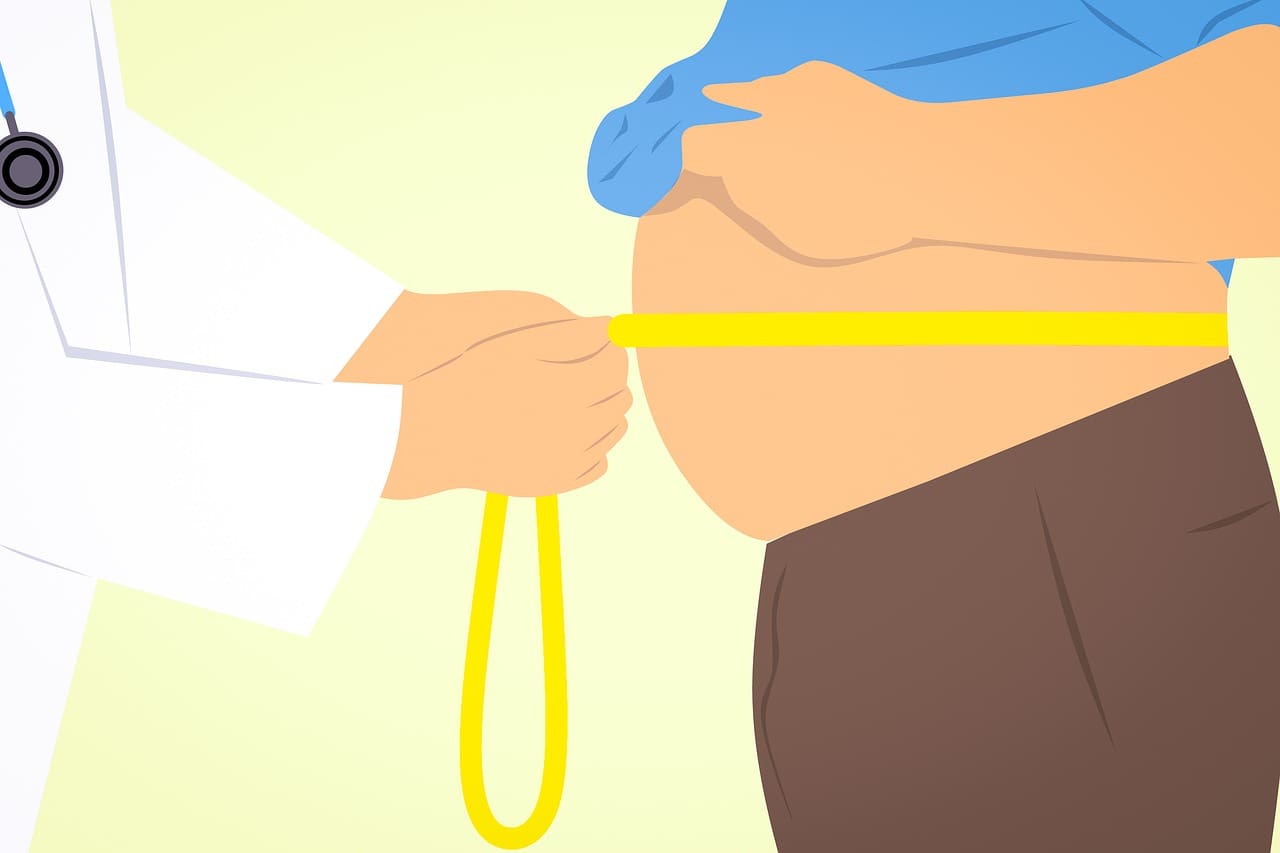
Maintaining a healthy weight after menopause can seem like an uphill battle, but fear not! In this article, you will discover the best practices for managing your weight during this transformative phase of life. We’ll explore practical strategies to optimize your diet, make exercise enjoyable, and prioritize self-care. With these tips in your arsenal, you’ll be well-equipped to embrace your post-menopausal years with confidence and vitality. Say goodbye to frustration and hello to a healthier and happier you!
Setting Realistic Goals
Understand the changes during menopause
As you go through menopause, it’s important to understand the changes your body is experiencing. Hormonal shifts during menopause can affect your metabolism and make it more challenging to maintain a healthy weight. It’s normal for women to gain weight during this time, but it doesn’t mean you have to give up on your goals. By understanding these changes, you can set realistic goals that are achievable and sustainable.
Consult with a healthcare professional to set attainable goals
When it comes to setting weight management goals during menopause, it’s essential to consult with a healthcare professional. They can provide personalized advice based on your age, health status, and lifestyle. A healthcare professional can help you determine a healthy weight range for your body and guide you in developing a plan that takes into account any underlying medical conditions you may have.
Consider factors such as age, health status, and lifestyle
When setting weight management goals during menopause, it’s crucial to consider factors such as your age, health status, and lifestyle. These factors play a significant role in determining what is realistic and attainable for you. For example, if you have a sedentary lifestyle, a more aggressive exercise plan may not be suitable for you. By taking these factors into account, you can set goals that are tailored specifically to your unique situation and increase your chances of success.
Maintaining a Balanced Diet
Focus on nutrient-rich foods
Maintaining a balanced diet is key to managing your weight during menopause. Focus on incorporating nutrient-rich foods into your meals and snacks. These include fruits, vegetables, whole grains, lean proteins, and healthy fats. These foods provide your body with the essential nutrients it needs while keeping you feeling satisfied and full.
Include plenty of fruits and vegetables
Fruits and vegetables are essential for weight management and overall health. They are low in calories and high in fiber, which can help you feel full while consuming fewer calories. Aim to fill half your plate with colorful fruits and vegetables at each meal. This not only aids in weight management but also provides your body with a variety of vitamins, minerals, and antioxidants.
Choose whole grains and lean protein sources
When it comes to carbohydrates, opt for whole grains such as brown rice, quinoa, and oats. These grains are high in fiber and can help keep you feeling satisfied. Additionally, choose lean protein sources such as chicken, turkey, fish, tofu, and legumes. Protein is essential for building and preserving muscle mass, which is crucial for overall health and maintaining a healthy weight.
Limit processed foods and added sugars
Processed foods and added sugars can contribute to weight gain and negatively impact your health. They are often high in calories and low in nutrients, leaving you feeling unsatisfied and craving more food. Limit your intake of processed foods and aim to minimize added sugars in your diet. Read food labels to identify hidden sugars and opt for whole, unprocessed foods whenever possible.
Stay hydrated
Staying hydrated is essential for overall health and weight management. Water can help you feel full and curb your appetite. Aim to drink at least eight cups of water per day, and consider swapping sugary beverages for water or herbal tea. If you struggle with drinking enough water, try adding flavor to your water with fruits or herbs to make it more enjoyable.
Portion Control
Pay attention to serving sizes
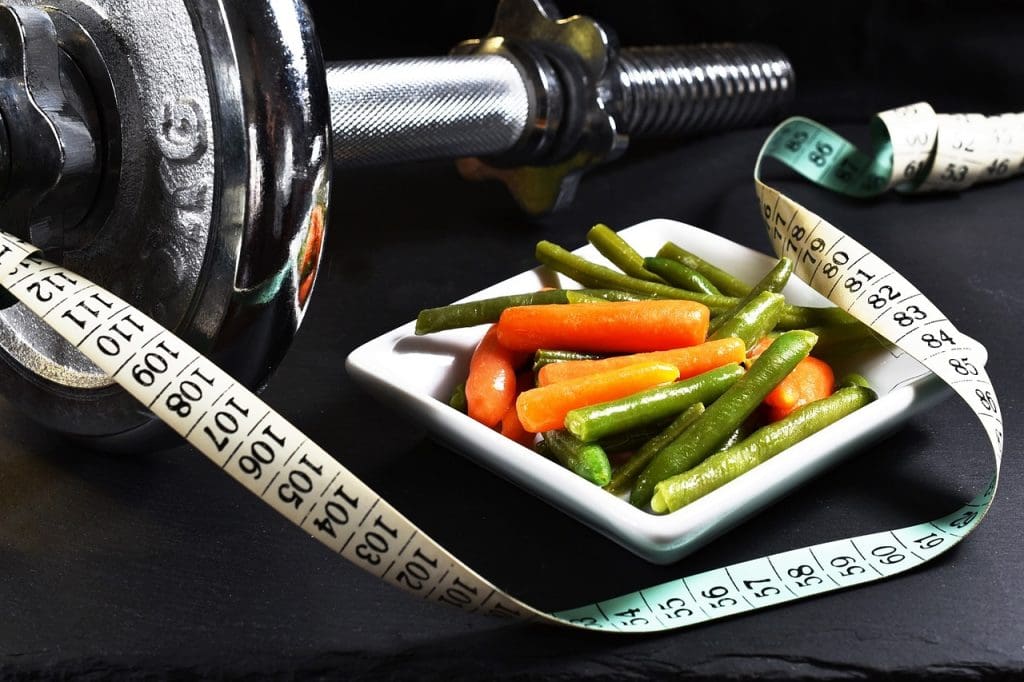
Portion control plays a crucial role in managing your weight after menopause. It’s important to pay attention to serving sizes and not overeat. Many people have a tendency to eat larger portions than necessary, which can contribute to weight gain. Use measuring cups or a food scale to help you understand what a proper portion size looks like.
Use smaller plates and bowls
Another helpful strategy for portion control is to use smaller plates and bowls. When you eat from a smaller dish, it can create the illusion of a larger portion. This can help you feel satisfied with less food. Try using salad plates instead of dinner plates, and choose smaller bowls for cereal or soups.
Eat slowly and savor each bite
Eating slowly and savoring each bite can help you tune in to your body’s hunger and fullness cues. It takes time for your brain to register that you’re full, so slow down and enjoy your meal. Chew your food thoroughly and put your fork down between bites. This mindful eating approach can help prevent overeating and allow you to feel satisfied with smaller portions.
Avoid eating in front of screens
Eating in front of screens, such as the television or computer, can lead to mindless eating. When you’re distracted by a screen, you’re less likely to pay attention to your body’s signals of hunger and fullness. Instead, try to eat your meals and snacks at a designated table or area where you can focus on your food without distractions.
Regular Physical Activity
Engage in aerobic exercises for at least 150 minutes per week
Regular physical activity is essential for weight management and overall health. Aim to engage in aerobic exercises, such as brisk walking, swimming, or cycling, for at least 150 minutes per week. This can help burn calories, boost your metabolism, and improve cardiovascular health.
Incorporate strength training exercises to build muscle mass
In addition to aerobic exercises, it’s important to incorporate strength training exercises into your routine. Building muscle mass can help increase your metabolism and burn more calories throughout the day. Include exercises that target all major muscle groups, such as weightlifting, resistance band workouts, or bodyweight exercises.
Include flexibility and balance exercises
Flexibility and balance exercises are also important for maintaining overall health and preventing injuries. Yoga, Pilates, or tai chi are excellent options for improving flexibility, balance, and posture. These exercises can also help reduce stress and promote relaxation, which is essential for overall well-being during menopause.
Find activities you enjoy and make them a part of your routine
The key to maintaining an active lifestyle is finding activities that you enjoy and making them a part of your routine. Whether it’s dancing, hiking, swimming, or participating in group fitness classes, find activities that you look forward to and prioritize them in your schedule. When you enjoy the exercise you’re doing, it’s easier to stick to it in the long run.

Stress Management
Practice relaxation techniques such as deep breathing or meditation
Managing stress is crucial for weight management during menopause. Chronic stress can lead to emotional eating and hinder your weight loss efforts. Practice relaxation techniques such as deep breathing, meditation, or mindfulness exercises. These techniques can help reduce stress levels, promote relaxation, and improve overall well-being.
Engage in activities that reduce stress like yoga or tai chi
Engaging in activities that reduce stress can have a positive impact on your weight management journey. Activities such as yoga, tai chi, or taking walks in nature can help you relax and clear your mind. These activities not only reduce stress but also provide an opportunity for self-care and reflection.
Get enough sleep and establish a regular sleep schedule
Getting enough sleep is essential for weight management and overall health. Lack of sleep can lead to hormonal imbalances and increased appetite. Aim to get at least 7-8 hours of quality sleep each night and establish a regular sleep schedule. Create a relaxing bedtime routine and create a sleep-friendly environment in your bedroom.
Tracking Food Intake
Keep a food diary to monitor eating habits
Keeping a food diary can be a helpful tool for managing your weight during menopause. It allows you to track your eating habits, including portion sizes and food choices. This can help you identify patterns, triggers for unhealthy eating, and areas where you can make improvements. Use a notebook, smartphone app, or online tool to track your food intake.
Track portion sizes and calorie intake
In addition to keeping a food diary, tracking portion sizes and calorie intake can help you stay accountable and make informed choices. Use a food scale, measuring cups, or portion control aids to ensure you’re consuming appropriate portions. Online calorie trackers can also help you estimate your calorie intake and monitor your progress.
Identify triggers for unhealthy eating patterns
Understanding your triggers for unhealthy eating patterns is essential for making lasting changes. Take note of situations, emotions, or environments that tend to lead to overeating or unhealthy food choices. Once you identify these triggers, you can develop strategies to cope with them in a healthier way, such as finding alternative stress-relieving activities or practicing mindful eating techniques.
Seek help from a registered dietitian, if needed
If you’re struggling to manage your weight on your own, seek help from a registered dietitian. They can provide personalized guidance, create a customized meal plan, and help you overcome any obstacles you may be facing. A registered dietitian can also help you navigate any dietary restrictions or health conditions you may have while still achieving your weight management goals.
Seeking Social Support
Join a weight management support group
Joining a weight management support group can provide you with a supportive community of individuals facing similar challenges. These groups can provide accountability, motivation, and a safe space to share your successes and struggles. Consider joining an in-person or online support group to connect with others who understand what you’re going through.
Share challenges and successes with friends or family
In addition to joining a support group, sharing your challenges and successes with friends or family can also provide valuable support. Having loved ones who are cheering you on and holding you accountable can make a significant difference in your weight management journey. Don’t hesitate to reach out to those close to you for encouragement and support.
Find an accountability partner to stay motivated
An accountability partner can be an excellent source of motivation and support. Choose someone you trust and who shares similar health goals. Share your goals with them, and regularly check-in to discuss progress and challenges. Having someone to hold you accountable can increase your commitment and help you stay on track.
Hormonal Therapy Considerations
Discuss hormone replacement therapy (HRT) with a healthcare professional
Hormone replacement therapy (HRT) is a treatment option that involves replacing hormones that your body is no longer producing at the same level as before menopause. If you’re considering HRT, it’s essential to discuss the potential benefits and risks with a healthcare professional. They can help you weigh the pros and cons and determine if HRT is a suitable option for you.
Understand the risks and benefits of HRT
It’s important to have a clear understanding of the risks and benefits of hormone replacement therapy (HRT) before making a decision. HRT can help relieve menopausal symptoms such as hot flashes and night sweats, but it also carries certain risks. These include an increased risk of blood clots, heart disease, and certain types of cancer. Work closely with your healthcare professional to weigh the potential benefits against the risks.
Consider alternative treatments and lifestyle modifications
If you’re hesitant about hormone replacement therapy or it’s not a suitable option for you, consider alternative treatments and lifestyle modifications. There are natural remedies and lifestyle changes that can help manage menopausal symptoms and support weight management. These include herbal supplements, acupuncture, bio-identical hormone therapy, and stress reduction techniques. Discuss these options with your healthcare professional to determine the best approach for you.
Monitoring Health Markers
Check blood pressure, cholesterol levels, and blood sugar regularly
Monitoring your health markers is essential for staying on top of your overall health. Regularly check your blood pressure, cholesterol levels, and blood sugar to identify any potential concerns or risk factors. High blood pressure, high cholesterol, and elevated blood sugar levels can increase your risk of developing health problems such as heart disease and diabetes.
Maintain a healthy weight within a normal range
Maintaining a healthy weight within a normal range is crucial for overall health and reducing the risk of chronic diseases. Regularly monitor your weight and body mass index (BMI) to ensure you’re within a healthy range. If you’re struggling to maintain a healthy weight, consult with a healthcare professional or registered dietitian for guidance and support.
Get regular check-ups and screenings
Regular check-ups and screenings are essential for detecting any health issues early on. Schedule routine visits with your healthcare professional to monitor your overall health. They can perform necessary screenings, such as mammograms or bone density tests, and address any concerns or questions you may have.
Celebrating Non-Scale Victories
Focus on overall well-being and positive changes
Weight management after menopause is not just about the number on the scale. It’s important to focus on your overall well-being and the positive changes you’re making in your life. Celebrate the improvements in your energy levels, your ability to engage in physical activities, and the positive impact your lifestyle changes have on your overall health.
Celebrate milestones such as improved energy levels or fitness achievements
Instead of solely focusing on weight loss, celebrate other milestones along your journey. Take pride in improved energy levels, increased strength, or achieving fitness goals. These non-scale victories are essential indicators of progress and can help keep you motivated and encouraged throughout your weight management journey.
Avoid solely relying on the number on the scale
While it’s natural to want to see a decrease in the number on the scale, it’s important not to solely rely on it as a measure of success. Weight fluctuates for various reasons, and it’s not always an accurate reflection of your progress. Instead, use a combination of factors such as how you feel, your energy levels, and improvements in your overall health as indicators of success.
By following these best practices for weight management after menopause, you can set yourself up for success. Remember to approach your goals with patience, kindness, and a focus on overall well-being. With a balanced diet, regular physical activity, stress management techniques, and monitoring your health markers, you can achieve a healthy weight and thrive during this phase of life. Seek the support and guidance of healthcare professionals, registered dietitians, and a supportive community to help you stay accountable and motivated on your weight management journey. Celebrate your achievements and embrace the positive changes you’re making in your life. You’ve got this!