
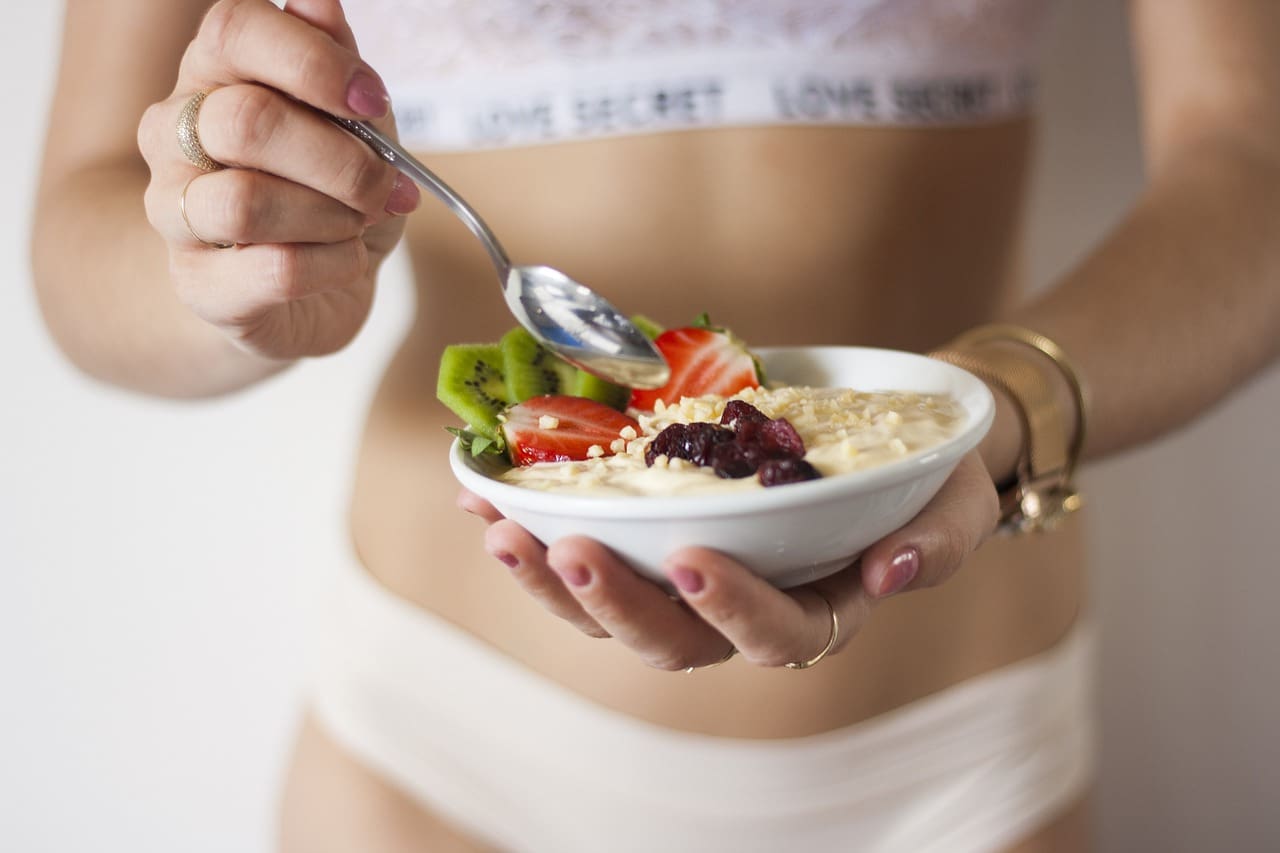
Congratulations on your pregnancy! As you embark on this incredible journey of motherhood, it’s vital to prioritize your health and nutrition. In this article, we will share essential tips to ensure you maintain a well-balanced diet during pregnancy, promoting the optimal development of your baby and keeping you in top shape. From incorporating nutrient-rich foods to staying hydrated and managing cravings, these tips will guide you in making healthy choices throughout this precious time. So, grab a cup of herbal tea, sit back, and let’s explore how you can nourish both yourself and your growing bundle of joy!

Importance of Healthy Nutrition During Pregnancy
Pregnancy is a significant and transformative period in a woman’s life. Taking care of your health and well-being during this time is essential, not just for yourself but also for the healthy growth and development of your baby. Proper nutrition plays a crucial role in ensuring a positive pregnancy experience and reducing the risk of complications.
Ensuring Proper Growth and Development of the Baby
During pregnancy, your body goes through various changes to support the growth and development of your baby. The nutrients you consume are the building blocks that help create and nurture your baby’s organs, tissues, and overall well-being. Adequate nutrition is especially vital during the early stages of pregnancy when the baby’s organs are forming. By providing your body with a balanced and nutritious diet, you can ensure that your baby has the best start in life.
Maintaining Maternal Health
Pregnancy can put additional strain on your body, both physically and mentally. Proper nutrition is crucial for maintaining your overall health and well-being during this time. Nutrient-rich foods can support your immune system, energy levels, and general well-being. By taking care of your own health, you are also setting a positive example for your baby and ensuring that you have the energy and strength to fully embrace the joys of motherhood.
Reducing the Risk of Complications
A well-rounded and nutritious diet can significantly reduce the risk of complications during pregnancy. Certain nutrients, such as folic acid, iron, and calcium, play a vital role in preventing birth defects, anemia, and other pregnancy-related complications. By focusing on healthy nutrition, you can minimize potential risks and ensure a smoother and safer pregnancy journey for both you and your baby.
Caloric Requirements During Pregnancy
When you’re pregnant, your body requires additional calories to support the growth and development of your baby. It’s important to meet these increased calorie needs without overeating or compromising the quality of your diet.
Increasing Daily Calorie Intake
On average, most pregnant women need an extra 300-500 calories per day during their second and third trimesters. However, this number can vary depending on your pre-pregnancy weight, activity level, and overall health. Consult with your healthcare provider to determine your specific caloric needs and create a personalized plan.
Balancing Macronutrients
While it’s important to increase your calorie intake, it’s equally important to focus on the quality of the calories you consume. A well-balanced diet should consist of macronutrients like carbohydrates, proteins, and fats in appropriate proportions. Opt for whole grains, lean sources of protein, and healthy fats to nourish your body and support your baby’s growth.
Consulting a Healthcare Provider for Personalized Advice
Every pregnancy is unique, and your nutritional needs may vary based on your individual circumstances. It’s crucial to work closely with your healthcare provider or a registered dietitian who specializes in prenatal nutrition. They can provide personalized guidance, address any concerns or complications, and ensure that you are getting the right nutrients in the right amounts throughout your pregnancy.
Key Nutrients for Pregnancy
Several key nutrients play a vital role in supporting your baby’s growth and development during pregnancy. Incorporating these nutrients into your diet can have numerous benefits for both you and your baby.
Folic Acid for Neural Tube Development
Folic acid is a B vitamin that is essential for the development of your baby’s neural tube, which later becomes their brain and spinal cord. It is recommended to consume at least 600-800 micrograms of folic acid daily, ideally starting before conception. Leafy green vegetables, beans, fortified cereals, and citrus fruits are excellent sources of folic acid.
Iron for Increased Blood Production
Iron is crucial for the production of red blood cells, which carry oxygen to both you and your baby. Pregnant women often need more iron to support the increased blood volume and prevent iron deficiency anemia. Good sources of iron include lean meats, leafy green vegetables, beans, and fortified cereals. Pairing iron-rich foods with vitamin C-rich foods, such as citrus fruits or tomatoes, can enhance iron absorption.
Calcium for Bone Development
Calcium is essential for the development of your baby’s bones and teeth. It also plays a crucial role in maintaining your own bone health during pregnancy. Dairy products like milk, yogurt, and cheese are excellent sources of calcium. If you are lactose intolerant or follow a vegan diet, there are many calcium-fortified alternatives available, such as almond milk or tofu.
Omega-3 Fatty Acids for Brain and Eye Development
Omega-3 fatty acids, particularly DHA (docosahexaenoic acid), are essential for the development of your baby’s brain and eyes. Consuming adequate amounts of omega-3 fatty acids during pregnancy may also be beneficial for your baby’s cognitive development. Good sources of omega-3 fatty acids include fatty fish like salmon, trout, and sardines, as well as chia seeds and walnuts.
Protein for Tissue Growth and Repair
Protein is crucial for the growth and repair of tissues in both you and your baby’s bodies. Aim to include lean sources of protein such as poultry, lean meats, eggs, legumes, and tofu in your diet. Nuts and seeds also provide a good amount of protein, making them a healthy and convenient snack option.
Foods to Include in a Pregnancy Diet
Maintaining a well-rounded and diverse diet is key to meeting your nutritional needs during pregnancy. Focus on incorporating the following foods into your daily meals to ensure a balanced and nourishing diet for you and your baby.
Fruits and Vegetables for Vitamins and Minerals
Fruits and vegetables are rich in essential vitamins, minerals, and antioxidants that support your overall health and your baby’s development. They provide important nutrients like vitamin C, vitamin A, and folate. Add a colorful variety of fruits and vegetables to your plate, ensuring you have a good mix of leafy greens, citrus fruits, berries, and other vibrant produce.
Whole Grains for Fiber and Energy
Whole grains, such as brown rice, quinoa, whole wheat bread, and oatmeal, are excellent sources of fiber and energy. They provide essential nutrients like B vitamins, iron, and magnesium. Incorporate whole grains into your meals to help regulate digestion, provide sustained energy, and contribute to a healthy pregnancy weight gain.
Lean Sources of Protein for Muscle Development
Protein is a crucial macronutrient for the growth and development of tissues in both you and your baby. Opt for lean sources of protein, such as skinless poultry, lean meats, fish, eggs, legumes, and tofu. These foods provide high-quality protein along with other important nutrients like iron and omega-3 fatty acids.
Dairy Products for Calcium
Calcium is essential for the development of your baby’s bones and teeth, as well as for maintaining your own bone health. Dairy products like milk, yogurt, and cheese are excellent sources of calcium. Choose low-fat or non-fat options to minimize saturated fat intake.
Healthy Fats for Brain Development
Including healthy fats in your diet is crucial for your baby’s brain and nervous system development. Good sources of healthy fats include avocados, nuts, seeds, olive oil, and fatty fish like salmon and mackerel. These fats provide essential omega-3 fatty acids and other nutrients that support your baby’s cognitive growth.

Foods to Avoid During Pregnancy
While it’s important to focus on consuming nutrient-rich foods, there are certain foods that should be avoided during pregnancy to minimize the risk of foodborne illnesses or other complications.
Raw or Undercooked Meats and Seafood
Raw or undercooked meats and seafood, including sushi, can increase the risk of bacterial or parasitic infections. These infections can pose serious health risks for both you and your baby. Ensure that all meats and seafood are properly cooked to kill any potential pathogens.
Unpasteurized Dairy Products
Unpasteurized dairy products, such as raw milk or certain types of soft cheeses, may contain harmful bacteria like Listeria. These bacteria can cause foodborne illnesses, which can be particularly dangerous during pregnancy. Opt for pasteurized dairy products or cook soft cheeses until they are fully melted.
High-Mercury Fish
Certain types of fish, such as shark, swordfish, king mackerel, and tilefish, contain high levels of mercury. Mercury can negatively affect your baby’s developing nervous system. Choose fish with low mercury levels, such as salmon, trout, and canned light tuna, and consume them in moderation.
Delicatessen Meats and Hot Dogs
Delicatessen meats and hot dogs can carry the risk of Listeria contamination if not handled properly. Listeria infection during pregnancy can lead to severe complications. It is best to avoid these foods altogether or heat them until steaming hot before consumption.
Raw Eggs and Certain Soft Cheeses
Raw eggs and certain soft cheeses, such as Brie, feta, and blue cheese, may contain bacteria like Salmonella or Listeria. These bacteria can cause foodborne illnesses and pose a risk during pregnancy. Cook eggs until both the yolk and whites are firm and choose pasteurized versions of soft cheeses.
Managing Morning Sickness and Food Aversions
Morning sickness and food aversions are common experiences during pregnancy. While they can make it challenging to maintain a healthy diet, there are strategies you can try to help manage these symptoms and ensure you are still receiving proper nutrition.
Eating Small, Frequent Meals
Instead of three large meals, try breaking your meals into smaller, more frequent portions throughout the day. This can help ease nausea and make it easier to keep food down. Opt for nutrient-dense snacks like nuts, fruits, and yogurt to ensure you are getting the necessary nutrients, even if your appetite is limited.
Avoiding Trigger Foods or Odors
Certain smells or foods may trigger nausea or food aversions. Pay attention to your body’s cues and avoid any foods or odors that worsen your symptoms. Experiment with different flavors and textures to find what feels most appetizing and tolerable to you.
Drinking Plenty of Fluids
Staying hydrated is crucial during pregnancy, especially if you are experiencing morning sickness. Sip on water, herbal teas, or clear broths throughout the day to prevent dehydration. Consider using a straw or flavored ice cubes if plain water is unappealing.
Trying Ginger or Peppermint for Nausea Relief
Ginger and peppermint are natural remedies that may help alleviate nausea and settle your stomach. Sip on ginger tea, chew on ginger candies, or try peppermint-infused foods or beverages. However, it’s important to consult with your healthcare provider before trying any herbs or supplements during pregnancy.

Importance of Hydration During Pregnancy
Staying hydrated is essential for maintaining your overall health and well-being during pregnancy. Adequate hydration has numerous benefits for both you and your baby.
Increased Fluid Needs During Pregnancy
Your body’s fluid needs increase during pregnancy to support the expansion of your blood volume, the development of the placenta, and the amniotic fluid surrounding your baby. It’s important to drink enough fluids to prevent dehydration and ensure proper circulation.
Benefits of Water for Digestion and Circulation
Water is the best choice for hydration. It helps regulate digestion, prevents constipation, and ensures proper nutrient absorption. Water also supports circulation, which is vital for delivering nutrients and oxygen to your baby.
Other Healthy Beverage Options
While water should be your primary source of hydration, there are other healthy beverage options you can incorporate into your daily routine. Herbal teas, 100% fruit juices (in moderation), and homemade smoothies can provide additional hydration and contribute to your nutrient intake. However, be aware of added sugars in some fruit juices and smoothies and consume them in moderation.
Meal Planning Tips
Meal planning is an effective strategy for ensuring you have access to nourishing and balanced meals throughout your pregnancy. Consider the following tips to make meal planning easier and more enjoyable.
Batch Cooking and Meal Prepping
Preparing meals in advance can save you time and energy, especially on busy days. Spend a few hours each week batch cooking and meal prepping. Cook large quantities of grains, proteins, and vegetables, then portion them into individual containers. This way, you’ll have healthy meals readily available, reducing the temptation to rely on less nutritious options.
Balancing Meals with a Variety of Nutrients
Each time you sit down for a meal, aim to include a variety of nutrients from different food groups. Incorporate fruits, vegetables, lean proteins, whole grains, and healthy fats. This approach will help ensure you are getting a wide range of essential nutrients necessary for your well-being and the development of your baby.
Including Snacks to Maintain Energy Levels
Pregnancy often leads to increased hunger and fluctuating energy levels throughout the day. Including snacks can help you maintain stable energy levels and prevent excessive hunger, which can lead to overeating at mealtime. Choose wholesome snacks like nuts, fresh fruits, yogurt, or whole grain crackers to keep hunger at bay.
Listening to Hunger and Fullness Cues
Pay attention to your body’s hunger and fullness cues throughout your pregnancy. Eat when you are hungry, and stop eating when you feel comfortably satisfied. Trusting your body’s signals can help you maintain a healthy weight and promote optimal digestion and nutrient absorption.
Supplementation During Pregnancy
While a well-balanced diet is generally the best way to obtain essential nutrients, prenatal supplements can provide added support during pregnancy.
Importance of Prenatal Vitamins
Prenatal vitamins are specifically formulated to meet the increased nutrient needs of pregnant women. They usually contain folic acid, iron, calcium, and other essential vitamins and minerals. Taking prenatal vitamins can help bridge any nutritional gaps and ensure you and your baby receive the necessary nutrients, even if your diet is not perfect.
Consulting Healthcare Provider for Personalized Recommendations
The specific nutrient needs of pregnant women can vary based on individual factors such as age, diet, pre-existing health conditions, and lifestyle. Therefore, it’s important to consult with your healthcare provider to determine if any specific supplements are necessary for you and your baby. They can provide personalized recommendations based on your unique circumstances.
Seeking Professional Guidance
Navigating the world of prenatal nutrition can feel overwhelming at times. Seeking professional guidance from registered dietitians or nutritionists who specialize in pregnancy nutrition can be invaluable.
Working with a Registered Dietitian or Nutritionist
Registered dietitians and nutritionists can provide you with tailored advice and guidance to ensure you are meeting your unique nutritional needs. They can help you create personalized meal plans, address specific concerns, and provide ongoing support throughout your pregnancy journey.
Attending Prenatal Nutrition Classes
Many healthcare organizations offer prenatal nutrition classes, which can provide valuable information and resources. These classes cover topics such as healthy eating during pregnancy, meal planning, and addressing common concerns. Attending these classes can help you feel more informed and empowered to make healthy choices for yourself and your baby.
Regular Check-ups with Healthcare Provider
Regular check-ups with your healthcare provider are crucial during pregnancy. They can monitor your overall health, assess your baby’s growth and development, and provide guidance specific to your individual needs. Keep open lines of communication with your healthcare provider and share any concerns or questions you may have related to your nutrition during pregnancy.
In conclusion, healthy nutrition during pregnancy is of utmost importance for the well-being of both you and your baby. By focusing on adequate caloric intake, key nutrients, wholesome foods, and proper hydration, you can support the healthy growth and development of your baby while maintaining your own well-being. It’s important to consult with your healthcare provider and seek professional guidance to ensure you are meeting your individual nutritional needs throughout your pregnancy journey. Remember, taking care of yourself through proper nutrition sets the foundation for a healthy and fulfilling motherhood experience.