In today’s fast-paced world, it’s easy to overlook the importance of preventive medicine. However, taking proactive steps to prioritize your health can have a profound impact on your overall well-being. From routine check-ups and vaccinations to lifestyle modifications, preventive medicine aims to detect and address potential health issues before they become major concerns. By understanding the power of preventive medicine, you can empower yourself to make informed decisions about your health and take control of your future. So, let’s dive into why preventive medicine matters and learn what you need to know.
Definition of Preventive Medicine
Definition
Preventive medicine, also known as preventative healthcare, refers to the practice of taking proactive measures to prevent the onset or progression of diseases, illnesses, and injuries. It focuses on promoting health and wellness through various strategies such as vaccinations, screenings, and lifestyle modifications. The goal of preventive medicine is to keep individuals healthy and to reduce the burden of disease on both individuals and society as a whole.
Goals of Preventive Medicine
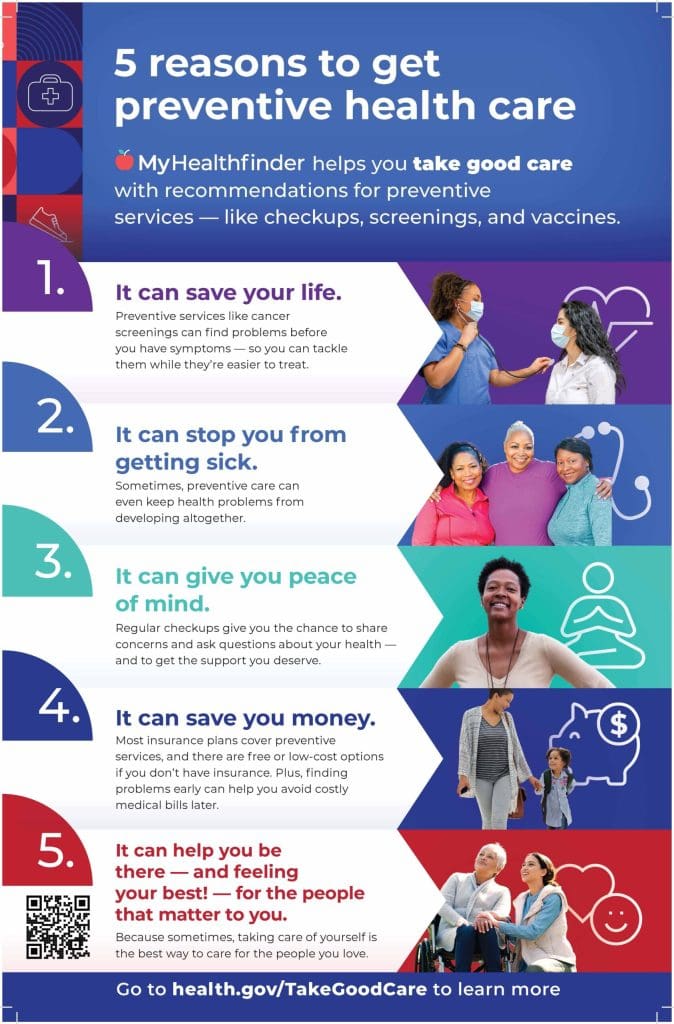
The primary goals of preventive medicine include reducing the incidence of diseases, delaying the onset of chronic conditions, and improving overall health outcomes. By implementing preventive measures, individuals can minimize their risk of developing illnesses and improve their quality of life. Additionally, preventive medicine aims to reduce healthcare costs by decreasing the need for expensive medical treatments and interventions.
Importance of Preventive Medicine
Preventive medicine plays a vital role in maintaining good health and well-being. It shifts the focus from treatment and management of diseases to their prevention, thereby reducing the human and economic cost associated with illnesses. By identifying risk factors and implementing appropriate interventions, preventive medicine helps individuals lead healthier lives and minimize the impact of diseases on their daily functioning. Moreover, it allows healthcare resources to be efficiently allocated, ensuring that they are available for those who truly need them.
Types of Preventive Medicine
Primary Prevention
Primary prevention focuses on preventing the initial occurrence of diseases, illnesses, or injuries. It aims to address the root causes and risk factors of these conditions to eliminate or reduce their occurrence. Examples of primary prevention include vaccinations, health education, and lifestyle modifications, such as encouraging a healthy diet and regular exercise. By targeting the underlying causes of diseases, primary prevention can significantly reduce their prevalence.
Secondary Prevention
Secondary prevention aims to detect and treat diseases at their early stages, before they cause significant harm or complications. This typically involves regular screenings and early detection methods, such as mammograms for breast cancer or blood pressure checks for hypertension. By identifying diseases early and providing prompt treatment, secondary prevention can prevent their progression and improve outcomes.
Tertiary Prevention
Tertiary prevention focuses on minimizing the impact of chronic diseases and disabilities on individuals. It involves interventions to prevent further complications or disabilities caused by an existing disease or injury. For example, cardiac rehabilitation programs for individuals who have suffered a heart attack or physical therapy for individuals with disabilities. Tertiary prevention aims to improve quality of life and maximize independence for those living with chronic conditions.
Benefits of Preventive Medicine
Reduced Healthcare Costs
One of the significant advantages of preventive medicine is its potential to reduce healthcare costs. By preventing the onset or progression of diseases, individuals are less likely to require expensive medical treatments, hospitalizations, or long-term care. Additionally, by detecting diseases at early stages, they can be managed more effectively, avoiding costly emergency interventions. By investing in preventive measures, healthcare systems can achieve cost savings and allocate resources more efficiently.
Improved Quality of Life
Preventive medicine focuses on promoting health and wellness, ultimately leading to an improved quality of life. By implementing preventive measures such as healthy lifestyle habits, individuals can reduce their risk of developing chronic conditions and enhance their overall well-being. They can enjoy a higher level of physical fitness, mental well-being, and social engagement. Preventive medicine empowers individuals to take control of their health and actively work towards a better quality of life.
Reduced Morbidity and Mortality
By preventing diseases and detecting them early, preventive medicine significantly reduces morbidity and mortality rates. Many diseases are associated with long-term complications or life-threatening outcomes, which can be minimized or prevented through timely interventions. For example, immunizations have played a crucial role in reducing the incidence of infectious diseases and preventing their severe complications. By adopting preventive measures, individuals are less likely to experience the physical and emotional toll of diseases, leading to a healthier and longer life.
Key Components of Preventive Medicine
Vaccinations and Immunizations
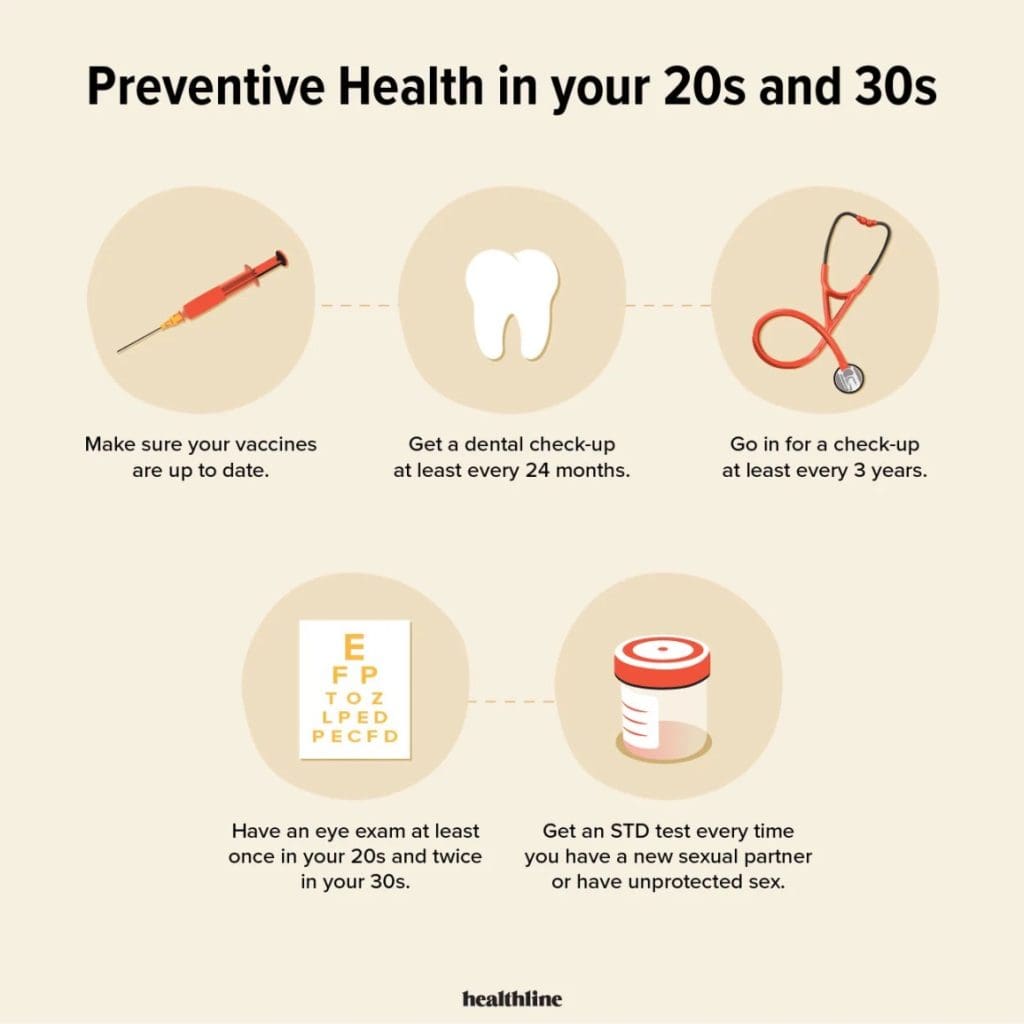
Vaccinations and immunizations are essential components of preventive medicine. They involve introducing harmless versions of a disease-causing agent into the body to stimulate the immune system to produce an immune response without causing the disease itself. Vaccinations have been instrumental in controlling and eradicating diseases such as polio, measles, and influenza. By providing immunity, vaccinations prevent the spread of infectious diseases and protect individuals from illness and its associated complications.
Screenings and Early Detection
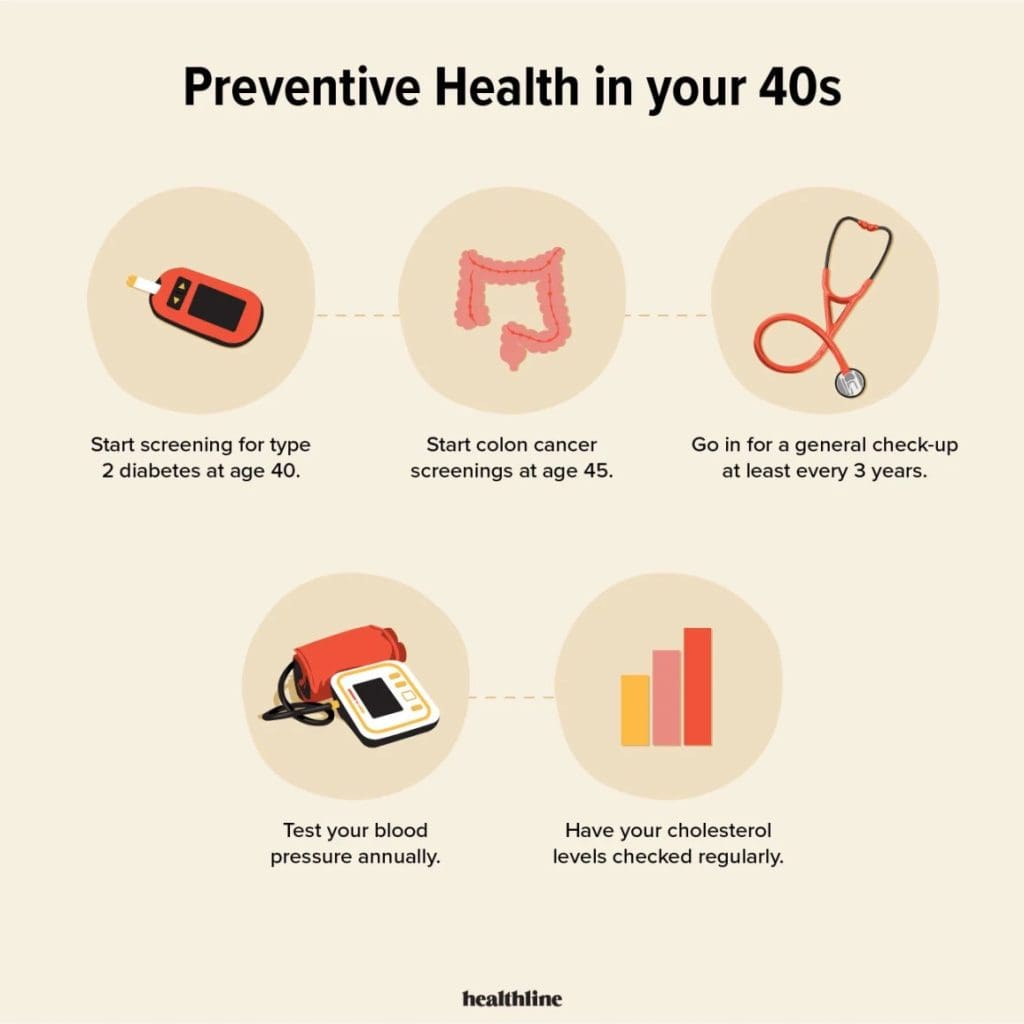
Screenings and early detection play a crucial role in preventive medicine, particularly for conditions that may not display symptoms in their early stages. Regular screenings, such as mammograms, colonoscopies, and Pap smears, allow healthcare providers to identify potential issues before they become more severe. Early detection enables timely intervention and treatment, improving outcomes and reducing the risk of complications.
Healthy Lifestyle Promotion
Promoting a healthy lifestyle is a fundamental component of preventive medicine. Encouraging individuals to engage in regular physical activity, maintain a balanced diet, manage stress levels, and refrain from harmful habits such as smoking or excessive alcohol consumption can significantly reduce the risk of developing chronic diseases. Through education and awareness campaigns, preventive medicine strives to empower individuals to make informed choices that promote optimal health and well-being.
Common Preventive Measures
Regular Exercise and Physical Activity
Regular exercise and physical activity are critical in preventing various chronic conditions, including cardiovascular diseases, obesity, and diabetes. Engaging in moderate-intensity exercise for at least 150 minutes per week, as recommended by the World Health Organization, can significantly reduce the risk of these diseases. Exercise promotes cardiovascular health, strengthens muscles and bones, improves mental well-being, and enhances overall physical fitness.
Healthy Diet and Nutrition
Maintaining a healthy diet and proper nutrition is essential for disease prevention and overall well-being. A diet rich in fruits, vegetables, whole grains, lean proteins, and healthy fats provides the body with the necessary nutrients and reduces the risk of developing chronic conditions such as cardiovascular diseases, hypertension, and certain cancers. By adopting a balanced and nutritious diet, individuals can optimize their health and reduce the likelihood of disease.
Smoking Cessation
Smoking is a major risk factor for various diseases, including lung cancer, cardiovascular diseases, and respiratory disorders. Smoking cessation programs and interventions are crucial in reducing the prevalence of smoking and its associated health risks. These programs may include counseling, pharmacotherapy, and support groups to help individuals quit smoking and lead a smoke-free life. By quitting smoking, individuals significantly reduce their risk of developing smoking-related diseases.
Regular Health Check-ups
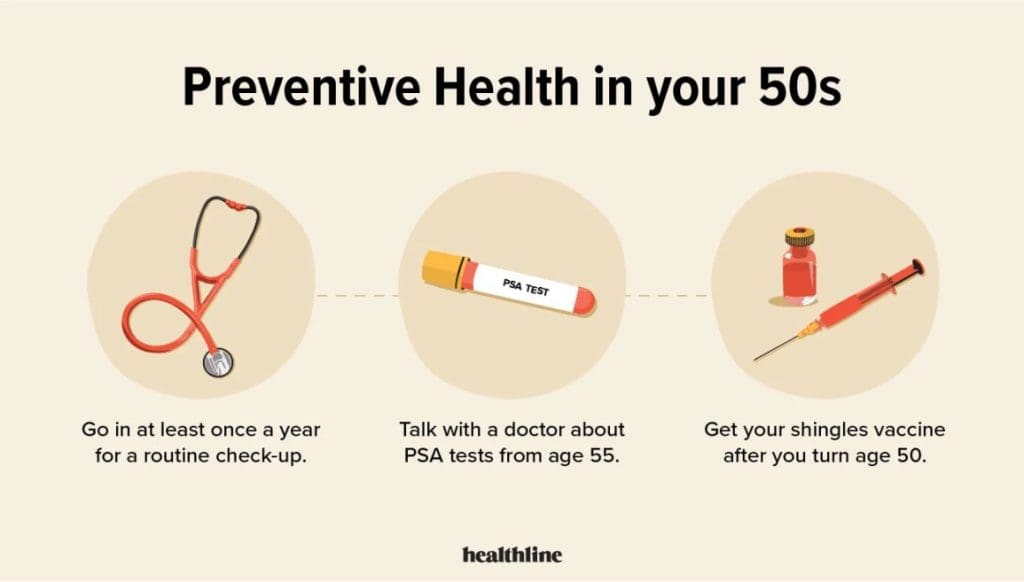
Regular health check-ups are an essential aspect of preventive medicine. By visiting healthcare providers regularly, individuals can monitor their health status, detect potential issues early, and receive appropriate interventions or treatments. Health check-ups may include physical examinations, blood tests, and screenings based on age, gender, and risk factors. These routine visits ensure that individuals are proactive in managing their health and can address any concerns before they become more severe.
Preventive Medicine Campaigns and Initiatives
National Immunization Programs
Many countries implement national immunization programs to ensure that the population is protected against vaccine-preventable diseases. These programs provide vaccinations to individuals of all ages, targeting diseases such as measles, mumps, rubella, and hepatitis. Through widespread immunization campaigns, preventive medicine aims to achieve herd immunity, where a significant portion of the population is immune, protecting those who cannot be vaccinated due to medical reasons or age.
Cancer Screening Campaigns
Cancer screening campaigns play a vital role in the early detection and prevention of various types of cancer. These campaigns raise awareness about the importance of screenings such as mammograms, colonoscopies, and Pap smears. By encouraging individuals to undergo regular screenings based on their age and gender, preventive medicine aims to improve cancer outcomes by catching the disease at its early and most treatable stages.
Health Education Programs
Health education programs are instrumental in promoting preventive measures and empowering individuals to make informed choices about their health. These programs provide information on various topics such as healthy lifestyle habits, disease prevention, and the importance of regular screenings and immunizations. By disseminating accurate and accessible health information, preventive medicine aims to increase awareness and knowledge, leading to better health outcomes for individuals and communities.
Challenges in Implementing Preventive Medicine
Lack of Awareness and Education
One of the significant challenges in implementing preventive medicine is the lack of awareness and education among the public. Many individuals may not fully understand the importance of preventive measures or may be unaware of the available resources and interventions. Addressing this challenge requires comprehensive health education campaigns that target diverse populations and provide easily understandable information about the benefits of prevention.
Barriers to Access
Access to preventive services can be a significant challenge, particularly for underserved populations. Limited availability of healthcare providers, lack of insurance coverage, financial constraints, and transportation issues can hinder individuals from accessing necessary preventive care. Overcoming these barriers requires policy changes, increased funding for preventive services, and targeted initiatives to ensure that preventive measures are accessible to all individuals, regardless of their socioeconomic status or geographical location.
Resistance to Behavioral Changes
Preventive medicine often requires individuals to make behavioral changes and adopt healthier habits. However, resistance to change is a common challenge. Many individuals may struggle with modifying long-standing behaviors, such as quitting smoking, adopting a healthy diet, or engaging in regular exercise. Addressing this challenge requires a multifaceted approach, including education, support systems, and tailored interventions that consider individual needs and motivations.
Preventive Medicine in the Digital Age
Role of Technology and Digital Health
Technology plays a crucial role in advancing preventive medicine in the digital age. Digital health tools, such as electronic health records, wearable devices, and mobile applications, enable individuals to monitor their health, track their progress, and access valuable health information. Technology also facilitates communication between healthcare providers and patients, facilitating remote consultations, and empowering individuals to actively participate in their own preventive care.
Telemedicine and Remote Monitoring
Telemedicine and remote monitoring have revolutionized the way healthcare is delivered, making preventive medicine more accessible and convenient. Telemedicine allows individuals to consult with healthcare providers remotely, eliminating barriers such as geographical distance or mobility issues. Remote monitoring devices enable individuals with chronic conditions to track their vital signs and health parameters from the comfort of their homes, allowing healthcare providers to intervene promptly if any abnormalities are detected. These technologies enhance preventive care by facilitating early intervention and proactive management.
Health Tracking Apps and Devices
The widespread availability of health tracking apps and devices has made it easier for individuals to monitor and manage their health. These apps and devices can track various health metrics, such as sleep patterns, physical activity levels, heart rate, and calorie intake. By providing individuals with real-time feedback and personalized insights, health tracking apps and devices encourage healthy behaviors and enable individuals to make informed choices about their health. They empower individuals to take an active role in their preventive care and promote self-awareness.
The Role of Healthcare Providers in Preventive Medicine
Physicians and Primary Care Providers
Physicians and primary care providers play a crucial role in preventive medicine. These healthcare professionals are responsible for conducting routine check-ups, screenings, and vaccinations, as well as providing personalized advice and interventions to promote preventive measures. They collaborate with patients to develop personalized preventive care plans, educate them about their health, and address any concerns or risk factors. By establishing a strong patient-provider relationship, physicians and primary care providers become essential partners in the journey towards better health.
Nurses and Nurse Practitioners
Nurses and nurse practitioners have a significant impact on preventive medicine, particularly through their roles in patient education, screenings, and immunizations. These healthcare professionals often work closely with physicians and primary care providers to deliver preventive care and ensure that individuals receive appropriate interventions and follow-up. Nurses and nurse practitioners also play a critical role in health promotion and behavior change, providing individuals with the necessary tools and support to implement preventive measures.
Public Health Officials
Public health officials, including epidemiologists, health educators, and policymakers, play a vital role in designing and implementing preventive medicine initiatives at a population level. They collect and analyze data to identify health trends and risk factors, develop public health campaigns, and ensure that preventive services are accessible and affordable. Public health officials collaborate with healthcare providers, community organizations, and policymakers to create a supportive environment for preventive medicine and advocate for policies that prioritize prevention.
Conclusion
Emphasizing prevention through preventive medicine is essential for a healthier future. By implementing measures such as vaccinations, screenings, and healthy lifestyle promotion, individuals can reduce their risk of developing diseases and improve their overall well-being. Preventive medicine not only benefits individuals but also has a significant societal impact by reducing healthcare costs, improving quality of life, and decreasing morbidity and mortality rates. By prioritizing prevention and supporting initiatives that promote preventive medicine, we can build a healthier society and pave the way for a brighter and healthier future.